15 States seeing the fastest spread of invasive species in 2026
Across the country, a handful of states are bracing for the fastest spread of invasive species in 2026, from snakes in the swamps to insects in the treetops. Based on recent federal and state data, these fifteen hotspots show how quickly non‑native plants and animals are reshaping wetlands, forests, rivers, and coastlines, and why hunters, anglers, and landowners will be living with the consequences.
1. Florida’s Burmese Python Surge
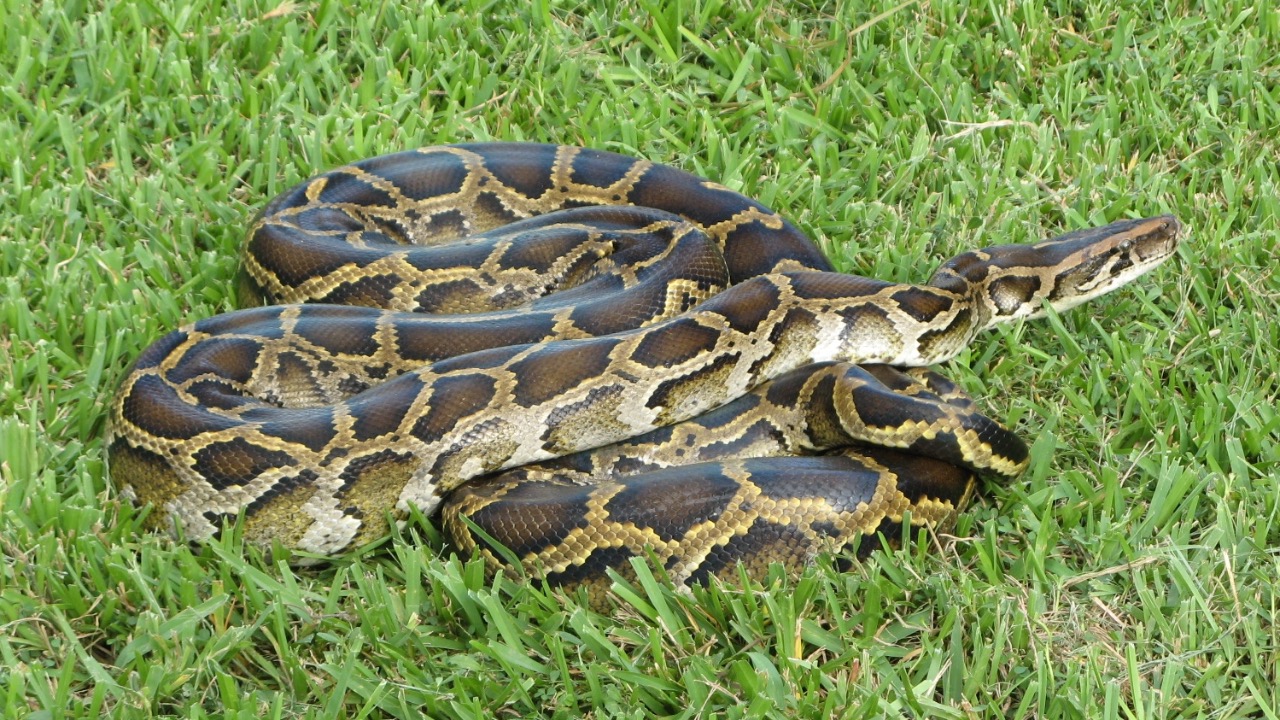
Florida’s Burmese python surge is the clearest warning of how fast an invader can take over prime habitat. A USGS report says these snakes have expanded into 10 additional counties since 2023, with models calling for a 25% jump in occupied wetland area by 2026 as climate-driven migration opens new territory. Wildlife crews have already removed more than 23,000 Burmese pythons from Florida, yet the core population in the Everglades keeps pushing outward.
For hunters and anglers, that expansion means fewer small mammals, altered wading bird rookeries, and a food web tilted toward a top predator that did not evolve here. As pythons move into new marshes and cypress sloughs, managers are racing to pair public bounty programs with better detection tools so the next wave of counties does not repeat the Everglades collapse.
2. California’s Mediterranean Fan Palm Invasion
California’s Mediterranean fan palm problem is centered on how aggressively ornamental plantings are spreading into coastal greenspace. According to the state invasive plant, infestations of Washingtonia filifera in coastal regions grew by 15% between 2022 and 2025, with models pointing to colonization of 20 additional urban parks in 2026. Even though Washingtonia filifera is native to parts of the Southwest, in these coastal, irrigated settings it behaves like an invasive, crowding out local understory plants.
Those dense palm thickets trap litter, boost fire risk, and give rats and other urban-adapted species more cover, which is not what city crews want along bike paths and riparian corridors. For anglers and paddlers using these parks as access points, the shift from native shrubs to palm monocultures means less habitat for songbirds and pollinators that signal a healthy urban edge.
3. Texas Emerald Ash Borer Advance
Texas is watching emerald ash borer march north at roughly 50 miles a year, a pace documented by Texas A&M AgriLife. The beetle hit 300,000 ash trees in 2025, and projections show that impact doubling across East Texas by 2026 as new counties fall into the quarantine map. Once emerald ash borer arrives, mortality in untreated ash stands is usually a matter of a few seasons, not decades.
That kind of loss will change everything from shade in small-town neighborhoods to cover along bass creeks and duck sloughs. Dead ash along river corridors means more blowdowns, more woody debris in channels, and higher fuel loads in upland breaks, so landowners are being urged to inventory ash now and decide which trees are worth treating before the wave hits.
4. Hawaii’s Coqui Frog Explosion
Hawaii’s coqui frog explosion is most obvious on the Big Island, where the Hawaii Invasive Species Council reports a 40% population surge between 2024 and 2025 and expects the frogs to occupy five new elevation bands in 2026 as nights stay warmer. Those higher, cooler zones used to offer some natural relief from the frog chorus that keeps rural residents awake and crowds out native insects.
The spread is not limited to one island either. A new online dashboard tracking captures shows more than 2,200 coqui frogs removed on Oahu since 2024, according to Hawaiis reports. For hunters, hikers, and birders, that means more forest edges dominated by a single noisy predator, fewer native crickets and moths, and a soundscape that feels more like a greenhouse than a Hawaiian valley.
5. New York’s Asian Longhorned Beetle Spread
New York’s Asian longhorned beetle problem is centered in New York City, where the state agriculture department says 12,000 trees have been infested since 2023. Modeling in the same state analysis points to 30% more boroughs affected by 2026 if detection and removal do not keep pace. The beetle targets maples, elms, and other hardwoods that anchor street canopies and urban parks.
Once larvae tunnel through the trunk, the tree is usually a loss, which means more bare sidewalks and hotter summer streets. For anglers and waterfowl hunters who rely on urban greenbelts along the Hudson and Jamaica Bay, the loss of mature hardwoods also means fewer mast crops and less structural cover for migrating birds that funnel through the city every fall.
6. Louisiana’s Nutria Wetland Damage
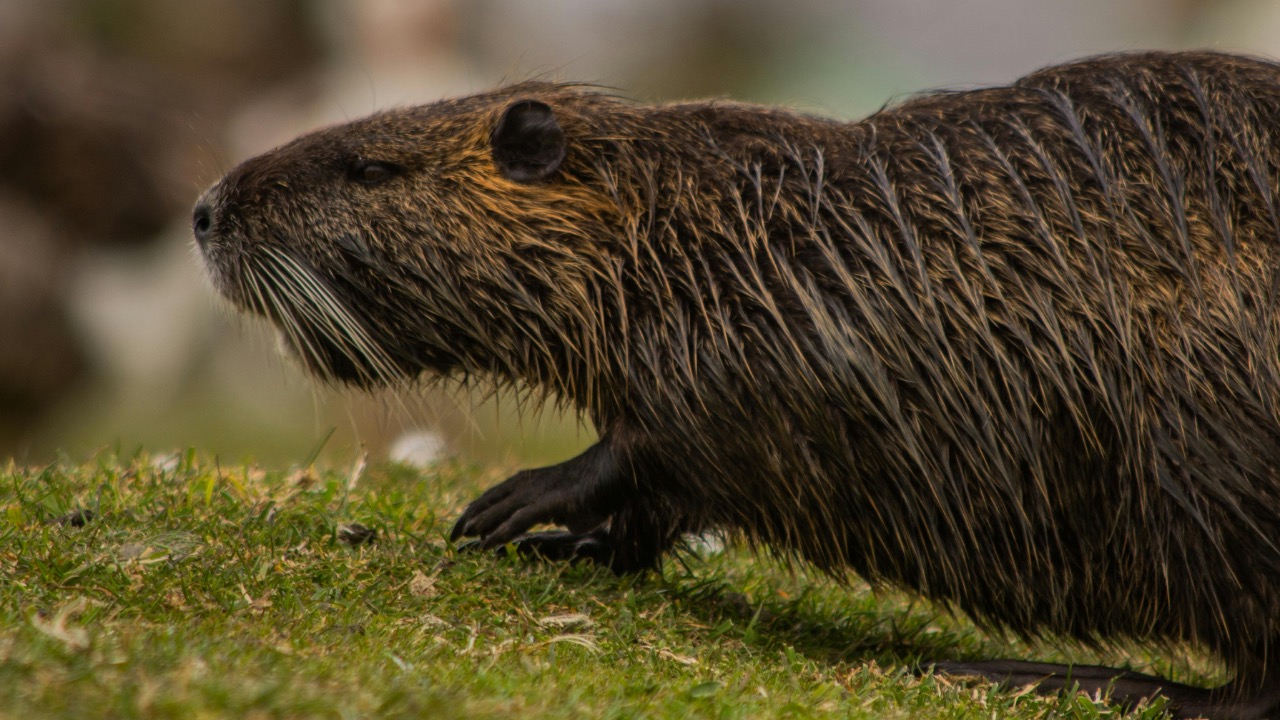
Louisiana’s nutria problem is accelerating again, with the USGS National Wetlands Inventory reporting 100,000 acres of wetlands damaged in 2025 alone. That same wetlands assessment projects nutria impacts expanding to 150,000 acres of coastal marsh by 2026 as levee breaches give the rodents new access routes. Nutria feed on roots and rhizomes, which turns firm marsh into open water.
For duck hunters and inshore anglers, that erosion means disappearing ponds, broken spoil banks, and less emergent vegetation to buffer storm surge. As more marsh converts to open water, redfish and speckled trout lose nursery habitat, and the state’s already fragile storm protection shrinks even further.
7. Georgia’s Cogongrass Coverage Growth
Georgia’s cogongrass surge is one of the most aggressive grass invasions in the country. The University of Georgia Extension reports that cogongrass, Imperata cylindrica, covered 1.2 million acres by 2025, with fire-adapted spread expected to add another 300,000 acres in southern counties in 2026. A statewide Cogongrass initiative notes that this invasive weed entered the United States through Alabama ports before creeping into Georgia pine country.
Listed as “one of the world’s ten worst weeds,” Cogongrass forms dense mats that choke out native forbs and grasses, according to Listed descriptions. Fire managers also warn that Imperata burns hotter and faster than native fuels, turning routine prescribed burns into riskier operations and making it harder to maintain quail habitat and open longleaf stands.
8. Alabama’s Lionfish Density Rise
Alabama’s lionfish problem is building offshore, where state conservation data show densities in Gulf waters climbing 35% between 2023 and 2025. Projections in the same lionfish summary suggest the species will occupy 50 additional reef sites off the Alabama coast in 2026, from natural ledges to artificial reef structures. Lionfish are voracious predators that vacuum up juvenile snapper, grouper, and reef baitfish.
For charter captains and private anglers, that means more competition on the same wrecks that support red snapper and triggerfish seasons. Spearfishing tournaments and targeted removals help, but as lionfish densities climb, managers expect to see localized drops in native reef fish recruitment that could eventually show up in bag limits.
9. South Carolina’s Hydrilla Lake Clogging
South Carolina’s hydrilla problem is centered on Lake Marion, where Clemson researchers report that Hydrilla verticillata clogged 80% of the reservoir by 2025. The same aquatic plant report projects spread into adjacent rivers, with another 20,000 acres of waterways likely to be covered in 2026. Hydrilla forms thick surface mats that block boat traffic and shade out native vegetation.
Crappie and bass anglers know that some submerged vegetation is good, but hydrilla at this scale turns coves into impenetrable jungles and fouls trolling motors. Waterfowl hunters also lose open lanes for decoy spreads, and hydropower operators have to fight clogged intakes, which can ripple into flow changes downstream.
10. North Carolina’s Hemlock Woolly Adelgid Impact
North Carolina’s hemlock woolly adelgid crisis has already killed 70% of hemlock stands in the Appalachians by 2025, according to the NC Forest Service. Their forest health data also project the adelgid front moving 100 miles east by 2026, into foothill coves and riparian corridors that have so far held out. Once a stand is infested, hemlocks typically decline within a few years.
Those trees are key for shading trout streams and stabilizing steep hollows. As they die, anglers can expect warmer summer water temperatures, more sediment from slope failures, and a shift toward hardwood-dominated banks that do not provide the same year-round cover or microclimate.
11. Virginia’s Spotted Lanternfly Quarantine Expansion
Virginia’s spotted lanternfly spread is being tracked county by county. State agriculture officials report that 25 counties were under quarantine in 2025, with vine host modeling predicting infestations in 15 additional counties in 2026. The same state guidance warns that lanternflies favor tree-of-heaven but also feed on grapes, hops, and hardwoods.
For vineyard owners and backyard growers, that means sticky honeydew, sooty mold, and stressed vines that are harder to keep productive. Hunters and hikers will see more tree-of-heaven patches along roads and powerlines acting as launch pads for the insect, complicating efforts to restore native edge habitat for deer and turkey.
12. Maryland’s Blue Catfish Bay Growth
Maryland’s blue catfish boom in the Chesapeake Bay is one of the most dramatic fish invasions on the East Coast. State biologists report a 50% population increase since 2023, with projections that blue catfish will significantly deplete native fish stocks in 10 additional tributaries by 2026. The invasive fish overview notes that these predators eat everything from menhaden to blue crabs.
For anglers, that means more opportunities to tangle with 30‑pound cats, but at a cost to white perch, shad, and crabs that underpin traditional fisheries. Managers are pushing heavy harvest, relaxed limits, and commercial markets to keep numbers in check before blue catfish dominate every tidal creek feeding the Bay.
13. New Jersey’s Japanese Knotweed Riverbank Invasion
New Jersey’s Japanese knotweed invasion is marching along both rivers and roads. The state DEP reports that Fallopia japonica had already colonized 500 miles of riverbank by 2025, with forecasts showing another 200 miles of highway corridors invaded in 2026. Their species profile describes dense thickets that crowd out native shrubs and wildflowers.
Those monocultures leave banks more vulnerable to erosion once winter knocks the stems flat, sending sediment into trout streams and warmwater rivers alike. Roadside infestations also complicate basic maintenance, since mowing can spread fragments that root downstream, turning every drainage ditch into a new knotweed nursery.
14. Delaware’s European Green Crab Surge
Delaware’s European green crab surge is unfolding in its coastal bays, where state monitoring shows a 60% jump in numbers between 2024 and 2025. Projections in the same invasive crab summary indicate that 15 additional shellfish beds could be impacted in 2026 as the crabs spread into new coves and tidal flats. Green crabs prey heavily on clams, mussels, and young oysters.
For commercial harvesters and recreational clammers, that means thinner beds, more broken shells, and tougher limits to keep stocks sustainable. The crabs also uproot eelgrass while foraging, which strips nursery habitat for juvenile fish and crabs that support the broader inshore fishery.
15. Connecticut’s Emerald Ash Borer Defoliation
Connecticut’s emerald ash borer damage is most severe in Fairfield County, where the state agricultural experiment station reports 40,000 ash trees defoliated since 2023. Models in the same state briefing show the infestation spreading into Hartford County by 2026, affecting another 10,000 trees. Once the canopy thins, secondary pests and decay move in quickly.
Suburban neighborhoods will see more hazard removals and higher tree-care bills, while riverbottoms lose mature ash that provide shade and structure for smallmouth and trout. As in other states, the window for treating high-value trees is closing fast, and landowners who wait for visible decline may find they are already too late to save their best shade trees.

Asher was raised in the woods and on the water, and it shows. He’s logged more hours behind a rifle and under a heavy pack than most men twice his age.