Hunting Advice That Sounds Old but Still Works
Modern hunters carry more technology into the woods than ever, but the fundamentals that filled freezers for our grandparents still decide whether a tag gets punched. The most reliable tactics are often the simplest: move less, notice more, and let the animal’s senses, not your gadgets, dictate your choices. I have found that the “old” advice that keeps resurfacing is usually what still works when batteries die, weather shifts, or pressure pushes game into hiding.
Those time tested habits, from slow still-hunting to strict scent control and generational mentoring, are not nostalgia, they are practical systems that match how whitetails actually live. When I strip my approach back to those basics, the woods feel more readable, and the odds of a clean, ethical shot climb fast.
Still-hunting: Moving so slowly it feels wrong
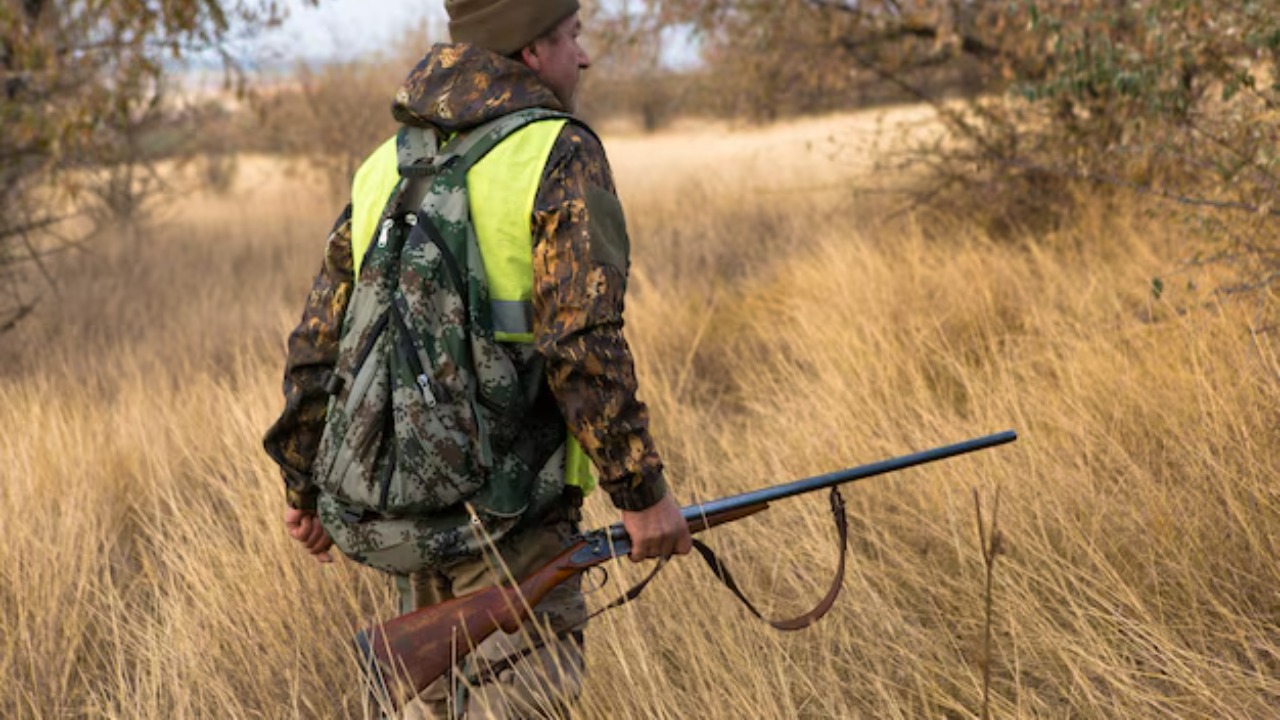
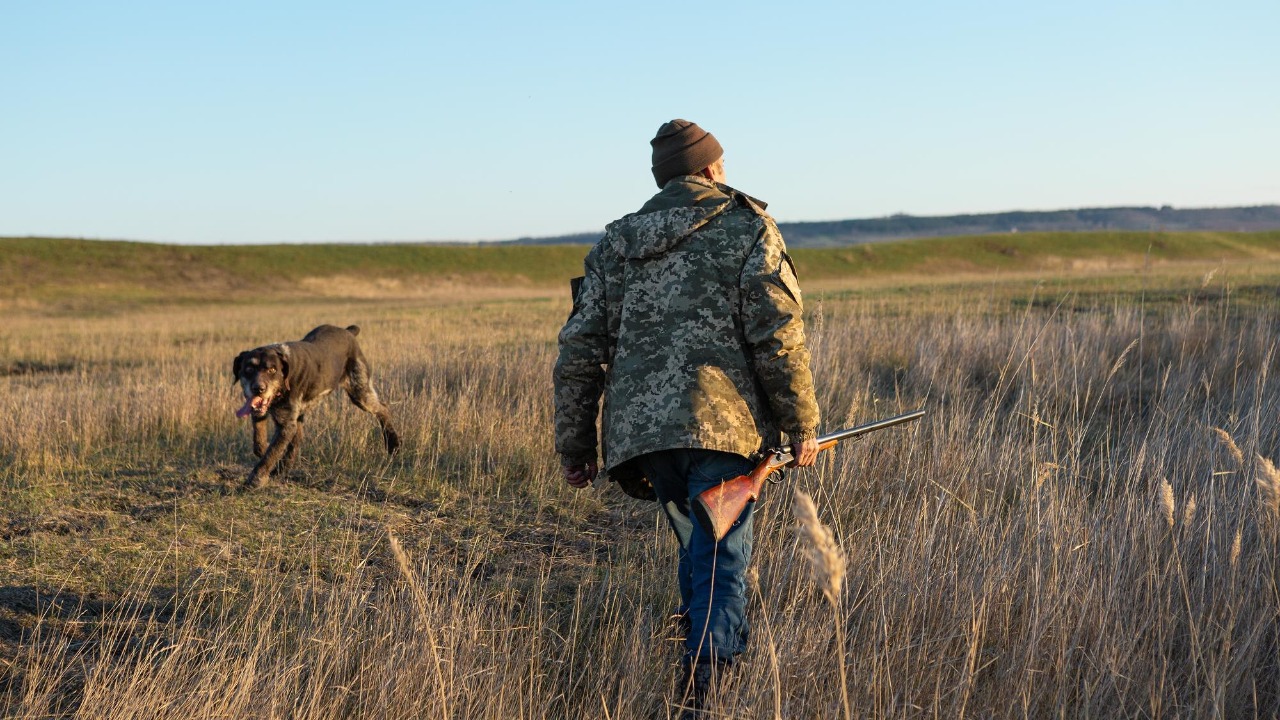
Still-hunting is one of the oldest whitetail tactics, and it remains brutally effective because it respects how deer use cover and terrain. The core idea is simple: instead of sitting all day, I slip through likely habitat at a pace so slow it almost feels like standing still, stopping often to glass and listen. Classic accounts describe hunters like Nov easing along known runways, then parking on a small stool where sign and terrain suggest deer will pass, sometimes even using a lantern between their knees to break up their outline while they wait in the dark edges of timber.
The hunters who succeed with this method are the ones who accept that the woods set the tempo, not their impatience. As pressure builds through the season, deer shift into thicker cover and move more cautiously, which means the person who can read tracks, droppings, and faint trails and then creep along them quietly will keep finding deer that others walk past. That is why old-school advice still emphasizes picking a runway, settling in, and letting the movement come to you, a pattern that echoes in the way Nov used a simple stool and lantern along a travel route described in classic still-hunting tactics.
Learning to squirrel hunt before you chase big bucks
One piece of advice that sounds almost quaint is to start with small game, especially squirrels, before you get serious about whitetails. I have seen that hunters who learn to slip within shotgun range of a gray squirrel without blowing the woods apart usually carry those same skills into deer season. Sep Hackney has long argued that if you can Learn to stalk squirrels quietly, pick them out in tangled branches, and time your steps between their chatter, you are training your eyes and ears for the subtler cues of a feeding buck or a nervous doe.
That progression also builds a mental discipline that expensive gear cannot buy. Squirrel hunting forces me to pay attention to wind, background noise, and how my silhouette looks against the trees, because small game reacts instantly to sloppy movement. When I later still-hunt whitetails, those habits are already wired in: I know how to pause when a twig snaps, how to use a tree trunk as a shield, and how to scan for the horizontal line of a deer’s back the same way I once searched for a squirrel’s tail. The advice to “learn to squirrel hunt” before chasing mature bucks may sound like something your grandfather would say, but in practice it is a structured training plan for still-hunting that modern shooters often skip.
Letting weather and cover dictate your pace
Old-timers have always timed their still-hunts to match the weather, and that remains one of the most underrated edges in the deer woods. I move most aggressively when a light rain or steady snow is falling, because that soft precipitation muffles my footsteps, dampens leaves, and helps trap scent close to the ground. Classic Still Hunting Tips point out that a light drizzle or snow not only hides sound and scent, it also encourages deer to stay on their feet longer, especially in big timber or wide open hardwoods where they feel exposed in bright, crunchy conditions, a pattern that seasoned hunters still lean on in their Still Hunting Tips.
Cover matters just as much as weather. In tight, brushy draws or young clearcuts, I slow to a crawl, sometimes taking several minutes to move a few yards, because deer can be bedded within bow range and will tolerate almost no noise. In contrast, when I am crossing open hardwoods with good visibility, I use terrain features like folds, benches, and creek cuts to mask my movement, pausing to glass every pocket of cover that could hide a bedded deer. The old advice to “hunt the edges” of thick cover, slipping along transition lines where timber meets brush or swamp meets high ground, still works because those edges concentrate both deer movement and hunter opportunity.
Respecting a whitetail’s nose like it is a superpower
Every generation of hunters has been told that a whitetail’s nose will beat them long before its eyes or ears, and modern research keeps proving that point. In hot early seasons, scent control becomes even more critical because heat and humidity carry human odor farther and faster. When I am hunting in warm weather, I plan my sits and still-hunts around the wind first, then shade and water, because Add in the fact that a whitetail has a nose that is infinitely more adept at detecting scent than ours and you quickly understand why swirling thermals and sweaty clothing can ruin an otherwise perfect setup, a reality that early season whitetail strategies keep emphasizing in hot weather tactics.
Bowhunters in particular are reminded that most ungulates, including deer and elk, have a sense of smell that is as much as 1,000 times more sensitive than ours, which is why Ignoring Principles of Scent Control Most often shows up on lists of costly mistakes. I treat that number as a hard boundary: if my wind is blowing toward where I expect deer to appear, I move or I leave, no matter how good the sign looks. Old-school habits like storing outer layers in a clean bag, avoiding fuel stations in hunting clothes, and using natural barriers such as creeks or steep bluffs to keep my scent from drifting into bedding cover are still some of the cheapest, most effective upgrades a hunter can make.
Skills over gear: Bushcraft habits that quietly stack odds
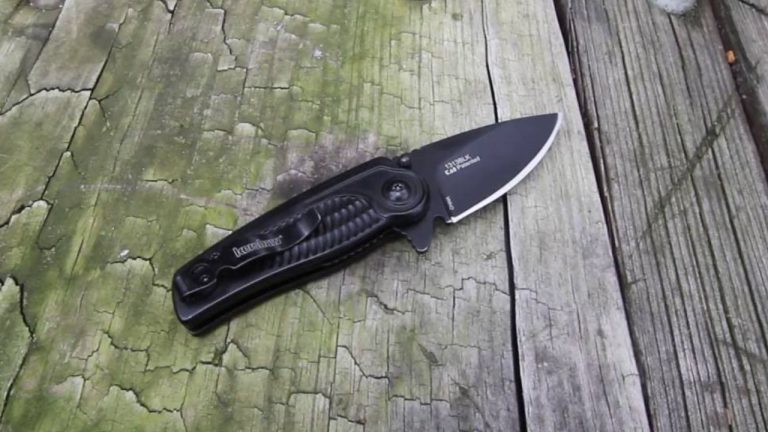
There is a reason the best woodsmen keep repeating that skills matter more than equipment. I have watched hunters with modest rifles and hand-me-down boots consistently tag deer because they know how to read sign, build a quiet ground hide, and stay comfortable in rough weather. Building Your Skills With Budget Gear Your approach, which stresses that your abilities matter more than expensive gear, mirrors what many experienced bushcrafters already practice: they still rely on simple knives, tarps, and fire kits, proving that Many of the most effective tools are inexpensive and multipurpose.
Those same bushcraft habits translate directly into better hunting. Knowing how to pick a natural blind using deadfall and brush, how to move quietly through different substrates, and how to stay warm and dry with minimal kit means I can hunt longer and push deeper without relying on bulky, noisy gear. Old advice like “always carry a sharp knife, a way to make fire, and a small length of cord” sounds basic until a long drag, sudden storm, or unexpected night in the woods turns those items into essentials. When I prioritize skill-building over shopping, I find that my confidence grows, and with it my willingness to adapt when plans change mid-hunt.
Listening to the elders and passing it on
Some of the most durable hunting wisdom is not written in books or printed on gear tags, it is spoken quietly in trucks, around campfires, and in skinning sheds. That knowledge grows with each generation, and Even if you are a late onset hunter and the first in your family to pursue it, you can still plug into that stream of experience by seeking out mentors and then passing what you learn onto your sons and daughters, a pattern that seasoned outdoorsmen describe as central to how Even latecomers become part of a hunting lineage.
On working ranches and family leases, that handoff is often formalized into what some call generational hunts. The same scenario played out for the large 4-horn ram that Tristan took one morning on a Texas property, where habits, traditions, and hunting skills were passed from older relatives to younger ones, reinforcing the idea that this great heritage is priceless and worth protecting. When I hunt with elders who still favor slow still-hunts, simple gear, and careful shot selection, I am reminded that the most valuable “upgrade” I can make is to listen closely, then carry those lessons forward the way Tristan did on that generational hunt.

Leo’s been tracking game and tuning gear since he could stand upright. He’s sharp, driven, and knows how to keep things running when conditions turn.