5 concealed-carry tips veterans wish they knew when starting
Carrying a concealed handgun looks straightforward on the surface. You pick a pistol, grab a holster, and head out the door. But after a few years of doing it daily, most guys will tell you the same thing—you learn more from the mistakes than the gear.
The early days are where bad habits creep in. Comfort gets overlooked, shortcuts seem harmless, and you don’t yet know what actually matters when things get serious. The veterans who’ve been carrying for decades tend to circle back to the same lessons. These are the ones that stick.
Comfort Dictates Whether You Actually Carry
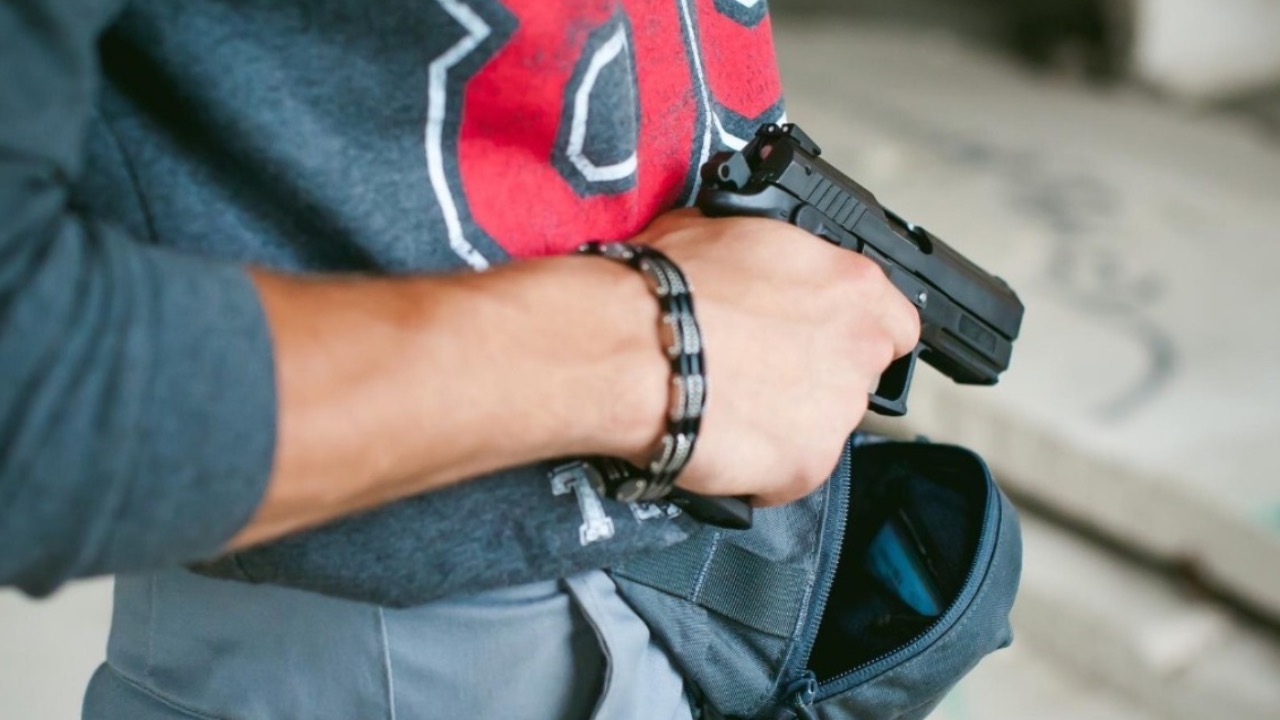
When you first start out, you’re focused on the gun. Size, capacity, caliber. What you don’t realize is that comfort decides whether that gun stays on you past day three.
If the setup digs into your side, prints every time you bend over, or forces you to adjust it all day, you’ll start leaving it behind. That’s how it goes. The guys who carry consistently aren’t tougher—they’ve dialed in a system they can live with. A proper belt, a holster that fits your body, and a gun you can tolerate for 10–12 hours matter more than anything else.
You’ll Likely Start With the Wrong Holster
Most people don’t get it right the first time. You buy something cheap or popular, run it for a week, and realize it doesn’t work for your body type or daily routine.
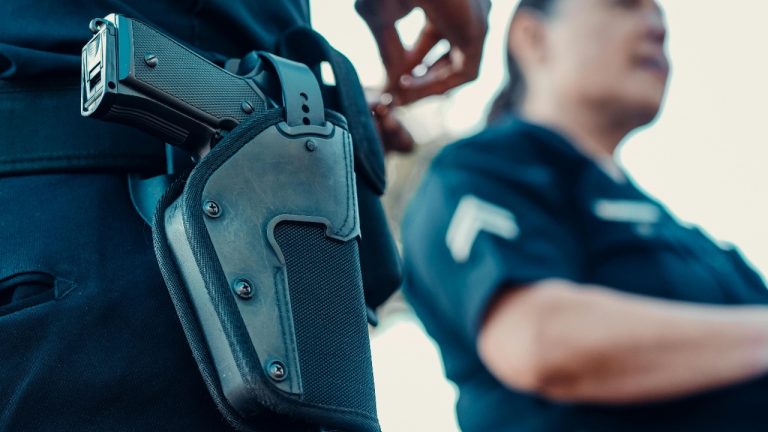
Holsters are personal. Ride height, cant, material—it all changes how the gun sits and how fast you can get to it. Veterans will tell you they went through a drawer full before settling on a few that actually work. It’s not wasted money if you learn from it, but you can save time by paying attention early to fit and function instead of trends.
Printing Happens More Than You Think
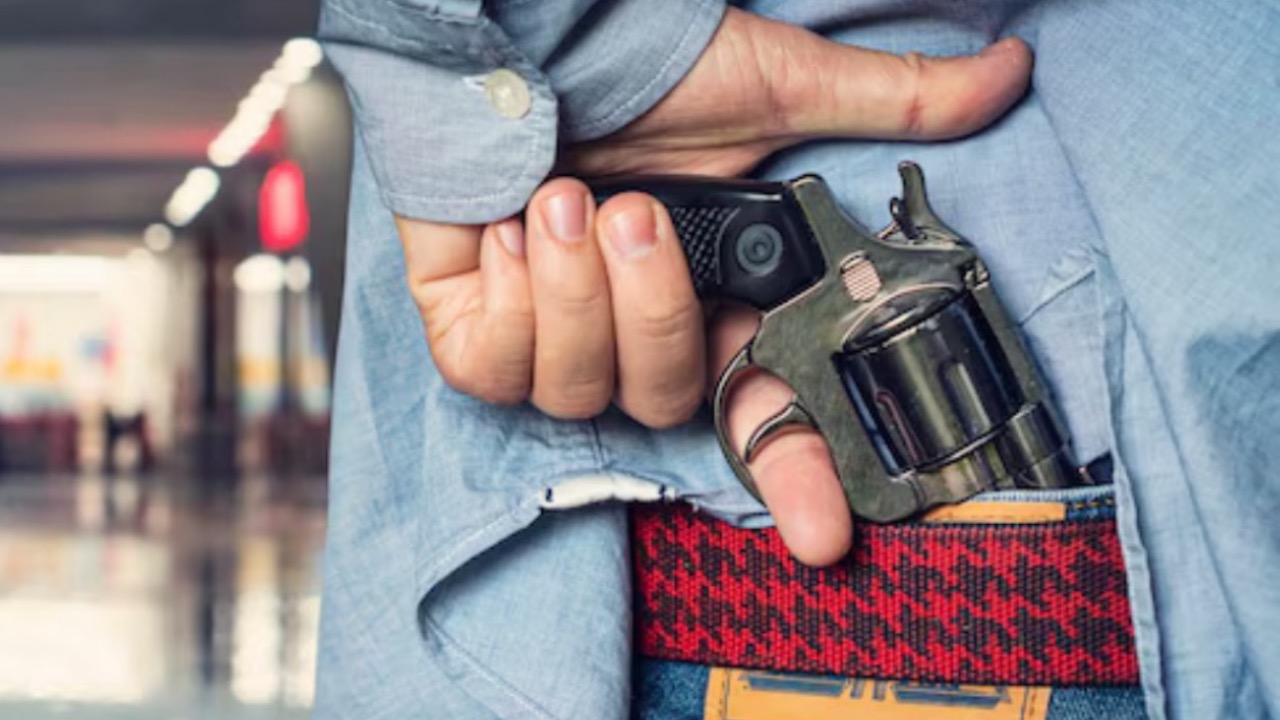
You might believe your setup disappears under a T-shirt. It usually doesn’t. Printing is subtle, and most new carriers don’t notice it until someone points it out—or worse, stares too long.
The fix isn’t paranoia, it’s awareness. Mirror checks help, but movement tells the real story. Sit, reach, twist—see what shows. Clothing choices matter more than people want to admit. Slightly looser cuts, heavier fabrics, and darker colors go a long way. Veterans learn to dress around the gun without making it obvious they’re doing it.
Situational Awareness Beats Any Piece of Gear
It’s easy to fall into the trap of thinking the firearm is the solution. In reality, awareness keeps you out of trouble far more often than anything on your belt.
You start noticing patterns—who doesn’t belong, what feels off, where exits are. That habit builds over time, and it becomes second nature. The experienced carriers don’t walk around tense, but they’re not checked out either. They’re paying attention. That mindset does more for your safety than any upgrade you can buy.
Training Changes Everything
Owning a gun and carrying one are two different things. The gap shows up fast when you actually train.
Drawing from concealment, managing recoil under pressure, making decisions quickly—none of that comes naturally. It has to be practiced. Veterans who take training seriously tend to carry with more confidence and fewer bad habits. Even basic range time helps, but structured training forces you to work through problems you won’t see standing still in a lane.
Legal Knowledge Isn’t Optional
Early on, most people skim the laws and assume they’re covered. That’s a mistake that can cost you more than a fine.
Where you can carry, how you can carry, and what constitutes lawful use of force varies more than people think. It’s your responsibility to know it. Veterans stay current because laws change, and misunderstandings don’t hold up when it matters. You don’t need to memorize legal code, but you do need a clear understanding of the boundaries.
Your Mindset Matters More Than Your Setup
Over time, experienced carriers shift how they think about the gun. It stops being something you rely on and becomes something you hope you never need.
That changes how you move through the world. You avoid situations instead of testing them. You leave earlier, park smarter, and keep distance when something feels off. The firearm is there if everything else fails, but it’s not the first answer. That perspective doesn’t come on day one—it’s built through experience, and it’s one of the biggest differences between new carriers and seasoned ones.

Asher was raised in the woods and on the water, and it shows. He’s logged more hours behind a rifle and under a heavy pack than most men twice his age.