6 breeds veterinarians warn first-time dog owners about
Plenty of smart, steady dogs suit beginners, and veterinarians often point new owners toward easier, people-focused breeds instead of high-maintenance projects. But some popular dogs come with energy levels, health problems, or guarding instincts that can blindside a rookie. Here are six breeds veterinarians consistently warn first-time dog owners to think long and hard about.
1. Siberian Husky

The Siberian Husky shows up again and again when experts list breeds that first-time owners should. Vets describe them as escape artists with near-endless stamina, originally bred to pull loads for miles in brutal conditions. That working drive does not disappear in a suburban backyard, and boredom quickly turns into destruction or repeated breakouts.
Several surveys of veterinary professionals, including panels of 218 experts, flag Huskies as “not for newbies” because they demand serious daily exercise and firm, consistent training. When that need is not met, you get a frustrated athlete, not a laid‑back family pet. For a first dog, I would steer toward calmer, more biddable breeds that still offer plenty of outdoor fun.
2. Akita

The Akita is powerful, territorial, and intensely loyal, which is exactly why a veterinarian in one widely shared list of breeds he would never own put this dog near the top, warning that its guarding instincts and socialization needs can overwhelm beginners who lack experience. These dogs were built to make independent decisions, not to follow every casual cue.
Guard-dog roundups that praise breeds like the Cane Corso as Known for their protective instincts make the same point: serious guardians require serious handling. Akitas can be same-sex aggressive, suspicious of strangers, and intolerant of rough handling from kids. A first-time owner who misreads that body language can end up in a dangerous situation very quickly.
3. English Bulldog

The English Bulldog is a classic brachycephalic breed, and small-animal vets have issued a clear warning that noisy breathing in these flat-faced dogs is not normal. That snorting “character” sound often signals airway obstruction, chronic respiratory distress, and a high risk of heat stroke, even during moderate exercise.
For a first-time owner, that means constant monitoring, strict weight control, and a willingness to fund airway surgery or emergency care. When you add in skin-fold infections and orthopedic issues from their heavy build, the Bulldog becomes a walking stack of medical decisions. New owners who picture a low-effort couch buddy are often blindsided by the reality.
4. French Bulldog

Veterinarian Dr Aimee Warner has singled out the French Bulldog as one of the five most expensive breeds, warning that lifetime vet bills can climb to £15,000 because of chronic breathing problems and stubborn skin disease demand repeated treatment. That is a brutal surprise for anyone who budgeted only for food and routine shots.
Frenchies are wildly popular in lists of the most popular dog, which means first-timers see them everywhere and assume they are easy. In reality, you are signing up for potential airway surgery, allergy workups, and ongoing medications. If you are new to dogs and money is tight, this is a risky starting point.
5. Pug

The Pug looks like a compact, low-maintenance clown, but veterinarians warn that the real costs pile up quietly. Analyses of breeds that are far more expensive than people realize highlight Pugs for eye injuries, corneal ulcers, and obesity-related breathing trouble require repeated vet. Those bills add up fast when you are learning basic dog care at the same time.
First-time owners also underestimate how much management a short-nosed, heat-sensitive dog needs on summer hikes or even in a warm house. Compared with the sturdy, people-pleasing breeds often recommended as good first dogs, a Pug asks you to juggle weight control, eye protection, and respiratory risk from day one.
6. German Shepherd
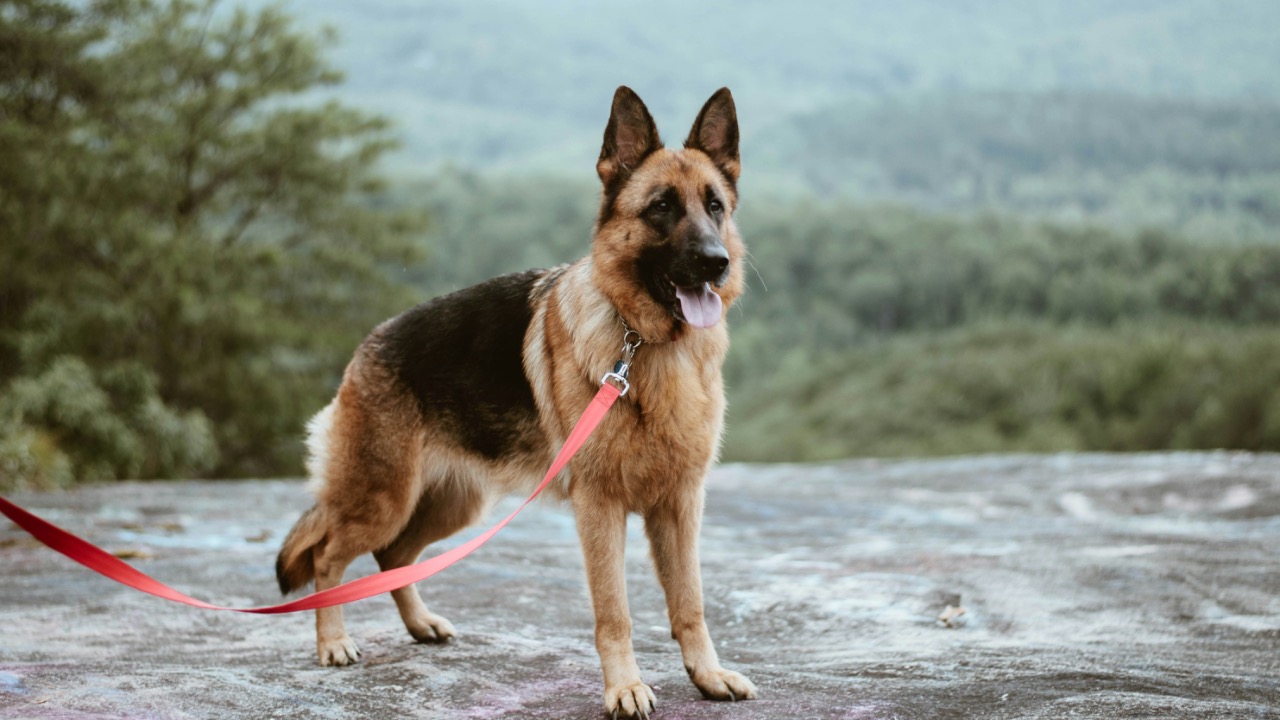
The German Shepherd is a brilliant working dog, but new research on canine gut health has found that some large breeds are more likely to develop diarrhea tied to food sensitivities and intestinal disease, and German Shepherds sit squarely in that higher-risk group chronic digestive trouble. Managing that means careful diet trials, prescription food, and quick responses to flare-ups.
Layer that on top of the breed’s intense training needs and common orthopedic problems, and you have a dog that can swamp a novice. While experienced handlers can channel that drive into tracking, protection work, or advanced obedience, a first-time owner is usually better off with a calmer, more forgiving companion that will not punish every feeding mistake with a bout of diarrhea.

Asher was raised in the woods and on the water, and it shows. He’s logged more hours behind a rifle and under a heavy pack than most men twice his age.