When activist pressure collides with state-managed hunting seasons
Across the United States, fights over hunting seasons have become proxy battles over who gets to define conservation, rural identity and animal welfare. Activist campaigns, courtroom challenges and political pressure are colliding with state agencies that still rely on hunting as a primary tool for managing wildlife and funding their own budgets. The result is a patchwork of legal showdowns and policy experiments that reveal how fragile the old consensus around regulated hunting has become.
I see the sharpest tensions where predator management, ballot-box mandates and constitutional rights collide, from gray wolves in the Rockies and Upper Midwest to bears in Florida and coyotes in Michigan. Each conflict turns on the same core question: when public pressure clashes with state-managed seasons, whose values prevail and what happens to the animals in the middle?
The shifting moral debate over hunting

Modern hunting policy is being rewritten in the shadow of a moral argument that has moved far beyond bag limits and license fees. Some animal rights and anti-hunting activists now describe hunting itself as a cruel and unnecessary blood sport, and they view certain traditional practices as exploitative even by the standards of many hunters, a framing that directly challenges the idea of hunting as a public good rather than a private pastime. That critique has helped fuel campaigns to restrict or abolish specific seasons, especially for predators and charismatic species, and it has pushed wildlife agencies to defend not just their science but their ethics.
At the same time, state managers still lean on a more utilitarian view of wildlife, one that treats regulated harvest as a tool to keep populations and habitats in balance. To manage a habitat, professional wildlife managers are taught to weigh historical trends, current habitat conditions, breeding population levels and long term projections before they set seasons or quotas, a process that is meant to keep habitats in balance rather than maximize kills. When activists demand blanket bans, they are not only contesting the morality of killing animals, they are implicitly rejecting this technocratic model of decision making that agencies have built over decades.
Colorado’s wolves and the ballot box
Colorado has become a test case for what happens when statewide votes and rural realities diverge. After voters narrowly ordered wolf reintroduction, Governor Jared Polis has been pressed by ranchers and hunters who argue that decisions affecting their livelihoods are being made far from the communities that live with the consequences. In one pointed critique, opponents warned that this fight is not just about wolves but about who makes decisions that rural communities have to live with, and whether a Simple Majo of urban voters should override local ranchers and rural neighbors who feel sidelined by the process.
Once wolves are on the ground, the legal framework only gets more complicated. Under a federal 10(j) rule, Colorado has been granted management flexibility after release, but that flexibility comes with clear sourcing parameters that both state and federal officials must follow when they respond to conflicts or consider lethal control. Supporters of the reintroduction emphasize that the 10(j) designation still treats wolves as a protected experimental population, while critics in Dec hunting circles argue that Colorado should have more latitude to manage wolves like other game once populations grow, highlighting how federal law, state plans and activist expectations can pull in different directions.
Michigan’s coyotes and the power of hunter pressure
In Michigan, the collision between activist litigation and hunter pressure has played out in real time over coyotes. After Last June, when an Ingham County judge ruled against hunting groups that challenged new restrictions, an appeal remained pending even as the state’s Natural Resources Commission, or NRC, continued to adjust rules under sustained lobbying. Earlier this year, the NRC responded to months of pressure from hunters by changing Michigan rules on killing coyotes, loosening some limits on private land while keeping tighter controls on public ground, a compromise that tried to balance predator concerns with demands for flexibility.
The legal and political tug of war has turned coyotes into a symbol of who gets heard in wildlife policy. On one side, activists have used the courts to argue that year round killing threatens ecological balance and violates procedural safeguards, leaning on the earlier Ingham County ruling as validation. On the other, organized hunters in Michigan framed coyotes as a fast breeding predator that needs aggressive management to protect deer and livestock, and they ultimately persuaded regulators to revise the rules after months of pressure that culminated in a formal decision published in Jan, a reminder that agency commissions are not insulated from organized constituencies.
Predators, science and the gray wolf wars
Few species crystallize the clash between activist pressure and state management like the gray wolf. When Federal protections for gray wolves have been lifted in the past, state wildlife agencies and environmental groups have immediately competed for control over how, and whether, wolves should be hunted, with some states racing to open seasons while conservationists rushed to court to stop them. In Wisconsin, that tension surfaced when the Wisconsin Department of Natural Resources cut a planned fall wolf quota over the objections of its own oversight board, a move that drew praise from conservationists and wolf advocates but angered hunting groups that saw the reduction as a capitulation to activist pressure.
Pro hunting organizations counter that predators themselves need active management. One national group argues that Managing predator populations, especially apex predators like the wolf, is extremely important if society wants to maintain a delicate balance between wildlife, livestock, hunting and more, and they warn that unchecked wolf numbers can devastate deer and elk herds that fund conservation through license sales. Conservation groups respond that rapid expansions of wolf hunting risk undoing decades of recovery and have repeatedly sought preliminary injunctions to prevent the opening of hunting and trapping seasons that fall after delistings, using the courts as a backstop when they believe state quotas are too aggressive.
Florida’s bear hunt and constitutional claims
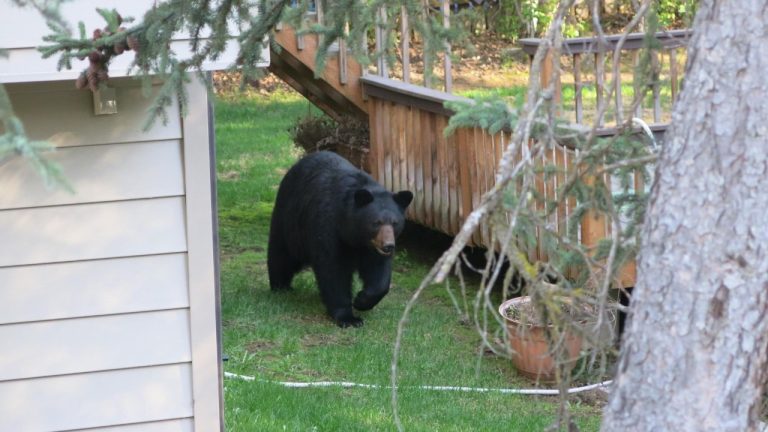
In Florida, the fight over a proposed black bear season shows how far hunting advocates are willing to go to shield state-managed hunts from activist lawsuits. State wildlife officials have argued that a planned Dec 6 to 18 hunt, which would allow the killing of 172 bears, is a conservative step that will help manage the population and reduce conflicts in fast growing suburbs. Animal welfare groups have challenged the plan in court, claiming the agency has not justified the need for a hunt and that nonlethal tools should come first, turning a technical management decision into a high profile legal battle.
Hunting advocates have responded by invoking the state’s founding document. A group backing a 2024 hunting and fishing rights amendment has told a Florida court that the Florida Constitution compels the state to move forward with the bear hunt, arguing that voters intended to protect regulated hunting from what they describe as activist claims that seek to end hunting altogether. That argument echoes earlier litigation in other states, where bear hunt opponents secured temporary stays only to see seasons resume after courts lifted those orders, as happened when a Bear hunt was allowed to go forward once a stay was removed, underscoring how constitutional language and judicial timing can decide whether a season opens on schedule.
Economic clout, funding gaps and the decline of hunters
Behind these legal and political fights lies a quieter but equally important trend: the shrinking number of Americans who hunt. Recent data from the U.S. Fish and Wildlife Service show that between 2016 and 2022, the number of licensed hunters fell by about 10 percent, a decline that one analysis warns is contributing to overgrazed forests and vanishing funding for wildlife agencies that depend on license and equipment revenues. That erosion of the traditional funding base has left agencies more vulnerable when activists challenge hunts, because there are fewer license buyers to defend the system and less money to pay for habitat work that could ease conflicts.
Hunting and fishing groups have long argued that their economic clout should give them a strong voice in land and wildlife policy. As far back as Jun, national organizations were pointing to the spending power of hunters and anglers as a reason Western governors should petition the federal government for control over roadless areas, arguing that their members’ dollars support rural economies in states like Colorado and Wyoming. Yet even that clout has limits when sales slump; during the COVID pandemic, senior lawmakers worried that efforts to reduce the spread of COVID could have an unintended impact on conservation funding as license and tag sales dipped, prompting warnings from state departments of fish and game that their budgets were under strain.
Courts, Congress and the future of state control
As activist campaigns grow more sophisticated, the courtroom has become as important as the commission hearing room. Conservation groups have repeatedly sought emergency orders to block controversial seasons, including requests for preliminary injunctions aimed at stopping hunting and trapping seasons that fall before judges can rule on the underlying Endangered Species Act claims. In response, Some members of Congress have pushed to shift more authority back to states, arguing that They should have more control over the management of endangered species within their borders, while defenders of the current law counter that federal oversight is the only reason some species have been kept from the brink of extinction.
State level advocates are also reframing the debate in political terms. In Jan, longtime hunting spokesman Dan Gates warned that the fight facing hunters, trappers and science based wildlife management is intensifying, and he urged supporters to stay engaged because he believes wildlife management depends on it. In Colorado, critics of Governor Polis have accused him of claiming to represent all Coloradans and sportsmen while allowing a Simple Majo of urban voters to dictate predator policy over the objections of local ranchers and rural neighbors, a charge that reflects broader rural resentment of statewide ballot measures. As these pressures mount, wildlife managers who are trained to set seasons by weighing long term projections and breeding success now find themselves navigating constitutional amendments, federal delisting fights and activist lawsuits, even as They still have to know a population’s size, health and trends before they can responsibly open or close a hunt.

Leo’s been tracking game and tuning gear since he could stand upright. He’s sharp, driven, and knows how to keep things running when conditions turn.