7 Bear Tracks and Signs You Can Spot in the Wild
Reading bear sign is one of the most useful backcountry skills I know. Tracks, scat, and behavior all tell you when you are sharing the woods with a big predator, and that knowledge shapes every decision you make. Here are seven real-world bear tracks and signs you can spot in the wild, and what they mean for your safety when you roll into camp or step onto a trail.
1. Two Young Grizzlies in Whistlers Campground
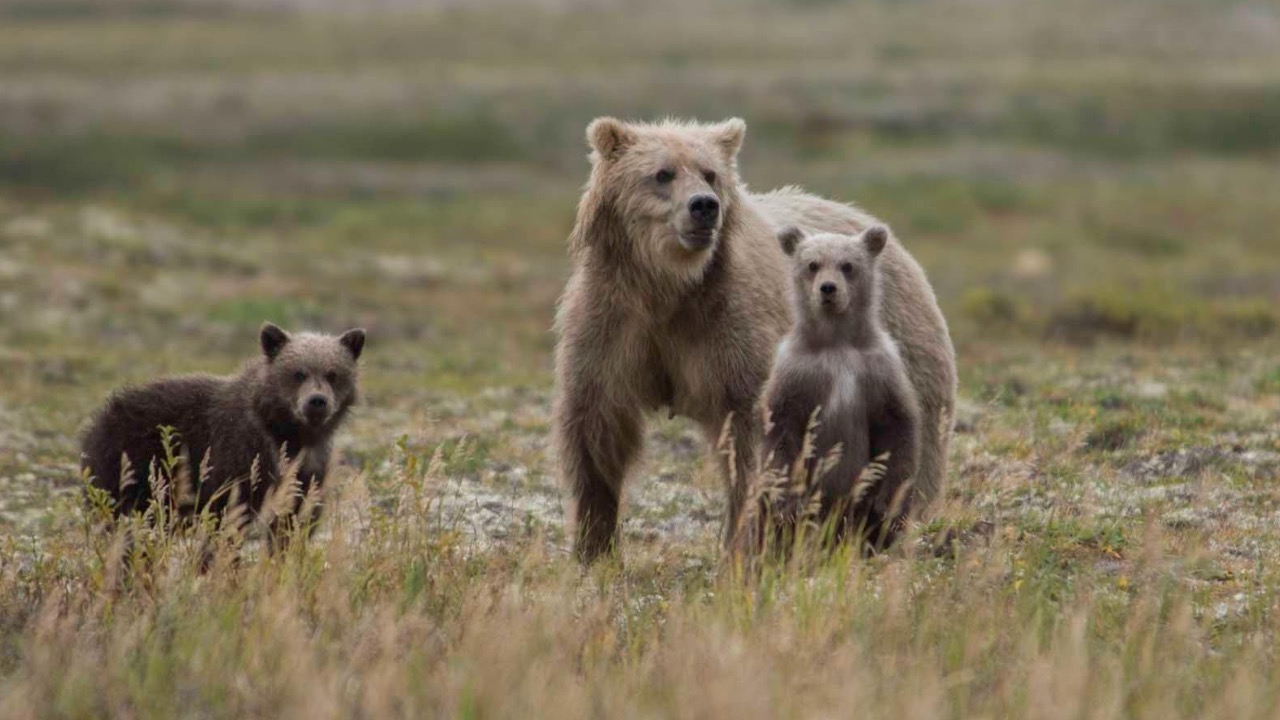
Two young grizzlies moving through Whistlers Campground are the clearest sign you are in active bear country. In one widely shared account, two young grizzlies wandered among occupied sites, reminding everyone that a picnic table or RV pad does not create a safe bubble. When bears are comfortable inside a developed campground, every cooler, fire ring, and game trail around you becomes part of their travel corridor.
On the ground, I look for packed-down paths between sites, fresh tracks in the dust, and overturned rocks where bears have been feeding. Those are subtle but serious warnings that your tent is sitting in the middle of a feeding route. For campers, the stakes are simple: if you ignore those signs and leave food or garbage out, you are training young grizzlies to associate people with calories, which usually ends badly for the bear.
2. “Bear” Witness to Strength and Power
To “bear” witness to the strength and power of these large animals is to see what they can do to the landscape in seconds. The same Whistlers Campground report described how observers could bear witness to two grizzlies effortlessly moving through the area. That kind of close look at real behavior is a sign in itself, because it shows how quickly a bear can close distance, flip heavy logs, or shred a stump for insects.
When I find fresh diggings, snapped saplings, or a log peeled apart like wet cardboard, I read those as proof of that strength. They tell me a bear has the power to break into a poorly latched trailer or rip through a thin tent wall if it is rewarded with food. Understanding that capability changes how seriously You secure your camp and how much space you give any bear you see.
3. Running into Bears Anywhere in Jasper National Park
Running into a bear anywhere in Jasper National Park is not a figure of speech, it is a management reality. Officials warn that can run into in these Mountain parks, and the Whistlers sightings underline that point. The same message is echoed in the campground report, which notes that You can encounter bears on busy trails or in the remote backcountry, with no clear “safe zone” around town.
For hikers, that means every valley bottom, ridge, and lakeshore in Jasper deserves the same level of attention to wind, noise, and visibility. I treat berry patches, creek crossings, and dense willow as high-probability encounter zones, scanning for tracks and scat before I commit. The broader trend is clear: as people spread across more terrain, the line between “bear habitat” and “recreation area” disappears, so your awareness has to stay high everywhere.
4. Bears on Busy Trails Close to Town
Bears on a busy trail close to town are one of the most overlooked signs that human traffic does not push wildlife away. The Whistlers account spells it out, noting that You can meet a bear on a busy trail right near services. When I see that kind of pattern, I start watching for Other clues like downed or rotten logs that look scraped out and large plop-shaped scat right beside the tread.
Those markings tell you a bear is comfortable feeding and traveling in the same corridor where families walk dogs and kids ride bikes. The stakes are high for local communities, because one surprise encounter near town can trigger closures or lethal control. Reading those signs early gives you a chance to change your timing, make more noise, and keep conflicts from escalating.
5. Bears in the Remote Backcountry
Bears in the remote backcountry leave a different style of calling card. The same Jasper report stresses that You can meet bears in the remote backcountry, far from roads or campgrounds. In those places, I rely heavily on tracks in mud or snow, clawed trees, and old scat to map out where bears are traveling, much like biologists use DNA from scat to track caribou in isolated terrain.
Fresh bear tracks are a key warning, especially in morning light when prints are crisp. Guidance on Fresh Tracks notes that Black and grizzly bears have very different footprints, and learning that difference tells you what kind of animal you are dealing with. For hunters and backpackers, that information shapes everything from where you glass to how you hang food and pick a campsite.
6. Careful Camping in Bear Country
Careful camping in bear country turns all those signs into a checklist for how you set up and live in camp. Detailed advice on careful camping stresses that food, garbage, and cooking gear must be stored away from sleeping areas, whether you are in a tent or an RV. I add one more rule: before I unpack, I walk the perimeter looking for tracks, scat, or torn-up logs that would tell me a bear already uses that spot.
That quick scan can keep You from pitching a tent right on top of a travel route or feeding site. When campers ignore those clues, bears learn that coolers and camp chairs mean easy calories, which can lead to property damage and eventually to bears being removed. The more people follow these basic steps, the less pressure there is on wildlife managers to close areas or destroy problem animals.
7. What You Need to Know for Bear Safety
What You need to know for bear safety starts with recognizing sign and ends with how you respond when you see it. One practical guide explains that should also learn to recognize bear tracks and markings so you can tell if any have been near your camp or trail. I pair that with the broader reminder that You can run into a bear anywhere in Mountain parks, so the skill matters on every outing.
Beyond tracks and scat, I pay attention to clawed trees, dug-out anthills, and overturned logs as early warnings. Facilities like Fortress of the in Sitka use raised viewing platforms and talks to show visitors exactly how brown and black bears move and feed, which helps people recognize those patterns later in the wild. The more You understand those signs, the better your odds of avoiding a close encounter and keeping both people and bears safe.

Asher was raised in the woods and on the water, and it shows. He’s logged more hours behind a rifle and under a heavy pack than most men twice his age.