8 Firearms that vanished from the market before people realized their value
Some guns leave the catalog quietly, then come roaring back in price once shooters and collectors realize what slipped away. The eight firearms below were taken for granted when they were new or plentiful, only to become serious money once production stopped and the market woke up to their history and performance.
1. The Colt Python Revolver
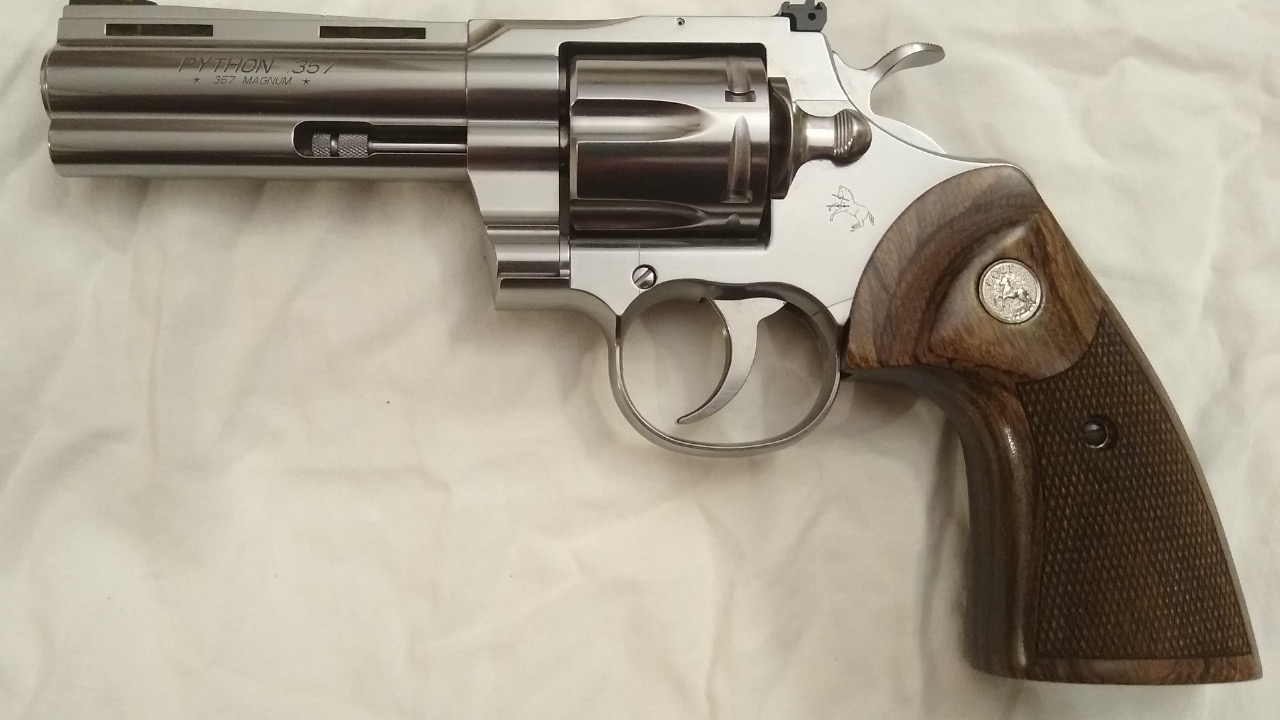
The Colt Python left regular production in 2005 after 52 years on the line, and for a while many shooters shrugged and moved on to cheaper double-actions. According to a 2021 Guns.com report, that changed fast when scarcity set in and pristine Pythons started clearing $3,000 by 2020, especially for early, high-polish examples that had sat in safes.
Colt eventually brought the Python back in 2020, and coverage of the reintroduction noted how strong the original’s following had become, with The Python now treated as a flagship rather than a catalog filler. For anyone who passed on them at retail prices, the lesson was clear, classic double-actions can vanish overnight and come back as blue-chip collectibles.
2. The Winchester Model 1873 Lever-Action Rifle
The Winchester Model 1873 ended mass production in 1923, even though it had already earned the “Gun that Won the West” reputation. For decades after World War II, it was common enough that few buyers thought about long-term value, and many original carbines were worked hard on ranches or cut down without a second thought.
By the 1970s, that casual attitude was gone. Antique dealers were reporting original “Trapper” variants of the Model 1873 bringing $5,000 or more, especially with honest finish and correct short barrels. The gun’s late surge showed how quickly a once-ordinary working rifle can shift into museum territory once supply dries up and Western history heats up.
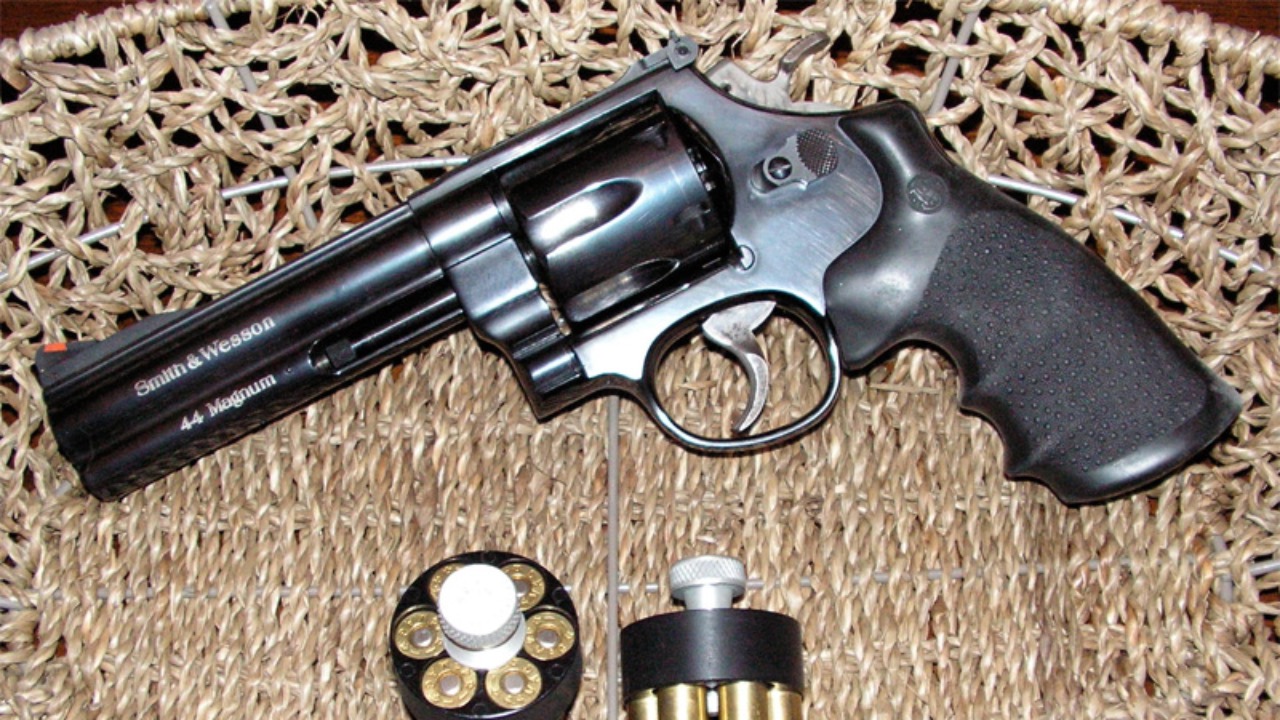
3. The Smith & Wesson Model 29 .44 Magnum
The Smith & Wesson Model 29 .44 Magnum rode a wave of Dirty Harry fame in the 1970s, but standard production still wound down in 1999 when demand softened and lighter carry guns took over. For a while, used Model 29s sat in cases as big, heavy revolvers that most shooters thought they did not really need.
By 2015, that attitude had flipped, with a Forbes report noting auction prices around $2,500 for clean Model 29s tied to the movie era. Hollywood cachet turned what had been a slow seller into a pop-culture artifact, and it reminded buyers that screen history can matter as much as ballistics when a discontinued gun hits the block.
4. The German Luger P08 Pistol
The German Luger P08 was phased out by 1945 after heavy Nazi wartime use, and for years after the war, U.S. importers largely ignored the piles of surplus pistols. Many shooters saw them as outdated curios compared with newer service pistols, even as some ex-Nazi stocks kept working in East Germany with the Volkspolizei.
Once the 1960s militaria boom hit, matching-numbered P08 sets suddenly became hot property, with values around $1,500 for complete rigs. Collectors realized those overlooked Weimar-era imports carried two world wars of history. The Luger’s rise showed how political symbolism and provenance can transform a surplus sidearm into a centerpiece.
5. The Mauser C96 “Broomhandle” Semi-Automatic Pistol
Mauser wrapped up production of the C96 “Broomhandle” in 1937, and by the 1950s the market was awash in cheap Spanish copies that dulled interest in original pistols. Many shooters saw the long-gripped C96 as an obsolete oddity, especially once more compact military pistols and commercial designs took over.
According to a 2022 Forgotten Weapons transcript, that perception shifted by 1980, when original 1896-marked guns were bringing about $4,000. The video stressed how the C96 had been a pioneering semi-automatic, yet its status was ignored until the clones dried up. Once collectors focused on early production details, the price gap between originals and copies exploded.
6. The Colt Single Action Army “Peacemaker” Revolver
Colt stopped continuous production of the Single Action Army, the Peacemaker, in 1941, and wartime priorities pushed it aside. When the company resumed in 1956, the focus was on new runs that effectively acted as replicas, while many pre-war originals had already been reblued, refinished, or simply shot to pieces on ranches and in holsters.
A True West Magazine profile reported that by 1970, untouched pre-war Peacemakers were bringing around $10,000, helped along by Western film revivals that put the gun back on screen. The spike showed how quickly original frontier-era examples can separate from later production once Hollywood and history line up behind a discontinued model.
7. The Remington Model 8 Semi-Automatic Rifle
Remington’s Model 8 semi-automatic rifle left production in 1936 after about 18 years, even though it was one of the first successful commercial autoloaders. Designed by John Browning, it started life as the Remington Autoloading Rifle and was built by Remington Arms to handle serious hunting cartridges.
Enthusiasts later highlighted how the Remington Model reliably cycled powerful center-fire rounds, yet many hunters had moved on to newer designs. A 2010 Blue Book entry noted low serial numbers under 10,000 bringing about $3,500 by 2005. That jump rewarded buyers who recognized John Browning and early autoloaders before the broader market caught up.
8. The Savage Model 99 Lever-Action Rifle
The Savage Model 99 wrapped up production in 1998 after roughly a century of service, even though its rotary magazine and pointed-bullet capability gave it better ballistics than many tube-fed lever guns. By the mid-20th century, though, bolt-actions had taken over the deer woods, and the 99 slipped into the background as an old family rifle.
A Field & Stream retrospective later pointed out that 1920s takedown versions of the Model 99 were hitting about $2,000 at auction by 2012. Once shooters realized how far ahead of its time the design really was, those early, packable rifles stopped being bargain-rack sleepers and started anchoring serious collections.

Asher was raised in the woods and on the water, and it shows. He’s logged more hours behind a rifle and under a heavy pack than most men twice his age.