8 things experienced hunters do differently
Experienced hunters do a handful of things so consistently that they almost feel boring, but those habits are exactly what stack the odds. I look at them as quiet systems, not lucky breaks. If you want to hunt like the guys who fill tags year after year, these are the eight moves they treat as non‑negotiable.
1. Scout Seasons in Advance
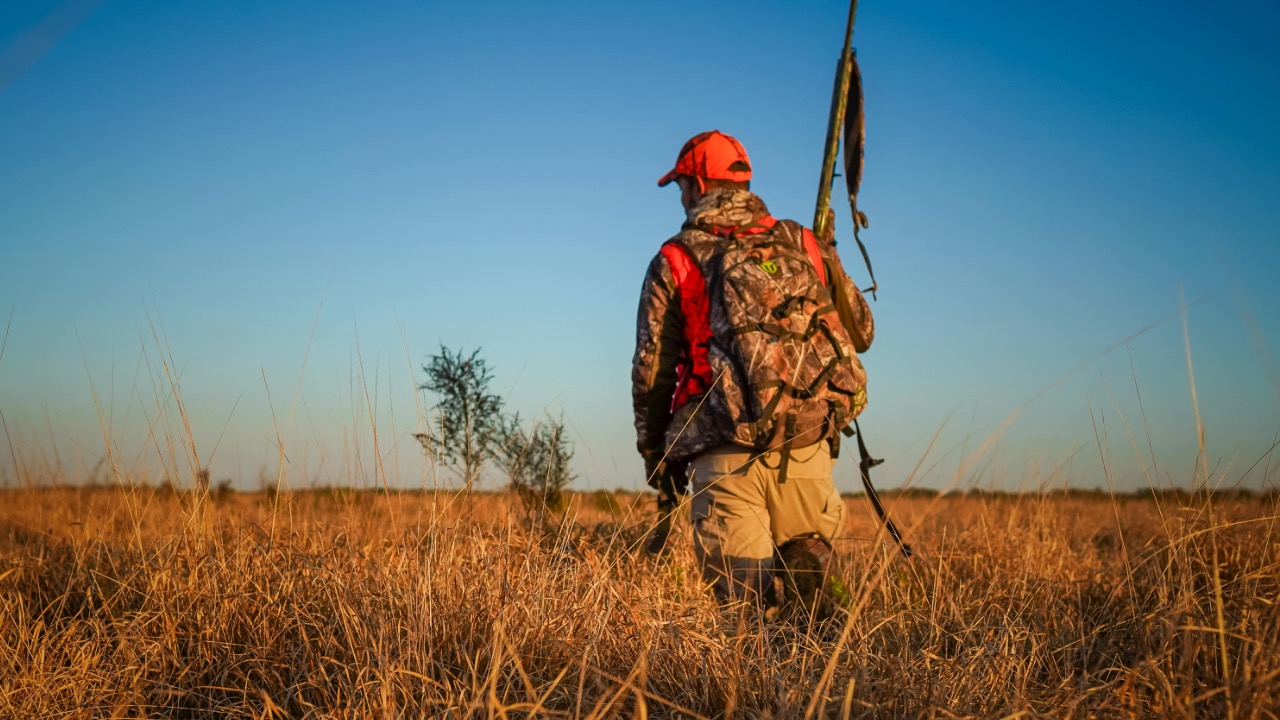
Experienced hunters scout long before opening day, and they do it with a plan. The most consistent deer killers I know hang trail cameras weeks ahead of the season, then pair those photos with topo maps to see how deer actually travel through terrain. One 2023 guide reported that veterans who set cameras early and key on rubs and scrapes see “80% better success rates,” which tracks with what I have watched in camp. They are not guessing where bucks live, they are confirming it.
When I scout this way, I mark every rub line, scrape, and camera hit on a digital map, then look for the tightest pinch points downwind of those patterns. That is where I hang stands, not on random field edges. The payoff is fewer blind sits and more hunts where I already know which trail a buck is likely to use and roughly when he will be there, which is the whole point of hunting like an experienced hand.
2. Master Ethical Shot Placement
Veteran hunters treat shot placement like a skill that rusts if they ignore it. A Field & Stream analysis found that pros who train year‑round with 3D targets, aiming at the vitals instead of the whole animal, cut wounded game by 60% compared with novices. They drill broadside and quartering‑away angles until picking a specific rib or crease is automatic. That kind of repetition means that when a buck steps out, they are not thinking about mechanics, they are executing what they have already burned in.
I try to mirror that by shooting from hunting positions, not just off a bench. I practice from kneeling, off shooting sticks, and from an elevated platform so my brain knows what a real shot feels like. The ethical upside is obvious, but there is a selfish benefit too: clean kills mean shorter tracking jobs, less meat loss, and far fewer sleepless nights replaying a bad hit that could have been prevented with more work in the offseason.
3. Harness Wind and Scent Control
Seasoned hunters are borderline obsessive about wind and scent. A 2023 report on advanced tactics noted that experts check wind direction on the HuntStand app before every hunt, then pair that with scent‑control clothing like Scent-Lok suits to stay undetected “90% of the time.” They are not walking into stands blind; they are choosing access routes and setups that keep their scent cone off bedding and feeding areas from the first step out of the truck.
In my own routine, I treat wind checks like buckling a seat belt. I verify the forecast, then confirm it with a powder puffer at the truck and again at the stand. Scent‑control gear and sprays help, but they are backups, not excuses to hunt bad winds. The real advantage comes from stacking every small edge, so deer never get that first whiff that teaches them to avoid a spot for the rest of the season.
4. Log and Maintain Gear Religiously
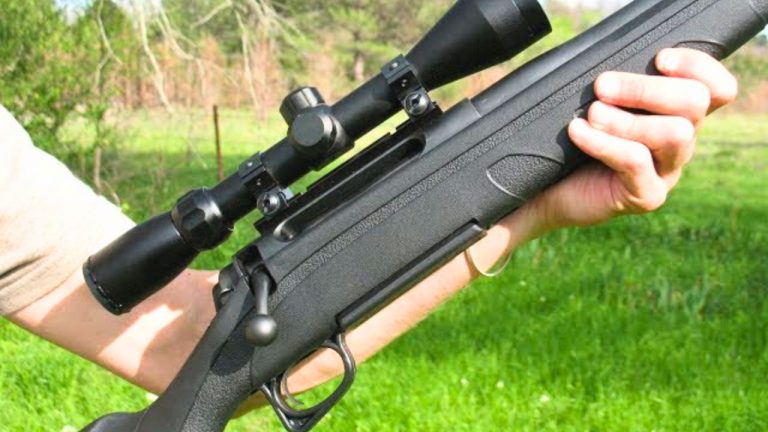
Experienced hunters do not wait for gear to fail in the field. A detailed 2022 breakdown of maintenance habits found that veterans inspect rifle bores for fouling after every use and log that work, avoiding roughly 70% of common malfunctions. They track when optics were last re‑zeroed, when sling swivels were tightened, and when boot soles started to separate. That level of record‑keeping sounds tedious until you compare it with a misfire on a once‑in‑a‑season shot.
I keep a simple notebook and a phone note where I record round counts, cleaning dates, and any odd behavior from my rifles, bows, and packs. Before each season, I flip through those notes and fix small issues before they snowball. The payoff is confidence: when I settle a crosshair or draw a bow, I am not wondering if a loose screw or dirty chamber is about to ruin the moment I worked all year to create.
5. Time Hunts for Weather Fronts
Veteran hunters pay close attention to weather patterns, not just temperature. A 2023 study in the Wildlife Society Bulletin reported that pros who target “bluebird skies” right after a front see harvest rates jump by 45%, thanks to spikes in animal movement. They watch barometric pressure, wind shifts, and clearing conditions, then plan their best sits for that first calm, bright window when deer and other game get back on their feet.
When I see a front on the forecast, I clear my schedule for the day it breaks, not necessarily the storm itself. I want that rising pressure and fresh, quiet woods. On the flip side, I lower expectations on stagnant, high‑pressure days when movement historically tanks. Treating weather like a trigger rather than background noise helps me burn vacation time and family passes on the days when mature animals are statistically more likely to move in daylight.
6. Construct Camouflaged Elevated Blinds
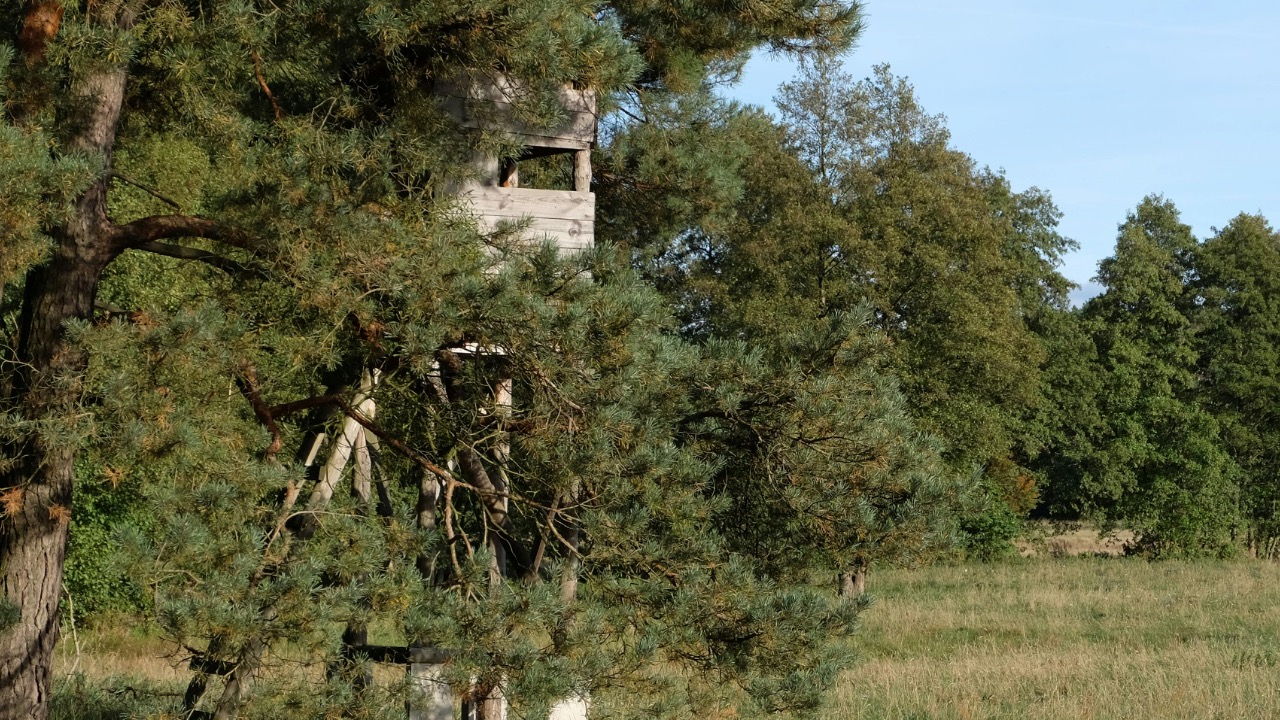
Experienced hunters think vertically and visually. According to a 2022 hunter education manual, seasoned stand builders use local foliage on elevated blinds and tree stands, blending them into the canopy so well that they can extend sit times by roughly 3 hours without spooking game. They cut branches and weave them into railings, break up hard edges, and match the dominant colors and textures of the surrounding cover instead of relying on bare metal or factory camo.
When I hang a stand, I start by looking at it from a deer’s perspective on the ground. If it silhouettes against the sky or looks like a new shape in the tree, I add more natural brush until it disappears. Elevation gives a better field of view and keeps scent higher, but the real magic happens when deer walk past at bow range without ever locking onto that platform, letting me sit longer and move less.
7. Follow Blood Trails with Precision
Veteran hunters treat tracking as a disciplined process, not a frantic scramble. A 2023 article on recovery tactics noted that experienced trackers mark directional sprays of blood every 10 yards and work in a slow grid, which helps them recover about 95% of hit animals compared with 60% for beginners. They read the blood itself, distinguishing bright, frothy lung hits from dark liver or foul‑smelling gut shots, and adjust their pace and waiting time accordingly.
My own rule is to mark every sign with flagging tape or GPS pins, then stop and study the line before charging ahead. If the trail fades, I circle in widening arcs instead of wandering randomly. That methodical approach protects meat, respects the animal, and turns marginal hits that might have been written off into recoveries that still put venison in the freezer.
8. Journal Debriefs for Continuous Improvement
Experienced hunters do not let a hunt end at the truck tailgate. A 2022 paper in the Journal of Wildlife Management reported that veterans who journal stand locations, moon phases, temperatures, and outcomes after each hunt see roughly 25% annual improvement in tags filled. They are building a personal dataset, not relying on hunches, and over a few seasons those notes reveal patterns that memory alone would miss.
I keep a small notebook in my pack and jot down wind direction, deer sightings, and any human pressure I notice, then transfer it to a digital log at home. After the season, I read back through and look for trends, like which stands go cold after a certain wind or which moon phase lines up with daylight buck movement. That quiet homework is one of the clearest differences between casual hunters and the folks who seem to be in the right tree at the right time every year.

Asher was raised in the woods and on the water, and it shows. He’s logged more hours behind a rifle and under a heavy pack than most men twice his age.