Knives that disappoint after the first hard season
A knife doesn’t show its true colors until you’ve field-dressed a few animals, sliced through cold hide, or worked in weather that stiffens everything you touch. Plenty of blades look sharp and dependable when they’re new. They ride well on your belt, feel good in the hand, and cut beautifully during the first few outings. But one hard season—one real season—exposes weaknesses that never show up during backyard practice.
Some steels lose their edge too fast. Some handles swell or crack when exposed to blood, moisture, or freezing mornings. Others rust sooner than you’d ever expect from a modern hunting knife. Hunters often defend these blades early on, but once that first rough season hits, the letdowns become impossible to ignore.
Buck 110 Folding Hunter (Base Stainless Version)
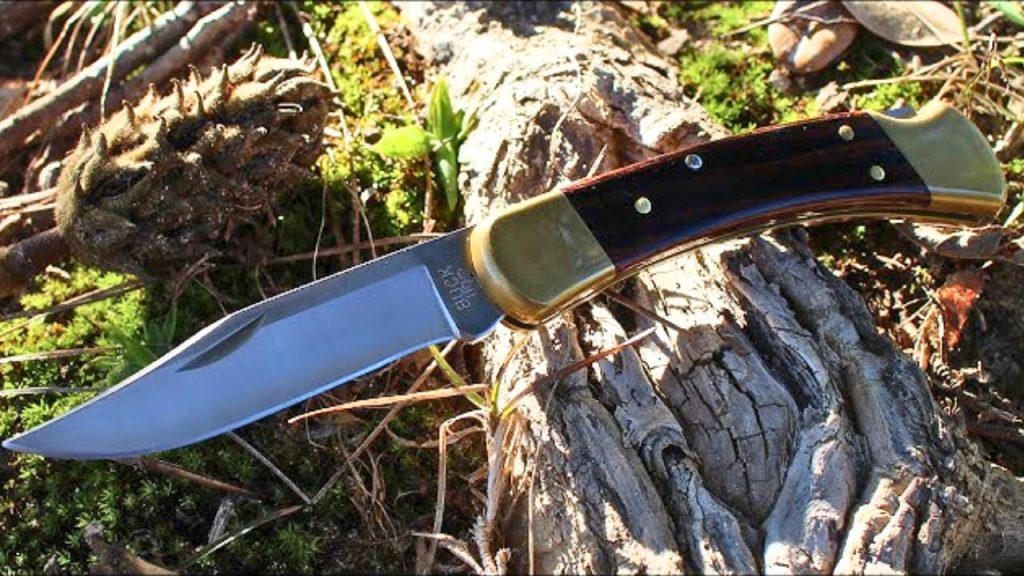
The Buck 110 is a classic, and many hunters still carry it with pride. But the base stainless version often disappoints once you put it through sustained field work. The softer steel dulls quickly when cutting cartilage or hide, forcing you to stop and sharpen more than you’d like. Over a long season, that constant maintenance wears thin.
The lockback design remains sturdy, but cleaning the pivot after a messy field-dress becomes a chore. Blood and fat collect deep in the hinges, and without immediate attention, the knife stiffens fast. It’s still iconic, but the base model doesn’t always hold up for hunters who push their gear hard.
Gerber Gator (Standard Version)
The Gerber Gator’s rubber grip feels excellent in warm weather, but once you work in cold, wet conditions, the handle starts to show its limits. The material becomes slick when covered in blood or fat, and gripping it securely takes more effort than it should. That affects your control during delicate cuts.
The steel used in many standard versions also loses its bite after the first serious season. You’ll find yourself reworking the edge repeatedly, and the blade doesn’t always respond well. For light work, it’s fine—but once subjected to heavy deer or hog processing, weaknesses become obvious.
Buck PakLite Series (420HC Versions)
The PakLite knives attract hunters who like minimal gear. But in real field use, the exposed metal grip becomes tiring during extended work. Once your hands are cold or wet, the lack of handle material forces awkward pressure, making the knife harder to control when precision matters.
The 420HC steel dulls faster than most hunters expect, especially on bone or thick hide. You’ll spend more time touching up the edge than actually using it. For a backup blade the PakLite works, but as a primary hunting knife, it rarely survives a hard season without showing its limitations.
Havalon Piranta (Standard Blades)
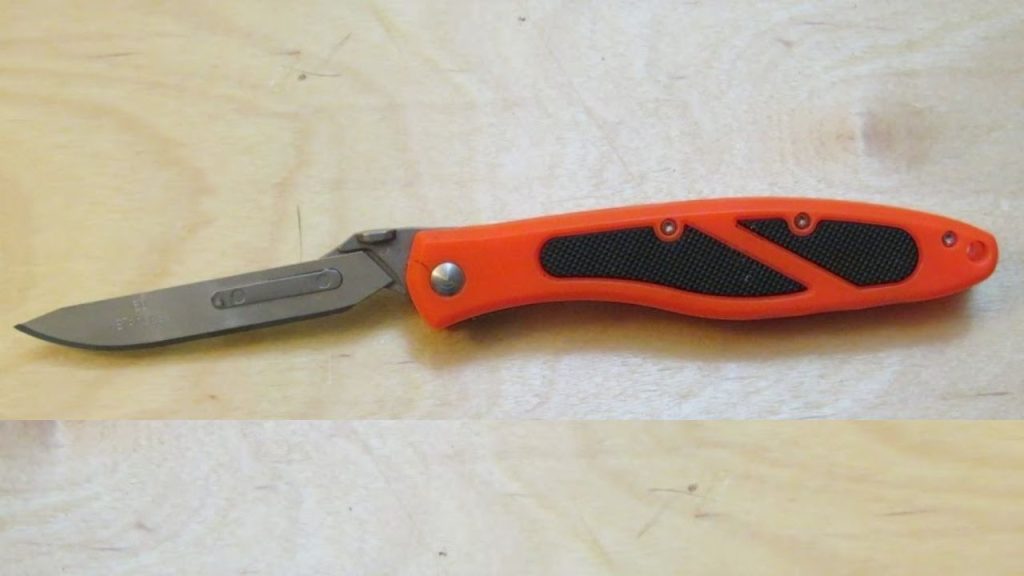
The Havalon Piranta feels like a dream for the first few animals you dress. The surgical blades cut effortlessly. But those same blades snap quickly when twisted or pressured, which happens constantly during real field work. After a season of using it in rough terrain, you realize the design punishes any mistake.
The constant blade changes also become a problem. Swapping blades with cold or bloody hands is far from ideal, and dropped blades disappear instantly in tall grass. It’s fantastic for clean, controlled processing, but a nightmare once conditions get messy or rushed.
Gerber Myth Fixed Blade
The Gerber Myth looks great out of the box, with a profile that feels ready for deer camp. But its soft stainless steel loses sharpness rapidly once you start hitting cartilage. After a few outings, the edge requires so much attention that it stops feeling like a dependable tool.
The rubberized handle, while comfortable at first, also wears down faster than expected. After a season of being stuffed into packs, bouncing around in trucks, or getting soaked during field work, the grip begins peeling or softening. It’s a knife that underperforms once real hunting weather arrives.
Old Timer Sharpfinger (Modern Versions)
The Sharpfinger design is legendary, but modern mass-produced versions often use lower-end stainless that doesn’t hold up to heavy work. After a season of dressing deer or hogs, the edge retention feels noticeably weak, and sharpening becomes frequent and frustrating.
The handle scales also loosen sooner than they should on some batches. The small screws or rivets loosen with temperature swings or moisture exposure. What should be a dependable classic ends up feeling fragile once the season gets demanding.
SOG Field Knife (Budget Line)
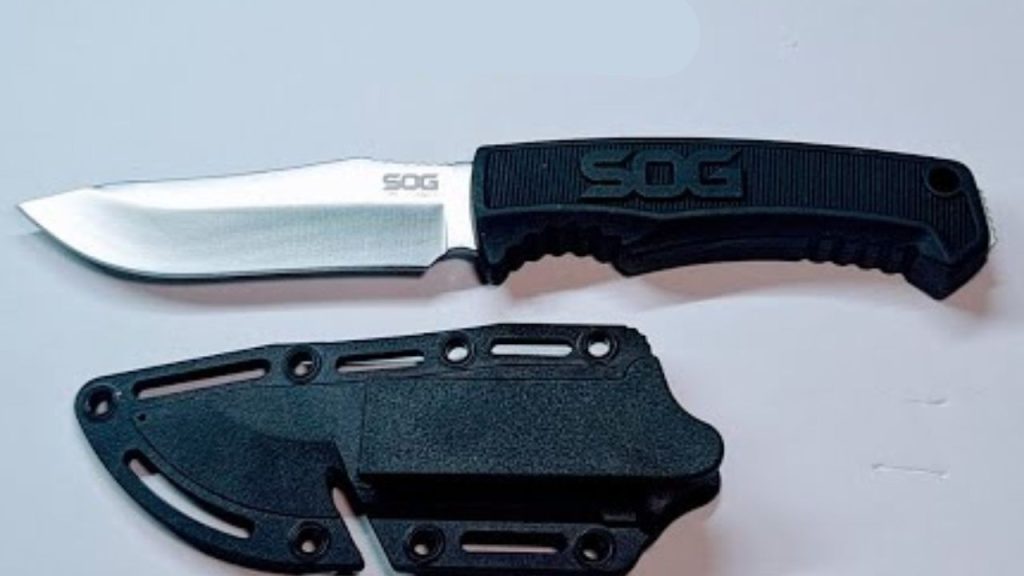
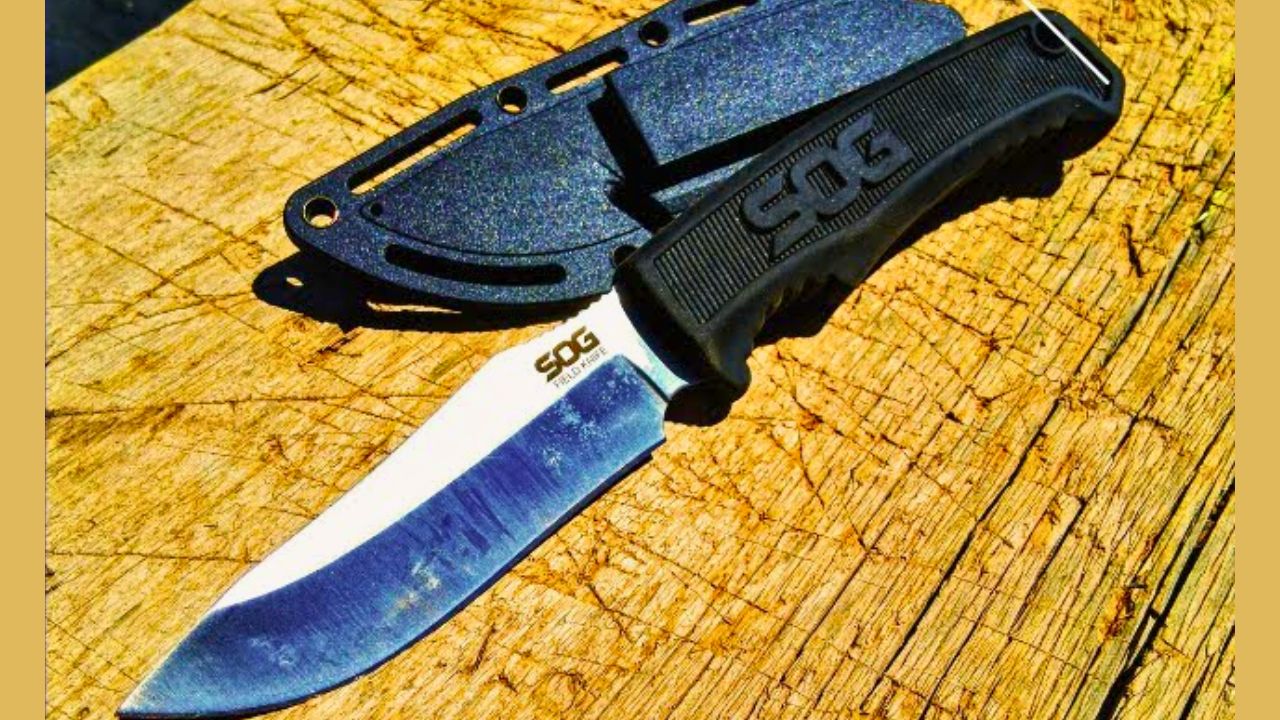
The budget-level SOG hunting knives attract attention because of their sleek looks. But the steel often struggles under real field pressure. You’ll feel the edge rolling after hitting ribs or heavy hide, and sharpening it back becomes a drawn-out process.
The handle ergonomics also become a drawback. They’re comfortable when clean, but quickly turn slippery once coated in blood or fat. After a hard season, most hunters find themselves switching to something more stable and dependable in hand.
Outdoor Edge SwingBlade (Early Versions)
The SwingBlade concept is clever, but early versions developed loosening pivot points after a season of real use. Once the hinge develops play, precision cutting becomes harder, and the knife starts feeling unsafe when applying force.
Edge retention is another weak point. Both blades dull faster than expected when processing multiple animals. Hunters often love the design at first, but by the end of a tough season, most return to more traditional fixed blades that stay sharp longer.
Buck Omni Hunter
The Omni Hunter looks like a sturdy, full-bellied field knife suitable for big game. But the softer Buck steel means you’ll lose sharpness far sooner than you want. After dressing one or two large animals, the blade begins dragging through tissue instead of gliding.
The large handle is comfortable but absorbs odor and moisture quickly. After a full season of hard use, the knife tends to smell, swell slightly, and require extensive scrubbing. It’s a knife that performs well early on but wears down quickly with repeated heavy work.
Columbia River Knife & Tool (CRKT) Mossback
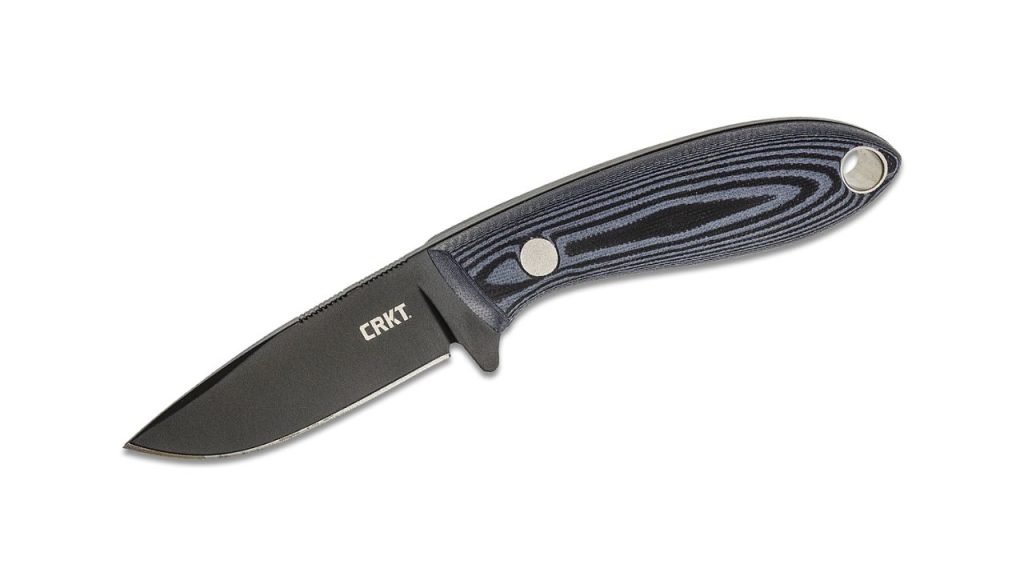
The Mossback series looks rugged on the shelf, but the coating scratches easily during real field work. Once scratched, moisture and blood creep under the finish and encourage rust. After a tough season, the blade often shows more cosmetic and functional wear than expected.
The steel sharpens easily but dulls at the same rate. That’s fine for casual outings, but during a long season, the edge struggles to keep up. Hunters often enjoy it at first but rarely stick with it for demanding big-game processing.
Schrade Frontier (Modern Chinese Production)
The Frontier knives seem durable and well-shaped, but modern versions use steels that don’t stand up well to bone or cartilage. The edge wears quickly, and you’ll often notice micro-chipping after tackling a quartering job or working through joints.
The synthetic handles also feel good early but develop looseness or gaps after temperature swings. Moisture intrusion becomes a concern, especially late in the season when freeze-thaw cycles show no mercy. It’s a knife many hunters want to like, but durability doesn’t match appearances.

Leo’s been tracking game and tuning gear since he could stand upright. He’s sharp, driven, and knows how to keep things running when conditions turn.