9 Endangered species you can support from home
Helping endangered animals does not always require a field trip or a plane ticket. From a laptop or phone, I can support species on the brink, from condors to hawksbill turtles, by backing science projects, smart donations and simple lifestyle changes. Here are nine concrete ways to stand up for wildlife from home while staying focused on real species that need help now.
1) California condor
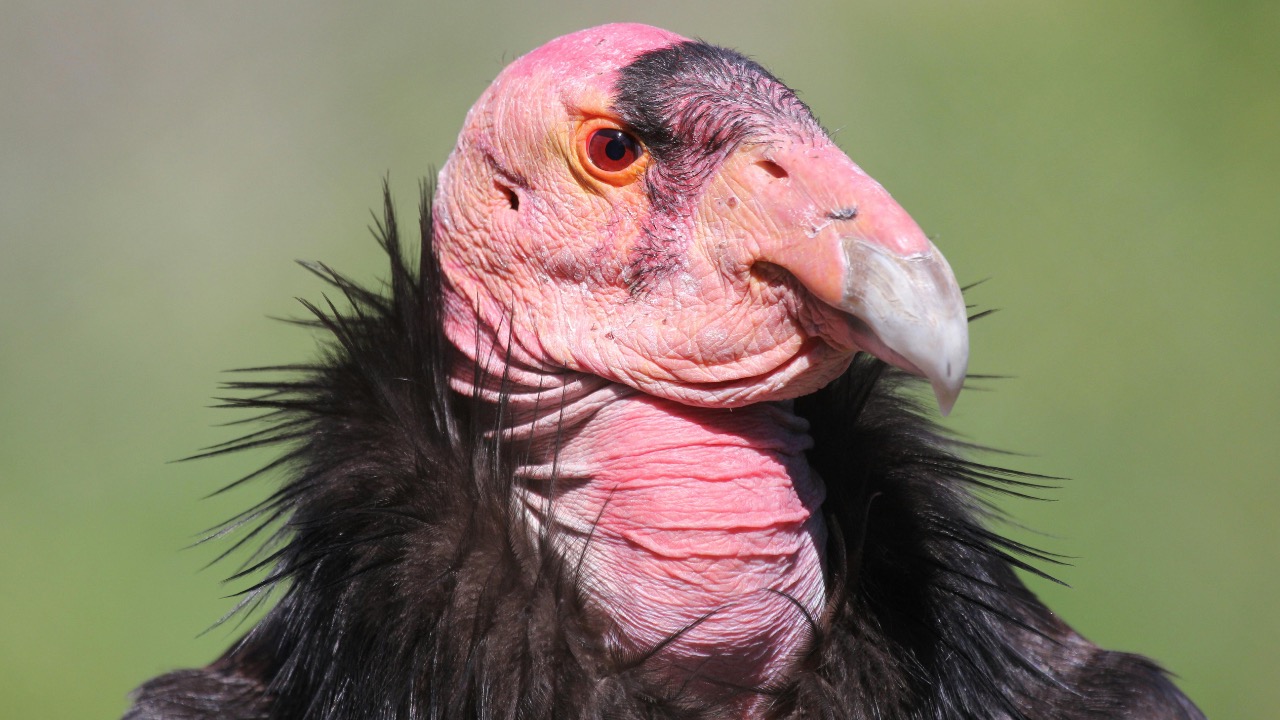
The California condor nearly vanished after lead poisoning from carcasses left in the wild, and When the California became endangered, biologists traced the problem to bullet fragments that can be lethal when ingested. From home, I can back groups that fund lead-free ammunition programs and support carcass removal in condor areas. These steps cut the poison at its source and give each released bird a better chance to survive.
Online petitions that push for non-lead hunting rules in condor habitat also matter, because policy shifts can protect every bird at once. When I share clear information about lead risks with hunters and outdoor clubs, I help reduce resistance to change. For a species with a tiny population and slow breeding, every avoided poisoning event keeps years of conservation work from going to waste.
2) Black rhino
The black rhino is listed as critically endangered, and the question Why Are Black has a blunt answer, overhunting and habitat loss driven by farming and human settlement. From home, I can support anti-poaching patrols through monthly donations and choose products that do not drive land clearing in African savannas. Even small recurring gifts help pay ranger salaries, fuel and tracking gear that keep poachers away from rhino strongholds.
I can also use social media to push back against myths that fuel demand for rhino horn, sharing science-based posts that explain horn is just keratin, like hair and nails. When fewer buyers see horn as valuable, the price drops and poaching becomes less attractive. Supporting legal reforms and trade bans through online advocacy helps close loopholes that traffickers exploit, protecting rhinos and the communities that live beside them.
3) Orangutan
Orangutans live in “steamy peatland swamps,” and campaigns that invite people to Adopt an Orangutan show how forest loss and fires are wiping out their homes. From my desk, I can sponsor habitat protection and restoration, funding patrols that stop illegal logging and replant native trees. Virtual adoptions also support rescue centers that care for orphaned young, many of which lost mothers to forest clearing.
Another home-based step is to buy products with strong palm oil standards, since unsustainable plantations replace orangutan habitat. I can check labels and use shopping guides that highlight better brands. When I explain these choices to friends and family, I help shift demand toward companies that protect peatlands, which cuts carbon emissions and keeps entire forest communities, including orangutans, intact.
4) Hawksbill turtle
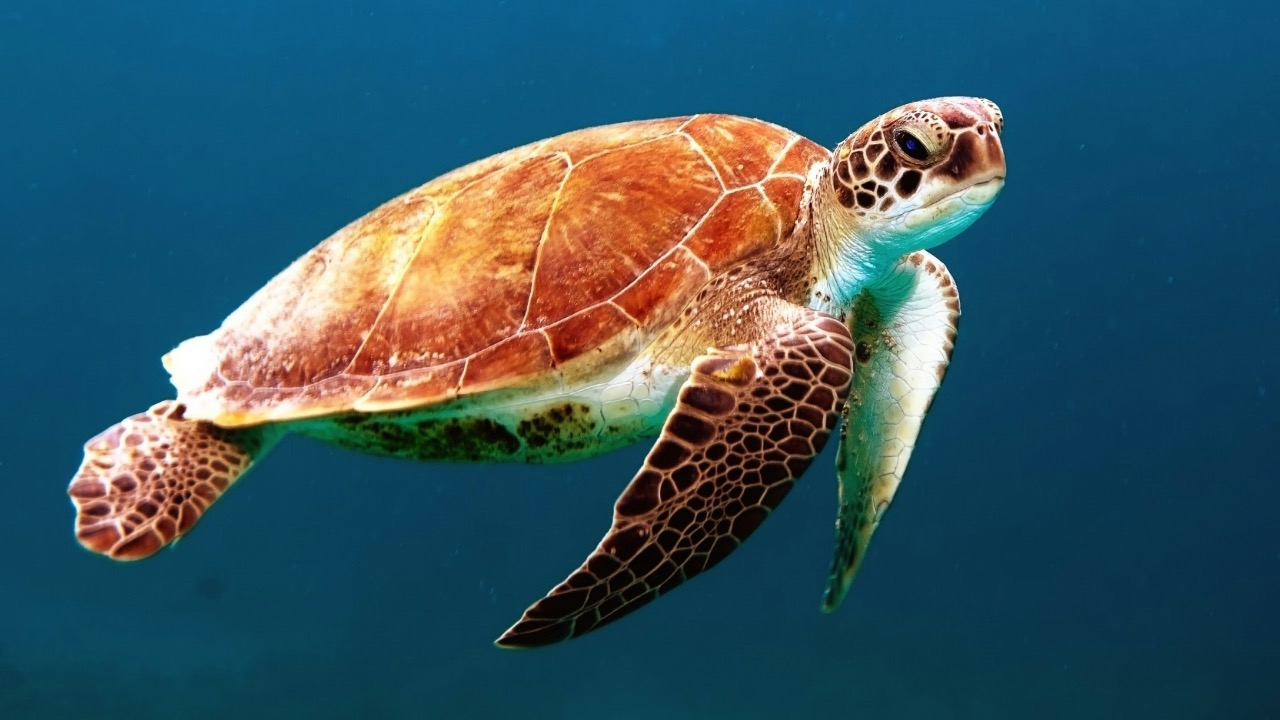
The hawksbill turtle, one of the seven sea turtle species, faces threats from illegal shell trade, fishing gear and coral reef loss, and conservation groups list it among flagship species that need urgent help. From home, I can fund beach patrols that guard nests, support projects that remove ghost nets and back reef restoration that rebuilds feeding grounds. These efforts give hatchlings a safer path to the sea and adults a chance to forage without deadly traps.
I can also cut my own plastic use, since stray bags and packaging often end up in turtle habitat. When I avoid single-use plastics and support bans through local advocacy, I reduce the waste that can be mistaken for food. Sharing sea turtle facts with coastal travelers encourages respectful behavior on nesting beaches, from dimming lights to keeping distance, which protects eggs and supports local eco-tourism jobs.
5) Florida panther
The Florida panther appears on lists of endangered species living in the state, where roads, development and habitat loss squeeze its range. From home, I can support land trusts that buy and protect corridors, allowing panthers to move between remaining forests. Donations also help fund wildlife crossings and fencing that reduce deadly car strikes, a major cause of deaths each year.
Online, I can back campaigns that push for better planning rules so new housing does not block key routes. When I share maps and data on panther movements, I help neighbors understand why open space matters. Supporting local rescue and monitoring programs through small recurring gifts strengthens the science that guides decisions about roads, hunting rules and land use, giving panthers a better shot at long-term recovery.
6) Loggerhead sea turtle
Loggerhead sea turtles share many threats with hawksbills, from fishing gear to coastal development, and they also appear in Threatened and Endangered lists for U.S. waters. From home, I can back groups that train fishers to use turtle excluder devices and change hook types, which sharply cut bycatch. Funding nest monitoring programs helps volunteers relocate eggs from unsafe spots and track hatch success, improving survival rates.
I can also support beach-friendly lighting rules by emailing local officials in coastal towns and signing online petitions. When lights are shielded or turned down, hatchlings are less likely to crawl inland by mistake. Sharing simple guides on how tourists can avoid nesting areas and keep beaches clean spreads responsibility across thousands of visitors, easing pressure on conservation staff and giving loggerheads more quiet sand to use.
7) Manatee
Manatees in Florida face boat strikes, cold snaps and loss of seagrass, and they are included among Vulnerable Animals that need more protection. From home, I can donate to rescue networks that respond when animals are hit or stranded, helping to fund boats, rehab pools and veterinary care. Supporting water quality campaigns also matters, because cleaner rivers and estuaries allow seagrass to regrow.
I can use social media to explain slow-speed zones and share maps of key manatee areas so boaters understand why rules exist. Online comments during public hearings can back stronger protections in busy waterways. When more people respect speed limits and avoid sensitive springs, manatees have safer feeding and resting sites, which supports eco-tourism businesses that rely on healthy, visible wildlife.
8) Florida bonneted bat
The Florida bonneted bat has one of the smallest ranges of any U.S. bat and appears among ways to help that stress habitat protection. From home, I can support groups that install bat boxes and protect roost trees in urban and suburban areas. Donations help fund acoustic surveys that map where these bats still live, guiding city planners away from key roosts.
I can also reduce pesticide use in my own yard and encourage neighbors to do the same, since bats eat insects and rely on healthy food webs. Online advocacy for dark-sky lighting helps keep night skies usable for echolocation. When communities see bats as allies that control pests, not pests themselves, it becomes easier to win support for roost protection and gentle building practices.
9) West Indian manatee (Caribbean range)
Outside Florida, the West Indian manatee also lives in Caribbean and Latin American waters, where boat traffic and habitat loss put it at risk. Citizen science projects show that many threatened species overlap with areas where volunteers collect data, and information and monitoring efforts can be guided from home. I can log manatee sightings on apps or support platforms that train local observers.
Virtual volunteering on biology projects, including those listed on citizen science hubs, lets me tag photos or review survey data that researchers use to track populations. When I combine this with online advocacy that pushes for seagrass protection and speed rules in Caribbean marinas, I help create safer bays for manatees and support coastal communities that depend on healthy marine ecosystems.

Asher was raised in the woods and on the water, and it shows. He’s logged more hours behind a rifle and under a heavy pack than most men twice his age.