Wild animals capable of serious harm before you can react
Steve Irwin’s fatal encounter with a stingray, a swimmer struck by a box jellyfish off Australia, a diver surprised by a stonefish on a reef: each case shows how a wild animal can cause catastrophic injury before a person has time to react. The most dangerous species are not always the biggest or the loudest, but the ones that combine speed, stealth, and powerful weapons that work in an instant. This piece looks at some of these animals, how they strike so fast, and what their behavior means for anyone who steps into their habitat.
From Crocodiles that launch out of murky rivers to a mantis shrimp that punches faster than a car airbag, these creatures rely on surprise and split‑second attacks. Their power comes from evolution, not malice, and understanding that mix of speed and biology is one of the best protections humans have when we share space with them.
Crocodiles: the ambush jaws that snap in a heartbeat
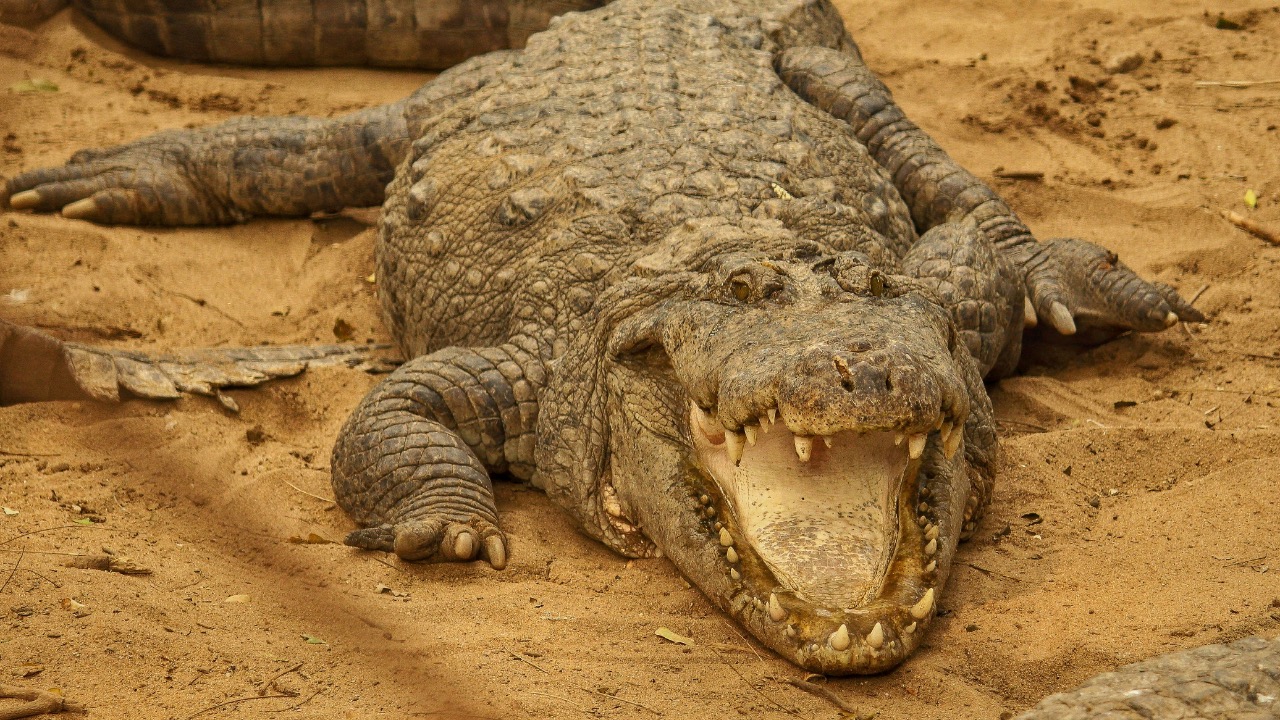
Crocodiles are built to attack before a victim even understands what is happening. They wait in silence at the edge of rivers and estuaries, bodies hidden, eyes and nostrils just above the surface. When prey comes close, Crocodiles use a short burst of speed to surge forward and clamp down with some of the strongest jaws of any living animal, and reports note that they can slam those jaws shut in less than 1/20th of a second, a time window too small for most people to move or pull away once the strike begins, which is why a single bite can decide the outcome of an encounter, as described in detail in a discussion of the Crocodile bite.
Their hunting style depends on patience and camouflage rather than long chases. Crocodiles are ambush predators, and they lie motionless in the water so that They look like logs or debris, letting fish, antelope, or people at a riverbank move closer before launching a swift and deadly attack that starts at close range and ends with the victim dragged under, a behavior described in detail in an analysis of how Crocodiles ambush prey.
Lions and big cats: sprinting killers that erase distance
Big cats turn short distances into no distance at all. When a lion or leopard commits to an attack, it uses explosive leg power and a low, driving run to cover ground in seconds, which means a person who is standing still or moving slowly has almost no time to respond once the charge begins. Reports on dangerous game describe how Lions, like leopards, are most dangerous because of their speed, and a 450-pound male lion can run 50 miles an hour for a short stretch, a combination of mass and pace that lets it close the gap and be on top of someone before they can even shout, as explained in accounts of how Lions attack quickly.
The danger lies not only in the charge but also in the way these cats target the neck and head to end a struggle fast. Hunters and wildlife rangers describe how a lion or tiger will often leap at the last moment, twist in the air, and clamp onto the throat of its target, a tactic that can crush the windpipe or sever major blood vessels in a matter of seconds. In some discussions of rapid animal kills, Mar is used as a label in a debate over which predator kills the quickest, and that same debate points out that Crocodile attacks and strikes from large cat carnivores often focus on the neck to kill almost instantaneously, a pattern that shows how both groups rely on surprise and precision to make sure the victim has no chance to fight back, as described in a comparison of Tigers or large.
Wild hogs: explosive charges from the brush
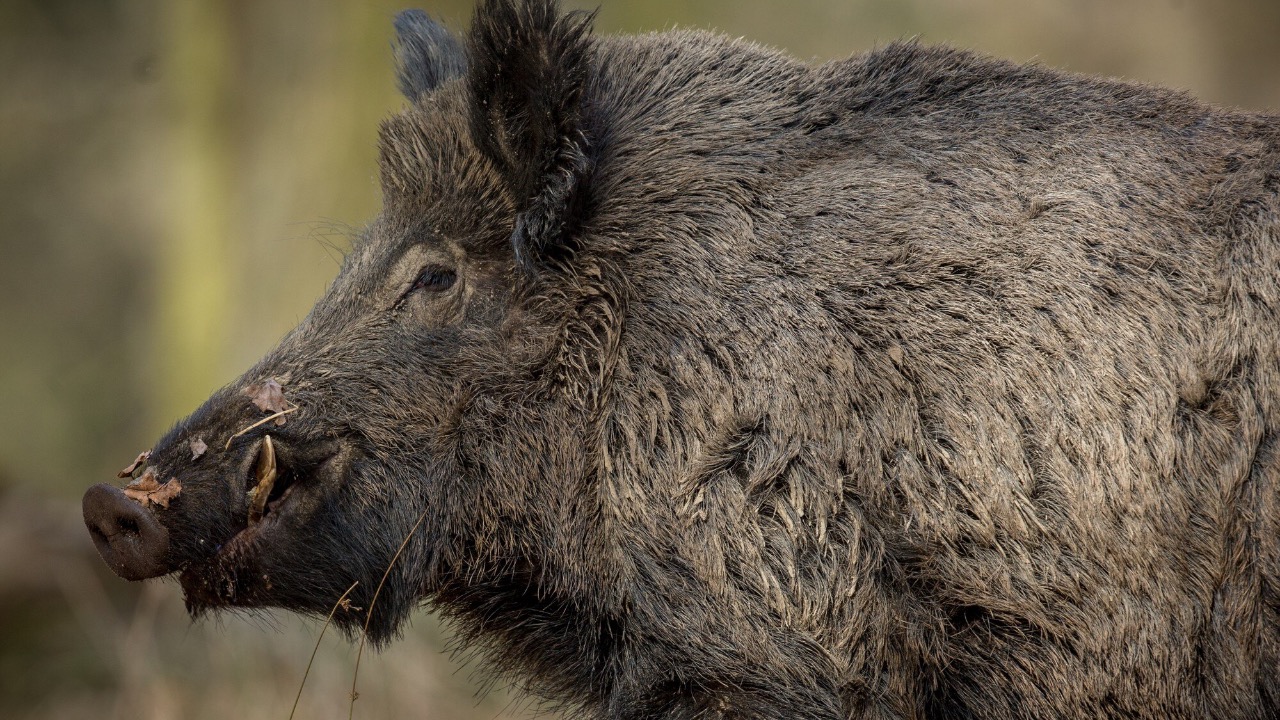
Wild hogs look slow and bulky from a distance, but at close range they can shift from calm to attack in a moment. Their bodies are low to the ground, with heavy shoulders and sharp tusks that work like knives when they slash upward at a target. Hunting instructors warn that Wild hogs are a very challenging species to hunt because they can change direction fast, run through thick cover, and turn on a person who gets too close, especially when a sow sees a threat to her litter, as explained in guidance written By Jared Braddock about how Wild hogs pose.
The speed of a hog’s charge makes reaction time a luxury many people do not have. A hunter or hiker might only hear a rustle in the brush before a dark shape bursts out at knee level, head low and tusks forward. They can pivot around trees, push through thorny plants, and keep coming even after taking a bullet or arrow, which is why safety courses stress staying alert, keeping a clear escape path, and avoiding any move that might look like a threat to their young, since They often respond to perceived danger with immediate aggression rather than warning displays, a pattern that turns a quiet moment in the woods into a medical emergency in seconds, as detailed in warnings that say They can become aggressive when they see a threat to their litter in the same analysis of Wild hog behavior.
Mantis shrimp: the fastest punch in the sea
On coral reefs, one of the most dangerous strikes does not come from a shark but from a small crustacean hiding in a burrow. The mantis shrimp uses a pair of raptorial limbs that snap forward with extreme speed, turning its punch into a shock wave that can crack shells, glass, and even bones. Social media clips describe how FOLLOW and ALONG are used as prompts to engage viewers with animal facts, and one viral breakdown explains that this mantis shrimp punch is so fast that it can damage prey even if it misses direct contact, which is why a short video of a mantis shrimp has become a reference point for the fastest strike in the animal world.
For divers and aquarium keepers, the risk lies in underestimating such a small animal. A hand placed near a burrow or inside a tank can be hit before the person even sees the limbs move, since the strike unfolds in less time than a camera frame. That speed is not just a party trick, it is a hunting tool that lets the mantis shrimp break open snails and crabs that would be safe from slower predators, and it shows how evolution can turn a simple limb into a weapon that acts almost like a bullet in water, a reminder that size does not always match the level of danger.
Stonefish and venomous fish: invisible threats underfoot
Many of the marine animals that can kill faster than a human can react do not chase at all, they wait. The stonefish is the most venomous fish known, and it spends much of its life Lying on the seabed, looking exactly like an encrusted rock while it waits for small fish to swim close enough to gulp down in a sudden suction strike, a hunting style that also puts any bare foot that steps on it in direct contact with its spines, as described in detail in profiles of the stonefish.
Venomous fish, including stonefish and related species, use specialized spines to inject toxins when something presses down on them. Medical reviews explain that to inject their venoms, venomous fish have stinging apparatus in the form of spines or barbs that deliver complex venoms through grooves or glands, and these venoms are largely a defensive ploy rather than a way to hunt, but the effect on a human can still be rapid paralysis, heart problems, or intense pain that leaves a swimmer unable to move, as detailed in research on venomous fish.
Box jellyfish: drifting killers in clear water
Box jellyfish are another example of a slow moving animal that can still kill faster than a person can react. Swimmers often do not see the nearly transparent tentacles in clear tropical water before they brush against them, and each tentacle carries thousands of tiny stinging cells that fire on contact. One overview of unusual nature facts calls the box jellyfish the most poisonous animal in the world, with a venom so potent that it can kill a human in just a few minutes, and it notes that this species lives mainly in the waters around Australia and Southeast Asia, which is why local safety campaigns focus on warning tourists about the box jellyfish.
Unlike many jellyfish, the box jellyfish has a more complex body and senses. Educational material explains that the box jellyfish is one of the most dangerous jellyfish species because it has a complex nervous system and eyes, which help it move with more control in the water and perhaps avoid obstacles or seek prey, a level of coordination that makes its drifting tentacles even more likely to cross paths with people in shallow bays, as described in a box jellyfish overview.
Great white sharks and other apex predators: split-second strikes from below
When people think of fast, deadly attacks in the ocean, they often picture a great white shark launching from below. These sharks use stealth, speed, and a powerful bite to hit seals and sea lions at the surface, often from deep water where they are invisible until the last moment. A survey of top predators notes that the great white shark is known for its powerful bite and hunting technique, which combines a vertical rush with a single massive bite that can disable prey before it has a chance to escape, and it places this shark alongside other apex hunters that use sophisticated hunting strategies, as described in a breakdown of top predators.
For swimmers and surfers, the key risk is that these attacks often start outside normal human awareness. A surfer lying on a board may only feel a sudden lift or impact as the shark hits from below, and by then the bite has already happened. The same is true for seals, which are often struck before they can dive, and that pattern shows how evolution has shaped these animals to deliver a single, decisive blow rather than a long fight, making them some of the clearest examples of wild animals that can cause serious harm before a person even knows they are close.
Other sudden killers: stingrays, cone snails, and hidden stingers
Beyond the headline predators, a long list of smaller animals can also injure or kill in an instant. Stingrays, for example, are usually calm and will swim away if given space, but when stepped on or cornered they can whip their tails and drive a barbed spine into a leg or chest in a fraction of a second, and the combination of sharp trauma and venom has proved fatal in rare but high profile cases. Cone snails use a harpoon like tooth to inject potent toxins into fish, and a diver who picks up a shell can be struck by that tooth faster than they can drop it, which is why some species are considered medically significant hazards in tropical waters.
These animals share a common pattern with stonefish and box jellyfish, they do not chase humans, but their natural defenses are so strong that a single brief contact can be enough to cause collapse, paralysis, or cardiac arrest. For beachgoers and divers, the lesson is simple: avoid touching marine life, wear protective footwear in rocky shallows, and treat any sting or puncture from an unknown sea creature as a medical emergency rather than a minor nuisance, since the full effect of the venom may develop faster than a person can swim back to shore or reach help.

Leo’s been tracking game and tuning gear since he could stand upright. He’s sharp, driven, and knows how to keep things running when conditions turn.