10 Guns that create training issues for new shooters
New shooters do not just need “a gun,” they need a gun that lets them build safe habits without fighting recoil, weird controls, or finicky reliability. When the hardware is working against you, training stalls and bad habits harden. Here are 10 specific guns and platforms that tend to create training issues for rookies, even if they are excellent tools in more experienced hands.
1. Magnum-Caliber Revolvers
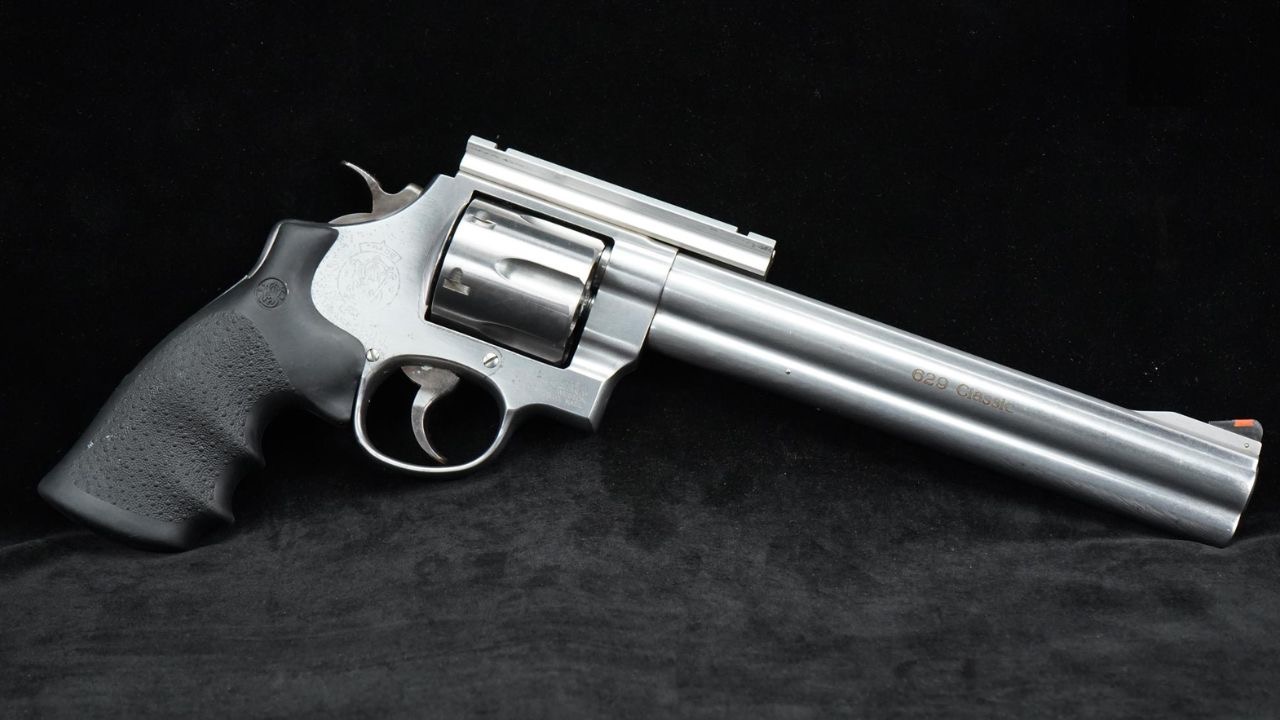
Magnum-Caliber Handguns sound exciting, but heavy recoil and blast punish new shooters. Jan points out that big magnum revolvers are among the worst choices for beginners because the violent snap encourages flinching and “anticipating” the shot. Instead of learning to press the trigger straight to the rear, rookies start yanking and bracing. That reaction can take months of dry fire and coaching to unwind once it sets in.
There is also a cost problem. Magnum ammunition is expensive, so new shooters fire fewer rounds and get less repetition. When every cylinder hurts the hand and the wallet, people stop practicing. For someone trying to build confidence and safe gun-handling skills, a .22 or soft-shooting 9 mm gives far more useful feedback and keeps them coming back to the range.
2. The Desert Eagle
The Desert Eagle is the poster child for a gun that looks cool and shoots terribly for beginners. Jan singles it out as a terrible choice for new shooters in the same discussion of guns that hinder. The huge grip, heavy slide, and magnum chamberings demand strong hands and solid technique to cycle reliably. When a rookie limp-wrists it, malfunctions pile up and they start blaming themselves instead of the platform.
On top of that, the weight and bulk make it hard to hold on target for more than a second or two. New shooters already struggle with sight alignment and trigger control; adding a massive, front-heavy pistol turns every string into a wrestling match. The Desert Eagle has its place as a range toy for experienced shooters, but it is a training dead end for someone learning the basics.
3. Tactical 12-Gauge Shotguns
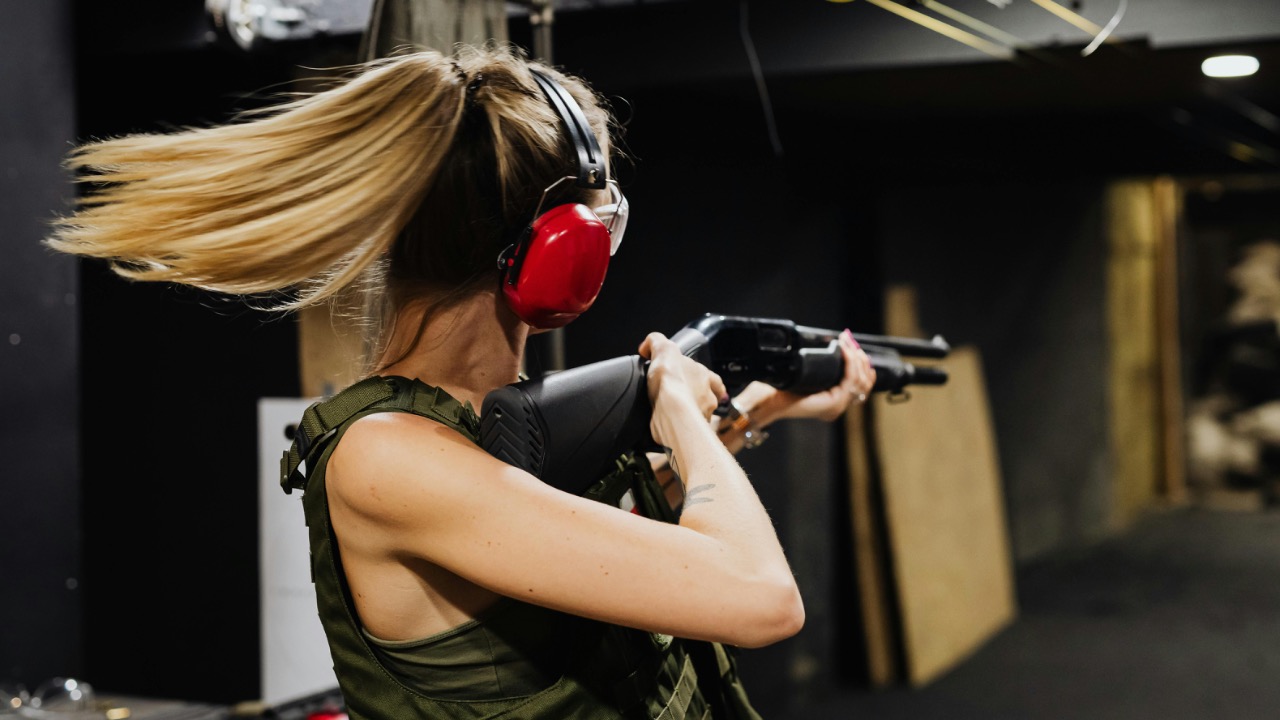
Short, tactical 12-gauge shotguns are another classic trap for new shooters. Jan notes that, Like magnum handguns, these guns can “jump and kick too much” for people who are not trained to manage that energy, especially when loaded with buckshot or slugs, and that problem is amplified in light pump guns. A new shooter who gets hammered in the shoulder will start leaning back, lifting their head, and closing their eyes.
That flinch ruins follow-up shots and makes it hard to teach proper mount and cheek weld. A tactical shotgun also layers in manual-of-arms issues: running the pump, topping off the tube, and managing safeties under stress. Those are great skills later, but they distract from fundamentals early. A softer-shooting 20 gauge or a gas-operated gun lets rookies focus on stance, mount, and target transitions without getting punished.
4. Lightweight 12-Gauge Pump Guns
Even outside the “tactical” category, lightweight 12-gauge pumps like The Mossberg 500 can be rough on new shooters. The Mossberg 500 is praised for durability and reliability, However it also has “heavy recoil that affects accuracy” according to recoil testing. When you combine a light gun with full-power loads, every shot drives the stock hard into the shoulder and face.
For a new shooter, that kind of punishment quickly turns into recoil anticipation and flinching. They start creeping their head back on the stock, which can lead to scope bite or inconsistent sight pictures. If the goal is to build confidence and teach safe gun handling, a heavier gun, reduced-recoil loads, or a smaller gauge will keep them on the range longer and help them learn to run a pump correctly.
5. Traditional DA/SA Duty Pistols
Traditional double-action/single-action pistols (often called TDA guns) like the M9 create a specific training hurdle: two radically different trigger pulls. One detailed analysis notes that So the basic design of many TDA pistols places the double-action trigger face “out of comfortable reach” for some hands, forcing shooters to stretch and then shift their grip as the gun transitions to single action, which is documented in TDA critiques.
For a new shooter, that means learning two different trigger presses and managing a moving reset point. Instructors can absolutely teach it, but it slows progress compared with a consistent striker-fired or DAO trigger. Early on, I want students focused on grip, sights, and safe handling, not on remembering whether their first shot is a long pull or a short one under stress.
6. Walther P99
The Walther P99 is a fascinating pistol, but its Unique Double, Action Pistol system adds complexity for rookies. One of the more detailed writeups calls it One of the more interesting double-action pistols because it uses a striker with multiple trigger modes, including a decocker and different reset characteristics, as described in a technical overview. That flexibility is great for experienced shooters who want options.
For beginners, though, multiple modes mean multiple failure points. They can forget which mode the gun is in, ride the wrong reset, or mishandle the decocker. When someone is still learning to keep their finger off the trigger until ready to fire, I prefer a single, consistent trigger system. The P99 rewards dedicated practice, but it is not the easiest starting point.
7. Classic 1911 Pistols
The 1911 has a legendary reputation, but it can be finicky and maintenance-heavy for new shooters. One detailed discussion flatly states, “You are right to be concerned about such things, the 1911 is notorious for jamming frequently,” and adds that Specifically the ejector mechanism and the tight fit between the barrel and the slide can cause issues if the gun or ammo are not perfectly tuned, as noted in a technical breakdown.
New shooters often lack the experience to diagnose whether a malfunction is caused by grip, magazines, springs, or ammo. When their first handgun chokes regularly, they lose trust in the platform and in their own skills. Add in the manual thumb safety and grip safety, and there is a lot going on before the gun even fires. I would rather see a rookie start with something more forgiving, then come back to the 1911 once they have a solid foundation.
8. DAO Pocket Pistols
Double-action-only pocket pistols are marketed as simple and safe, but the long, heavy DAO pull can be a training nightmare. One overview of trigger systems explains that DAO triggers use the same long, smooth action for every shot, which is intended to be safe to handle and carry, as outlined in a trigger comparison. That safety margin comes at the cost of precision for inexperienced shooters.
On tiny pocket guns with minimal sights and short grips, that heavy pull drags the muzzle off target. New shooters start “staging” the trigger or jerking through it, both of which wreck accuracy. They also get tired quickly, which makes practice sessions short and frustrating. A mid-size pistol with a moderate, consistent trigger is far better for learning fundamentals before moving to deep-concealment guns.
9. Oversized Concealed-Carry Pistols
Big, duty-size pistols can be tough for new shooters who actually plan to carry. One practical guide notes that, For your pistol, it needs to be concealable because that is the whole point, and that Sig and Glock are king in that role, adding that There are several decent or average options but size and weight matter for daily carry, as discussed in a carry-focused thread.
When a new shooter buys a huge gun that is hard to conceal, they often leave it at home. That means less real-world practice with holster draws, concealment garments, and movement. It also encourages awkward carry methods that can be unsafe. Starting with a reasonably sized pistol that actually fits their lifestyle keeps them training with the gun they will rely on, instead of a safe queen that only sees the range once a year.
10. “YouTube Special” First Handguns
Plenty of people pick their first handgun based on a flashy video instead of fit and training value. One popular breakdown of the five worst first handguns, released in Nov, openly tries to challenge viewers’ assumptions and warns that some guns are poor starter choices even if they are trendy, as explained in a video critique. The problem is not the platform itself, but the mismatch between internet hype and a beginner’s needs.
When a new shooter chases trends, they may end up with a snappy micro-compact, a magnum snub, or a complicated race gun that demands constant tuning. All of those choices slow training and can sour someone on shooting altogether. I would rather see a rookie work with a proven, mid-size pistol that fits their hands, then expand once they know what actually works for them instead of what looks good on a screen.

Asher was raised in the woods and on the water, and it shows. He’s logged more hours behind a rifle and under a heavy pack than most men twice his age.