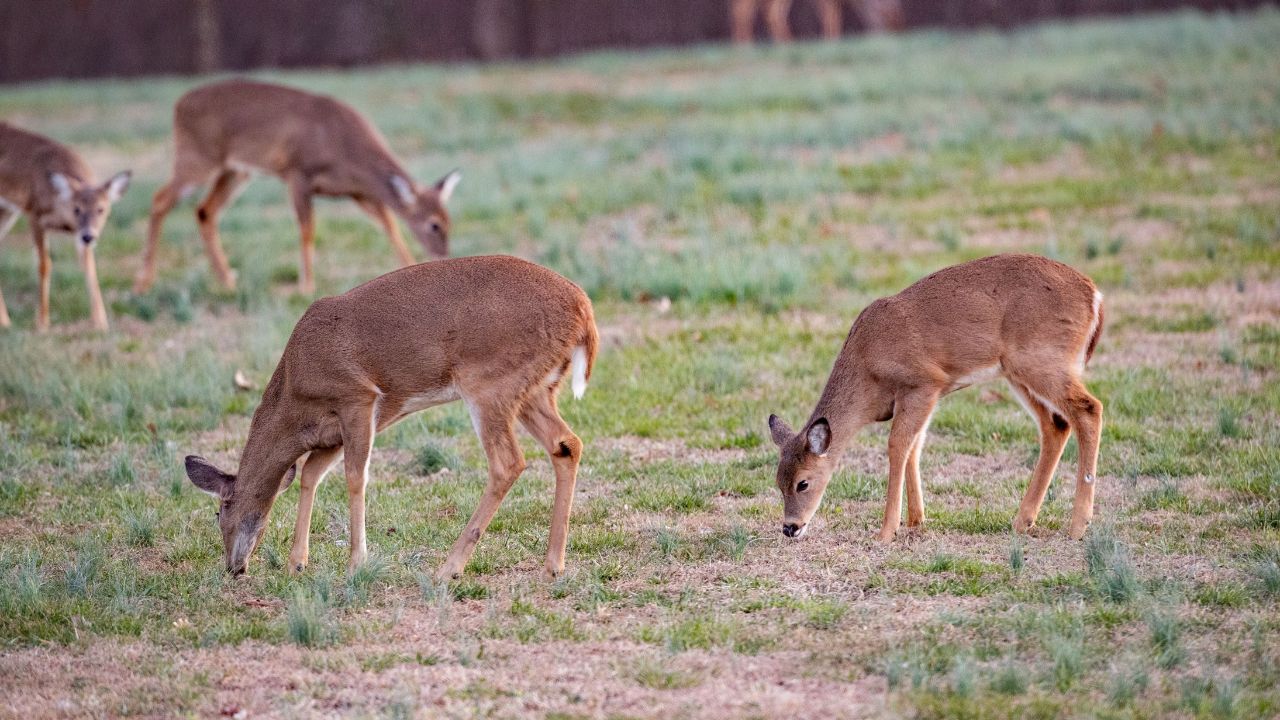
Why some hunters consistently see deer while others don’t
Across any deer camp, the same pattern shows up: one hunter quietly fills tags year after year while others swear the woods are empty. The difference is rarely luck alone. It usually comes down to how well each person understands deer behavior, manages pressure, and uses terrain and time to their advantage. When those pieces line up, sightings feel almost routine; when they do not, even good ground can seem lifeless.
I see the gap most clearly in how disciplined hunters are about food, wind, and intrusion. The people who consistently lay eyes on deer treat those variables as non‑negotiable, then layer in tools, from detailed maps to tracking apps, to refine their moves. The result is not magic, just a series of small, informed decisions that add up to more encounters.
Deer are not homesteaders, they are commuters
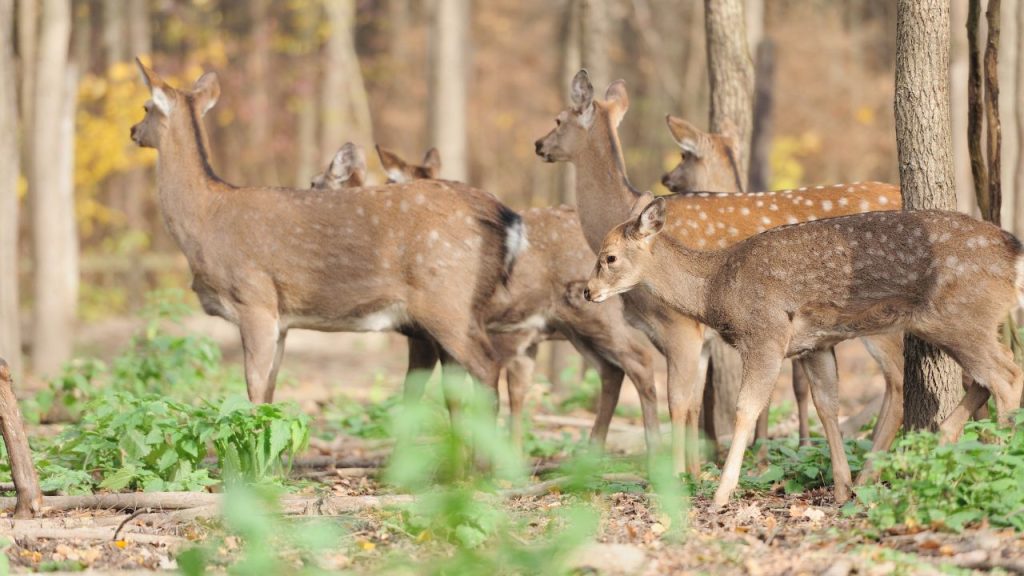
Volodymyr Burdiak/Shutterstock.com
The hunters who always seem to be in deer understand that whitetails are not tied to a single woodlot. They move like commuters between food, water, and cover, shifting routes as those resources change. One seasoned voice in a long running discussion put it bluntly, saying that the key is recognizing that deer respond to Food, water and, and that they are not homesteaders locked to one spot for 2 yrs. When a bean field is cut or acorns dry up, they simply slide to the next best option, sometimes a mile or more away, and the hunter who keeps sitting the old pattern is suddenly staring at empty timber.
Several of the most frustrated hunters overlook this basic ecology and assume deer have vanished rather than relocated. Guides who field these complaints often start with a simple checklist: are you actually set up on the main Food source, or are you clinging to a stand that was hot last year. When the deer in the area move to a different field edge or oak flat, you need to move too, even if that means abandoning a favorite tree. The hunters who adapt quickly to these shifts, scouting fresh sign and repositioning stands, are the ones who keep seeing deer while others insist the herd has disappeared.
Pressure changes everything long before the first shot
Once hunting season approaches, the biggest separator between consistent and inconsistent hunters is how they handle pressure. Biologists and veteran managers have pointed out that as Pressure ramps up, mature whitetail bucks respond by moving less in daylight, or by shifting their travel to thicker cover where casual observers rarely see them. Studies have shown that even a few intrusive trips into a bedding area can push older deer into a nocturnal pattern, at least in that specific patch of woods, which is why some hunters swear there are no mature bucks on their property while trail cameras prove otherwise.
Local hunters often describe the same phenomenon in plain language. In one widely shared exchange, a commenter argued that Human presence will alter their pattern, and that repeated trips past a stand can push deer to feed under a neighbor’s dusk to dawn light instead. The hunters who see deer consistently are ruthless about limiting intrusion, slipping in with the wind in their favor, and staying out of core bedding areas until conditions are perfect. Those who treat the woods like a hiking trail in the weeks before season often educate their deer long before the first legal shooting light.
Timing, patience and the myth of the “dead” woods
Another divide between the lucky and the unlucky is how they use time. Many of the most consistent hunters are simply in the stand more, and they stay longer during the hours when deer are naturally most active. Experienced observers note that Hit the Peaks of movement, especially the crepuscular windows at first and last light, remains critical even for pressured deer, because Even heavily hunted animals still move then, just more cautiously and often closer to thick cover. Hunters who slip out an hour after sunrise or pack it in well before sunset routinely miss those subtle, late flurries of movement that fill tags for their more patient friends.
Newer bowhunters often learn this the hard way. One person who admitted leaving the stand early said Thanks after being told that sitting longer, even when the woods feel dead, is normal and necessary. Another hunter, frustrated that deer showed up on camera but never in person, was pressed in a Comments Section about what times and how often they were actually sitting. The quiet killers in every club tend to grind through slow stretches, trusting that movement can flip in minutes when wind, temperature, or human disturbance shifts. Those who bail early often walk out just as deer begin to stage within range.
Reading movement without pretending to solve the mystery
Hunters who see deer regularly are students of movement, but the best ones also accept that they will never predict it perfectly. Biologists like Dr. Bronson Strickland and Dr. Marcus Lashley have emphasized that Many of the key variables that drive daily movement are highly local and independent of broad weather patterns, which means obsessing over moon charts or barometric pressure can be a distraction. The hunters who stay consistent focus instead on concrete, observable factors: fresh tracks, current food sources, recent pressure, and wind direction, then adjust their setups accordingly.
At the same time, they recognize that deer are also reacting to them. Detailed breakdowns of hunter behavior show that deer can and do adjust to predictable access routes and stand locations, effectively learning to pattern hunters who enter and exit the same way every time. The hunters who keep seeing deer vary their approach trails, hunt different trees for the same general spot, and sometimes leave promising areas alone for days to let them cool off. They treat movement as a living puzzle, not a solved equation, which keeps them flexible when deer suddenly start skirting 80 yards downwind of yesterday’s hot stand.
Tools that turn scattered sign into a coherent plan
Technology does not replace woodsmanship, but it can sharpen it. The hunters who consistently find deer are increasingly using mapping tools to connect the dots between bedding, feeding, and travel corridors. Apps like the OnX Hunt platform let users overlay aerial imagery with property lines, topo lines, and waypoints, turning scattered rubs and tracks into a visible pattern. One colorblind hunter described using a mapping application on his phone to plot his travel as he goes, relying on the tracking feature in the OnX Hunt app to make sure he could slip back into productive spots without blundering through bedding cover.
Spot and stalk hunters use similar tools to mark glassing knobs, saddles, and the exact location of animals they are pursuing. One practical tip is to use mapping software like OnX to drop pins on terrain features as well as the animal you are stalking, then plan a route that keeps wind and cover in your favor. The hunters who do this well are not just wandering into the woods and hoping for the best; they are executing a mapped strategy that accounts for elevation, vegetation, and likely escape routes. That level of planning often explains why one person bumps deer out of range while another slips into a 20 yard shot on the same hillside.
Why some hunters see deer every sit
When I look at hunters who report seeing deer almost every time they go out, a consistent pattern emerges. They invest heavily in preseason scouting, then stay out of their best spots until conditions line up, rather than burning them out with curiosity sits. Detailed breakdowns of their approach show that When a hunter understands those patterns and stays out of their way, sightings become consistent, but when you do not, the woods feel empty. They also tend to hunt the wind obsessively, even if that means abandoning a favorite stand on a marginal day, and they are willing to hike farther than others to reach overlooked corners of public or private land.
These hunters also accept that the odds are not in their favor and build their expectations around that reality. One veteran writer on the subject noted that the odds are clearly stacked against the hunter, which is what we call fair chase, and that Occasionally we are successful and there is a lot of luck involved. The difference is that the consistent hunters stack that luck by being in the right place, at the right time, with minimal disturbance, far more often than their peers. They treat every sit as a data point, adjusting based on what they see or do not see, instead of repeating the same routine and hoping for a different outcome.
Closing the gap between empty sits and steady encounters
For hunters who feel stuck on the wrong side of this divide, the path forward is less about buying new gear and more about changing habits. Start by accepting that deer are mobile, that they respond quickly to Nov season pressure, and that they are constantly weighing risk against the need to eat and rest. Then audit your own approach: how often are you walking through likely bedding cover, how rigidly are you clinging to last year’s stand, and how quickly do you adapt when sign dries up. The hunters who see deer consistently are usually the ones who answer those questions honestly and adjust.
It also helps to remember that even the best hunters get skunked. The difference is that they treat slow hunts as information, not failure. They might mark a fresh trail on a mapping app, note that You were winded by a doe at a certain crossing, or realize that Several of the assumptions they carried into the season were wrong. Over time, that mindset closes the gap between the hunter who insists there are no deer and the one quietly dragging another buck back to camp.

Leo’s been tracking game and tuning gear since he could stand upright. He’s sharp, driven, and knows how to keep things running when conditions turn.