Wildlife relocation efforts that ended unexpectedly
Wildlife relocation is usually sold as a clean solution, a way to move animals out of trouble and into safety. On the ground, it rarely plays out that neatly. From backyard foxes to endangered antelope and captive chimpanzees, the stories behind these moves are full of hard tradeoffs, political fights, and outcomes nobody planned on.
I have watched more than a few of these efforts veer off script, sometimes in heartbreaking ways, sometimes in quietly instructive ones. When you look closely at recent cases, a pattern emerges: relocation is not a magic reset button, it is a risky tool that can save animals in one moment and fail them in the next, depending on how well people understand the biology, the law, and the politics wrapped around every move.
The hidden risks baked into “catch and release” wildlife moves
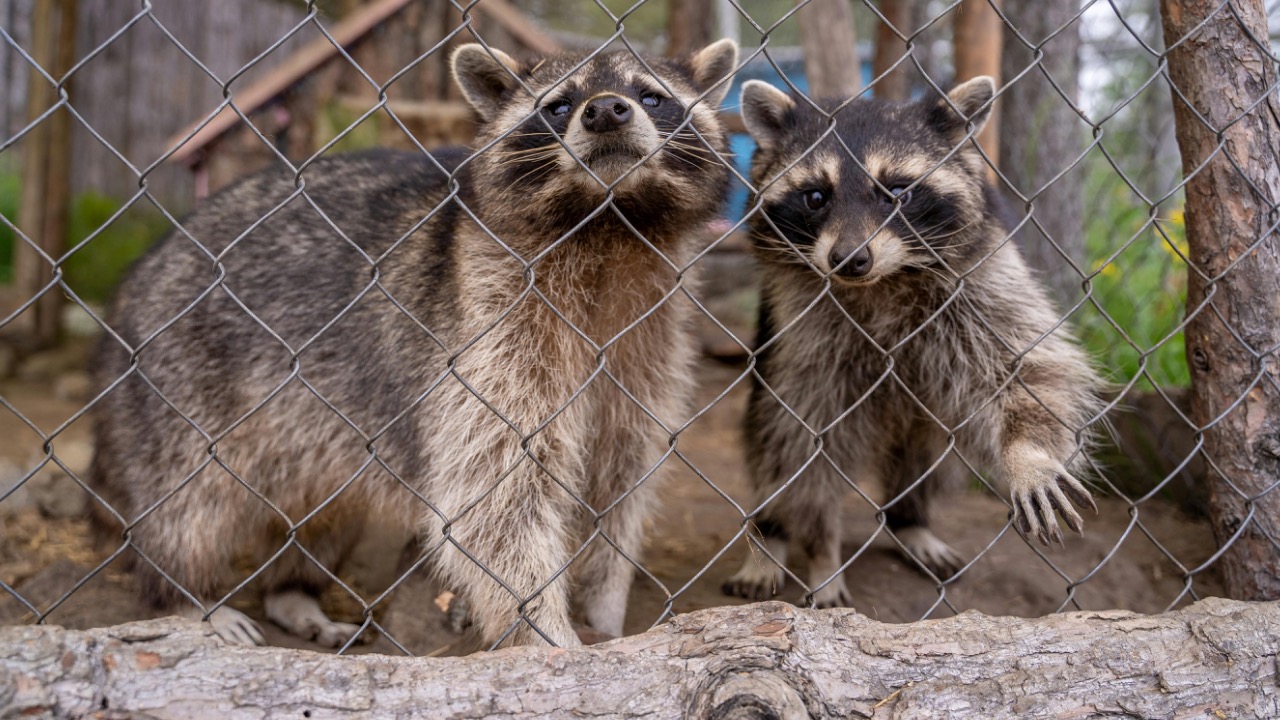
Most people who trap a raccoon in the attic or a skunk under the porch think they are doing the humane thing by driving it to the nearest patch of woods and letting it go. The science and field experience behind that feel-good moment tell a different story. When an animal is dropped into unfamiliar territory, it has no idea where to find food, water, or shelter, and it is suddenly competing with residents that already know every stump and den site. One detailed overview of relocation warns that the dangers start the moment the trap is sprung, because the animal is stressed, disoriented, and often injured before it ever reaches its new home, and that stress compounds once it is released into a landscape it does not recognize, where it may be attacked by territorial neighbors or hit on the road while trying to escape the area it was dumped in, a pattern that plays out again and again in real-world cases Although.
There is another layer that homeowners rarely think about, and that is disease and regulation. When a wild animal is hauled across town or across a county line, it can carry parasites and pathogens into a population that has never been exposed to them. A Because statement from one Natural Resource Bulletin spells it out bluntly: because relocating wildlife can spread disease, move a problem rather than solve it, and often ends badly for the animal being moved, many jurisdictions have strict regulations on trapping and relocation that surprise people who thought they were doing the right thing. When you add in the fact that relocated animals are often separated from mates or dependent young, the odds of a clean, happy ending get even slimmer.
When a beloved sanctuary shuts down and the animals have to go
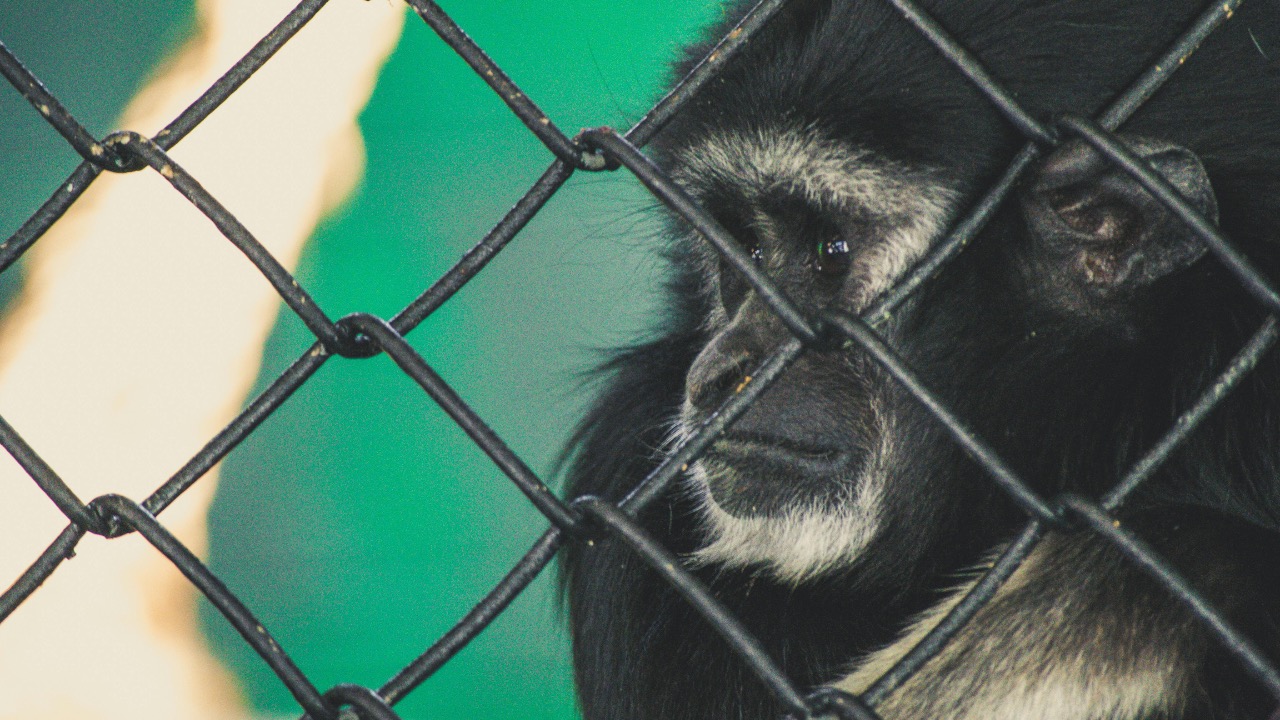
Captive wildlife is supposed to be the easy part of the conservation story, the animals already “safe” behind fences. The collapse of Wildlife Waystation in California showed how fragile that safety net can be. In the foothills above SYLMAR, the facility had become famous enough that people described it with a kind of storybook shorthand, talking about the Lions and tigers and bears that lived there. After rescuing more than 77,000 wild animals over its history, the After story was abrupt: Wildlife Waystation closed, and suddenly hundreds of animals needed new homes.
That closure set off a relocation campaign that would stretch for years and test every assumption about how easy it is to move large, dangerous, and long-lived animals. State officials and partner groups had to find sanctuaries that could take lions, tigers, bears, primates, and more, and then figure out how to move them safely out of the canyons above Los Angeles. The scale of the task was so unusual that it drew national attention, and it forced agencies to confront the uncomfortable reality that there is no standing backup plan when a private facility that has taken in tens of thousands of animals suddenly goes dark.
Chimps on the road: a long, messy rescue that finally wrapped up
Among the hardest animals to place from that shuttered sanctuary were the chimpanzees. They are intelligent, social, and strong enough to be dangerous, which means not many facilities are equipped to take them. A video shared by California wildlife officials showed another large group of chimps being moved out of the compound, and the caption noted that When the Wildlife wild animal sanctuary in Southern California abruptly closed two years earlier, it set off a long series of transports that drew about 2.2K views and exactly 59 reactions from people watching the chimps leave the only home they had known for years. Those numbers are tiny compared with the stakes for the animals, but they hint at how quietly these big moves can happen.
By the time the last trucks rolled out, the state agency in charge was ready to say that it had finally finished the job. In a formal update, CDFW said it Completes Relocation of at Wildlife Waystation, noting that With the relocation of two chimps in early Dec, the last of the primates had been placed. A separate report on the same milestone underscored that the Last of Wildlife animals were finally out, with the Associated Press noting that the story had started when the sanctuary was founded to Posted shelter discarded exotic animals and ended with the last trucks leaving in the afternoon PST and the story Updated once the gates finally closed behind them.
Another center closes its doors, and the questions start again
Wildlife Waystation is not the only facility to shut down and leave people scrambling to figure out what happens to the animals. In Oregon, a nonprofit called Wildlife Images announced that it was abruptly closing to the public until February, and the statement landed like a thud in a community that had come to rely on the center for education and rehabilitation. The notice said the closure was immediate and that Requests for comment were not returned, which left volunteers and neighbors wondering what the shutdown meant for the birds of prey, mammals, and reptiles that lived on site.
In the wake of the closure, the nonprofit center also announced the hiring of a new operations leader, a move that suggested internal turmoil as much as it did a plan for the future. For the animals, the uncertainty is the real story. When a facility that houses raptors, small carnivores, and reptiles goes dark, the options are limited: either the animals stay put under new management, or they are moved out to other facilities that may or may not have room. The Oregon case shows how quickly a closure can raise relocation fears even when the official line is that the shutdown is temporary.
Backyard foxes and the hard truth about “saving” nuisance wildlife
The same emotional tug that drives people to support big sanctuaries shows up in backyard encounters with wildlife, and it can lead to the same kind of unintended harm. A wildlife rehab group in New England recently addressed what it called a very sad local situation involving a family of foxes that people wanted moved instead of managed on site. In a blunt public post, the group explained that Secondly, we cannot relocate the fox to a new place, and that this was not a matter of stubbornness but of survival odds. The rehabbers spelled out that Relocation is a death sentence almost every time for foxes pulled out of their home range and dropped into another predator’s territory.
That kind of straight talk lines up with what field biologists and agency bulletins have been saying for years. The same overview that warns about the dangers of relocation for raccoons and skunks notes that wild animals do not “settle in” quickly to new surroundings, no matter how carefully they are moved, and that they are often killed by cars or predators while wandering around trying to find familiar cover Although. When you put that science next to the fox rehabbers’ experience, the pattern is clear: the well intentioned urge to “send it somewhere safe” can end up being far crueler than leaving the animal alone or calling in professionals who can offer site-specific options.
Endangered antelope in Kenya and the limits of heroic moves
Not all relocation stories start with conflict. Some begin as ambitious rescue missions for species on the brink. In northern Kenya, a landmark collaboration has been working to move one of the world’s most endangered antelopes into safer ground, loading the animals into trucks and hauling them across a harsh landscape in a bid to rebuild wild herds. A video from the field shows teams counting down, “1 2 3 go,” as they release the animals from crates, a reminder that even the most carefully planned operation still comes down to a gate swinging open and an antelope bolting into a place it has never seen before Oct.
Moves like this can work, especially when they are backed by long term habitat protection and local support, but they are never guaranteed. The antelope in northern Kenya are being shifted into areas that are supposed to be safer from poaching and habitat loss, yet they still have to learn new migration routes, new predators, and new water sources. Every relocation truck that rolls out is a bet that the stress of capture and transport will be outweighed by the chance at a more secure future, and history shows that some of those bets pay off while others end in quiet failures that rarely make headlines.
Wolves, politics, and a reintroduction plan that keeps stalling
Predator reintroductions are where relocation, politics, and public emotion collide hardest. In Colorado, a high profile wolf program has been trying to carry out a series of releases, sometimes called “wolf drops,” to restore the species to parts of its former range. The agency in charge has been under pressure from ranchers, hunters, and conservation groups, and that pressure only grew when its director stepped down while the program was still in motion. Reporting on the shakeup noted that Parks and Wildlife also continues to face headwinds that are complicating efforts to carry out a third wolf drop this winter, a sign that the politics around predators can slow or derail even well funded plans.
The same account described how the agency was still dealing with questions about how it handled a previous wolf that had been found dead, and how those questions fed into broader skepticism about the program Nov. When you put that against the backdrop of other relocation efforts, the lesson is familiar: moving animals is never just a biological project, it is a political one, and if the human side is not managed carefully, the animals end up paying the price in delayed releases, rushed decisions, or half finished plans.
Birds, permits, and a federal plan that never quite took flight
Sometimes the relocation story is about what does not happen. At the federal level, wildlife officials spent years working on a new permit system for activities that harm migratory birds, an effort that was supposed to clarify when companies and landowners needed authorization to disturb or move birds and when they did not. The proposal was launched under President Biden, and it aimed to address long running confusion over whether the Migratory Bird Treaty Act applied only to intentional acts or also to incidental harm. A detailed account of the process noted that the plan was laid out By Michael Doyle, who explained how the draft would have created a new framework for industries that routinely interact with nesting and roosting birds Apr.

Asher was raised in the woods and on the water, and it shows. He’s logged more hours behind a rifle and under a heavy pack than most men twice his age.