Hunting Calibers That Don’t Deserve Their Reputation
Some calibers catch a bad name and never shake it, even when decades of hunting stories say otherwise. A few were written off because of early bullet designs, while others were dismissed by hunters who never understood what the cartridge was meant to do. When you look at what actually happens in the woods—real distances, real animals, and real-world accuracy—you find that several “underrated” rounds have been getting the job done quietly for years. When paired with the right bullet and fired from a rifle you know well, these calibers hold their own and often outperform cartridges with louder reputations.
.243 Winchester
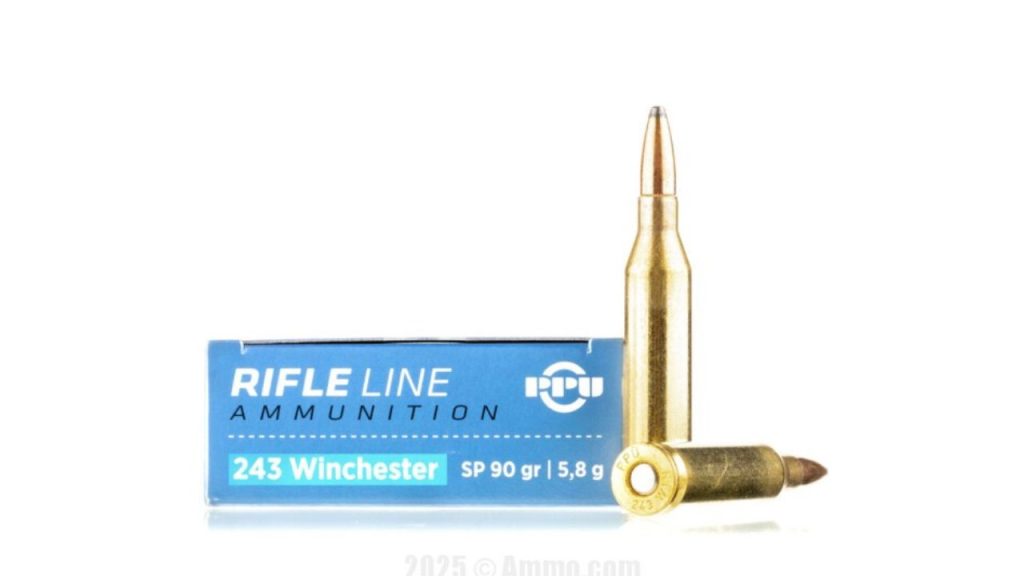
Many hunters label the .243 as a kid’s cartridge, but it has anchored deer and pronghorn for generations. Modern 95- to 105-grain bullets hold together far better than older designs, giving the .243 dependable penetration and broad wound channels. Its mild recoil also helps you settle into a calm, controlled shot, which makes more difference in the field than most people care to admit.
In the woods, the .243 stays flat enough to manage unexpected yardage gaps. It delivers enough energy for clean kills while sparing your shoulder during long seasons. When you see what it can do with precise placement, the old criticism starts to fade.
.30-30 Winchester
The .30-30 gets written off as outdated, but anyone who has carried one through dense timber knows how capable it really is. Its moderate velocity and round-nose bullets were designed for brush, ladder stands, and close-range shots where quick handling matters more than horsepower. With modern polymer-tipped loads, the .30-30 reaches farther and hits harder than its reputation suggests.
In real hunting conditions—100 yards or closer—it’s as dependable as ever. Its smooth recoil and lever-gun platforms make it a friendly tool in the field. Plenty of deer have fallen to the .30-30, and it continues proving its worth one season after another.
.223 Remington
The .223 has long been dismissed as a varmint round, but that criticism ignores what heavy-for-caliber bullets can do. With well-constructed 62- to 77-grain soft points or bonded bullets, it becomes a capable deer cartridge in states where it’s legal. Recoil stays minimal, which encourages steadier shots, especially from hunters who don’t thrive under harder kickers.
Inside the typical 150-yard woods window, the .223 holds tight groups and performs consistently. When you pick the right bullet and understand its limits, the cartridge earns far more respect than it usually gets. It rewards calm, precise shooting rather than brute force.
.45-70 Government
Some hunters treat the .45-70 like a relic that’s too slow and lobbing for modern use. That view ignores what modern loads have done for the cartridge. With strong 300- to 405-grain bullets, the .45-70 carries serious authority without requiring scorching velocity. It’s one of the few rounds that handles big-boned game at woods distances without hesitation.
Despite its old lineage, the .45-70 thrives in thick cover where shots stay tight and controlled. Lever-action rifles chambered for it offer fast handling, and recoil—while noticeable—is manageable with proper stock fit. Its reputation as outdated sells it short.
.257 Roberts
The .257 Roberts gets overshadowed by flashier 6mm cartridges, but hunters who use it rarely switch away. Its mild recoil and balanced ballistics make it a steady performer on deer-sized game. With 115- or 120-grain bullets, it penetrates well and holds accuracy across seasons.
The Roberts excels in mixed terrain where you may shift from timber to open pockets. It carries enough speed without beating up the shooter, which leads to careful, repeatable shot placement. Longtime hunters who’ve carried one often consider it one of the most underrated rounds ever made.
.300 Savage
The .300 Savage is often overlooked because the .308 Winchester stole the spotlight, but its performance speaks for itself. Built for shorter actions, it offers a compact, mild-shooting package that hits harder than many expect. Its ballistics fall close to traditional .308 loads at common hunting distances.
In the field, the cartridge delivers clean kills on deer and black bear without heavy recoil. Its age doesn’t diminish its capability. Hunters who appreciate short, lively rifles often rediscover how well the .300 Savage fits woodland hunting.
7.62×39
Most of the criticism toward the 7.62×39 comes from inaccurate surplus rifles, not the cartridge itself. In a well-built bolt gun or high-quality semi-auto, it groups far better than many assume. Soft-point loads penetrate reliably and expand well at woods distances.
Inside 150 yards, the 7.62×39 behaves much like a mild .30-30. Recoil stays tame, the muzzle report isn’t overwhelming, and the cartridge’s predictability helps new and seasoned hunters alike. When hunters judge it based on real performance rather than assumptions, the round earns a different level of respect.
.220 Swift
The .220 Swift’s reputation for “blowing up” deer stems from fragile early bullet designs. Modern controlled-expansion bullets have changed the story. When you select the right load, the Swift becomes a flat-shooting option that handles deer surprisingly well.
Accuracy is where the Swift shines. It threads shots through narrow windows in the woods and gives hunters the confidence to place bullets exactly where they need to go. It’s not meant for long-range elk, but on deer inside its reasonable limits, it performs cleanly and consistently.
.22-250 Remington
The .22-250 gets lumped into the varmint-only category, but it has taken more deer than its critics realize. With proper bullet selection, it delivers deep penetration and controlled expansion. Its speed gives it excellent reach in mixed timber and open edges.
Recoil is light, allowing you to stay connected to every shot. Hunters who practice regularly find it surprisingly forgiving, and its quick handling makes it ideal for fast opportunities. The cartridge’s reputation underestimates what modern loads bring to the table.
.300 Blackout
The .300 Blackout is known more for tactical setups than hunting, which makes many hunters underestimate it. Supersonic soft points hit hard inside 125 yards, and subsonic loads paired with suppressors offer quiet, controlled shots in tight cover. The round thrives in short-barreled rifles that are easy to carry all day.
While it’s not a long-range caliber, it excels in the brushy, thick country where many deer are actually killed. Hunters who understand its range limitations often find it remarkably capable and far smoother to shoot than mid-size cartridges.
6.5 Grendel
The 6.5 Grendel gets overshadowed by larger 6.5 calibers, but it performs well in the deer woods. It maintains good energy at moderate distances and offers accuracy that most hunters can rely on year after year. In lightweight rifles, it provides a balance between manageable recoil and effective terminal performance.
For ground blinds, tree stands, and tight timber, the Grendel remains a steady, predictable option. It doesn’t bark loudly or push back hard, and those two qualities help you settle into clear, deliberate shots.
.25-06 Remington
The .25-06 gets labeled as “too fast” or “too light” by hunters who haven’t seen it work. With modern bullets, it has more than enough backbone for deer, pronghorn, and similar game. Its flat trajectory helps you stay confident when yardage shifts unexpectedly.
This cartridge thrives in open hardwoods and cutovers where longer shots still fall within ethical limits. Recoil stays manageable, letting you stay sharp during follow-through. As hunters revisit older cartridges with better bullets, the .25-06 stands out as one that never should’ve been dismissed.

Leo’s been tracking game and tuning gear since he could stand upright. He’s sharp, driven, and knows how to keep things running when conditions turn.