Why accuracy matters more than firepower for most shooters
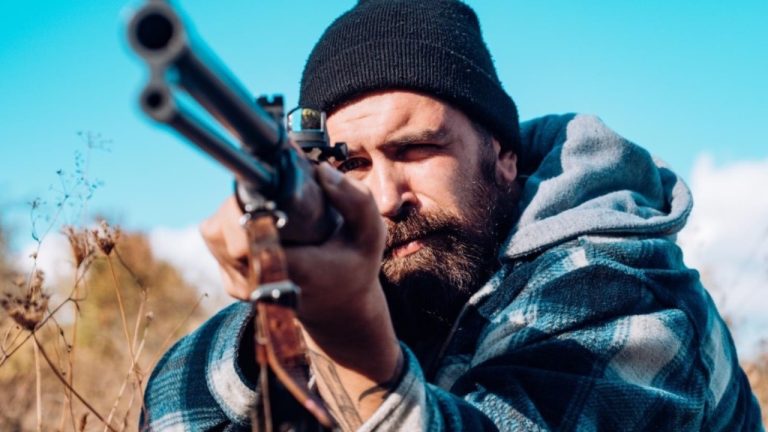
Most shooters are drawn to impressive ballistics and high-capacity magazines, but the skill that actually decides outcomes is the ability to put a round exactly where it needs to go. Whether the context is competition, hunting, self‑defense, or even virtual firefights, precise hits solve problems that raw volume of fire cannot. I argue that for the vast majority of people who pick up a firearm, prioritizing accuracy over sheer firepower is not only more effective, it is also safer and more ethical.
Accuracy is what turns a mechanical tool into a controlled instrument. It is the difference between a clean hit and a dangerous miss, between a humane harvest and a wounded animal, between a tight match score and a string of penalties. Firepower has its place, but without disciplined marksmanship behind it, extra rounds and bigger calibers simply magnify every mistake.
Accuracy as the foundation of responsible gun use
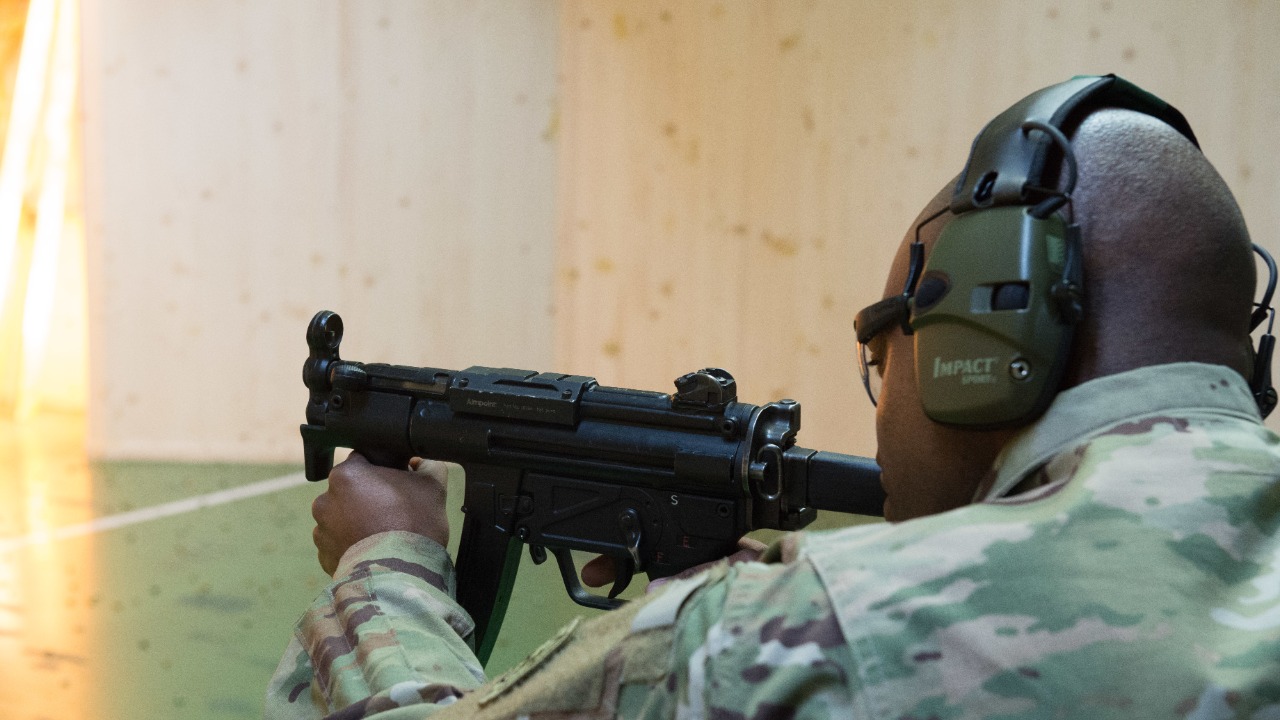
Responsible gun ownership starts with the ability to control where every bullet goes. If I cannot reliably predict my point of impact, then every press of the trigger becomes a gamble with safety and liability. Accurate shooters are better able to keep rounds on target and within a safe backstop, which directly reduces the risk of unintended injury or property damage. Training that emphasizes tight groups and repeatable hits builds the habits that keep muzzle direction, trigger use, and target identification under control.
Accuracy is also central to the ethical dimension of shooting. Guidance for new gun owners stresses that being an Accurate Shooter is part of being a responsible, safer shooter, because it supports ethical shots while hunting and leads to better scores in structured environments. When I focus on precision first, I am less likely to take marginal shots, more likely to verify what is beyond my target, and more inclined to pass on opportunities that fall outside my capabilities. Firepower can only add value once that ethical baseline is in place.
Why more bullets rarely fix bad marksmanship
There is a persistent belief that high capacity or rapid fire can compensate for shaky fundamentals, but in practice, extra rounds usually just mean more misses in less time. If my sight picture and trigger control are inconsistent, adding firepower multiplies the number of stray bullets without improving the odds that any one of them will land where it should. In structured games and real‑world incidents alike, shooters who rely on volume instead of precision often run dry at the worst possible moment, having burned through ammunition with little to show for it.
Even in virtual arenas, where consequences are limited to a scoreboard, players quickly discover that poor accuracy wastes every advantage their loadout might offer. In one discussion of domination‑style play, Jan pointed out that a team will never win if everyone is sniping or camping, or if opponents are sniping, because success depends on coordinated, accurate engagement rather than blind volume of fire, a point that highlights why Accuracy is the focus for players who want consistent results. The same logic applies on the range: more bullets cannot fix a bad trigger press or a misaligned sight picture.
Ethical hunting: precision before power
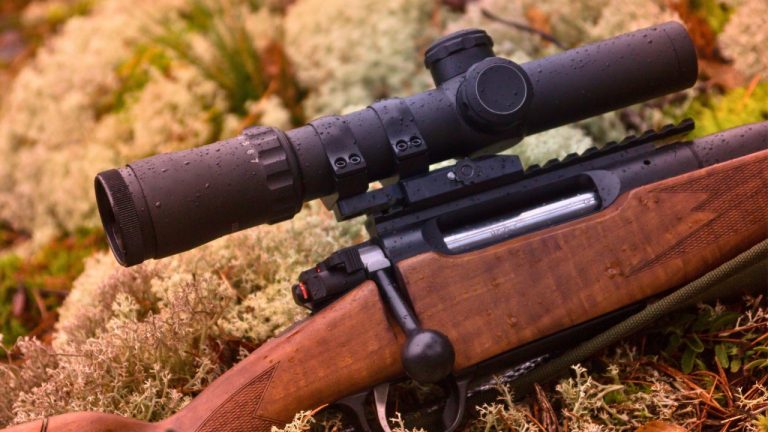
Hunting places perhaps the clearest moral weight on accuracy. A hunter’s obligation is to take only those shots that offer a high probability of a quick, humane kill, which means knowing personal limits and respecting them. Ethical instruction emphasizes that when hunting, shooters should limit their shots to their most accurate range, rather than stretching distance just because a powerful rifle and modern optics make the target visible. The goal is not to see how far a bullet can travel, but to ensure that every shot has a strong chance of landing in the vital zone.
Movement and angles add further complexity. New hunters are warned to avoid rifle shots at running animals, because these shots are poor and potentially unsafe, with a high risk of wounding rather than cleanly harvesting game. Official guidance explains that When hunting, the shooter must also ensure a safe backstop behind the animal, which again depends on precise control of point of impact. In this context, firepower in the form of larger calibers or extra rounds does not make a marginal shot more ethical, it simply increases the damage if something goes wrong.
Safety margins and the cost of a miss
Every missed shot has a destination, and accuracy is what keeps that destination predictable. On a crowded public range or in a defensive encounter in a populated area, the margin for error is extremely small. A shooter who can hold tight groups under stress is far better positioned to avoid hitting bystanders or unintended objects. By contrast, someone who leans on rapid fire or high capacity without the skill to control each round increases the risk that a miss will cross a berm, skip off hard surfaces, or travel beyond the intended engagement area.
Training programs that emphasize precision often frame accuracy as a safety tool rather than a purely performance metric. Being a responsible, safer shooter is directly tied to the ability to call shots and understand where they will land, which is why guidance on Being accurate highlights not just tighter groups but also better decision‑making about when not to shoot. Firepower can be useful in rare, extreme scenarios, but for most shooters in everyday environments, the cost of a single errant round is so high that accuracy must come first.
Speed, firepower, and the myth of “spray and pray”
Speed is often conflated with effectiveness, especially in defensive circles, yet going faster without hitting what matters is a hollow achievement. The common sense approach is that you need both speed and accuracy to be efficient, but the order of operations is crucial. I cannot safely add speed until I can deliver accurate hits at a deliberate pace, and I cannot responsibly exploit firepower until I can control each shot. Attempts to shortcut this progression usually lead to sloppy technique, poor accountability for rounds, and a false sense of competence.
Professional instructors stress that You need some sense of accuracy coupled with a level of speed, not the other way around. One analysis of training priorities notes that You cannot truly be efficient until both are present, but accuracy is the non‑negotiable baseline. Once a shooter can consistently hit a defined target zone, they can gradually increase tempo while maintaining standards. Firepower, whether in the form of higher capacity magazines or faster follow‑up shots, only becomes an asset after that disciplined foundation is in place.
Core fundamentals: sight picture and trigger control
At the heart of accurate shooting are a few deceptively simple fundamentals, and two of them dominate: sight picture and trigger control. Sight picture is one of the two most important fundamentals, because it governs how the shooter aligns the firearm with the intended point of impact. It is attained by shifting the eye’s focus to the front sight while keeping the rear sight and target in appropriate relation, a process that demands consistency and visual discipline. Without a stable sight picture, every shot begins with a built‑in error, no matter how powerful the cartridge.
Trigger control is the other half of the equation. Even a perfect sight picture can be ruined by a jerky or uneven press that disturbs the gun at the moment of firing. Instructors like Frank M. Petrone emphasize that Sight picture must be paired with a smooth, straight‑back trigger movement to keep the muzzle stable. When shooters master these basics, their groups tighten, their confidence grows, and their reliance on firepower as a crutch diminishes. Instead of chasing bigger calibers or more rounds, they learn to extract maximum performance from each carefully placed shot.
Training smarter: drills that reward precision
Effective practice routines are built around drills that reward accuracy first and only then introduce speed or complexity. Slow‑fire groups at modest distances, one‑shot draws to a small scoring zone, and deliberate transitions between multiple targets all force the shooter to see their sights clearly and press the trigger without disturbing alignment. These exercises expose flaws in grip, stance, and visual focus that would be masked by rapid strings of fire. By tracking group size and point of impact over time, shooters can measure real progress instead of simply counting rounds fired.
Structured guidance on becoming a better shooter highlights that accurate practice leads to ethical shots while hunting and better score performance in formal settings, reinforcing why Does it Matter if a shooter is accurate. Once a solid level of precision is established, drills can incorporate time pressure, movement, and positional changes, but the scoring should still penalize misses heavily. This approach teaches that a fast miss is a failure, while a slightly slower hit is a success that can be refined. Firepower, in this framework, is just one more variable to manage, not a substitute for disciplined marksmanship.
Competition and gaming: lessons that carry over
Competitive shooting and even video games offer a laboratory for understanding why precision beats raw firepower. In practical shooting sports, stages are designed so that points lost to poor hits or penalties for misses quickly outweigh any advantage gained by shooting faster. Competitors learn that it is better to take an extra fraction of a second to confirm sights than to incur a costly miss. Over time, this environment rewards those who can blend accuracy with speed, but it punishes anyone who leans too heavily on volume without control.
Online multiplayer games mirror this dynamic in their own way. Players who rely on high‑rate‑of‑fire weapons without learning to control recoil or aim carefully often find their statistics lagging behind more disciplined opponents. Discussions among players, including Jan’s observation that teams focused solely on sniping or camping will never win domination‑style matches, underline that success comes from accurate, purposeful engagement rather than indiscriminate shooting. In both digital and real‑world arenas, the pattern is clear: firepower amplifies skill, but it cannot replace it.
Why most shooters are better served by precision
For the average civilian shooter, the scenarios that truly demand overwhelming firepower are rare, while the situations that require careful, accurate shooting are common. Range sessions, local competitions, small‑game or deer hunting, and home‑defense planning all revolve around the ability to place a limited number of rounds exactly where they need to go. Investing time and resources into improving accuracy yields benefits across all of these contexts, from tighter groups and higher scores to safer handling and more ethical field decisions.
Firepower still has a role, but it should be seen as a force multiplier for existing skill, not a shortcut around the hard work of mastering fundamentals. When shooters internalize that accuracy is the primary measure of competence, they tend to choose equipment, training, and tactics that reflect that priority. They are more likely to respect their limits, heed advice to Avoid low‑percentage shots, and seek instruction that refines sight picture and trigger control. In the end, that mindset produces shooters who are not only more effective, but also safer and more trustworthy whenever a firearm is in their hands.

Leo’s been tracking game and tuning gear since he could stand upright. He’s sharp, driven, and knows how to keep things running when conditions turn.