Embarrassing hunting moments everyone pretends never happened
Every hunter carries a private highlight reel of moments that will never make the grip-and-grin photos. The missed chip shots, the noisy gear fumbles, the awkward slips in the mud and the near-disasters are as much a part of the field as fresh tracks and dawn thermals. The culture around hunting tends to celebrate perfection, but the stories people tell when the rifles are cased and the coffee is poured are usually about the times everything went sideways.
Those blunders are not just comic relief, they are a quiet safety briefing and a reminder that nobody is immune to nerves or bad luck. When I look at how hunters talk about their most embarrassing days, from campfire confessions to viral clips, a pattern emerges: the same types of mistakes repeat, and the same lessons keep surfacing. The result is a catalog of cringe that, if we are honest, makes everyone in the woods a little sharper the next time the woods go quiet and the stakes feel high.
The universal soundtrack of accidental noise
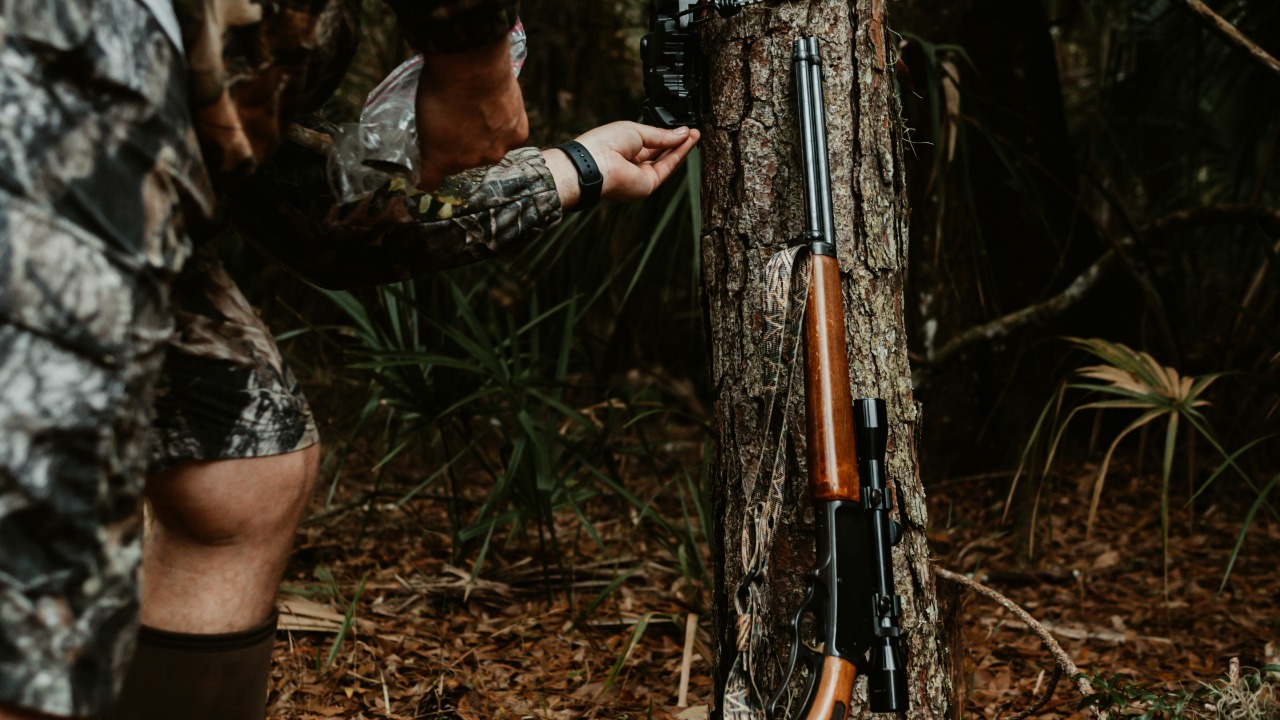
Long before a hunter ever sees a deer, the first giveaway is often sound. The most mortifying moments tend to start with the tiny noises people swear nobody heard: the zipper that rasps at the worst possible second, the plastic wrapper that crackles like a loudspeaker, or the cough that refuses to stay suppressed. Accounts of “accidental sound effects” describe how a single clank of metal or a dropped thermos can send an entire clearing into instant silence, followed by the soft crash of animals vanishing into cover, leaving the hunter frozen and furious at their own carelessness.
Those who have written about these mishaps point out that it is rarely the obvious noises that ruin a sit, but the subtle, preventable ones that feel most humiliating. One detailed rundown of awkward field moments notes that a huge share of embarrassment starts with noise, from a squeaky tree stand seat to a poorly timed snack break that ends with a loud crunch and a flagging tail bounding away, and it even warns that some people swear they will never “absolutely eat trail mix again” after a blown opportunity linked to a single bite of food, a pattern that matches the kind of small but devastating errors described in Jan.
Missed shots that haunt the ride home
Few things sting like missing a shot that should have been automatic. Hunters talk about clean, ethical misses as part of the game, but the ones that live rent free in their heads are the close-range opportunities where everything lined up and the bullet or arrow still went wide. Video compilations of hunting “fails” lean heavily on these moments, stringing together clip after clip of hunters whiffing at broadside animals, sometimes at distances that would be routine on the range, and the body language that follows, from hands on heads to silent disbelief, captures how crushing those seconds can feel.
One Compilation of missed shots over three seasons shows exactly why people pretend these episodes never happened, yet keep replaying them in private. The hunters in those clips are not reckless, they are simply human, dealing with buck fever, awkward shooting positions, or rushed decisions as animals move. The embarrassment is sharpened by the knowledge that the camera is rolling, turning what would have been a quiet personal regret into a permanent record that friends can revisit whenever they need a laugh on a slow day in camp.
Tree stand drama and the wrath of Mark
Embarrassment in the whitetail woods is not limited to solo mistakes, it often comes from social missteps that violate unwritten rules. One widely shared story involves a hunter who unknowingly set up on land that another local considered his personal sanctuary, even though the property was open to others. When the interloper climbed into a tree and started rattling antlers, the original regular, named Mark, made his displeasure known in a way that has since become a cautionary tale about checking access and respecting informal boundaries.
According to that account, Mark was so angry that he “threatened to come out of that tree he was in and kick my butt,” then rattled loudly to drive home the point that the newcomer was not welcome and should have known better before hunting a spot where Mark had even hunted on it for years. The mix of humor and tension in that anecdote, preserved in Sep, captures a specific kind of shame: not just blowing a hunt, but realizing in real time that you have stepped into someone else’s long-established routine and are now the punchline in their story.
When “it looked easy online” nearly turns deadly
Modern hunting culture is saturated with how-to videos and highlight reels that can make complex pursuits look deceptively simple. That illusion has led some newcomers to skip critical preparation, with consequences that are more frightening than funny. In one candid video, a hunter named Nov describes how he “almost died” on a deer hunt after assuming he could just get up and go without doing basic research on terrain, weather, and safety gear, calling himself “the idiot that I am” for treating the trip like a casual outing instead of a serious backcountry effort.
Nov’s account, shared in a detailed Nov video, is excruciating precisely because it is so relatable. He talks about underestimating the physical demands, misjudging how quickly conditions could change, and realizing too late that he lacked the knowledge to navigate safely. The embarrassment in his voice is not about missing a buck, it is about recognizing that overconfidence nearly put him in a rescue report. That kind of story has become a quiet warning in hunting circles: if you are going to imitate what you see on screen, you had better match the preparation, not just the aesthetics.
Slapstick in camo: viral bloopers and pratfalls
Some of the most shared hunting clips are pure slapstick, the kind of physical comedy that would fit on a blooper reel from any sport. Hunters trip over logs while trying to stalk, fall backward off stools in blinds, or get knocked flat when a recoil surprises them. One popular video from Jun strings together “hunting bloopers, fails, and funny moments” that show everything from hats flying off during a shot to partners laughing so hard they can barely keep the camera steady, turning what might have been private embarrassment into communal entertainment.
In that Jun collection, the creators even invite viewers to subscribe, like the video, and leave a comment to enter a giveaway, effectively rewarding people for engaging with the most awkward seconds of someone else’s season. The tone is light, but the underlying message is that if you spend enough time in the field, you will eventually slip, drop something, or misjudge a step in a way that looks ridiculous on camera. Hunters who embrace that reality, instead of pretending it never happens, often end up with stronger bonds in camp and a healthier perspective on the inevitable mishaps that come with time outdoors.
The hunter who could not outsmart the “dumbest” deer
Not every embarrassing moment involves a missed shot or a noisy mistake. Sometimes the humiliation comes from being thoroughly outwitted by an animal that, on paper, should have been easy to tag. A widely discussed clip labeled “Worst Hunter vs. Dumbest Deer” shows a person failing repeatedly to capitalize on an almost absurdly cooperative deer, to the point where viewers debate who is actually less aware of what is going on. The scene has been described as putting “a really vivid image” in people’s minds of a hunter who cannot close the deal even when the odds seem stacked in their favor.
Comments on that Jun thread capture a specific flavor of secondhand embarrassment, as people imagine themselves in the same position, fumbling through basic decisions while the animal stands there. The label “dumbest deer” is tongue in cheek, but the real target of the joke is the human who proves that gear and opportunity mean little without composure and judgment. For many hunters, watching that exchange is a reminder that the line between a triumphant story and a humiliating one can be as thin as a single rushed move or a moment of tunnel vision.
Campfire confessions and the culture of pretending
Even as these stories circulate online, most hunters still maintain a careful divide between what they admit publicly and what they share only with trusted partners. Around the fire or in the truck on the way home, people will finally confess to the time they forgot to chamber a round, sat in the wrong stand all morning, or waved at what they thought was a fellow hunter only to realize it was a deer staring straight at them. The phrase “everyone pretends it never happened” reflects a real instinct to protect pride, especially in communities where skill and composure are badges of honor.
Yet the same culture that hides these moments also depends on them to pass along hard-earned lessons. Stories like the noisy snack that spooked a buck, the territorial reaction from Mark in the tree, or the near-disaster recounted by Nov become informal training sessions for younger or less experienced hunters. By turning embarrassment into narrative, people create a shared language of what not to do, even if they still insist, with a grin, that the worst of it “never really happened” the way their friends remember.
Why the funniest mistakes are also safety warnings
Look closely at the most entertaining hunting mishaps and a pattern emerges: the line between comedy and danger is often thin. A slip on a frosty ladder that ends with a harmless thud could just as easily have been a serious fall. A careless muzzle swing caught on camera as a joke is, in reality, a near miss that should prompt a safety talk. When Nov admits he skipped research and almost paid for it with his life, or when a blooper reel shows someone losing control of a firearm under recoil, the laughter is often mixed with a quiet sense of relief that nothing worse happened.
That is why seasoned hunters often treat these stories as more than just entertainment. The same clips that make people laugh in a Compilation of misses or a Jun blooper montage are also used to reinforce habits like checking stands, securing harnesses, and rehearsing safe gun handling until it is automatic. Embarrassment becomes a teaching tool, a way to make dry safety rules memorable by attaching them to vivid, real-world examples that nobody involved is likely to forget.
Owning the cringe and keeping perspective
In the end, the most mortifying hunting moments are a kind of tax on time spent outdoors. The longer someone chases whitetails, elk, or ducks, the more likely they are to collect stories that they would rather not see replayed on a big screen. What separates resilient hunters from those who burn out is not a spotless record, but the ability to own the cringe, laugh at it, and extract something useful from the experience. The hunter who admits to rattling at the wrong time, dropping a call, or misreading the wind is usually the one who adjusts and improves.
As more of these episodes are captured on phones and action cameras, the pressure to appear flawless will only grow, but so will the archive of proof that nobody is. From the accidental noises that clear a field, to Mark’s furious rattling in a shared tree, to Nov’s near-fatal miscalculation, the stories that people pretend never happened are quietly reshaping how the next generation approaches the woods. I see that as a healthy shift: if the price of better safety and humility is a few viral clips and some red faces around the fire, it is a bargain most hunters should be willing to pay.

Leo’s been tracking game and tuning gear since he could stand upright. He’s sharp, driven, and knows how to keep things running when conditions turn.