What Experienced Outdoorsmen Look for in a Knife
When you spend real time in the backcountry, a knife stops being gear and starts being life support. The folks who live outside the trailhead parking lot know that the wrong blade can turn a minor problem into a serious one, while the right one quietly handles camp chores, game, and emergencies for years. What experienced outdoorsmen look for is not flash or marketing, but a tool that will still be working when the weather turns and the truck is a long way off.
After decades of carrying knives in elk camps, river canyons, and winter timber, I have seen the same priorities come up again and again. Seasoned hunters, trappers, and bushcrafters talk about steel, grind, tang, and handle the way rifle cranks talk about twist rates. The details matter, and the difference between a good knife and a great one usually shows up on day three of a hard trip, not in the store display.
1. A Knife Matched To The Job, Not The Display Case
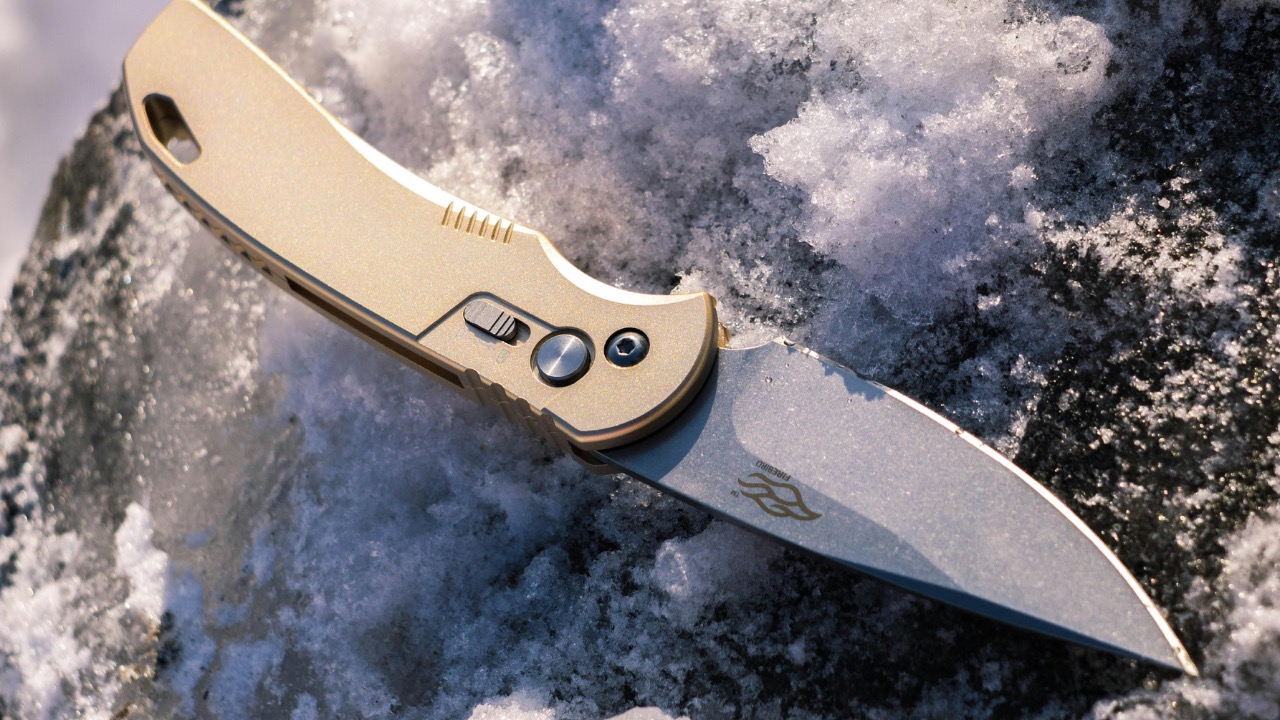
Veteran woodsmen start by asking what the knife actually needs to do, not how it looks. A survival blade that has to baton firewood, pry, and carve traps is a different animal from a caping knife that only sees thin hide and delicate cuts. Jan and What both point out that a true survival knife is built for emergencies and for working in the field with limited means, which is why experienced users separate their camp, hunting, and survival roles instead of forcing one blade to do everything poorly. When I pack for a week in elk country, I want a stout general purpose knife on my belt and a finer blade in my kill kit, because I know each will be pushed hard in its lane.
That same thinking shows up in how serious outdoorsmen build a small “quiver” of blades. One heavy fixed blade might handle wood processing and shelter work, while a lighter folder or compact fixed blade rides in a pocket for everyday tasks. Jul and What talk about what to Look For in an Outdoor Knife and explain that comparing a Fixed blade to a folder comes down to how much abuse the knife will see and how fast it needs to be accessed. The more your knife is expected to split kindling, twist in knots, or scrape bone, the more that primary tool needs to be a purpose built workhorse, not a fancy conversation piece.
2. Fixed Versus Folding: Reliability First
Ask a group of experienced hunters what they trust when things go sideways and most will point to a fixed blade. In a true survival situation or during intensive bushcraft projects, that pivot on a folder is a liability, which is why seasoned outdoorsmen gravitate toward the rugged reliability of a fixed blade for their main field knife. When you are batoning through frozen spruce or twisting the blade to free it from a stubborn knot, the last thing you want in your hand is a joint that can fail or a lock that can slip under torque.
That does not mean folders have no place in the kit. They shine as compact, easy to carry tools for lighter chores, and They are ideal for hiking, backpacking, and everyday tasks where space and weight matter more than brute strength. I carry a small locking folder in my pocket almost every day, but when I am heading into rough country, the knife that rides on my belt is a fixed blade that can take abuse without complaint. Jul and Comparing fixed and folding options makes it clear that the more you expect to hammer on a knife, the more that primary blade should be a fixed design that will not fold under pressure.
3. Full Tang Construction And Real Strength
Once you decide on a fixed blade, experienced users immediately start talking about tang. Full tang construction, where the steel of the blade runs as one piece through the entire handle, is non negotiable for a serious survival or bush knife. Jan explains that in a survival context, a full tang is critical because it resists breakage when prying, batoning, or chopping, and that is exactly when a failure would hurt you most. When I look at a field knife, I want to see steel all the way through the handle, not a hidden stick tang that can snap under side load.
Manufacturers that build hard use knives lean into this. FULL and TANG and DESIGN language like We Made Sure That The Knife Was built with Full Tang Construction To Ensure That Professional Feel And Balance To It is not marketing fluff, it is a nod to what experienced users demand from a serious survival knife. Some makers even spell it out plainly, with a simple Yes when they state that all their fixed blade knives are full tang so the steel goes all the way through the handle for maximum strength and balance on hard jobs. When you are miles from the truck, that continuous piece of steel is what keeps your knife in one piece when you are doing things with it that would make a kitchen chef cringe.
4. Blade Shape, Grind, And Length That Actually Work
Outdoorsmen who use knives daily pay close attention to blade shape and grind because those details decide how the knife cuts, carves, and penetrates. Purpose and precision matter, and the shape of a blade, combined with its sharp edges, is purpose driven, which is why Certain blade shapes are optimized for slicing, piercing, or chopping and even affect a knife’s strength in heavy duty tasks. A drop point with a generous belly is favored for field dressing and general camp work, while a straighter edge and finer tip might be better for carving notches or processing small game. I have seen more than one hunter curse a dramatic recurve or aggressive tanto when it came time to skin a deer in fading light.
Length is another place where experience trims away fantasy. Key Features and Look For in the Best Camping Knife show that Most campers prefer blades between 3 to 5 inches for general camp chores, which lines up with what I see in real camps. That range gives you enough reach to slice food, feather sticks, and process kindling without turning the knife into a short machete that is clumsy on fine work. When I am choosing a primary belt knife, I want a blade that sits in that middle ground, long enough to bite into wood and short enough that I can choke up on the spine and do careful work without feeling like I am holding a sword.
5. Steel That Matches Your Country And Your Habits
Steel choice is where a lot of new buyers get lost in the weeds, but experienced outdoorsmen think about it in very practical terms. The best hunting knife steel is the one that fits your environment, usage, and maintenance preferences, and Some users will prioritize edge retention while others care more about toughness or corrosion resistance. If you spend your time in wet coastal timber or saltwater marsh, a more stainless steel makes sense, while a dry mountain hunter might lean toward a tougher, higher carbon option that holds an edge through bone and hide. I have carried blades that would rust overnight in a damp tent but held an edge for an entire elk, and others that shrugged off rain but needed more frequent touch ups.
Simpler steels like 420HC or AUS and 8 are easier to maintain and still perform well with regular care, which is why many working guides and meat cutters stick with them instead of chasing exotic alloys. Advice that says Choose a steel that fits your willingness to sharpen and the conditions you hunt in is worth listening to. Choosing the right steel depends on your specific outdoor activities and the environments you will encounter, so a knife that lives in a whitetail stand in the Midwest might be very different from one that rides on a belt in coastal Alaska. When I pick steel, I ask myself how often I am willing to sharpen, how wet my world is, and whether I am more likely to chip a hard edge on bone or roll a softer one on wood.
6. Survival And Bushcraft Priorities
When the knife is meant for survival or bushcraft, the checklist tightens up even more. Jan and What describe a survival knife as one designed for emergencies and for working in the field with limited means, which is why experienced users look for a stout spine, a comfortable handle, and a blade that can carve, baton, and slice without being specialized to the point of uselessness. Dec and Now and However all show that the modern “survival knife” has earned its name by being a generalist tool that can handle shelter building, fire prep, and basic food processing, not a fantasy blade with saw teeth and hollow handles.
For bushcraft, the focus shifts slightly toward carving and woodcraft. Oct walks through criteria for the best bushcraft knife, emphasizing a blade that rides comfortably in your pack or on your belt and can handle tasks like feathering sticks, notching traps, and light chopping. In a true survival situation or during intensive bushcraft projects, that pivot is a liability, which is why seasoned outdoorsmen favor the rugged reliability of a fixed blade that can be hammered through knots without worrying about a lock failing. When I am teaching new campers, I tell them that if they want one knife to learn bushcraft with, it should be a mid length, full tang fixed blade with a neutral handle and a grind that bites into wood without wedging.
7. Camp And Hunting Knives As Everyday Work Tools
In real camps, knives spend more time doing chores than starring in survival scenarios. Sep and What Is a Camp Knife explain that a good camp blade has a proven shape, nothing wild, but a design that can handle multiple tasks like food prep, rope cutting, and light wood work. Blade and Camp descriptions point out that these knives are not meant to be choppers, they are meant to be do all tools that live on your belt or in your pack and get used every day. I have seen the same plain 4 inch camp knife slice bacon, whittle tent stakes, and clean trout on the same evening, which is exactly what a camp knife should do.
On the hunting side, the priorities narrow toward processing animals cleanly and safely. Knives are simply a tool for most of us to prepare food, open boxes, or even process animals with, and for veterans and LEO who spend time in the field, a reliable hunting knife is part of staying efficient and out of harm’s way. Key Features and Look For in the Best Camping Knife note that Blade Type and Length matter, and that Most hunters and campers settle on moderate blade lengths that give control around joints and bone. When I am breaking down a deer, I want a blade that can slide under hide without poking guts, and that usually means a modest drop point with a fine tip and a handle that stays locked in even when things get slick.
8. Handle, Ergonomics, And Grip In Bad Conditions
Experienced outdoorsmen obsess over handles because they know a knife that feels fine in the store can be miserable when your hands are cold, wet, or bloody. Dec and Comments Section discussions about Handle comfort stress that Like any good tool, it should feel good in multiple grips, not just one perfect hand hold. I look for a handle that fills the hand without hot spots, with a shape that lets me choke up for fine work or slide back for more leverage, and I pay attention to how it feels when I simulate twisting and pulling cuts, not just straight slices.

Asher was raised in the woods and on the water, and it shows. He’s logged more hours behind a rifle and under a heavy pack than most men twice his age.