The costs nobody mentions when banning something
Public debates about bans usually focus on morality and safety, not on the quiet trail of costs they leave behind. Whether the target is a book, a card game, a drug, or a social app, the decision to outlaw something reshapes budgets, markets, and trust in ways that are rarely part of the headline argument. I want to map those hidden tradeoffs, from taxpayer spending and black markets to the strange way prohibition can make the banned thing more desirable than it ever was before.
The seductive simplicity of “just ban it”
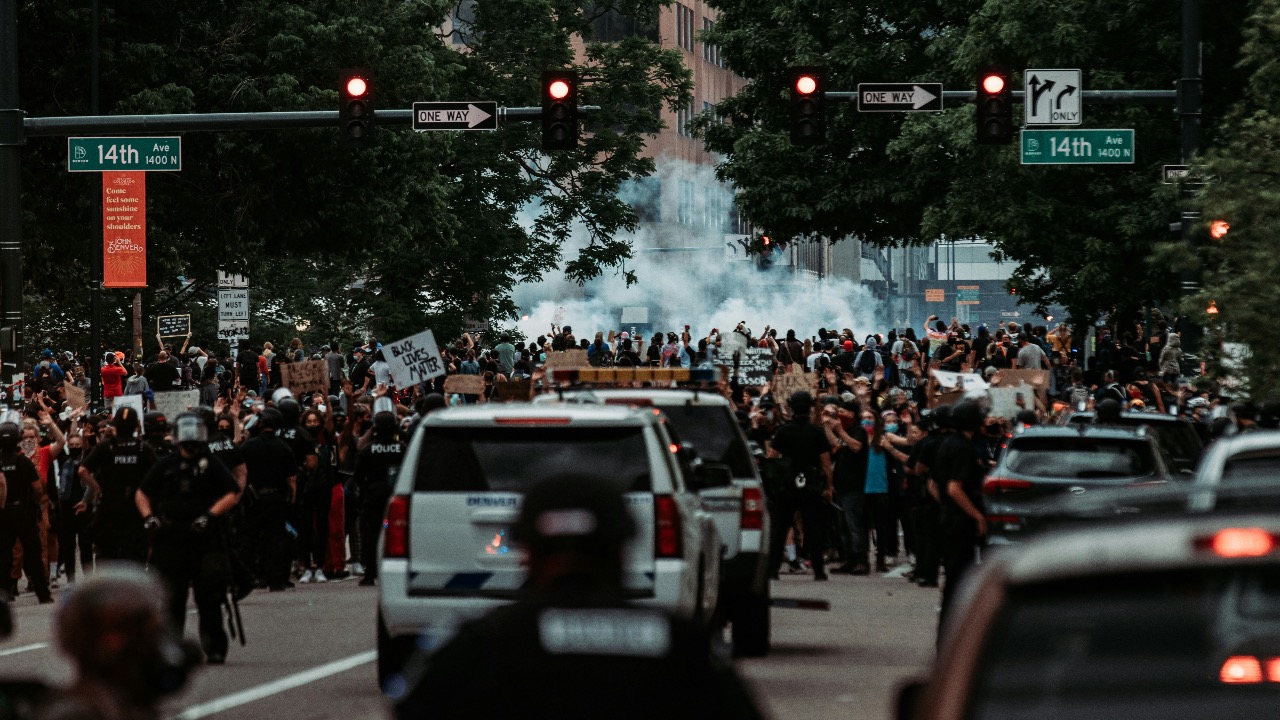
Calls for bans often arise in moments of fear or frustration, when a community wants a fast, decisive response. It is emotionally satisfying to imagine that drawing a legal red line will make a problem vanish, especially when the target is framed as corrupting children, destabilizing markets, or undermining public order. I see that impulse in everything from local fights over school library shelves to online arguments about whether certain technologies or games are simply too harmful to be allowed.
Yet the simplicity is deceptive, because a ban is not a magic eraser, it is a policy choice that creates a new system of enforcement, incentives, and workarounds. Commenters in one online discussion about restricting technology pointed out that we already live with many risky tools, from fire to medication, and manage them with norms, education, and targeted rules rather than blanket prohibitions. When I look closely at how bans actually function, the pattern is consistent: they shift costs rather than eliminating them, and those costs often land on people who were never part of the original problem.
How bans quietly drain public budgets
The most obvious but least discussed cost of banning something is financial. Every prohibition requires people to write policies, investigate complaints, process challenges, and enforce the rules, all of which are paid for with public or private money that could have gone elsewhere. In cash strapped institutions, that tradeoff is not theoretical, it shows up as fewer staff hours for core services, delayed maintenance, or cancelled programs.
School districts provide a stark example. When officials decide to remove titles from libraries, they do not simply pull books off shelves, they assign employees to read, review, and document each challenged work, often in response to organized campaigns. One report on school book removals describes districts diverting scarce funds and staff time into these efforts, even as they struggle to pay for basic classroom needs. The result is that a ban framed as protecting students ends up consuming the very resources that might have supported their learning in more direct ways.
Taxpayers footing the bill for censorship work
Those institutional costs ultimately roll downhill to taxpayers, who rarely see a line item labeled “censorship administration” on their bills but pay for it all the same. When a district or library system ramps up its review process, the salaries of the people doing that work are covered by public money. That means every hour spent combing through a novel for objectionable passages is an hour not spent on tasks like expanding access, improving literacy programs, or modernizing facilities.
One advocacy group leader captured this tradeoff bluntly, noting that Your taxpayer dollars pay the salary of employees who may now spend much of their time reading books to decide whether they should be removed. I find that detail revealing, because it shows how a moral panic can quietly reassign public servants from building up collections to tearing them down. The public conversation tends to focus on the content of the books, but the financial reality is that residents are funding a parallel bureaucracy of restriction, often without any clear evidence that it improves student outcomes.
When bans create black markets instead of solutions
Beyond budgets, bans reshape the basic economics of whatever they target. Making a product or service illegal does not erase demand, it pushes that demand into the shadows, where it is harder to monitor and often more dangerous. Criminologists have long noted that vice crimes, from drugs to gambling, tend to generate black markets when they are outlawed, because the underlying desire does not disappear simply because lawmakers disapprove.
One commenter in a criminal justice debate summarized this view by arguing that making a product or service illegal is strongly associated with the emergence of black markets. I see that logic play out in everything from unlicensed streaming sites to underground drug sales, where prohibition does not end consumption but instead hands the market to actors who have every incentive to cut corners on safety. The hidden cost here is not just lost tax revenue, it is the increased risk borne by users who now have fewer protections and less recourse when something goes wrong.
The strange power of the forbidden
There is also a psychological cost that is easy to underestimate: banning something can make it more alluring. When authorities declare that a book, game, or app is too dangerous to be encountered, they often imbue it with a mystique that it never had when it was just another option on the shelf. Curiosity, especially among teenagers, tends to spike when adults insist that a particular thing must be kept out of reach.
Writer Dec has argued that banning things can make them powerful, not because of anything inherent in the object, but because of the human tendency to fixate on whatever is withheld. I see the same pattern in parental controls that turn a single app into the forbidden fruit of the household, or in workplace filters that make blocked websites the most interesting ones on the network. The unintended consequence is that a ban meant to reduce attention can actually concentrate it, giving the targeted material a cultural significance it might never have earned on its own.
Collateral damage in hobby and gaming economies
Not all bans involve public law; some are imposed by private companies that control competitive ecosystems, and those decisions carry their own economic fallout. In trading card games, for example, banning a card from official play can instantly wipe out its market value, leaving local stores and players holding expensive cardboard that no longer serves its intended purpose. The policy may be justified on balance grounds, but the financial shock is real for people who invested in good faith.
In one Magic: The Gathering, players debated how much value was lost when a particular card was banned, with some arguing that the decision disproportionately hurt those who had paid high prices. Another commenter, Sibboguy, asked whether expensive cards should be more protected from bans, precisely because of the financial stakes. I read that as a sign of how rule changes, even in leisure spaces, can redistribute costs in ways that feel arbitrary to those who end up on the losing side.
Local businesses and the ripple effects of design bans
The economic ripples extend beyond individual collectors to the small businesses that depend on predictable rules. Game shops, for instance, often buy inventory months in advance based on what they expect will be legal and popular in tournaments. When a company suddenly bans a key card or mechanic, those stores can be left with boxes of unsellable stock, a hit that can be devastating in a low margin retail environment.
In the same Magic community, one commenter named Nate Russell Valid argued that WOTC, the company behind the game, should do more to help storefronts hit by sudden bans. I think that plea highlights a broader principle: when a powerful actor imposes a prohibition, whether it is a corporation or a government, it inherits some responsibility for the downstream economic harm. Ignoring that harm does not make it disappear; it simply shifts the burden onto the smallest players in the system.
Why “manage, don’t ban” has growing appeal
Given these costs, it is not surprising that many technologists and policy thinkers argue for management rather than outright prohibition. The idea is straightforward: treat potentially harmful tools the way we treat fire, cars, or pharmaceuticals, with clear rules, age limits, and education instead of blanket bans. This approach accepts that risk cannot be reduced to zero, but contends that informed use is safer and more realistic than trying to stamp out an activity entirely.
One commenter named Jan put it succinctly in a discussion about technology, arguing that solution isn’t banning but setting sensible guidelines, such as limiting use before sleep. I find that framing useful because it reframes the debate from moral purity to harm reduction. Instead of asking whether something is good enough to be allowed at all, it asks how we can structure its use so that benefits are preserved and risks are contained, without incurring the heavy side effects that come with prohibition.
The cultural cost of narrowing what people may read
Beyond money and markets, bans also reshape culture by narrowing what people are allowed to encounter. When a school or library removes a book, it is not just making a logistical decision about shelf space, it is sending a message about which stories and ideas are acceptable. Supporters often argue that they are protecting children from material they are not ready to process, a motivation that can be sincere even when it is contested.
Research on book challenges notes that the act of banning is frequently rooted in good intentions, such as shielding young readers from difficult ideas or explicit content. I do not dismiss those concerns, but I also see a quieter cost: students lose access to perspectives that might help them understand their own lives or those of their peers, and teachers lose tools for guiding hard conversations in a structured way. Over time, a pattern of bans can create a curriculum shaped more by fear of controversy than by educational value, which is a loss that does not show up on any budget sheet but shapes the intellectual climate for years.
What we miss when we ignore the hidden ledger
When I add up these threads, a pattern emerges. Bans consume public funds, redirect staff time, fuel black markets, destabilize small economies, and sometimes make the targeted thing more attractive than before. They can also narrow cultural horizons in ways that are hard to reverse. None of this means that every prohibition is unjustified, but it does mean that the real price is higher and more complex than the initial debate usually admits.
The next time a campaign gathers around the rallying cry of “just ban it,” I think the more responsible question is not only whether the target is harmful, but who will pay for the enforcement, the workarounds, and the unintended consequences. From school districts spending scarce dollars on book reviews to game shops absorbing the shock of sudden card bans, the ledger is full of people who were never at the microphone when the decision was made. If we are serious about solving problems rather than shifting them, we have to bring those hidden costs into the open and weigh them as carefully as the harms we are trying to prevent.

Leo’s been tracking game and tuning gear since he could stand upright. He’s sharp, driven, and knows how to keep things running when conditions turn.