Utah Sen. Mike Lee draws criticism over comments following high-profile killing
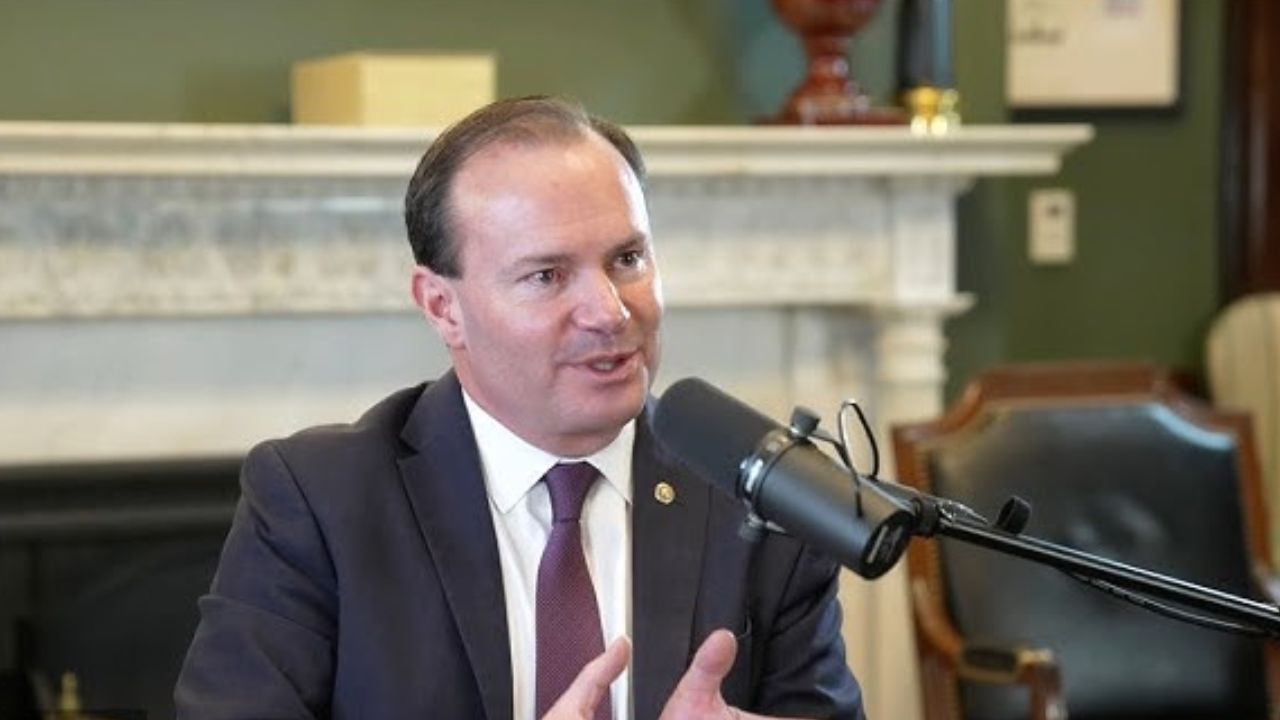
Utah Sen. Mike Lee is again under fire for his rhetoric after the killing of conservative activist Charlie Kirk, this time for urging that the accused shooter be executed in public. The backlash has revived scrutiny of Lee’s social media habits and his past comments about political violence, raising questions about how far an elected official can go in demanding retribution while a criminal case is still unfolding.
Critics say Lee’s language risks inflaming an already polarized climate and undermining confidence in due process, while his defenders argue he is channeling the anger of constituents who saw Kirk as a hero. I look at how his latest remarks fit into a broader pattern, what they reveal about the politics of punishment, and why the reaction in Utah and beyond has been so intense.
The public execution demand that ignited the latest firestorm
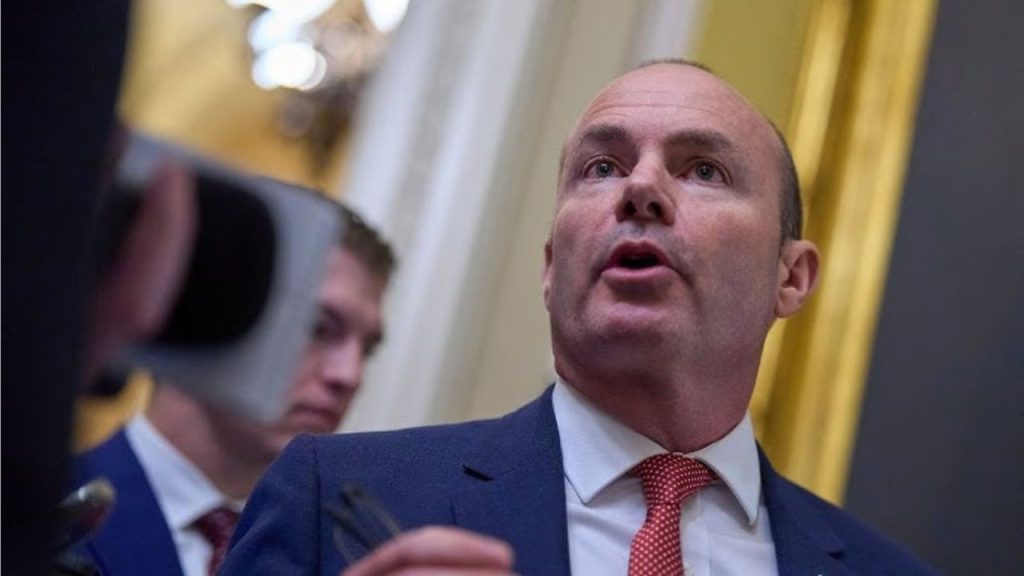
The immediate controversy centers on Lee’s call for the accused killer of Charlie Kirk, Tyler Robinson, to be put to death in front of a crowd. In a widely shared social media post, Lee wrote “Execute Tyler Robinson” and added “In public,” a formulation that critics saw as a deliberate push for spectacle rather than a sober statement about capital punishment. One viral clip framed the message as “NEW: Sen. Mike Lee (R-UT) is calling for Tyler Robinson to be executed in public,” and it drew exactly 988 likes and 139 comments as users debated whether a sitting senator should be demanding a public killing before trial.
Lee did not frame his post as a hypothetical discussion of the death penalty, but as a direct prescription for what should happen to Robinson, who has been charged but not convicted. In a separate account of the same message, he was identified as “Utah Sen. Mike Lee” calling for Charlie Kirk’s alleged assassin to be executed “in public,” language that underscored how personal and pointed the demand was toward both Robinson and Kirk’s supporters. That description of the senator as “Utah Sen” and “Sen. Mike Lee” pressing for a public execution of the man accused of killing Charlie Kirk captured why the post ricocheted so quickly through national politics.
Charlie Kirk’s killing and the emotional backdrop
To understand the intensity of Lee’s reaction, it helps to recall the shock surrounding Kirk’s death. Charlie Kirk, a prominent conservative activist and founder of Turning Point USA, was murdered during a speaking event at Utah State University, an attack that stunned his followers and turned a campus appearance into a national crime story. One account of the case notes that Kirk was killed in Sep during a Utah event, and that the accused shooter, Tyler Robinson, is now at the center of a high profile prosecution that has become a rallying point for the right.
Lee has described Kirk as one of the “greatest figures of his generation,” a phrase that signals how personally he and many conservatives took the killing. In coverage of his social media posts, Lee’s words “Execute Tyler Robinson” and “In public” were quoted alongside his praise for Kirk’s legacy, underscoring how grief and political identity are intertwined in his response. That framing, which ties the senator’s call for a public execution directly to his view of Kirk as a towering figure, appears in reporting on the case that highlights Lee’s role as a Utah lawmaker reacting to a Utah crime involving Charlie Kirk.
How Lee repeated and amplified his call
What turned Lee’s comments from a single incendiary post into a broader political story was his decision to repeat the demand. Local coverage in Utah noted that he called for Tyler Robinson’s public execution twice in less than one week, treating the second statement as a deliberate reaffirmation rather than a one off outburst. That reporting described how “Mike Lee” again invoked “Tyler Robinson,” “Public” execution, and “Charlie Kirk” in the context of Utah politics, and it emphasized that he did so even as questions about due process and fair trial rights were already swirling.
National outlets picked up the pattern as well, describing how “Utah Sen. Mike Lee” had demanded that Kirk’s alleged assassin be executed “in public” and then echoed the same sentiment in a similar post days later. One account stressed that the senator, identified as “Utah Sen” and “Sen. Mike Lee,” was not merely endorsing capital punishment in the abstract but was calling for a specific punishment for a specific defendant, Tyler Robinson, in a case tied directly to Charlie Kir. That repetition is what many legal experts and civil liberties advocates now point to when they argue Lee has crossed a line from commentary into pressure on the justice system.
Due process concerns and the Robinson case
Lee’s rhetoric is unfolding against a complex legal backdrop in the Robinson prosecution. As the case moved forward, Kirk’s widow filed a speedy trial notice, a procedural step that sparked its own wave of online commentary and confusion. One detailed account noted that, as the filing circulated publicly, questions and criticism spread online, much of it centered on misconceptions about what the notice meant for the timeline and fairness of the proceedings, and it described how “As the” document became a flashpoint, the court had not yet received a formal response from Robinson’s defense team.
Legal analysts worry that calls for a public execution from a sitting senator could compound those misconceptions by suggesting that the outcome is already politically ordained. In Utah, where the case is being tried, the same coverage that described the speedy trial notice also warned that public rhetoric was escalating around the Robinson case, with some observers explicitly linking Lee’s comments to a broader climate of pressure on judges and jurors. That reporting, which framed the widow’s filing and the senator’s posts as parallel developments in a single narrative, appears in a Utah based account of how the trial timeline and public debate are colliding in the Robinson case.
A pattern of inflammatory posts after political violence
The uproar over Lee’s public execution comments did not emerge in a vacuum. Over the summer, he faced intense criticism for social media posts that appeared to make light of the killing of a Democratic lawmaker in Minnesota. One local report described how “Utah Sen. Mike Lee” posted what looked like jokes about the man who police believe shot the legislator, prompting backlash from constituents who saw the posts as mocking a political assassination. That account, which identified the coverage as coming from “SALT,” “LAKE,” and “CITY,” underscored that the criticism was not just national but deeply rooted in his home state of Utah Sen.
Another account of the same episode described how “Senator Mike Lee of Utah” posted a pair of messages that mocked the attack on the Democratic lawmaker in Minnesota, and noted that the posts drew reactions from thousands of users, including a specific mention that they were seen by Fitzgerald and 3.8K others. That description of “Senator Mike Lee of Utah” targeting a “Democratic” victim in “Minnesota” reinforced the perception that he was willing to turn deadly violence into partisan fodder, a perception that now colors how many people interpret his calls for a public execution in the Robinson case. The Minnesota posts, preserved in coverage that highlighted the reaction from Democratic circles, are now being revisited as part of a broader pattern.
Backlash, deleted posts, and Senate level criticism
The Minnesota episode escalated quickly once Lee’s colleagues and national observers weighed in. One detailed report explained how “Sen. Mike Lee” deleted controversial posts about the Minnesota shootings after a wave of backlash, and quoted critics who said that to attempt to politicize the tragedy was absolutely unacceptable. That account noted that the posts were removed from his account on a Tuesday afternoon, and it framed the deletion as a tacit acknowledgment that the original comments had crossed a line in the context of the “Minnesota” killings, even if Lee did not issue a full apology.
Other coverage focused on how the reaction spread within the Senate itself. A Utah based report said that “Lee’s” fellow members of the “Senate” did not take kindly to the apparent joke, quoting one colleague who began a rebuke with the phrase “What the” senior senator from “Utah” had posted. That same outlet later highlighted how backlash continued to swell over the comments that “Utah Sen” Mike Lee had made, noting that the controversy even drew attention from late night host Jon Stewart on The Daily Show. Those details, captured in a piece that described how criticism of Lee’s “joke” kept building, are preserved in coverage of the backlash and in a separate Instagram reel that opened with the line “Backlash has continued to swell over comments that Utah Sen” Mike Lee made.
Social media metrics and the politics of outrage
Lee’s critics often point to the engagement his posts receive as evidence that he is not just venting but actively stoking outrage. The Instagram clip that framed his call for a public execution as “NEW: Sen. Mike Lee (R-UT) is calling for Tyler Robinson to be executed in public” did not go unnoticed in Utah political circles, in part because of its precise engagement numbers of 988 likes and 139 comments. Those figures, which were highlighted in the same post that named “Jan,” “NEW,” “Sen,” “Mike Lee,” and “Tyler Robinson,” show how quickly a few words from a senator can reach a large audience when they are packaged as breaking news and shared across platforms.
A similar dynamic played out when local outlets shared video segments about his Minnesota comments. One Instagram reel that opened with the line “Backlash has continued to swell over comments that Utah Sen” Mike Lee made about the Minnesota killings also included a separate note about “Salt Lake City’s own Mary Bocock” being officially Olympic bound, stating that “She” had qualified for the “Olympic” team. That juxtaposition, preserved in a reel that logged exactly 48 likes, illustrates how Lee’s controversies now sit alongside local pride stories in Utah’s social media feeds, reinforcing his role as a polarizing figure in the state’s political culture.
Lee’s Minnesota posts and the Tim Walz connection
The Minnesota controversy also involved a direct shot at the state’s governor, which further inflamed tensions. One Utah based report described how, in another post, Lee made fun of “Minnesota Gov” “Tim Walz,” sharing pictures of the suspect with the caption “Nightmare on Walz Stre,” a play on the governor’s name that critics saw as trivializing the killing. That same account noted that reporters had reached out to Lee’s office for comment about the posts but had not heard back, underscoring how the senator often lets the posts speak for themselves rather than engaging in extended public explanations.
Additional reporting from the upper Midwest detailed how “Republican Sen” “Mike Lee of Utah” took down X posts on a Tuesday after widespread criticism that he was making an apparent connection between “Gov” “Tim Walz and the” man accused in the Minnesota case. That piece, which emphasized that the senator is a Republican and that the posts were removed only after they drew heavy scrutiny, framed the episode as part of a broader pattern of national figures inserting themselves into state level tragedies. A brief from another outlet, which referred to him as “Sen. Mike Lee” and “Republican Sen” “Mike Lee of Utah,” likewise noted that the controversial X posts were taken down on a Tuesday after they had already circulated widely, reinforcing the sense that Lee tends to retreat only after a backlash has fully formed around his posts and the criticism.

Leo’s been tracking game and tuning gear since he could stand upright. He’s sharp, driven, and knows how to keep things running when conditions turn.