Trump warns Iran against nuclear escalation and protester killings
President Donald Trump has drawn a stark red line for Iran, warning that its nuclear advances and lethal repression of protesters could trigger American military action. His message pairs a demand that Tehran curb its atomic program with an insistence that security forces stop killing demonstrators, tying together two of the most volatile issues in the region.
The warning comes as United States forces mass in the Gulf and Iranian leaders vow to resist pressure, raising fears of a direct clash between Washington and Tehran. I see a moment in which nuclear diplomacy, human rights and raw military power are colliding, with little margin for miscalculation on either side.
Trump’s twin ultimatum to Tehran
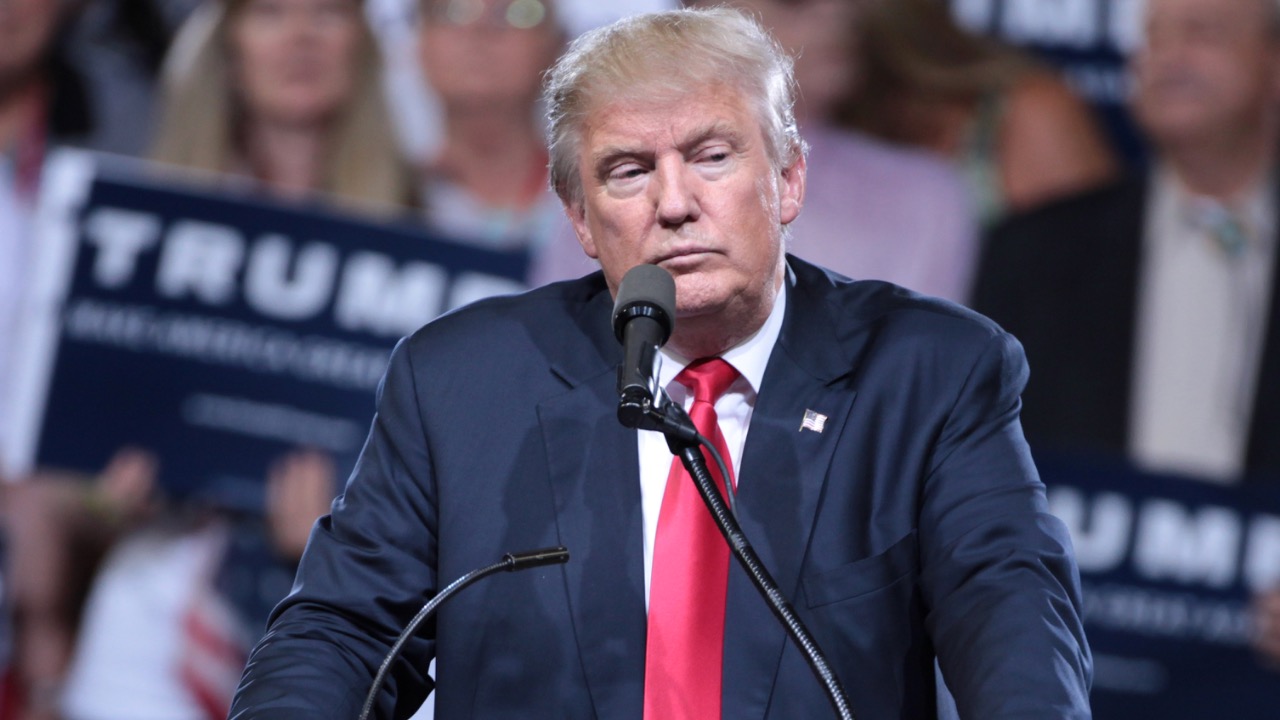
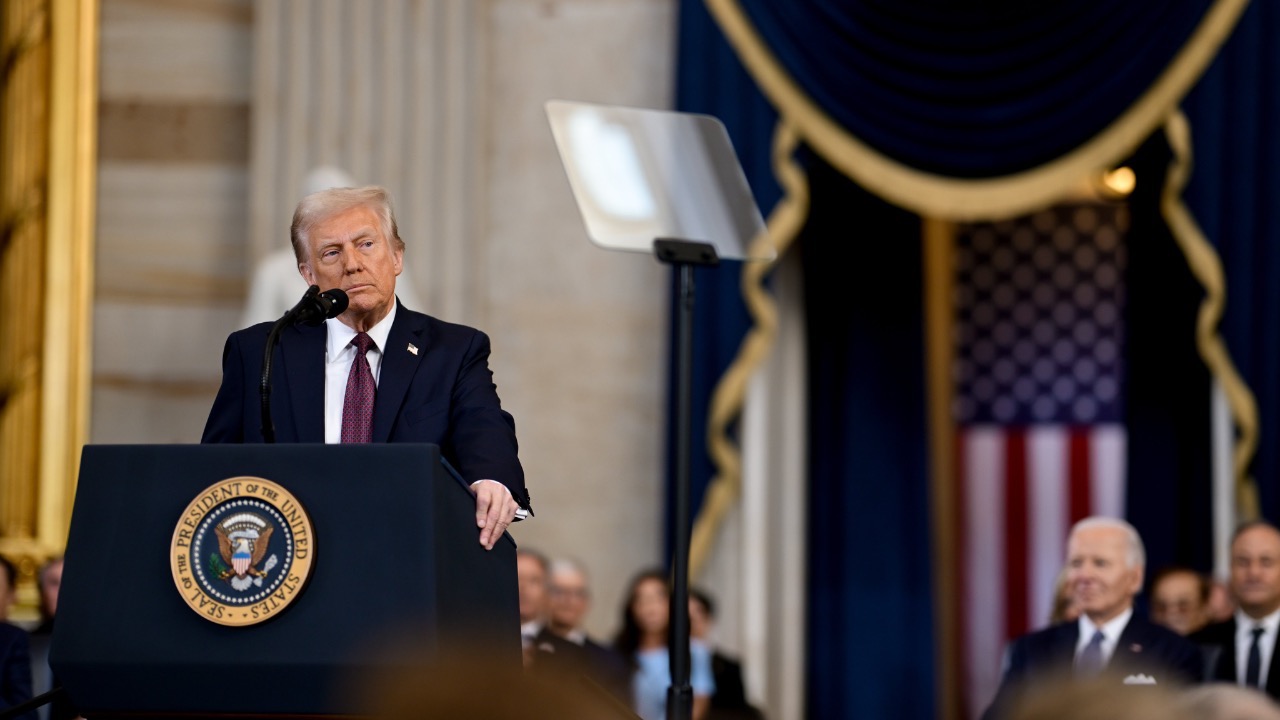
In his latest public comments, President Donald Trump has boiled his Iran policy down to what he calls two non‑negotiable demands: Iran must abandon its nuclear ambitions and it must stop killing protesters. He has framed these as the conditions for avoiding a new round of American military strikes, telling audiences that he has made this message explicit to Iranian leaders as United States forces build up in the Gulf region, including around key shipping lanes that carry much of the world’s energy supplies, according to reporting by Donald Trump. By linking nuclear restraint to the treatment of demonstrators, he is elevating human rights to the same level as strategic security in his public rhetoric.
Trump has also warned that time is running out for Iran to strike a deal on its nuclear program, a message he has repeated in televised remarks where he stresses that the United States is prepared to defend its interests if necessary. In one broadcast, he is described as telling viewers that Iran faces a narrowing window to reach an agreement while he signals that Washington will not tolerate further escalation, a stance captured in coverage that notes how time is runningout. For Tehran, that creates a dilemma between conceding on issues it has long treated as sovereign prerogatives and risking a confrontation with a United States president who has already shown he is willing to use force.
Military buildup in the Gulf and the ‘armada’ message
Trump’s words are backed by a visible show of force at sea, which he has described as an armada heading toward Iran. United States officials have confirmed that a large naval presence, including powerful surface ships and aircraft, has been deployed to the Gulf as part of a pressure campaign designed to convince Tehran that Washington’s threats are not rhetorical, a posture detailed in reports that describe how Trump has paired diplomatic warnings with military maneuvers. The president has portrayed this deployment as both a deterrent and a bargaining chip, suggesting that Iran can avoid a clash if it accepts limits on its nuclear work and changes its behavior at home.
Among the most prominent symbols of this buildup is the carrier USS Abraham Lincoln and its accompanying vessels, which Trump’s allies have highlighted as evidence of American resolve. In one video segment, he is quoted as warning that Iran will face “hell to pay” if it continues on its current path, while commentators note that the naval armada, including the Abraham Lincoln and other ships, is meant to underscore that message. The question of whether a second major naval force could follow has added to the sense of escalation, with regional observers tracking reports that a separate carrier strike group might be positioned to reinforce the first, a possibility raised in analysis that notes how the arrival of one group has already heightened tensions and how a follow‑on deployment would deepen that effect, as described by one analysis.
Iran’s nuclear stance and the legacy of past strikes
Iranian leaders have long insisted on their right to enrich uranium on their own soil, treating domestic nuclear capacity as a matter of sovereignty and national pride. Even when they have been willing to accept strict caps and intrusive inspections, they have resisted demands to dismantle enrichment entirely, a pattern that continues as they respond to Trump’s latest ultimatum, according to reporting that notes how Iran has historically drawn that line. That stance complicates any negotiation, because Washington is now demanding deeper concessions at a time when trust is already low.
The current standoff is also shaped by the memory of earlier United States strikes on Iranian nuclear sites, which Trump has touted as proof of his willingness to act. In public remarks, he has said that those attacks “completely and totally obliterated” key enrichment facilities and set Iran’s program back around two years, a claim that has been widely cited in accounts of the June operation that describe how Donald Trump framed the impact. For Tehran, those strikes are a reminder that the United States is prepared to use force against its nuclear infrastructure, while for Trump they are a precedent he can point to as he warns that further escalation is possible.
Protest crackdowns and the human rights dimension
Alongside the nuclear dispute, Iran is facing intense scrutiny over its response to a new wave of protests that have swept cities including Tehran. Residents in the capital have described a crackdown unlike anything they had witnessed before, with security forces using live ammunition and mass detentions to clear streets, according to accounts relayed by locals who spoke to the BBC. While precise casualty figures remain contested and difficult to verify, the pattern of lethal force has drawn condemnation from Western governments and rights groups, which see the repression as part of a broader effort to silence dissent.
Trump has seized on these reports to argue that Iran’s internal behavior is not just a domestic matter but a trigger for international consequences. He has publicly warned that continued killings of protesters could prompt American military action, a line he has repeated even as some of his own statements have focused more heavily on the nuclear file, as noted in coverage that points out how Trump has sometimes downplayed the protests in specific remarks. For Iranians risking their lives in the streets, that linkage is a double‑edged sword, raising the prospect that their struggle could be used to justify external intervention even as it brings more global attention to their cause.
Dueling threats between Washington and Tehran
The rhetoric has hardened on both sides, with President Donald Trump and senior Iranian officials trading public threats as the crisis deepens. In one exchange reported from DUBAI, United Arab Emirates, Trump is described as warning of severe consequences if Iran continues its current course, while Iranian leaders respond with vows to resist and references to their own capacity to retaliate, a dynamic captured in accounts of how President Donald Trump Iranian officials have escalated their language. The back‑and‑forth has fueled fears that a misreading of intent or a clash at sea could spiral into a broader conflict neither side openly says it wants.
Trump has also suggested that he is open to talks, saying he has planned discussions with Iran even as he highlights the presence of “very powerful” ships in the region. That dual message of pressure and potential diplomacy was evident in a social media post in which he warned Tehran while also hinting at a possible diplomatic track, a posture reflected in coverage of how President Trump has tried to keep channels open. For now, however, the dominant tone is one of confrontation, with each side portraying the other as the aggressor and domestic audiences on both shores watching closely for any sign of weakness.
European and international reactions
While the confrontation is primarily between Washington and Tehran, European governments and international institutions are scrambling to prevent a slide into open war. Officials in Brussels have stressed the need to preserve some form of nuclear agreement and to de‑escalate military tensions in the Gulf, even as they condemn the killing of protesters and call for accountability, a stance reflected in statements and briefings from bodies such as the European Council. European diplomats are trying to balance solidarity with the United States on security concerns with a desire to keep diplomatic channels with Iran alive.
International media coverage has also highlighted the broader stakes, with correspondents such as Jaroslav Lukiv and Kathryn Armstrong detailing how the United States military buildup in the Gulf is reshaping calculations in Tehran and other regional capitals. Their reporting notes that Jaroslav Lukiv and have described a region on edge, with shipping companies, energy markets and neighboring states all bracing for potential disruption. For European governments that still see diplomacy as the only sustainable solution, the challenge is to influence both Washington and Tehran at a time when trust is thin and domestic politics in each capital reward hard‑line postures.
Iran’s official response and narrative
Iranian officials have rejected Trump’s framing of the crisis, insisting that their nuclear program is peaceful and that their security forces are responding to violent unrest rather than peaceful dissent. Foreign Minister Abbas Araghchi, for example, has been quoted as saying that the authorities are dealing with “rioters” and that some of those killed were civilians targeted by violent elements, a narrative reported in coverage that cites how Abbas Araghchi has defended the crackdown. By portraying the protests as externally fueled and inherently violent, Tehran is trying to delegitimize both the demonstrators and the international criticism that has followed.
On the nuclear front, Iranian leaders argue that they have complied with past agreements and that it was Washington’s decision to walk away from earlier deals that created the current impasse. They point to their willingness to accept strict limits and monitoring in the past, while accusing Trump of using the nuclear issue as a pretext for broader pressure aimed at weakening the Islamic Republic, a view echoed in commentary that notes how Language Sections covering the crisis have highlighted Tehran’s insistence on its rights. That narrative plays well at home, where many Iranians see the nuclear program as a symbol of technological progress and resistance to foreign pressure, even as others blame the standoff for deepening economic pain.
Domestic politics and Trump’s strategic calculus
For Trump, the confrontation with Iran is unfolding against a backdrop of domestic political pressures that shape his strategic choices. He has long portrayed himself as a leader who is tough on adversaries yet willing to negotiate from a position of strength, a self‑image reinforced by his references to the earlier strikes on Iranian nuclear sites and his repeated warnings that there will be “hell to pay” if Tehran crosses his red lines, as captured in video segments where he lays out his two demands, to stop going nuclear and to stop killing protesters, while explaining that the military buildup is intended to support that stance, a message summarized in coverage of his “stop killing” message. That framing allows him to present any eventual deal as a victory and any use of force as a reluctant but necessary step.
At the same time, Trump is sensitive to the risk of being drawn into a prolonged conflict that could prove unpopular at home. His emphasis on planned talks and on the possibility of a negotiated settlement reflects an awareness that many Americans are wary of another Middle Eastern war, even as they support efforts to prevent Iran from obtaining nuclear weapons. That balancing act is evident in coverage that notes how NBC has described his shifting emphasis between human rights and nuclear issues in different speeches. For Trump, the challenge is to maintain pressure on Tehran without triggering a backlash among voters who may question the costs of another confrontation in the Gulf.

Leo’s been tracking game and tuning gear since he could stand upright. He’s sharp, driven, and knows how to keep things running when conditions turn.