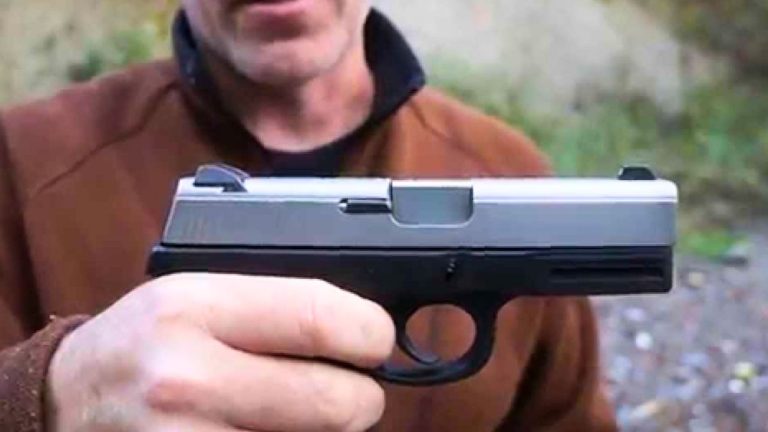
Used firearms offering unexpected value right now
Used firearms have quietly become one of the few corners of the gun market where careful buyers can still stretch a dollar without giving up reliability. Prices on new models keep creeping up, yet certain secondhand pistols and rifles are trading at levels that would have seemed unlikely a few years ago. With the right strategy, it is possible to find durable workhorses, proven training tools, and even collectible pieces that deliver more performance than their price tag suggests.
I see the best opportunities clustering in a few specific categories: classic rimfire rifles, overlooked polymer pistols, military surplus, and older hunting guns that no longer match current fashion but still run hard. The real trick is knowing where to shop, which models to prioritize, and how to separate genuine value from worn-out hardware that will cost more in repairs than it saves at the counter.
Why the used market is suddenly attractive

Sticker shock on new guns has pushed many buyers to reconsider the secondhand rack. Entry level pistols and rifles that once felt affordable now compete with rent and groceries, so a lightly used firearm that has already taken its initial depreciation can look far more rational. At the same time, a lot of owners trade in perfectly serviceable guns when they chase the latest optic cut slide, modular chassis, or new chambering, which leaves a trail of solid, older designs that still do their job extremely well.
That churn creates a gap between perceived and actual value. A polymer pistol that lacks a current marketing campaign can sit unsold even if it has a strong reliability record, while a classic rimfire or surplus rifle might be dismissed as dated despite being ideal for training or hunting. When I look at the racks through that lens, the used market starts to resemble a car lot where last generation pickups quietly undercut flashy new crossovers on both price and durability.
Pawn counters versus traditional gun shops
Where you shop matters almost as much as what you buy. Dedicated gun stores tend to treat used inventory as a premium product, especially when a firearm is in excellent condition, and they often price it close to original retail. By contrast, a pawn counter is usually more focused on turning over loans and inventory quickly, which can translate into more flexible pricing on secondhand guns. That difference in business model is one reason I pay close attention to how a particular shop handles negotiation and markdowns.
In practice, I have seen a Gun store tag a used handgun only a fraction below its new counterpart, while a nearby Pawn operation was willing to bargain on a similar piece that had been in the case for a few weeks. Reports from the trade back this up, noting that Gun shops often guns at prices close to new, while pawn businesses are usually more flexible on pricing. For buyers chasing value, that flexibility can be the difference between walking out with a solid deal or paying nearly full freight for a firearm that has already left the factory once.
Online marketplaces: hype, scarcity and reality
Online auction and listing sites promise nationwide selection, but they do not always deliver bargains. In many cases, the most desirable used guns are bid up to levels that match or exceed new prices, especially when they are out of production or have a cult following. I have watched common models climb well past what a patient shopper could pay locally, driven by competitive bidding and the illusion that every listing is a once in a lifetime opportunity.
Experienced buyers point out that the best finds on large platforms tend to be discontinued or niche guns, and even then, the pricing rarely qualifies as a steal. One detailed discussion noted that the best stuff on a major auction site is often out of production, that Even when you find it you really will not get a deal, and that Also niche guns can be the only category where you might see decent prices. That perspective, drawn from users dissecting sites like Tacswap and similar platforms, is a useful reminder that online convenience often comes at a premium rather than a discount.
Ruger 10/22: the used rimfire workhorse
Among used rifles, the Ruger 10/22 stands out as a near perfect example of practical value. It is a .22 Long Rifle semi automatic that has been around for decades, with a reputation for reliability, easy handling, and a vast aftermarket of magazines, stocks, and triggers. Because so many have been sold, the used market is saturated with them, which keeps prices relatively low while parts and support remain abundant.
Analysts of budget friendly firearms routinely single out the Ruger 10/22 as a foundational piece for any collection, describing the Ruger as The Ultimate Rimfire Workhorse that belongs in almost every safe. In one breakdown of sub 500 dollar options, the rifle is praised for its durability, accuracy, and the way it holds up to years of plinking and small game hunting, with the author noting that a well used example may show cosmetic wear but still has plenty of life and That’s character rather than a flaw. For buyers who want a training rifle, a youth starter gun, or a low cost pest control tool, a secondhand 10/22 often delivers more than its modest price suggests.
Military surplus rifles: history you can still shoot
Military surplus rifles occupy a special niche where history and function overlap. These are long guns that once served in uniform and later entered civilian channels, often after arsenal refurbishment. While the days of truly cheap surplus may be fading, there are still pockets of value where a buyer can pick up a rugged bolt action or semi automatic that is accurate enough for the range or the deer stand and carries a story in every ding and stamp.
One detailed survey of budget firearms highlights Military Surplus Rifles as a category that offers History You Can Shoot, emphasizing that There is something compelling about owning a piece of Military heritage that still performs on the firing line. The author notes that some examples are better suited as wall hangers, but others remain mechanically sound and can be had for under 500 dollars if you are willing to accept mismatched stocks or worn finishes. When I evaluate these rifles, I focus on bore condition, headspace checks, and the availability of affordable ammunition, using guides like Military Surplus Rifles write ups as a starting point rather than a final verdict.
Overlooked budget pistols that actually run
Not every value play wears a famous brand on the slide. In the crowded polymer pistol market, a few manufacturers have quietly produced simple, reliable designs that do not command the same attention as flagship duty guns. Because they lack prestige, these pistols often show up in used cases at prices that undercut more popular models by a wide margin, even when their track record on the range is comparable.
One recent video review of 3 CHEAP GUNS EVERYONE IGNORES points out that some of these pistols and rifles are so straightforward and robust that they almost never come back for service. The host notes that a particular budget polymer pistol company is not usually thought of as a bargain brand, yet it built a handgun that is so simple and so reliable that it has become a quiet favorite among value focused shooters. That kind of field experience, captured in content like the Jan segment of 3 CHEAP GUNS, reinforces what I often see in the used market, where an unassuming pistol with a clean bore and consistent trigger can be a smarter buy than a flashier model with a spotty reputation.
How to inspect a used firearm before you commit
Finding a promising listing is only half the job. The real savings come from catching mechanical or safety issues before money changes hands. I start every inspection by confirming that the firearm is unloaded, then I check the bore for pitting or bulges, examine the crown, and look for signs of corrosion around the chamber and gas system. On semi automatics, I pay close attention to slide rails, locking lugs, and any peening or cracks that might indicate excessive wear.
Function checks are just as important. I cycle the action to feel for grit or binding, test the safety and decocker if present, and dry fire with permission to gauge the trigger. On revolvers, I check cylinder lockup and endshake, while on bolt guns I look for smooth operation and consistent lug engagement. If I am at a Pawn counter or Gun shop that is willing to negotiate, a careful inspection also gives me leverage, since honest cosmetic wear can justify a lower price even when the gun is mechanically sound. That combination of methodical checks and informed bargaining is what turns a used firearm from a gamble into a calculated purchase.
Where used guns still beat new for practical value
There are specific roles where a used firearm can outperform a new one in terms of value. Training and plinking are obvious examples, where a few scuffs on the stock or slide do not matter as long as the gun runs reliably and feeds common ammunition. A secondhand Ruger 10/22, for instance, can serve as a primary training rifle for new shooters, freeing up budget for optics, ammunition, and range time instead of tying it up in a factory fresh box.
Hunting is another area where older designs shine. Many classic bolt action rifles and pump shotguns have seen only a few seasons in the field and then spent years in closets, which means their used prices often lag behind their functional value. Paired with the right optic and ammunition, these guns can deliver clean, ethical shots on game without the premium attached to the latest synthetic stock or proprietary finish. When I weigh those tradeoffs, I often find that a carefully chosen used firearm offers more real world capability per dollar than a brand new model with similar ballistics.
Balancing budget, safety and long term support
Chasing value in the used market does not mean ignoring safety or long term support. I always factor in the availability of spare parts, magazines, and competent gunsmiths when I evaluate a potential purchase. A bargain price loses its appeal if a broken extractor or cracked stock turns the firearm into a paperweight that no one can repair. That is one reason I gravitate toward widely adopted platforms like the Ruger 10/22 and common surplus rifles with established parts pipelines rather than obscure imports.
Budget also has to account for accessories and compliance costs. Transfer fees, background checks, and any required storage or transport gear can narrow the gap between used and new if you are not careful. By approaching the process with a clear ceiling on total spend, a checklist for mechanical condition, and a realistic view of how the gun will be used, I find that the current secondhand market still offers unexpected value. The key is to treat every used firearm as a tool first, a collectible second, and to let performance and support drive the decision more than cosmetics or hype.

Leo’s been tracking game and tuning gear since he could stand upright. He’s sharp, driven, and knows how to keep things running when conditions turn.