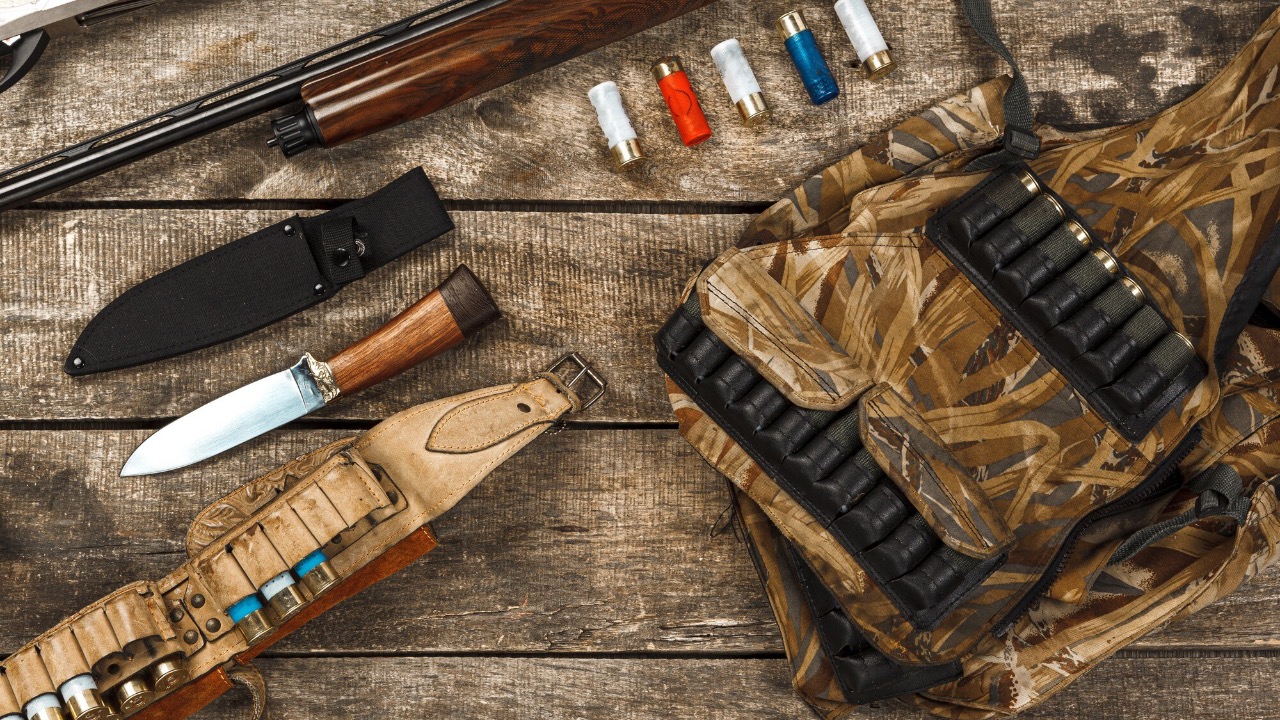
The hunting gear people regret buying after one season
Every hunter owns at least one piece of gear that looked smart in the catalog and ended up buried in a tote by the end of the first season. The pattern is usually the same: big promises, slick marketing, and then a cold, wet, or busted day in the woods that exposes what actually works. The gear people regret most is rarely the cheapest item in their pack, it is the stuff that tried to shortcut skill, comfort, or reliability and failed.
After years of talking with other hunters and watching what survives in real kits, I see the same categories of regret come up again and again. From knives that will not hold an edge to “miracle” cartridges and gimmicky gadgets, the lessons are consistent and expensive. Here is where hunters say their money went to die after a single season, and what I look for instead.
Knives that look cool but will not cut a second season
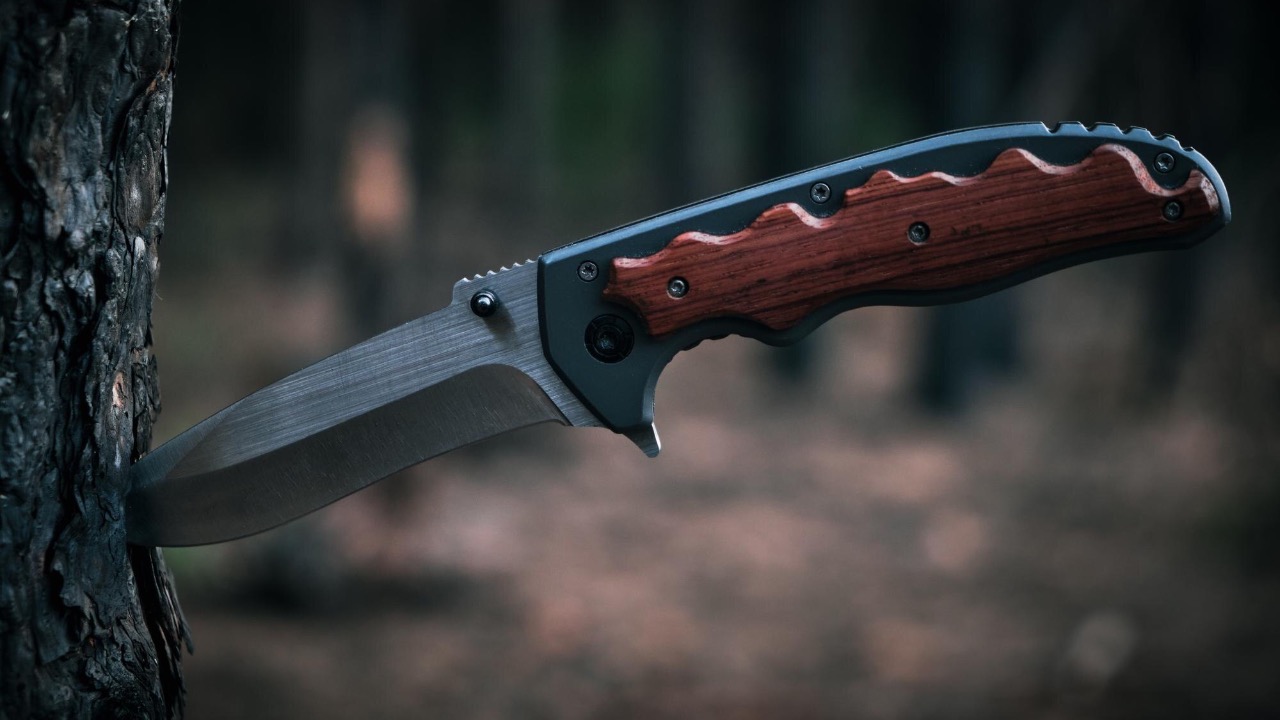
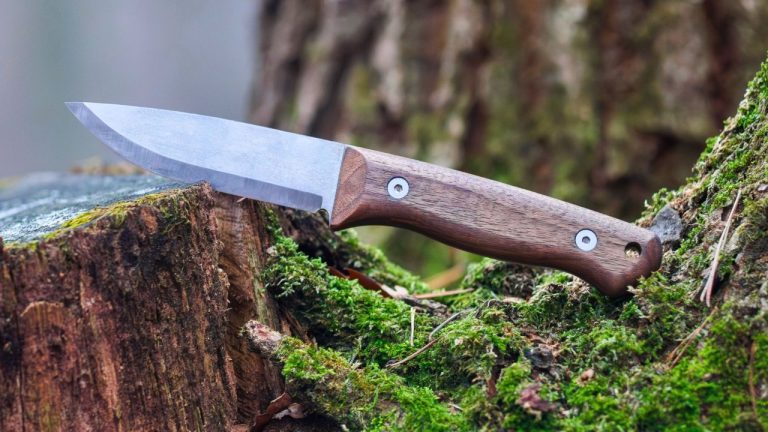
Nothing exposes bad steel faster than a full season of skinning and quartering. The knives hunters regret most are the ones bought for looks or marketing copy, not for edge retention and control. When a blade folds under cartilage, chips on bone, or needs constant sharpening halfway through a deer, it gets left at home the next year. That is why so many experienced hunters warn against flashy “tactical” blades and instead push people toward proven field designs with simple handles and reliable steel.
Knife specialists have gone so far as to list out entire families of blades that hunters are likely to regret, flagging models with poor heat treatment, awkward ergonomics, or fragile tips that snap under real use, and those warnings line up with what I hear in camp. In one discussion of 15 knives that hunters are likely to regret, Story by Josh Clark highlights how many of these problem blades share the same issues: soft steel that rolls, overbuilt frames that add weight without strength, and gimmick features that complicate cleaning. When I pick a knife now, I ignore the window-breaking pommels and serrations and focus on a narrow, controllable blade that I know I can sharpen and trust for a full elk or whitetail without drama.
Cheap “bargain” gear that never leaves the truck
Some of the most regretted gear is not outright broken, it is the stuff that technically works but never earns a place in the pack. Hunters talk about buying budget knives, arrows, or accessories that seemed like a smart way to save money, only to find that they do not trust them when it counts. One hunter called out a Morakniv Companion because he “seriously” questioned whether the blade could hold an edge, and he paired that with disappointment in Deer Crossing arrows that looked promising but did not stay in his rotation. That kind of experience is common: the gear is not unusable, it is simply not good enough to beat out the tools that already work.
Once a hunter has a reliable core kit, every new purchase has to be better than what is already in the truck or it will gather dust. I see that with mid-tier trail cameras that never get hung because the menu is clunky, or with extra packs that ride poorly compared with an old favorite. In the same discussion that mentioned the Morakniv Companion and Deer Crossing, the hunter lumped in other items he “just never” uses, a quiet admission that the real waste is not catastrophic failure, it is buying gear that never earns trust. When I am tempted by a bargain, I ask myself whether I would leave my current knife, arrows, or pack at home to carry this instead. If the answer is no, I keep my wallet closed.
Trail cameras and electronics that promise more than they deliver
Electronics are some of the most common one-season regrets, especially when hunters chase features instead of reliability. Trail cameras are a prime example. Plenty of people buy a stack of budget cams, get a few fun photos, and then discover that inconsistent triggers, dead batteries, and water intrusion make them more hassle than help. One hunter flatly listed Trail Cameras as his Worst purchase, explaining that he Got some cool pictures and Had some success, But in the long run they did not justify the time and money compared with simply scouting and hunting with a saddle and lightweight gear.
The same pattern shows up with other gadgets that claim to replace woodsmanship. In a discussion about what gear is basically a bait, one hunter urged people to Focus on gear that keeps you in the woods longer instead of electronics that break or jam and send you back to the truck. I have watched guys fiddle with Bluetooth rangefinders and app-linked wind meters while deer walked past their old stand tree. The lesson is simple: if a device cannot handle cold, moisture, and rough handling for multiple seasons, it is not worth staking your tag on, no matter how slick the interface looks in the ad.
Clothing that ignores the “no cotton” rule
Ask any veteran hunter about their worst clothing purchase and cotton will come up fast. Cotton hoodies, base layers, and socks feel fine in the store, but once they get damp they stay wet, suck heat, and can turn a promising sit into a shivering grind. One seasoned voice laid it out bluntly, saying There is one overall rule of outdoor clothing: avoid cotton, because it is “pretty much worthless” for keeping you comfortable outside. That is not theory, it is the accumulated verdict of countless cold mornings.
The regret hits hardest for new adult hunters who sink money into branded cotton camo because it looks the part. They find out the hard way that a cheap synthetic base layer under a neutral-colored fleece beats a pricey cotton pattern every time. I have watched people bail on an evening sit because their cotton jeans and sweatshirt were soaked through from a short hike in, while someone in wool and polyester stayed until dark. When I build a kit now, I spend first on moisture management and insulation, not on matching patterns, and I treat any cotton layer as camp wear, not hunting gear.
Overhyped rifles and cartridges that do not fit the job
Firearms are a painful category of regret because the price tag is high and the disappointment is hard to admit. When hunters are honest, they will name specific rifles and cartridges they would not buy again. In one video, the host said he asked hunters one simple question, what rifle they regret buying the most, and the answers poured in across budget and midrange guns, all the way up to models that looked great on paper but did not shoot or handle the way people expected. That candid feedback on Sep rifles shows how often buyers chase trends instead of fit, balance, and real-world accuracy.
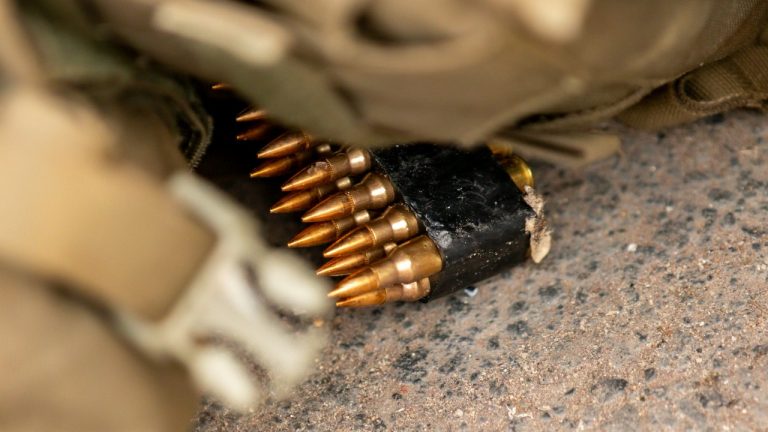
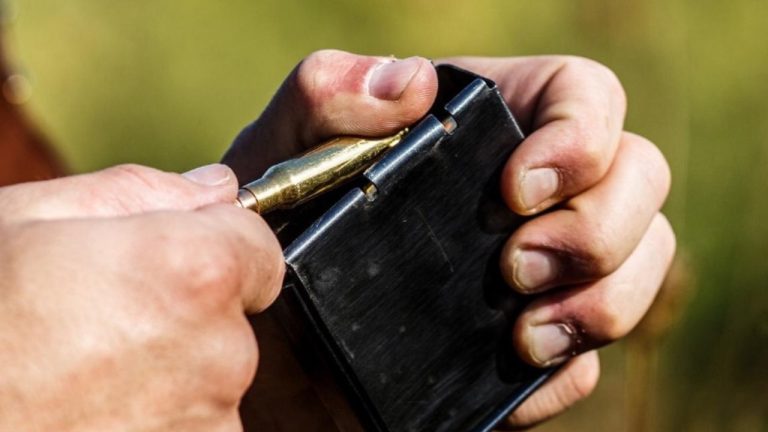
The same creator later asked what cartridge hunters regret buying and reported that a single round topped the list of complaints, a verdict he shared in a short focused on Jan cartridge choices. The reasons were familiar: recoil that did not match the game, ammo cost that limited practice, and performance that did not live up to the marketing. I have seen hunters drag a new magnum into elk camp, shoot it poorly because they hate the kick, and then quietly go back to a milder round the next year. The rifle and cartridge that stay in the safe after one season are not “bad” in a vacuum, they are mismatched to the shooter and the hunt. When I pick a setup now, I care less about what is hot online and more about what I can shoot well from field positions, with ammo I can actually afford to burn at the range.
Gimmicky gadgets and “miracle” accessories
Some gear is regretted not because it fails mechanically, but because it never had a real purpose to begin with. Hunters are constantly pitched gadgets that promise to solve problems that do not exist, from scent-control contraptions to elaborate stand accessories. One of the clearest examples is a tree stand urinal system described as coming with a long tube that ran down the tree to a buried reservoir, a setup the writer called the strangest About the weirdest invention he had ever seen. That kind of product is almost designed to become a one-season joke before it disappears into a garage corner.
Even more “serious” accessories can fall into this trap. On one saddle hunting forum, a hunter admitted he bought multiple units of The HSS gear hoist, thinking they were the best thing since sliced bread and that he could pull up all his equipment with them, only to end with a blunt verdict: The HSS gear hoist, Never again. I have watched the same story play out with bow-mounted rangefinders, overbuilt quivers, and complicated harness add-ons. If a gadget does not clearly save time, weight, or noise, it is likely to become another regret by the end of the season.
Boots and brands that cannot handle real seasons
Footwear is one of those categories where failure shows up fast and brutally. Hunters who walk hard every fall quickly learn which brands hold up and which fall apart. In a discussion of disappointing companies, one hunter named morgancountry singled out Rocky boots, saying he Had 2 pair and both lasted only a couple years, then contrasted that with the fact he Had the same pair of Danner boots for 9 years. That kind of side by side comparison is exactly how reputations are made or broken in deer country.
Boot regret is not always about catastrophic failure, sometimes it is about comfort and fit. A pair that feels fine in the store can start chewing up heels on a long sidehill or leak just enough to chill your feet on an all-day sit. Once a hunter finds a boot that truly works, they tend to stick with it for a decade, which makes every experiment with a new brand a gamble. I have learned to treat boots like rifles: I would rather buy once and cry once than keep replacing cheaper pairs that cannot survive more than a season or two of real use.
Social media “must haves” that do not match your hunt
Plenty of regret starts online. In a Facebook thread titled “Hunting gear purchases you regret?”, one hunter asked, What is something you purchased for hunting due to the hype, but regretted after, and the responses piled up. The post credited Dec as the month and mentioned Keith Finkler and others, with engagement figures that included 243 reactions, a sign of how many people recognized themselves in the question. The common thread was gear that looked great in someone else’s highlight reel but did not fit the buyer’s terrain, budget, or style.
Bowhunters talk about the same thing. In one Reddit thread, a user named wasdmovedme responded to a discussion of big regrets by saying, Agreed, he needed a backup bow but was keeping his restraint and making sure he made a good purchase, noting that he did not practice much under 40 yards and needed something that matched his real shooting. That Aug comment is a quiet rebuke to the idea that everyone needs the latest flagship bow or ultralight saddle. I have watched hunters buy gear tailored to Western backcountry influencers and then struggle to make it work in tight Eastern timber or small farm lots. The fix is simple but not easy: buy for your actual hunt, not for someone else’s feed.
Marketing-driven gear that replaces skill instead of supporting it
Underneath all these regrets is a bigger question about how the modern hunting industry sells gear. In one podcast episode, the hosts asked bluntly, Are us hunters getting played by the outdoor industry, and spent time talking about modern equipment, overpriced accessories, and whether marketing has replaced woodsmanship. That conversation on Oct gear trends echoed what I hear from older hunters who killed plenty of deer with basic rifles, wool, and a pocketknife long before anyone talked about “systems” and “optimization.”

Asher was raised in the woods and on the water, and it shows. He’s logged more hours behind a rifle and under a heavy pack than most men twice his age.