9 Large predators still roaming parts of the U.S. most people forget
For all the talk about grizzlies and great whites, a surprising roster of large predators still roams parts of the United States that most people forget about. I spend a lot of time in those back corners, and the pattern is clear: where prey and cover remain, big hunters hang on. Here are nine real, flesh‑and‑blood predators still working the landscape, often right alongside people who have no idea they are there.
1. Canada lynx
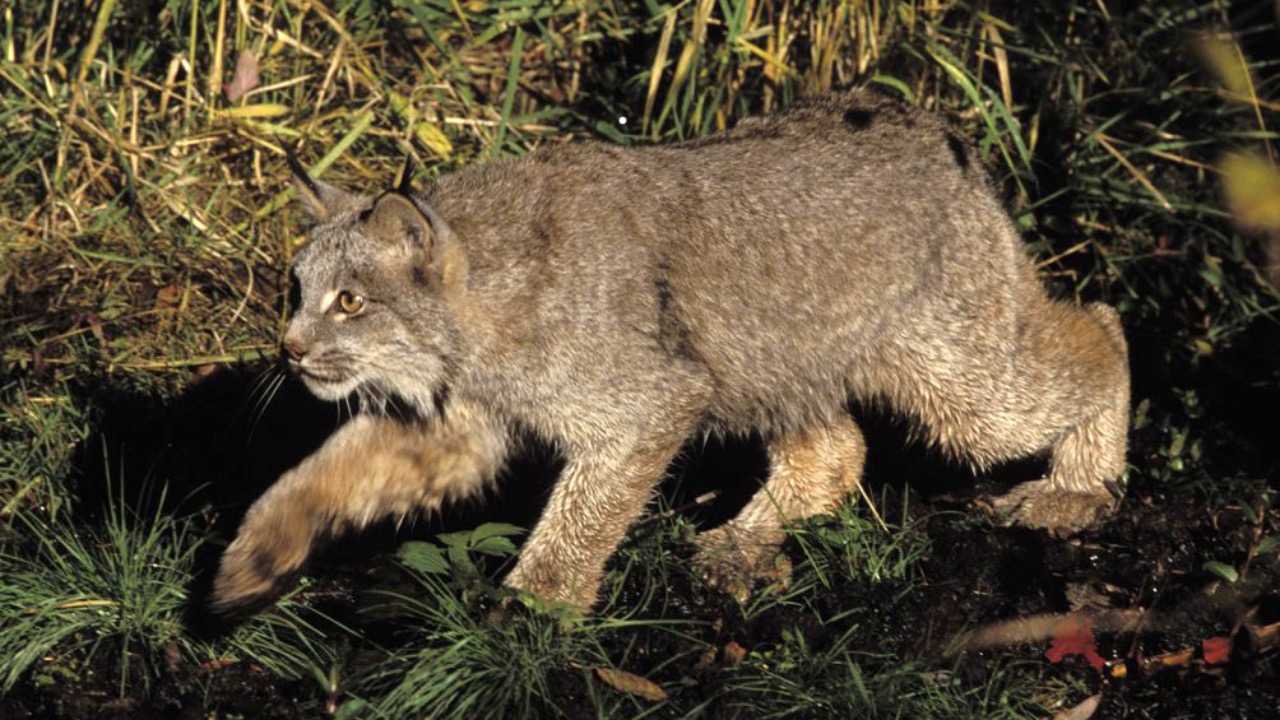
The Canada lynx is a ghost cat of the northern woods, built for deep snow and cold spruce forests. It is characterized by long, dense fur, snowshoe-like paws, and black-tufted ears, and adults typically weigh 15 to 30 pounds. In the Lower 48, remnant populations cling to high country in places like northern Maine, Minnesota, Montana, and Colorado, where deep winter snow still gives them an edge over other cats.
These lynx track snowshoe hares through thickets that most hikers never enter, which is why sightings are so rare. Their presence signals intact boreal habitat and a functioning prey base, but it also complicates logging, trapping, and winter recreation plans. When I look at a map of their range, I see a reminder that even heavily managed forests can still hide a serious predator if we leave enough cover and hares on the ground.
2. Bobcat
The bobcat, Lynx rufus, is the scrappy cousin that never left. While the Canada lynx hugs the snow belt, Photos comparing Canadian Lynx and bobcat highlight how this smaller Lynx has managed to occupy the entire lower 48 states. From New England woodlots to Texas brush country and Pacific suburbs, bobcats quietly work the edges, feeding on rabbits, rodents, and the occasional turkey or fawn.
Most people never see the cat that crosses behind their subdivision at 3 a.m., but game cameras tell the story. Bobcats thrive in patchwork habitat, slipping through culverts and hedgerows that link tiny hunting spots. For landowners and deer managers, their spread means another mid-sized predator in the mix, one that benefits from rodent control but can also pressure small game if cover is stripped away.
3. American alligator
The American alligator is still very much a heavyweight predator across the Southeast, from the Carolinas through coastal Texas. In marshes, cypress swamps, and golf course ponds, these reptiles ambush fish, wading birds, and mammals that wander too close. Their comeback from near-extirpation is a rare conservation win, but it also means more big gators sharing shorelines with anglers, duck hunters, and dog walkers.
In southern wetlands, they sit near the top of the food chain, shaping where other animals feed and travel. For anyone running airboats or kayaks through those backwaters, the presence of large alligators is a constant reminder that the water is not a neutral space. They force managers to balance public access, nuisance removals, and the ecological value of having a serious apex predator back on the landscape.
4. American crocodile
The American crocodile is one of the largest and most dangerous animals in the U.S., but it is easy to forget because its range is so limited. The American crocodile mainly occurs in Florida, especially in the far south where warm, brackish water and mangrove shorelines give it room to hunt. Unlike alligators, these crocs favor coastal bays, canals, and saltwater estuaries, often right beside busy human infrastructure.
They prey on fish, birds, and mammals, and large individuals are fully capable of taking a person in the wrong circumstances. Their presence around boat ramps and seawalls raises real safety questions for anglers and waterfront homeowners. At the same time, their survival in a crowded corner of Florida shows how apex predators can persist in tight quarters when regulations, habitat, and public awareness line up.
5. Great white shark
Off both coasts, the great white shark still patrols U.S. waters as a top predator, even if most beachgoers never see more than a fin on the news. One analysis notes that While the great white is not the most abundant shark, its size and power make it one of the continent’s most lethal hunters. Adults target seals, sea lions, and large fish, often close to shore where those prey concentrate.
On the Atlantic, that has meant more encounters near Cape Cod and other seal-rich coasts, changing how surfers, swimmers, and kayak anglers think about certain breaks. On the Pacific, white sharks shadow pinniped rookeries and offshore islands. Their continued presence is a sign of healthy marine food webs, but it also forces coastal communities to weigh tourism, recreation, and realistic risk from a predator that cannot be fenced off.
6. Mountain lion
The mountain lion, or cougar, still roams a surprising amount of the American West and is slowly probing back into the Midwest. These big cats work huge home ranges, following deer herds through canyons, foothills, and even the edges of metro areas. Trail cameras and roadkills have confirmed dispersing males in states that wrote them off decades ago, proving that suitable cover and prey can pull lions far from traditional strongholds.
They are classic ambush predators, hitting deer from behind and dragging carcasses into thick cover. For ranchers and rural homeowners, that means occasional conflicts with pets, sheep, or calves, especially where deer numbers are high around houses. At the same time, lions help keep deer populations in check and can reduce vehicle collisions, a tradeoff that wildlife agencies and hunters are still learning how to manage in mixed farm-and-suburb country.
7. Gray wolf
Gray wolves are back on the map in parts of the northern Rockies, Great Lakes, and Pacific Northwest, and they remain a lightning rod wherever they show up. Packs work as coordinated hunters, taking elk, deer, and moose, and their presence reshapes how those ungulates use the landscape. In some valleys, elk that once lingered in river bottoms now move more, which can change browsing pressure on willows and young trees.
For ranchers running cattle and sheep on open range, wolves mean new costs in guard animals, riders, and carcass losses. At the same time, many hunters and biologists see them as a natural part of big-game country, a top carnivore that belongs wherever there is enough wild country and prey. The policy fights over seasons, quotas, and federal status show how hard it is to fit a pack-hunting predator into modern working lands.
8. Black bear
Black bears are the most widespread large predator in the Lower 48, yet plenty of people still act surprised when one wanders through a backyard. From the Appalachians to the Ozarks and the Cascades, they roam forests, swamps, and suburbs, feeding on mast, insects, carrion, and unsecured garbage. In some regions, mapping of Notes on apex predator concentrations highlights black bears as key carnivores where larger species are absent.
They are opportunists more than specialists, but a 300-pound bear raiding bird feeders is still a serious animal. As they recolonize suburbs and exurbs, conflicts over trash, birdseed, and livestock feed have become routine. The stakes are high for both sides: one bad encounter can end with a dead bear and a shaken neighborhood, while good food storage and education can let people live alongside a powerful native predator.
9. Bald eagle
The bald eagle might be a national symbol, but it is also a working predator that many folks underestimate. Along coasts, rivers, and big lakes, these birds take fish, waterfowl, and carrion, and they will not hesitate to steal from other hunters. Some accounts of dangerous wildlife note that Many of the creatures flying over states like Virginia include raptors that can injure people or pets if provoked.
Rebounding eagle numbers now put big birds over reservoirs, landfills, and even city skylines, where they key in on easy meals. For waterfowl hunters and fish managers, that means more pressure on stocked trout, staging ducks, and vulnerable nesting colonies. I see them as proof that when contaminants are cleaned up and nesting trees are protected, a large predator can return in force, even to places that look thoroughly domesticated.

Asher was raised in the woods and on the water, and it shows. He’s logged more hours behind a rifle and under a heavy pack than most men twice his age.