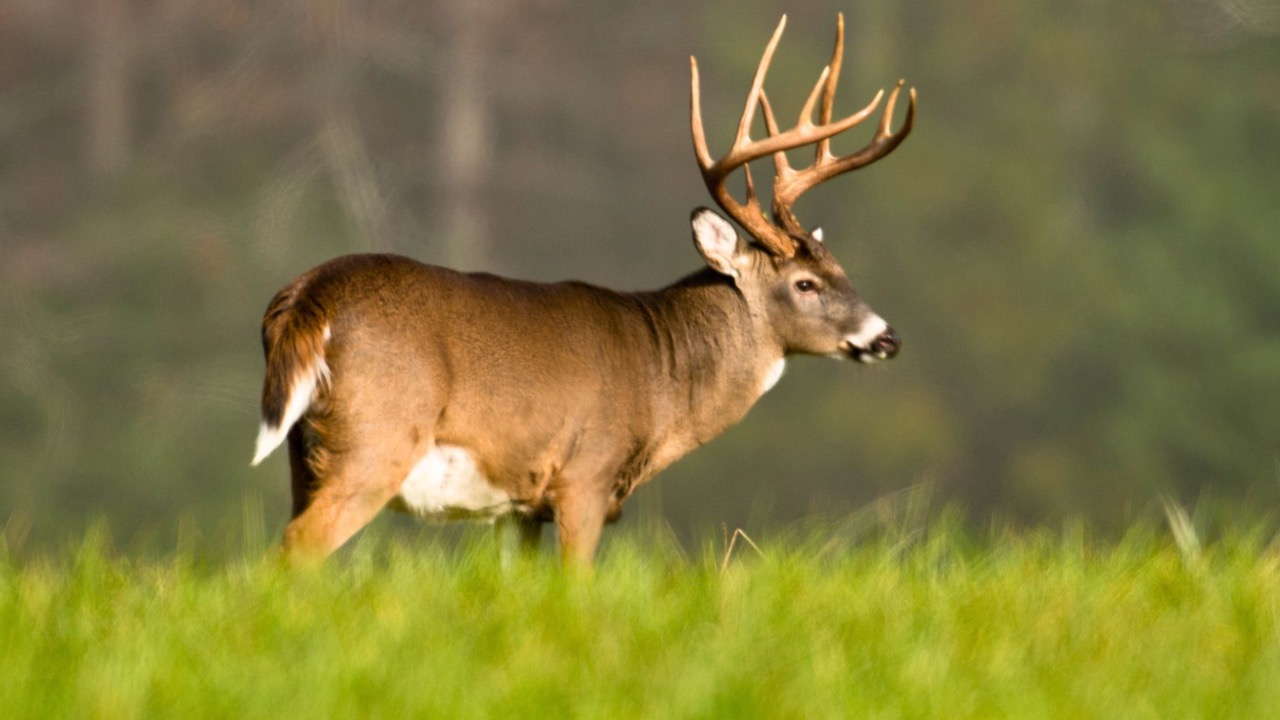
How deer camps became a cornerstone of American hunting culture
Deer camps did not become central to American hunting culture by accident. They grew out of hard work in the timber, long seasons away from home, and the need for a place where hunters could share food, stories, and a roof when the weather turned rough. Over time those rough camps turned into something closer to a family institution, where the hunt matters, but the people around the table matter more.
Today, when a lot of hunting talk happens on phones instead of tailgates, deer camps still anchor the season for countless families and crews of friends. The cabins, trailers, and wall tents scattered across the whitetail belt carry decades of stories in their walls, and they explain as well as anything how deer hunting became woven into American life.
The roots of deer camp in the timber country
The story of deer camp starts in the woods long before blaze orange and modern regulations, when logging crews lived where they worked and needed a break once the saws went quiet. In the late 1800s and early 1900s, big timber outfits in the Northwoods built bunkhouses and cook shacks so crews could stay close to the job, and those same Structures became natural bases when workers picked up rifles after the fall cut. When the logging season slowed and deer season opened, the men stayed put, turned work camps into hunting camps, and the phrase “deer camp” stuck to the place as tightly as the wood smoke.
As whitetail numbers improved and game laws took shape, those rough setups evolved into dedicated hunting camps that families and friends returned to year after year. The concept of a seasonal gathering spot for deer hunting now stretches back generations, with some camps tracing their start to the same era when the logging industry was booming in the Northwoods. What began as a practical solution for men living in the woods turned into a seasonal migration, where families load trucks and trailers and head back to the same patch of timber every fall.
From work camp to family tradition
Once deer camps broke free from the logging companies, they quickly became family affairs. Hunters who had first slept on rough bunks as young men started bringing their kids, then their grandkids, turning a practical camp into a place where stories and skills were passed down like an heirloom rifle. Over time, the concept of deer camp stretched across regions and bloodlines, and the annual gathering itself became the tradition, not just the hunt that happened around it.
Plenty of hunters can still remember small sensory details from their first trips, like the taste of creamy hot chocolate in a cold cabin or the sound of boots on frosty steps, and those memories are often what hook them for life. In one account, the writer describes how early mornings at camp lit a lifelong passion for deer hunting, with the camp culture, not the antlers, doing most of the work in shaping that lifelong passion. When kids grow up watching older hunters cook, glass, and tell stories around the same table, the camp itself becomes part of the family tree.
Why we still call it “deer camp”
The phrase “deer camp” sounds casual, but it carries a lot of history. To understand why people still use that exact wording, you have to go back to the era when logging camps dominated the northern forests and workers lived in the woods for months at a time. Those early bunkhouses and cook shacks were simply called “camp,” and when the same crews stayed on to hunt deer, the name naturally shifted to deer camp without anyone needing to rebrand it.
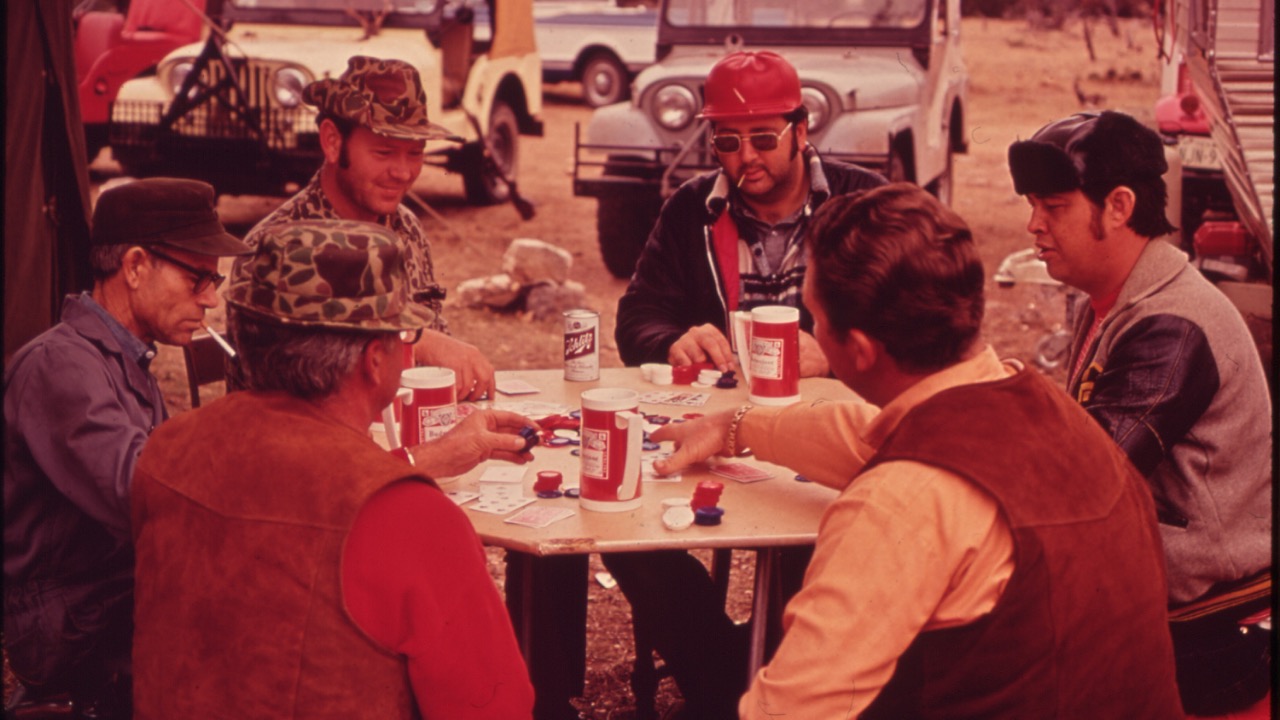
That old language still shapes how hunters talk about the season. Even when the “camp” is a modern house with Wi‑Fi or a fifth‑wheel parked on a gravel pad, people rarely say they are going to the cabin or the property, they say they are heading to deer camp. The term carries more than geography, it signals a certain way of living for a week or two, where shared chores, crowded bunks, and late‑night card games over euchre are the norm. The words survived the end of the big logging outfits because they describe a feeling as much as a physical place.
Anatomy of a classic deer camp
Every deer camp looks a little different, but most of them share the same bones. There is usually a central building or wall tent that serves as kitchen, bunkhouse, and social hall, with a meat pole or skinning rack out back and a cluster of trucks and ATVs parked in the mud. Inside, the walls are lined with old photos, license plates, and a few racks that mean more for the stories behind them than for the inches of antler. A recent look at one long‑running camp, filmed as gun season approached on a Wednesday, walked through this layout in detail and showed how the same basic anatomy repeats itself across the deer woods.
The heart of the place is usually the table, whether it is a scarred slab of plywood or a big oak top someone hauled in years ago. That is where maps are spread out, where the evening meal is served, and where the real decisions get made about who hunts which stand at first light. Around that table, the camp’s unwritten rules are enforced, from how early the coffee pot gets filled to how meat is divided. Even in camps that have upgraded to modern appliances and satellite TV, the basic layout still reflects a life organized around the hunt and the people who share it.
Cabins built by hand and stories in every log
Some of the most cherished deer camps are the ones literally built from the surrounding woods. In one well‑known example, the cabin was built from trees cut on the property more than 30 years ago, with Each log handled 14 times before the project was finished. The builders hauled, peeled, stacked, and chinked those logs by hand, and by the time the roof went on, everyone in the crew had had time to touch every piece of the place.
That kind of sweat equity changes how a camp feels. When you have cut the trees, poured the piers, and nailed the rafters yourself, the building becomes more than shelter, it becomes proof that the group can build something together and keep it standing. Kids who grow up hearing how their parents and uncles raised the cabin out of raw logs tend to treat the place with a different level of respect. The structure itself becomes part of the story that gets retold every season, right alongside the big buck that slipped the line or the year the snow came in sideways.
Rituals, food, and the social glue of camp
What really turns a building into a deer camp are the rituals that repeat every season. Some crews have a set opening‑night meal, like venison chili or fried backstrap, that does not change no matter what the calendar says. Others have a tradition of a group photo on the porch, or a rule that the youngest hunter has to ring the dinner bell. Reporting from one Mississippi camp described how, with all the different traditions practiced around the world and here at home, even deer camps have their own patterns that all the regulars understand, including one family that always gathered for a big meal while another, however, was not as fortunate in keeping its camp intact.
Cards and storytelling fill the gaps between hunts. In many camps, euchre or poker games run late into the night, with the same jokes and arguments resurfacing every year. The social side is so strong that plenty of hunters will tell you the best part of camp is not the kill, it is the time with family and friends. One seasoned hunter described deer camp as a place where filling a tag is secondary, and where the time spent together is what sticks long after the season ends, trusting that if you hunt hard and stay patient, the deer will take care of itself. That attitude is part of why these camps feel so different from a quick day hunt out of the driveway.
Passing on skills and values to the next generation
Deer camps are some of the best classrooms in the hunting world. Kids learn how to handle a rifle safely, how to read a map, and how to sit still in a stand long before they ever squeeze a trigger. Around the camp table, they also hear the old stories, including how the concept of deer camp stretches back to the early days of logging and how those first camps helped shape a culture that still pulls people into the woods every season. That mix of practical instruction and oral history is hard to replicate anywhere else.
Values get passed along right beside the skills. Young hunters watch how older ones handle success and failure, how they treat the landowner, and how they talk about the animals they pursue. They see that the person who tags out early is still expected to help with firewood, dishes, and tracking jobs for everyone else. Over time, those expectations sink in. By the time a kid grows into the role of driver or camp cook, they have absorbed a whole code of behavior that came not from a rulebook, but from years of living in close quarters with people they respect.
Modern pressures and the “dying tradition” worry
For all their staying power, deer camps are under pressure. Work schedules are less forgiving, kids have more sports and school commitments, and the pull of screens can be stronger than the pull of a frosty morning in a ladder stand. One detailed look at American deer camps described them as a “dying tradition,” pointing to shrinking hunter numbers and the way smartphones, tablets, and on‑demand entertainment have changed how people spend their free time. Those forces are likely stronger today, given the saturation of mobile devices and the ease of staying home instead of driving hours to camp.
At the same time, land access has tightened, leases have gotten more expensive, and some long‑running camps have been broken up when property changed hands or families scattered. Those losses hit hard because they are not just about losing a place to hunt, they are about losing a place that held decades of shared history. When a camp that has been in the same group for 40 or 50 years gets sold, the regulars are not simply looking for a new spot on the map, they are trying to figure out how to rebuild a culture that took generations to form.
How gear, tech, and data are reshaping camp life
Even as some hunters worry about tradition fading, modern gear and technology are changing how deer camps operate. Trail cameras, mapping apps, and group texts now play a big role in planning hunts and tracking deer movement, and they follow hunters right into camp. Shopping for that gear has also shifted online, where tools like Google’s Shopping Graph pull together Product information from brands, stores, and other content providers so hunters can compare boots, optics, and heaters before they ever load the truck, all through a system built to organize and surface that Product data.
Inside camp, phones and tablets can be both a blessing and a distraction. On one hand, they make it easier to check weather, share stand locations, and pull up satellite imagery to plan a push. On the other, they can pull people away from the card table and the story circle that give camp its character. The healthiest camps I have seen set their own balance, using tech as a tool while still expecting everyone to show up for chores, meals, and the kind of face‑to‑face time that no screen can replace. In that way, even the newest gadgets get absorbed into a culture that has always been about people first and deer second.

Asher was raised in the woods and on the water, and it shows. He’s logged more hours behind a rifle and under a heavy pack than most men twice his age.