Why wildlife encounters are increasing near urban areas
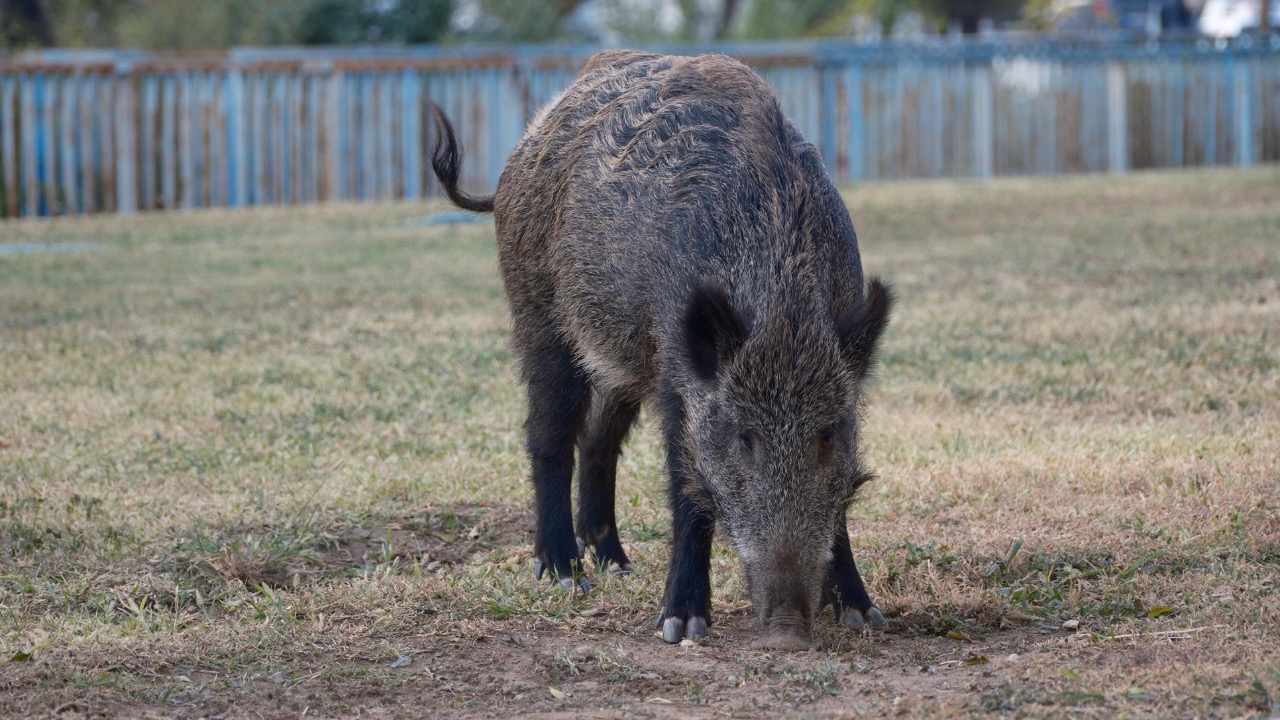
Across North America and far beyond, people are bumping into wild animals in places that used to feel safely “urban.” Black bears are tipping over trash cans in cul-de-sacs, wild hogs are rooting up golf courses, and red foxes are trotting down sidewalks like they own the block. Those encounters are not random flukes, they are the predictable result of how we build, expand, and live on the landscape.
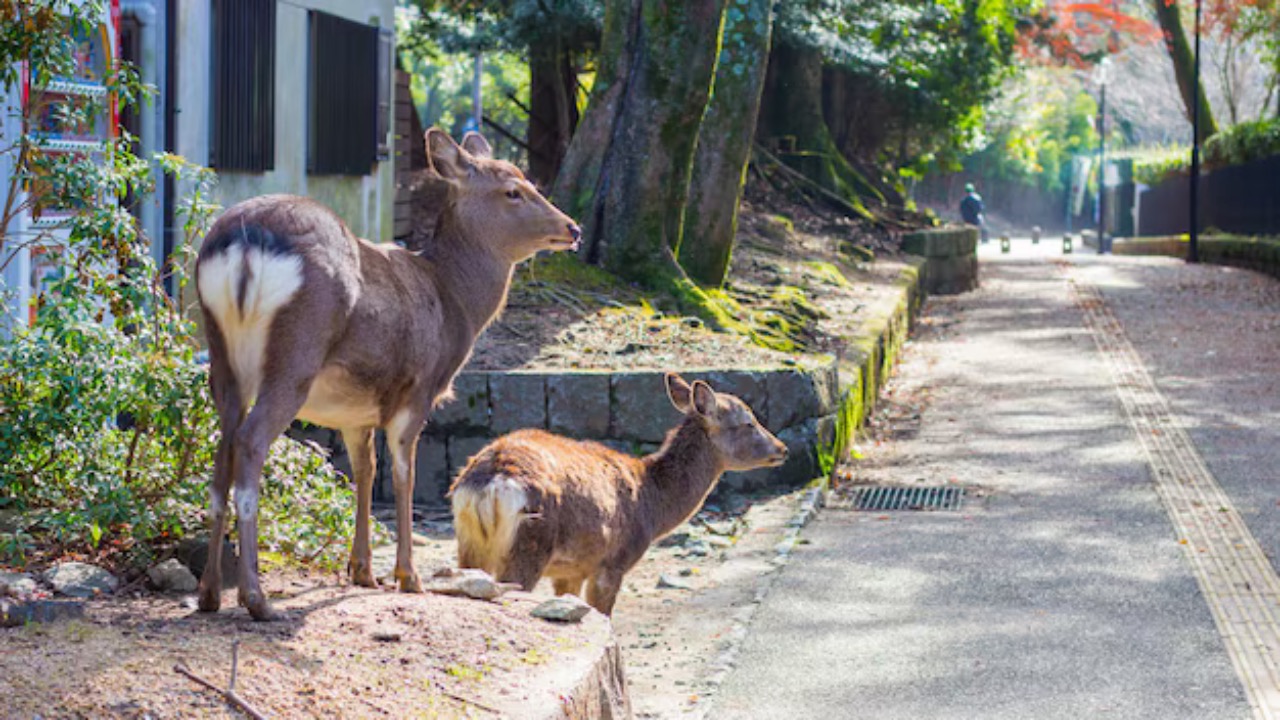
I have spent enough time glassing deer behind shopping centers and calling coyotes on the edge of subdivisions to know that wildlife is not retreating from our cities, it is adapting to them. To understand why close calls are increasing near neighborhoods and office parks, you have to look at a mix of habitat loss, human population growth, climate shifts, and the way certain species learn to cash in on what we leave behind.
Urban wildlife is now part of everyday city life
What used to be a rare story for the local paper, a bear in a backyard or a bobcat on a school field, is now routine in many regions. People in cities and suburbs are seeing everything from black bears to wild hogs and coyotes as regular visitors, not once-in-a-lifetime surprises, because development, climate change, and shrinking wild habitat are pushing animals to use the same spaces we do. As Dec reporting in one detailed Quick Take notes, these encounters now occur regularly in many regions where they were once unheard of.
At the same time, a whole category of animals has learned to thrive inside the city limits. Biologists use the term “urban wildlife” for species that have adapted their lifestyle to living in the city, taking advantage of food, shelter, and even protection from larger predators. As one overview of urban wildlife explains, these animals use buildings, parks, and drainage systems as shelters to avoid native predators and to find food that people unintentionally provide. Once you see a raccoon shimmy down a storm drain or a pigeon nesting on a high-rise ledge, it is hard to argue that cities belong only to us.
Human population growth is crowding the edges
The most basic driver of more wildlife encounters is simple math. There are more of us, packed into more space, and we are pushing farther into what used to be wild country. Human population growth is expanding suburbs and exurbs into forests, wetlands, and grasslands, which means every new subdivision, road, and warehouse increases the odds that people and wild animals will cross paths. As one analysis of the global Human population boom puts it, Humanity is increasingly coming in contact with wild animals, and that reality is already changing how conservation is done.
That same research points out that as Humanity spreads, we are not only bumping into wildlife more often, we are also changing disease risk, conflict patterns, and how we manage land. When you pave over winter range or drain a wetland for housing, the deer and waterfowl do not vanish, they shift their movements and sometimes end up feeding in yards or retention ponds. The more people there are on the landscape, the more likely it is that someone will hit a deer with a car, surprise a coyote on a jogging trail, or find a bat in the attic. Those are not isolated incidents, they are the new baseline in a crowded world.
Sprawl, fragmentation, and the shrinking wild
Beyond raw population numbers, the way we build cities has a huge impact on wildlife behavior. Instead of compact, dense development, much of modern growth sprawls outward in low-density patches, carving up forests and fields into disconnected fragments. That fragmentation forces animals to navigate a maze of roads, fences, and cul-de-sacs to reach food, water, and mates. As one technical review notes in its INTRODUCTION, the rapid expansion of urban areas worldwide is markedly increasing the frequency of encounters humans have with wildlife, and it is reshaping everything from animal movement to evolution.
Wildlife researchers who focus on cities talk a lot about “landscape connectivity,” which is a fancy way of asking whether animals can still move through a developed area without getting trapped or killed. The Urban Wildlife Working Group points out in its guidance to Investigate Landscape Connectivity that Development heavily fragments natural landscapes, and that species able to move through this patchwork, like coyotes and raccoons, are the ones we now see most often. When you look at a city map through that lens, greenbelts, drainage corridors, and even railroad rights-of-way start to look like wildlife highways that funnel animals straight into neighborhoods.
Habitat destruction and the push into town
Sprawl does not just slice habitat into smaller pieces, it also destroys it outright. Forests are cleared for agriculture, logging, and new housing, wetlands are filled, and brushy edges are scraped clean. When that happens, animals that once had secure cover and natural food sources are forced to move, and the nearest available shelter is often inside or right next to a town. A detailed look at Effects of Habitat notes that as natural habitats are destroyed, wildlife is pushed into urban and suburban areas, which in turn increases human–wildlife conflict and the demand for trapping and other control methods.
From a hunter’s perspective, you can see this play out when a timber company clear-cuts a big block of woods or when a farm field gets converted into a shopping center. Deer, turkeys, and small predators do not disappear, they show up in the odd corners that remain, like creek bottoms behind warehouses or narrow strips of trees along highways. Those same edges often back up to backyards and schoolyards. As more of the landscape is converted to human use, the line between “town” and “woods” blurs, and animals that once stayed out of sight are suddenly feeding under porch lights.
Food, water, and shelter: cities as wildlife habitat
For many species, cities are not just a last resort, they are an opportunity. Urban areas offer a steady buffet of garbage, pet food, bird seed, ornamental plants, and even rodents, along with reliable water from sprinklers, ponds, and leaky infrastructure. In the Bay Area, for example, scientists have reported a slight increase in wildlife activity in neighborhoods, and they believe animals are moving into these spaces in part because they are searching for water and food during dry periods. Local biologists have tied that pattern to drought and resource scarcity, noting that scientists believe the reasoning for more sightings is that animals are pushed into neighborhoods while searching for water and food.
On top of that, cities provide shelter that many animals quickly learn to use. THE PARK ACTS AS A GREEN SPACE THAT PROVIDES COVER AND DEN SITES FOR URBAN RED FOXES, and those same parks, cemeteries, and vacant lots serve as safe zones for everything from skunks to owls. One field project that tracked red foxes found that through a combination of natural adaptability and human-created habitat, these animals have become permanent residents in many towns, and the conclusion is that here to stay. When you add in culverts, storm drains, and building crawl spaces, you end up with a surprising amount of usable habitat packed into the urban grid.
Rats, raccoons, and the rise of urban specialists
Some species have taken the urban opportunity and run with it. Norway rats and roof rats are the obvious examples, and their booming numbers are a direct reflection of how we manage waste and structure our cities. A recent look at surging rat populations points out that before urbanisation gradually encroached on natural landscapes, all areas existed in a wild, undisturbed state, but now dense human settlements with abundant trash and shelter have created ideal conditions for rodents. That same analysis of booming rat populations argues that rethinking how we store food waste and design buildings is now a public health priority.
Raccoons, coyotes, and foxes are following a similar path, though they tend to get more attention because they are larger and more visible. In many cities, raccoons have learned to open latches, flip trash can lids, and navigate storm drains like a subway system. Coyotes use railroad tracks and drainage corridors to move through neighborhoods, hunting rodents and raiding compost piles. The same Defining Urban Wildlife overview notes that these animals are not simply surviving in cities, they are adapting their behavior, diet, and even daily activity patterns to fit the urban schedule, often becoming more nocturnal to avoid direct contact with people.
Climate stress and animals on the move
Climate change is another piece of the puzzle that is hard to ignore if you spend time outdoors. Hotter summers, longer droughts, and more erratic storms are reshaping where animals can find food and water, and that instability often pushes them toward the most reliable resources on the landscape, which are usually tied to human infrastructure. In the Bay Area, for instance, wildlife managers have linked increased sightings of mountain lions, coyotes, and other species in neighborhoods to dry conditions that make natural water sources unreliable, forcing animals to seek out artificial ponds, irrigation, and pet water bowls, a pattern that scientists believe is likely to continue as the climate warms.
Those shifts do not happen in a vacuum. When drought or heat waves hit, prey species like rodents and rabbits also move, and predators follow. In some regions, that chain reaction has brought bears into lower elevations and closer to towns as they search for berries, acorns, and garbage. A detailed feature on how People in cities and suburbs are encountering wildlife more frequently notes that climate change is one of several forces, along with development and habitat loss, that are driving animals like bears and wild hogs into urban areas, and that People are now seeing these species in places where they were rarely reported in the past.
Behavior, evolution, and who survives in the city
Not every species can handle city life. The ones that do tend to be bold, flexible, and quick to learn, traits that are now being sharpened by natural selection right under our noses. Researchers studying human–wildlife conflict have found that the rapid expansion of urban areas is not only increasing encounters, it is also driving evolutionary changes in behavior, body size, and even genetics in some species. The evolutionary consequences of human–wildlife conflict include animals becoming more tolerant of people, shifting their activity to nighttime, and learning to exploit new food sources, all of which make them more likely to show up in our neighborhoods.
Socioeconomic patterns inside cities also shape which animals thrive where. One recent summary of coyote research notes that Also, in low-income areas, coyotes are 1 1/2 times more likely to survive to age two than in high-income areas, largely because of differences in green space, food availability, and how aggressively people try to remove them. That finding, highlighted in an Earthtalk column, shows that even within a single city, fragmentation and human–wildlife conflict play out differently depending on income and land use. From my own time walking creeks behind strip malls and gated communities, I have seen the same pattern: more cover and less control effort usually means more wildlife sign.
Managing conflict and living with critters
As encounters increase, the question is not whether wildlife will use urban areas, but how we respond. In many places, the first line of defense is basic education and common sense: secure trash, remove bird feeders when bears are active, keep pet food indoors, and give animals space when you see them. One local report on rising Critter encounters in a fast-growing region describes how a mangled metal bird feeder became a symbol of what happens when people ignore “bear wise” advice, and it notes that Critter encounters increase as people and wildlife inhabit the same places without adjusting their behavior.

Asher was raised in the woods and on the water, and it shows. He’s logged more hours behind a rifle and under a heavy pack than most men twice his age.