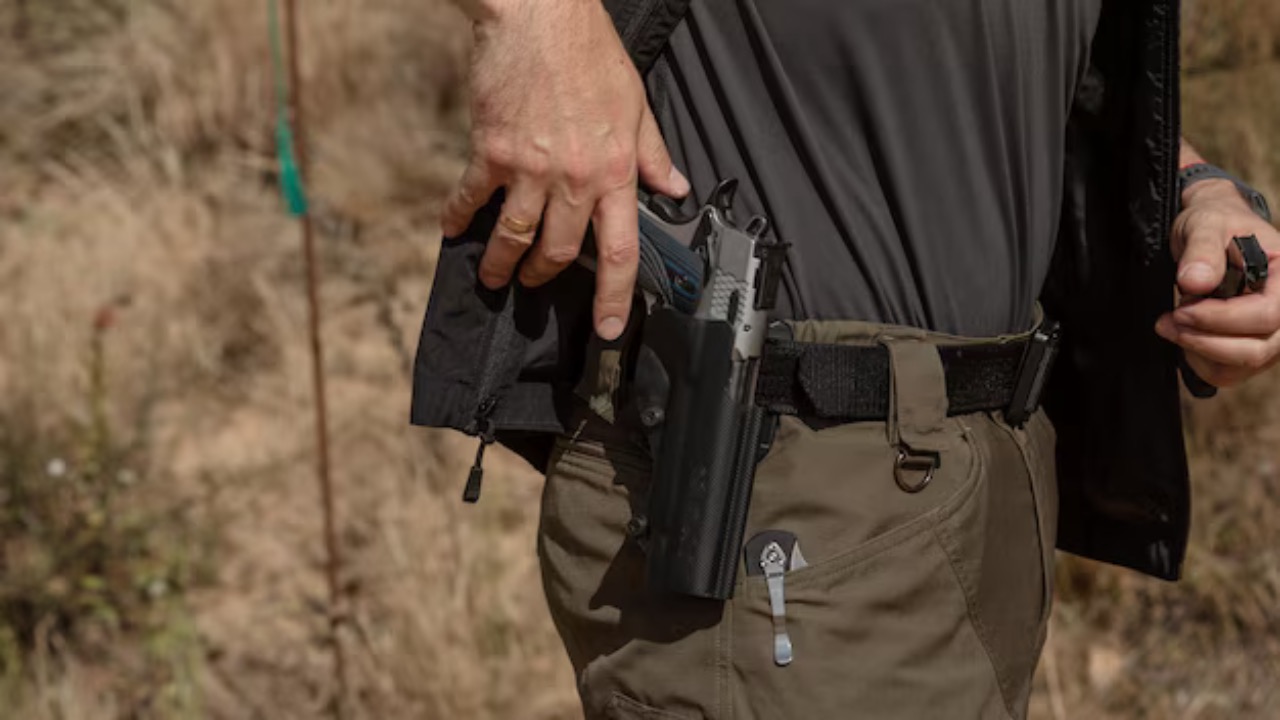
Hiking handguns that balance manageable recoil and control
Choosing a handgun for the trail is less about raw power and more about what you can actually control when your heart rate spikes and your footing is uncertain. The best hiking sidearms keep recoil manageable so you can place accurate shots quickly, yet still carry enough authority to deal with wildlife or human threats in remote country. I focus on that balance, looking at how caliber, gun size, and technique interact so hikers can make informed, realistic choices instead of chasing specs that only work on paper.
Why recoil control matters more in the backcountry
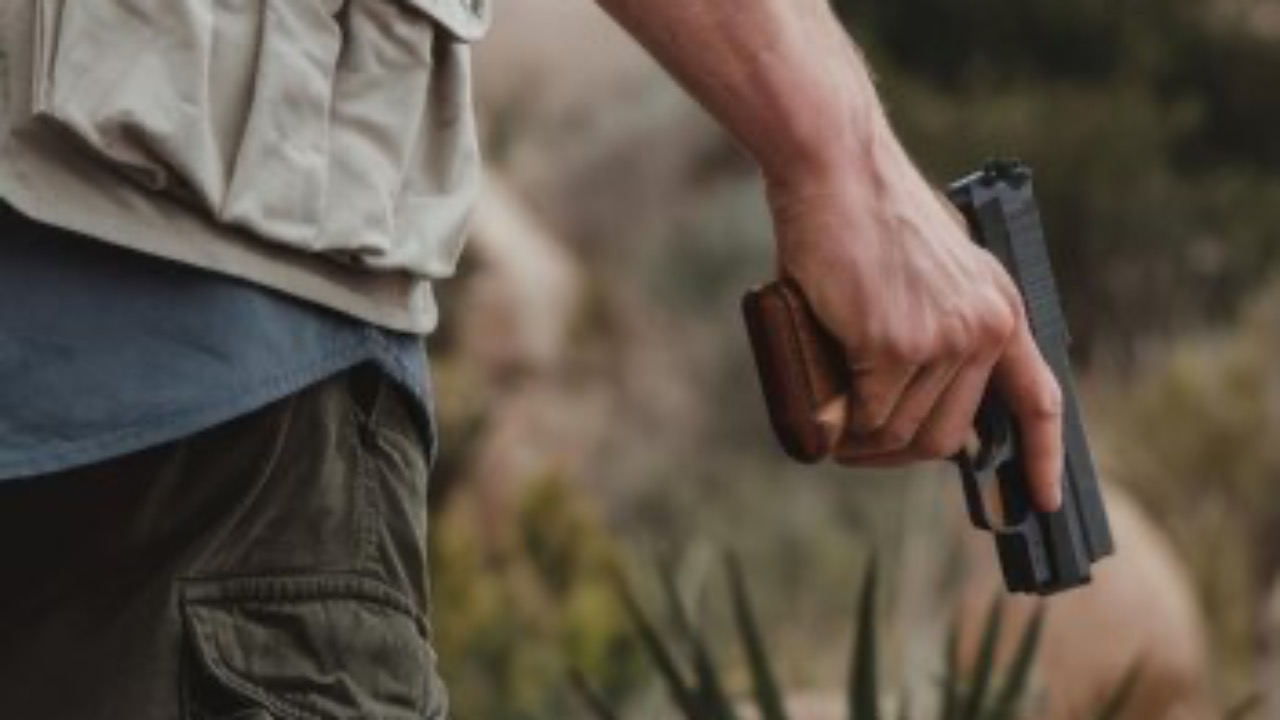
On a square range, a hard recoiling handgun can feel like a fun challenge. On a steep trail with a pack on your shoulders and a moving target in front of you, excessive kick becomes a liability. The first priority in the backcountry is hitting what you intend to hit, under stress, without losing your grip or your sight picture. That is why hikers who live around large animals like mountain lions, bears, and moose often emphasize that the gun you can keep on target is more important than the one that looks impressive in a ballistics chart. One mountain resident named Jan framed it bluntly, noting that if you want to increase your odds against such animals, you need a handgun you can bring back on target quickly enough to dispatch a threat.
Recoil also shapes how much you practice. A punishing handgun is harder on the hands and wallet, which quietly discourages the regular training that actually builds competence. In contrast, a pistol with moderate recoil lets you run longer sessions, work on drawing from a holster, and rehearse realistic strings of fire without flinching. Over time, that practice matters more than a few hundred extra foot-pounds of energy. When I weigh hiking options, I look first at whether the shooter can control the gun through multiple shots, then at whether the cartridge is adequate for the likely threats in that terrain.
Caliber choices: from 9 mm to 10 mm Auto
Caliber debates tend to get emotional, but in the woods the tradeoff is straightforward. Lighter recoiling rounds like 9 mm are easier to shoot well and offer high capacity, while heavier cartridges such as 10 mm Auto or magnum revolver rounds bring more penetration and energy at the cost of sharper recoil and heavier guns. Hikers who do not share territory with grizzly bears often lean toward 9 mm because it balances recoil and stopping power in a way that most people can manage. One backcountry discussion put it simply, saying you Can not go wrong with a Glock or Sig in 9 mm when grizzlies are not part of the equation, especially given the Multiple sizes and capacities available.
Where large predators are a real concern, many experienced shooters repeat the line that it is Often said, “10mm for the woods, 9mm for the hoods.” The 10 mm Auto has earned that reputation because it can push heavy bullets in the 180 to 220 grain range at high velocity, giving it strong penetration on thick-skinned animals. At the same time, modern 10 mm pistols and ammunition have improved to the point that recoil is more manageable than the cartridge’s early reputation suggests. For hikers who can handle it, 10 mm Auto offers a compelling blend of power and capacity, but it still demands more training and strength than a typical 9 mm.
How gun size and weight shape felt recoil
Recoil is not just about the cartridge. The size and weight of the handgun dramatically influence how that recoil feels in your hands. Larger, heavier pistols soak up more of the rearward impulse, which makes them softer shooting but also more burdensome to carry on long hikes. Guidance aimed at new shooters notes that Size and weight are central: While smaller, lightweight handguns are ideal for concealed carry, full-size handguns give some beginners more mass that absorbs more of the recoil. That same logic applies on the trail, where a slightly larger frame can make a hot cartridge feel far more controllable.
Within a given caliber, compact pistols tend to have snappier recoil because there is less slide mass and less grip area to distribute the force. A technical overview of recoil notes that Compact 9 mm handguns can feel sharper, while full-size steel-frame guns absorb recoil for a smoother shooting experience. For hikers, that means a mid-size or duty-size pistol often hits the sweet spot: large enough to tame recoil and give a full grip, yet still light enough to carry in a chest rig or strong-side holster without feeling like a boat anchor by mile eight.
Low recoil benchmarks: 9 mm and .380 options
For many hikers, especially those newer to handguns or with smaller hands, starting with a low recoil platform is the most realistic path to competence. Technical comparisons of recoil highlight several pistols that stand out for soft shooting characteristics, including the Below listed Beretta 92FS. The Beretta 92FS is a semiautomatic pistol with an open slide design and a relatively heavy frame, which helps keep muzzle rise modest and makes rapid follow up shots easier. While it is not a featherweight, its smooth recoil impulse has made it a reference point for what a controllable full-size 9 mm can feel like.
Some hikers, particularly women or those with less upper body strength, look even lighter. Advice aimed at female hikers points to revolvers and semiautos that are Specifically built for folks that have less strength, noting that the . 380 version will be less “kick” than comparable 9 mm models. The figure 380 is not a magic number, but it signals a class of cartridges and pistols that trade some terminal performance for very mild recoil and easier manipulation. For hikers whose priority is a gun they will actually carry and train with, a soft shooting 9 mm or .380 can be a smarter choice than a harder hitting caliber they struggle to control.
Glock 17, Glock 19 and the 9 mm workhorses
Among 9 mm pistols, the Glock 17 and Glock 19 have become default recommendations for good reason. They are large enough to offer a full grip and long sight radius, yet light enough for daily carry, and their polymer frames help keep weight down in a pack. Technical comparisons emphasize that the 9 mm Glock 17 and 19 calibers are esteemed for balancing recoil management and stopping power, and that this caliber helps users maintain better accuracy and control during rapid fire scenarios. For hikers, that translates into a gun that is forgiving when your stance is imperfect or your hands are cold.
Backcountry shooters who do not face grizzly bears often echo that logic, recommending a Glock in 9 mm as a first hiking handgun. One discussion of backcountry protection argued that you can not go wrong with a Glock or Sig in 9 mm when grizzlies are not a concern, pointing to Multiple sizes and ammo capacities across different models. For hikers who want a single pistol that can serve for home defense, range practice, and trail carry, the Glock 17 or Glock 19 remain practical, relatively soft shooting choices that are supported by a vast ecosystem of holsters and accessories.
Stepping up: Glock 20 and modern 10 mm Auto
For those who need more power than 9 mm can comfortably provide, the Glock 20 has become a flagship example of a 10 mm pistol that still prioritizes control. The Glock 20’s design effectively manages the recoil of the 10 mm The GlockAuto, ensuring controllability and accuracy in a full-size form. That combination has made it a favorite among hikers who want a powerful and reliable handgun that can still be shot quickly and accurately with practice. Owners often pair it with heavy hard cast loads in the 180 to 220 grain range to maximize penetration on large animals.
The broader 10 mm Auto ecosystem has matured as well. Manufacturers now market magazines and gear specifically for outdoor use, highlighting that the 10 mm Auto stands out for its ability to deliver robust performance, making it a favorite among those who demand more stopping power for hunting or ensuring personal defense in the backcountry. Analysts of the cartridge note that part of its resurgence is cultural, with a new generation of shooters realizing they do not have to choose between capacity and power, thanks to improved designs that address the recoil management issues that plagued early adopters. One overview of 10 mm pistols points out that The other part is cultural, as modern guns and loads make the cartridge more accessible to average shooters.
Revolvers on the trail: Ruger Super Redhawk and beyond
Semiautos dominate many hiking kits, but revolvers still have a place, especially for those who want magnum power and absolute mechanical simplicity. The Ruger Super Redhawk is a prime example, a heavy revolver that can chamber potent cartridges suited for large game and serious backcountry defense. Reviews of the platform note that it shines in Target shooting and recreation. Though heavy, the revolver’s balance and accuracy make it enjoyable for experienced shooters and a capable tool for long range revolver shooting. That same heft, however, is a double edged sword on the trail, where every extra ounce counts.
For hikers, the question is whether the added weight and recoil of a magnum revolver are justified by the threats they realistically face. In grizzly country or remote areas where help is far away, some still prefer the certainty of a big bore wheelgun that is less sensitive to ammunition variations and environmental conditions. Others find that a modern 10 mm semiauto offers enough power with faster follow up shots and higher capacity. I see revolvers like the Super Redhawk as specialized tools: excellent when maximum power is non negotiable, but overkill for hikers whose main concern is two legged threats or smaller predators.
Ergonomics, grip and technique as recoil reducers
Hardware only goes so far if the shooter’s technique is lacking. Much has been learned about how to hold a pistol to manage recoil and shoot fast and accurately, building on earlier methods like the Weaver stance but refining them with modern training. One detailed guide notes that Much of this evolution has made good grip and recoil management more attainable to everyone, not just elite competitors. For hikers, that means a well executed two hand grip, locked wrists, and proper body alignment can make a significant difference in how controllable a handgun feels, even with stout loads.
Ergonomics also matter. A pistol that fits the shooter’s hand, with controls they can reach without shifting their grip, encourages consistent practice and reduces the risk of fumbling under stress. Some designs, like the Beretta 92FS Brigadier, go further by building recoil mitigation into the gun itself. The Brigadier is described as a low recoiling, high durability version of the standard 92FS, with a heavy slide profile that enhances durability and Hogue soft rubber wraparound panels that absorb momentum upon firing. A detailed description notes that However, the gun you have is always better than the one you do not, even if the firearm is much larger and heavier than most people will be comfortable carrying. That tension between shootability and portability is at the heart of every hiking handgun decision.
Matching the gun to the hiker, not the other way around
Ultimately, the best hiking handgun is the one that fits the individual’s strength, experience, and realistic threat profile. Advice aimed at new and female shooters stresses that While smaller, lightweight handguns are easier to carry, some beginners actually shoot better with full size models that offer more mass and a longer grip. That insight applies equally on the trail: a slightly larger pistol that you can control confidently is more valuable than a tiny gun that disappears in a pocket but bucks in your hands. I encourage hikers to test fire several options, paying attention not just to recoil but to how quickly they can get accurate follow up shots and how the gun feels after a full box of ammunition.

Leo’s been tracking game and tuning gear since he could stand upright. He’s sharp, driven, and knows how to keep things running when conditions turn.