Simple hunting Gear Adjustments That Improve Accuracy
Accuracy in the field usually comes down to a handful of small details, not a brand‑new rifle or bow. A smoother trigger, a steadier rest, or a better tuned arrow can turn a marginal group into a clean kill. I have watched hunters make that jump in a single offseason by tweaking gear they already owned instead of chasing the latest catalog fad.
Here is how I look at straightforward gear adjustments that tighten groups fast, whether you carry a deer rifle, a compound bow, or both. None of these changes require a full custom build, but together they can make your setup feel like a different weapon when a buck finally steps into the open.
Clean, consistent triggers that break the same every time
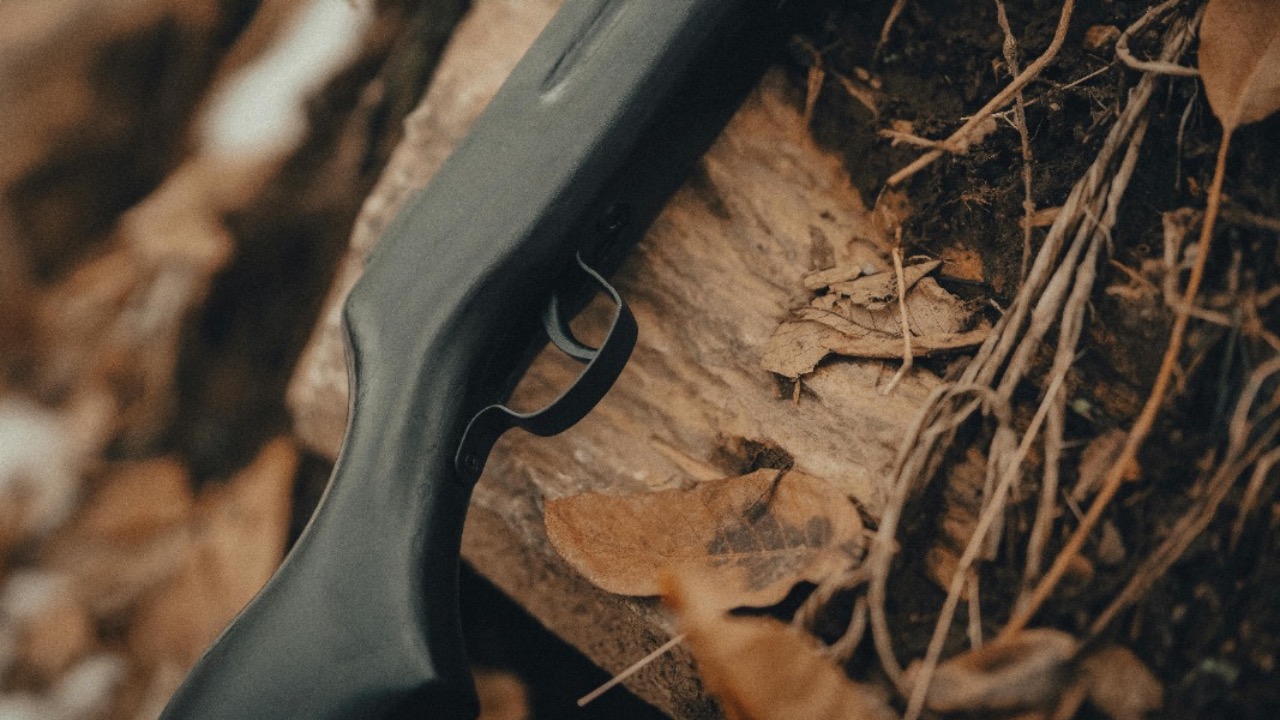
The trigger is the one part of a rifle you move on purpose during the shot, so any grit, creep, or surprise in that break shows up on target. I want a pull that is light enough to press without effort but not so light that it is unsafe with cold fingers and heavy gloves. Many factory triggers can be adjusted, and careful work here often shrinks groups before you touch anything else.
When a stock unit cannot be tuned to a clean pull, I look at drop‑in replacements. Top manufacturers like Timney, TriggerTech, and Rifle Basix build triggers for common actions such as the Remington 700, Howa, Tikka, and Savage, and a lot of hunters are surprised how much control they gain from that one change. One detailed rundown of hunting rifle upgrades points out that Replacing the trigger is a very affordable way to improve practical accuracy, and another guide notes that Adjusting the stock trigger or swapping it out can be a real upgrade for a rifle’s performance. I have seen rifles that were “two‑inch guns” at 100 yards suddenly stack bullets into one ragged hole once the trigger stopped fighting the shooter.
Stocks, rests, and support that steady the rifle
Once the trigger is sorted, the next big gain comes from how the rifle is supported. A flimsy stock that flexes on a front bag or a wobbly rest that shifts under recoil will move your point of impact even if your fundamentals are solid. Bedding a stock so the action sits consistently and making sure the forend is not contacting the barrel under pressure are classic gunsmith fixes that still matter on modern rifles.
In the field, I rely on support gear as much as the rifle itself. A detailed accuracy guide for deer rifles explains that bedding a stock is one of the most effective ways to stabilize the action and that a properly adjusted trigger is another key upgrade for your rifle’s accuracy. Out in real hunting country, I have seen the biggest gains come from using a solid Tripod, Bipod, Bag system that lets you build a stable position in almost any terrain. One field report describes running a Seekins PH3 NRL topped with a Leupold Mark 4HD from a tripod, bipod, and rear bag, and that same approach works beautifully when you are trying to thread a bullet through timber at last light.
Optics and dials that match how you actually shoot
Plenty of hunters spend more on glass than on the rifle, then never learn how the turrets or reticle really work. If you want to stretch your effective range, the scope has to track predictably and the adjustments need to make sense in your head. That starts with understanding whether your scope uses MILS, MOA, or simple inch‑based adjustments and then confirming those clicks on paper.
One detailed breakdown of long‑range hunting setups explains how Dialing for Better Accuracy in Your Hunting Rifle often means ditching generic ballistic reticles and using a custom dial system that is cut for your specific load. On some optics, like certain Leupold models, you can install a CDS dial that is marked in yardage so you can dial straight to an accurate 450‑yard shot instead of guessing holdover. I still confirm every mark at the range, but once that dial is trued, it turns a complicated ballistic chart into a simple twist of the wrist when a bull steps out across a canyon.
Rifle handling: natural point of aim and repeatable form
Gear only takes you so far if your body position is fighting the rifle. I want my bones, not my muscles, holding the gun on target so the reticle settles naturally where I intend to hit. That is where natural point of aim comes in, and it is one of the fastest fixes for hunters whose groups string diagonally or wander around the bull.
A practical set of field tips explains that Squaring up behind the rifle and finding your Natural Point of Aim is like setting up for a golf shot or throwing a baseball. The goal is to position your body so the rifle points at the target without muscle tension, then fine‑tune from there. Another strategy piece on Easy Rifle Upgrades for Hunters notes that When you combine a stable stock, a clean trigger, and a consistent cheek weld, you get a rifle that returns to the same point of impact shot after shot. I have watched new hunters go from chasing their zero all over the target to stacking rounds once they stopped twisting their torso and instead built a straight, repeatable position.
Bow tuning: rests, arrows, and spine that match your setup
On the archery side, accuracy lives and dies with how well the bow and arrow are tuned to each other. A small change in rest position or arrow stiffness can move broadhead impact several inches, even when field points look fine. I start by making sure the arrow leaves the bow cleanly, then I match the shaft to the draw weight and length.
One detailed bowhunting piece lays out how Simple Tweaks for Better Accuracy like Fine, Tune Your Rest and Proper left‑to‑right rest position can instantly tighten groups by correcting arrow flight. Another deep dive on Equipment Tips for Extreme Accuracy stresses that Perfect Arrows need to be straight and matched in weight, and that Arrows must be consistent if They are going to hit the same spot every time. A separate technical guide explains that Arrow spine is the foundation of accurate archery shooting and that many bowhunters underestimate how much the wrong spine hurts accuracy. I have seen broadheads start flying with field‑point precision the same day a hunter switched to the correct spine and re‑centered the rest.
Fine‑tuning compounds and building a repeatable shot
Once the hardware is close, I focus on how the bow fits the shooter and how the shot sequence unfolds. Draw length, peep height, and cam timing all affect where the arrow lands, especially with fixed‑blade heads. When everything lines up, the bow feels like it wants to settle on target and the arrow launches straight down the pipe.
A detailed tuning guide explains that When everything is aligned correctly, the arrow should be dead center with the bowstring and the cam’s string grooves, and that if broadheads impact high, you move the rest up, and if they hit low, you move it down. Another piece on purposeful practice notes that The quickest way to discover how to execute the perfect shot is to focus on the process instead of worrying where the arrow will hit for a few ends. I have watched archers clean up wild groups simply by slowing down, anchoring the same way every time, and letting the pin float instead of trying to hold it rock‑steady.
Stance, practice habits, and the “boring” details
Some of the biggest accuracy gains come from things that feel boring in the moment: stance, follow‑through, and how you analyze your groups. Whether I am behind a rifle or a bow, I want my lower body to be stable and my upper body relaxed so recoil or bow reaction can happen the same way every shot. That starts with how you stand on the line or settle into a field position.
A practical stance guide explains that Finding your body’s preferred stance starts when you Set yourself in a square stance and aim your bow and arrow at the target, then Have someone check whether your posture has shifted too much away from the target. On the rifle side, one safari outfitter’s firearm guidelines remind hunters that Regular cleaning after a hunt keeps a firearm reliable and helps ensure accuracy when it matters most. I also like structured feedback, and one accuracy system walks through how to Adjust the target image, use 3.2 to Zoom and Rotate the picture so all shots are visible, then Get instant results showing three critical measurements. That kind of disciplined review turns random practice into a clear roadmap for what to fix next.
Matching arrows and ammo to the job
Plenty of accuracy problems trace back to using the wrong projectile for the setup. On the archery side, that means arrows that are too short, too long, or the wrong spine for the draw weight. On the rifle side, it can be a bullet that your barrel simply does not like, or a load that has never been properly tested at distance.
One archery gear overview points out that Selecting the right Arrow involves understanding arrow length and spine, and that arrow length should be based on your draw length to keep things safe and accurate. On the rifle side, a strategy guide on When you are chasing accuracy with hunting rifles notes that small upgrades, including ammo selection and stock fit, can make a big difference without any extra cost to you. I like to test at least two or three bullet weights in a new rifle and keep detailed notes on group size and velocity, then stick with the load that prints the tightest clusters and tracks true when I stretch it to my maximum ethical range.
Putting it all together before the season
All of these tweaks work best when you give yourself time before the opener to make changes, confirm them, and then leave the gear alone. I like to schedule a couple of focused range sessions where I only change one variable at a time, whether that is a new trigger, a rest adjustment, or a different arrow spine. Once the rifle or bow is stacking shots, I stop tinkering and shift to building confidence from realistic field positions.
A detailed list of Mar gear tips for extreme accuracy and another rundown of Aug tweaks for better accuracy both hammer home the same point: small, thoughtful adjustments add up to big gains when you are disciplined about testing them. A separate guide on how to practice with purpose argues that the fastest way to improve is to become fully aware of what you are doing before, during, and after the shot, with less concern over where the arrow will hit for a while. I have seen that mindset turn average shooters into very capable hunters: they clean up the trigger, steady the platform, tune the projectile, and then put in the kind of practice that makes a clean hit feel almost automatic when the moment finally comes together.
Supporting sources: Top 5 Hunting Rifle Upgrades.

Asher was raised in the woods and on the water, and it shows. He’s logged more hours behind a rifle and under a heavy pack than most men twice his age.