9 Firearms that were misunderstood at launch but aged well
Some guns show up to a shrug, or worse, and only later earn the respect they deserve. I have watched more than a few “flops” turn into fixtures in safes and on firing lines. Here are nine firearms that were misunderstood at launch but aged well, backed by how collectors, shooters, and historians talk about them today.
1. Colt Single Action Army
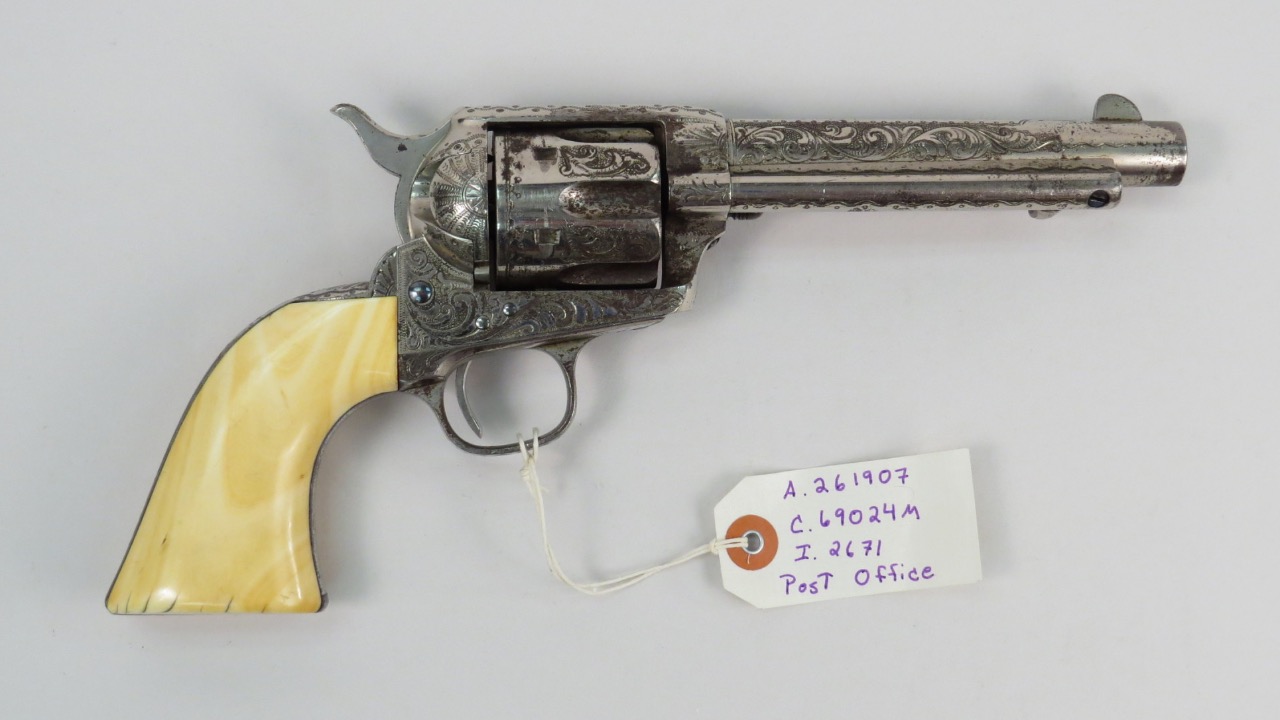
The Colt Single Action Army was never guaranteed legend status. Early on, some officers and civilians saw it as heavy, slow to reload, and old-fashioned compared with double-action revolvers. Yet the Army adoption in 1873, the “Judge Colt and His Jury of Six” reputation, and its role helping define the American slowly rewrote that story.
Later, production stops made The Colt Single Action Army look obsolete, but scarcity and nostalgia turned it into a benchmark collectible. Modern writers describe how it went from being dropped from catalogs to a star of “incredible comebacks,” a pattern that shows how culture can rescue a design long after the accountants give up on it.
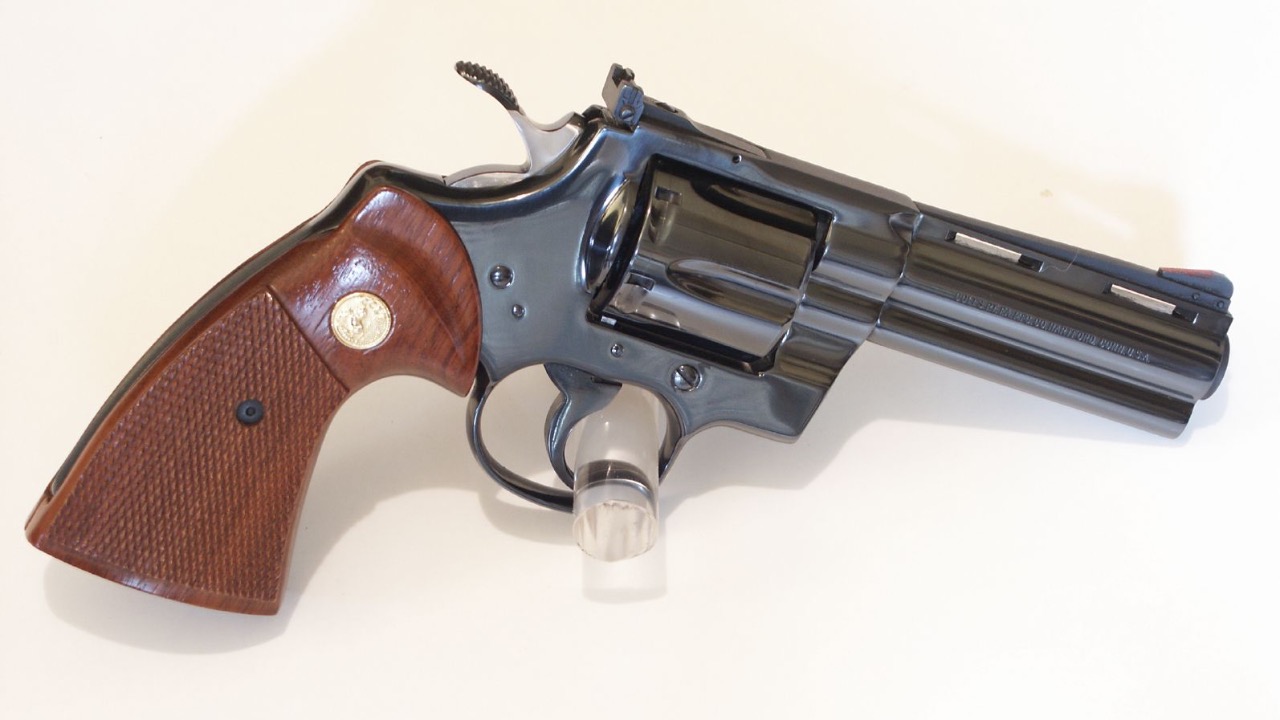
2. Colt Python
The Colt Python had a rocky start in the real world, even if it looked perfect on paper. It was expensive, overbuilt for duty budgets, and early buyers sometimes complained that the tight lockup made it feel finicky. In an era chasing lightweight service guns, the big .357 seemed like a niche target revolver rather than a working sidearm.
Over time, shooters realized the same traits that hurt early sales made the Colt Python special. The heavy barrel, hand-fitted action, and deep finish turned it into a status symbol. Modern discussions of the Colt Python now focus on its comeback and collector demand, a complete reversal from the early “too much gun” complaints.
3. Winchester Model 70
The Winchester Model 70 did not instantly earn its “rifleman’s rifle” nickname. Early hunters questioned whether a new bolt gun could really beat older lever actions in the deer woods. The controlled-round-feed system and Mauser-style extractor looked complicated to some buyers, and the price pushed it out of reach for many working hunters.
As seasons went by, the Model 70 proved itself on game all over North America. Modern collector lists highlight the Winchester Model and specifically call out the number 70 alongside Notable Features like Reliability, Accuracy, and Customization options. That shift shows how a once-questioned design became a baseline for modern hunting rifles.
4. Smith & Wesson Model 29
The Smith & Wesson 29 started life as a specialist’s tool. Chambered in .44 Magnum, it was seen as too powerful, too heavy, and too punishing for average shooters. Many gun shops treated it as a curiosity, something a few handloaders might buy while most customers stuck with milder .38s and .357s.
Over time, the Model 29’s power and presence turned into selling points. Big-game handgun hunters and silhouette shooters proved what the cartridge could do, and pop culture later cemented its image. Modern collector guides list the Smith and Wesson 29 alongside other essential Firearm entries, noting its Type and Notable Features as reasons it belongs in serious collections.
5. GLOCK 17
The GLOCK 17 was greeted with deep suspicion. Early critics mocked its polymer frame, calling it a “plastic gun” and questioning durability and safety. Traditionalists doubted that a striker-fired pistol with no external hammer could match the proven metal-framed designs that dominated police holsters.
Real-world use changed minds. As agencies adopted the design and high round counts piled up, the pistol’s reliability and capacity became impossible to ignore. Modern rundowns of the Greatest Firearms in History single out the GLOCK 17 and credit Gaston Glock with creating an iconic self-defense weapon. What started as a controversial plastic upstart is now a global standard.
6. CZ P07
The CZ P07 arrived as The CZ brand’s push into modern duty pistols, but early reception was mixed. Some shooters disliked the polymer frame compared with classic metal CZs, and the decocker-or-safety system confused buyers used to simpler controls. In crowded gun cases, it looked like another mid-priced compact without a clear identity.
With time on the range, the P07’s strengths surfaced. Reports on the Most Underrated Handguns Defense point out how the P07 and its larger P09 sibling offer duty-grade accuracy and capacity at a reasonable price. That kind of quiet performance has turned the P07 into a sleeper hit among concealed carriers and trainers.
7. Luger Pistol
The Luger Pistol The Luger was not always treated as a prize. Early on, some militaries and shooters saw the toggle-lock system as overly complex and sensitive to dirt. Compared with simpler locked-breech pistols, the German design looked fussy and expensive to produce, which limited its long-term service appeal.
Collectors later realized that the same quirks made it special. Modern lists of rare handguns describe the German Luger as highly sought after for its unique design and historical significance. What once looked like an overcomplicated service pistol is now a centerpiece in serious handgun collections.
8. M1 Garand
The M1 Garand almost did not make it into American hands. Early trials raised concerns about reliability and ammunition, and some decision-makers preferred to stick with bolt actions. Accounts of its development note that the rifle faced resistance inside the system before finally being adopted as a standard service arm.
Combat experience erased those doubts. Later histories describe how the Garand helped win WWII by giving infantry a fast-firing, reliable semi-automatic rifle. That shift from near-rejection to battlefield legend shows how performance under pressure can redeem a design that bureaucrats nearly shelved.
9. Winchester Lever Rifle
The Winchester lever rifle family, including the early toggle-link actions, did not instantly dominate. Some shooters doubted whether a repeating rifle could handle serious cartridges or rough field use. Single-shot and bolt-action fans argued that the new repeaters were too complicated and prone to failure compared with their trusted guns.
Over time, field results and frontier use changed that perception. Later discussions of classic rifles highlight how the Winchester repeaters became symbols of practical firepower. Hunters, ranchers, and lawmen proved that a well-made lever gun could be fast, reliable, and accurate enough for real work, turning early skepticism into long-term loyalty.

Asher was raised in the woods and on the water, and it shows. He’s logged more hours behind a rifle and under a heavy pack than most men twice his age.