The carry habits that separate new owners from experienced ones
New gun owners tend to obsess over calibers and model names. The people who carry for years focus on quieter things, like how the pistol rides on the belt at 10 p.m. after a long day, or whether they can get a clean grip while buckled into a truck seat. The habits that separate the two groups are not flashy, but they are what keep guns secure, accessible, and on the right side of the law.
I have watched a lot of shooters grow from nervous first‑timers into steady, competent carriers, and the pattern is always the same. The veterans build a structure around their carry, from holster choice to training to legal homework, that turns a handgun from an accessory into part of their daily routine.
1. Experienced carriers build a system, not a look

New owners usually start with the gun, then work backward. They pick a compact they like, grab whatever inside‑the‑waistband holster is on the rack, and figure they are set. The folks who have been carrying for a decade think in the opposite direction. They build a carry system around concealment, comfort, and repeatability, then plug a pistol into that framework. That is why you see the same belt, same holster position, and same draw stroke day after day.
That system mindset shows up in how they avoid the long list of rookie errors that more experienced instructors have cataloged. One detailed breakdown of 32 common mistakes starts with basics like Forgetting Your CCW, which is exactly the kind of oversight a system prevents. Seasoned carriers keep their permit, light, spare magazine, and medical gear staged in the same place, often in a dedicated tray or safe, so walking out the door without a critical piece is unlikely. That structure is boring, but it is what keeps the gun on your body and the law on your side.
2. The holster and belt are treated as life‑support gear
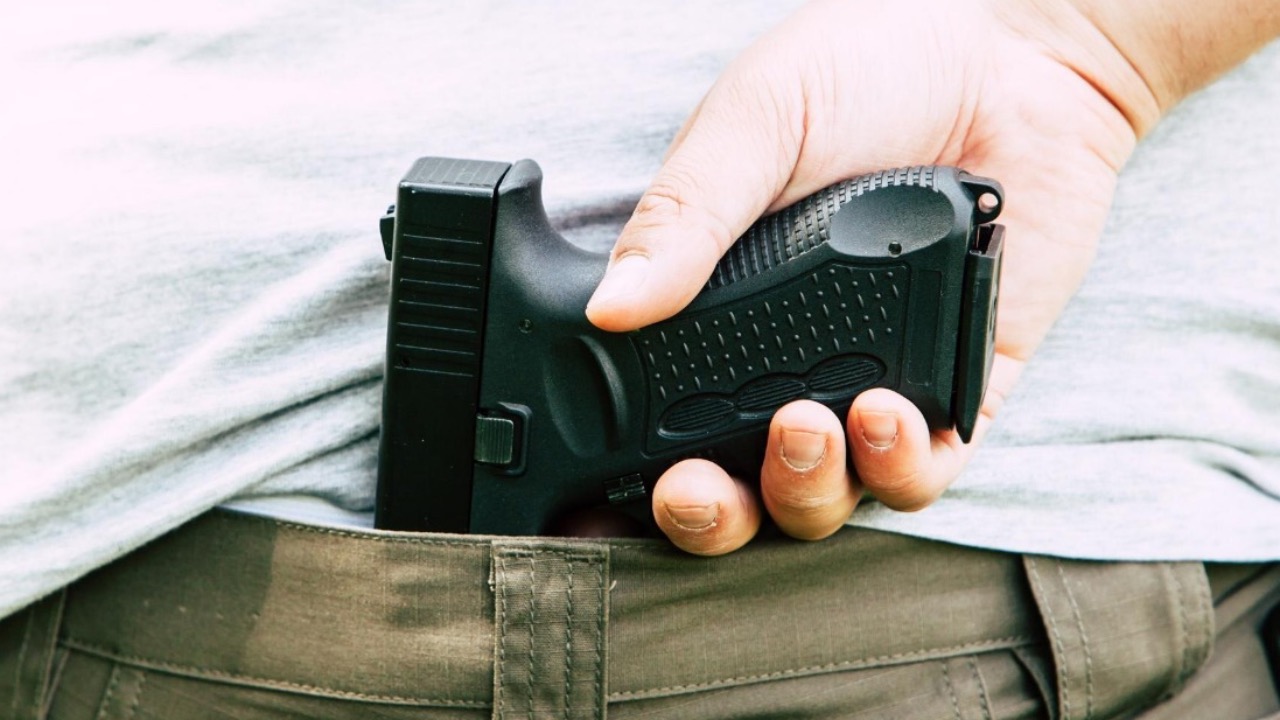
If there is one thing that screams “new carrier,” it is a flimsy nylon rig sagging off a department‑store belt. Experienced folks learn quickly that the holster and belt matter as much as the pistol. They want a rigid platform that holds the gun in the same spot every time, keeps it from tipping out when they bend over, and does not collapse when they reholster. That is why they are picky about ride height, cant, and how the holster interfaces with the belt.
Instructors who spend their days watching people draw from concealment are blunt about the weak links. One rundown of the 7 most frequent errors calls out Using a Craptastic Holster as the single biggest problem, and it is hard to argue. A separate checklist for new carriers says that When it comes to holsters, you should demand concealment, security, and accessibility, and it warns people to Avoid shapeless fabric rigs and to Don’t rely on off‑body carry as a primary method. The veterans listen to that advice, then spend their money on a real belt and a holster that gives them both Secure Retention and full Trigger Guard Protection.
3. Training is built around probabilities, not fantasies
New carriers often train for the gunfight they saw on a streaming show. They run around the range, shoot fast at close steel, and feel like they are preparing. The more experienced crowd tends to be quieter and more methodical. They focus on the likely problems, not the dramatic ones, and they build their practice around drawing from concealment, moving to cover, and making accurate hits under time pressure.
One detailed guide to Mistakes Gun Owners and And How to Avoid Them calls out Training for Possibilities and Only Practicing What already do well as classic traps. That same mindset shows up in a separate breakdown of Jul training advice that reminds shooters you cannot shoot well in a fight if you never push yourself in practice. Experienced carriers take that to heart. They run timed drills from concealment, they track their performance, and they spend more time on the skills that feel uncomfortable than the ones that make them look good on social media.
4. Skill is earned slowly, not bought in a weekend
There is a certain kind of new owner who thinks a high‑end pistol, a red‑dot sight, and a weekend class will turn them into a capable defender. The people who have been at this for a while know better. They treat skill like physical fitness. You can make a jump with focused effort, but you cannot buy your way around the need for consistent work.
That reality comes through clearly when professional shooters talk about performance. In one Can’t Buy Skill discussion, recorded in Jan, top competitors point out that people love to watch them “running around the range and blazing it down,” but that most viewers cannot replicate that without years of repetition. Experienced carriers internalize that message. They schedule regular practice, they dry‑fire at home, and they measure progress in months and years instead of days. The gear matters, but the habit of steady, honest training matters more.
5. Veterans respect the learning curve and pace themselves
One of the biggest differences I see between new and seasoned carriers is patience. New owners often sprint through the early stages. They buy a gun, skim the manual, shoot a box or two of ammo, and start carrying daily. The veterans remember how clumsy they felt at first, and they give themselves time to grow into the responsibility. They stage their carry in phases, starting with unloaded practice around the house, then short trips, then full‑day carry once the draw and reholster feel natural.
A detailed rundown of new owner pitfalls describes Rushing the Learning as a core mistake and notes that One of the most common assumptions is that Purchasing a firearm equals readiness. A related piece on Jan mistakes adds that leaving firearms accessible to unauthorized users is a recurring problem. Experienced carriers counter that by locking guns when they are not on their body, by staging ammo and firearms separately during the learning phase, and by being honest about when they are ready to carry in public.
6. Maintenance and gear checks become part of the routine
New owners tend to clean their gun once after the first range trip, then forget about it until something goes wrong. The folks who carry every day treat maintenance like brushing their teeth. It is not glamorous, but it is non‑negotiable. They check screws on holsters, inspect belts for wear, rotate carry ammo, and keep the pistol itself in working order.
One practical checklist for new gun owners spells out the basics: it tells shooters to Use a copper brush, then run patches through the bore until they come out clean, and to rely on a caliber‑appropriate cleaning kit to set realistic expectations and habits. Experienced carriers follow that advice, but they also build in quick function checks. Before they holster up, they confirm the magazine is seated, the optic (if they run one) is clear, and the gun cycles properly. That habit keeps small problems from turning into failures when they can least afford it.
7. They stay in step with how training and tactics are evolving
Another quiet difference between new and seasoned carriers is how they view training trends. New owners often live on whatever drill is popular on social media that month. The veterans pay attention to how serious instructors are shifting their focus. Over the last couple of years, that has meant less emphasis on static, square‑range shooting and more on context, movement, and decision‑making.
One look at current 2025/26 guidance shows that Today‘s top instructors are moving beyond the square flat range. Modern CCW and concealed carry training emphasizes context, adaptation, and how we actually carry and move in real life. Experienced carriers lean into that shift. They seek out classes that include low‑light work, vehicle scenarios, and force‑on‑force drills, because they know the odds of needing the gun while standing still in perfect light are slim.
8. Legal homework is treated as seriously as marksmanship
Ask a brand‑new carrier about the law and you will often get a shrug and a reference to “constitutional carry” memes. Ask someone who has been carrying for years and you will usually get a more careful answer. They know that the legal landscape is a patchwork, and that what is allowed in one state can be a felony in the next. They also know that the rules are changing, and that staying current is part of being responsible.
One detailed guide on Federal versus state rules points out that There is no national concealed carry permit and that understanding reciprocity between states is critical. Another overview of new gun laws notes proposals like the Colorado Assault Weapons and references Senate Bill 25‑003 as an example of how quickly rules can shift. A separate breakdown of 5 gun law explains how some measures sit on the union calendar in an “introduced” bucket before they move. Experienced carriers track those developments, especially if they travel, and they adjust their carry habits and storage plans to stay compliant.
9. Confidence is earned through humility, not bravado
The last big difference is attitude. New carriers sometimes swing between anxiety and swagger. They either feel like the gun is a ticking bomb on their belt or they talk as if owning it makes them an instant protector. The people who have been carrying for years tend to be calmer. They know what they can do, they know what they cannot, and they structure their carry around that reality.
One detailed look at Common Mistakes New highlights Overconfidence Without Practice as One of the most frequent problems, and it urges carriers to build competence and confidence together. A related Oct breakdown of Oct Common Mistakes New drives the point home. Experienced carriers absorb that lesson. They keep taking classes, they pressure‑test their skills, and they carry with a quiet confidence that comes from knowing they have done the work, not from the fact that there is a gun on their hip.

Asher was raised in the woods and on the water, and it shows. He’s logged more hours behind a rifle and under a heavy pack than most men twice his age.