Handguns that promise reliability and deliver excuses
Reliability is the one promise a handgun can’t afford to break. When a pistol is sold as dependable, you expect it to run without drama, whether it’s range day or something more serious. But some handguns build reputations that don’t hold up once rounds start flying. Malfunctions get blamed on ammo, magazines, grip, or break-in periods that never seem to end. Good shooters adapt, but frustration sets in when a pistol needs constant explaining. These are handguns that talk a big game about reliability, then leave you offering excuses instead of confidence.
Kimber Ultra Carry II
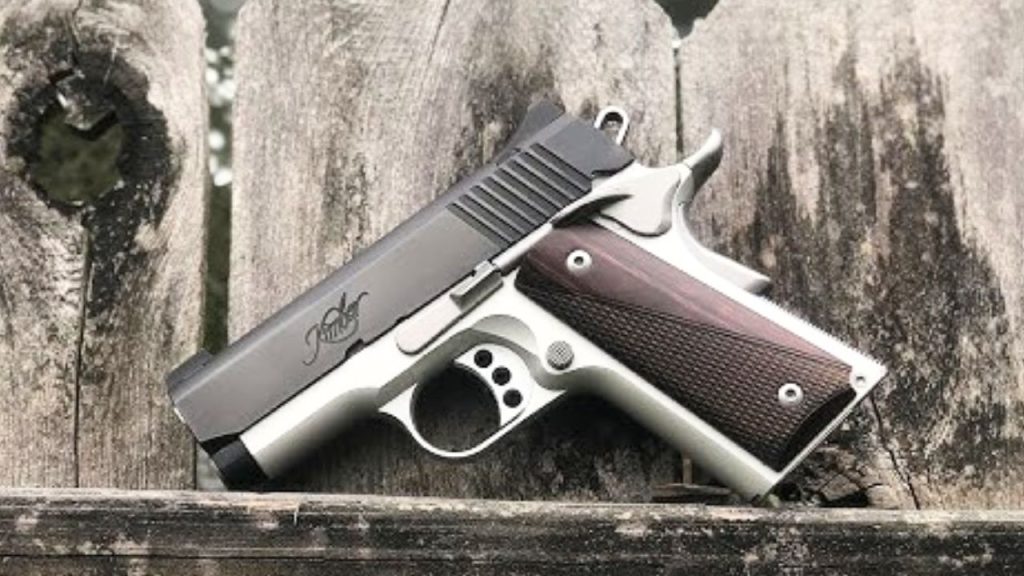
The Kimber Ultra Carry II looks sharp and carries easily, but reliability has been a long-running issue for many owners. Short-barreled 1911s are demanding by nature, and this model often struggles with feeding and extraction. Hollow points can be especially troublesome, even after proper lubrication and break-in.
You end up hearing a lot of explanations about magazine choice and recoil spring intervals. A carry gun shouldn’t require constant tuning to stay trustworthy. While some examples run fine, enough don’t that shooters often spend more time diagnosing malfunctions than focusing on shooting fundamentals.
SIG Sauer P365 (Early Production)
The SIG P365 promised full-size capacity in a compact frame, and early excitement was justified. Early production models, however, came with striker and firing pin issues that quickly soured confidence. Light primer strikes and broken internal parts weren’t rare complaints.
SIG addressed many of these problems, but early adopters were left making excuses for a pistol meant for carry. Even now, some shooters remain cautious. A defensive handgun should inspire trust without revisions, updates, or serial-number caveats attached to its reputation.
Remington R51
The Remington R51 was marketed as a modern carry pistol with a unique operating system. In practice, it suffered from feeding failures, painful recoil impulse, and inconsistent function. The grip safety and trigger system confused more than they helped.
Shooters found themselves blaming technique instead of the gun, until patterns became obvious. Remington attempted a redesign, but the damage was done. A pistol that needs a second release to fix basic reliability problems never earns back confidence, no matter how interesting the concept looked on paper.
Taurus PT111 Millennium G2
The PT111 G2 gained attention for affordability and features, but reliability varied widely between samples. Some ran well, others experienced failures to feed, light strikes, or magazine-related issues. Consistency was the problem.
Owners often defended problems as ammo-related or blamed limp-wristing, even among experienced shooters. When reliability depends on luck of the draw, trust erodes quickly. A carry pistol shouldn’t feel like a gamble, especially when malfunctions appear without clear causes or solutions.
Springfield Armory XD-S
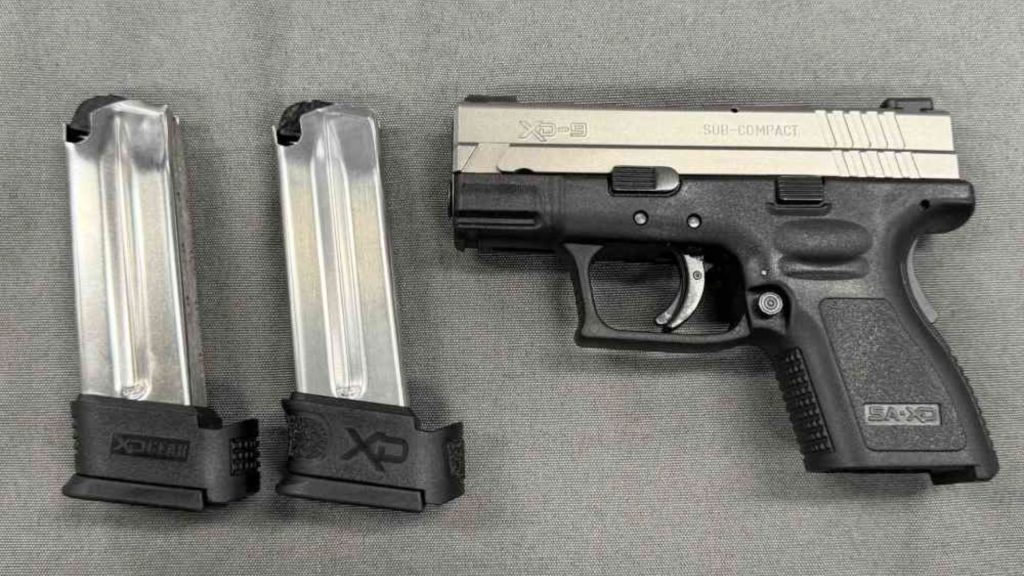
The XD-S is compact and easy to conceal, but it has a history that includes recalls and mixed reliability reports. Some shooters experience failures to return to battery, especially when the gun gets dirty or hot.
Grip safety engagement can also cause issues if your hand placement shifts under recoil. Instead of focusing on accuracy, you end up thinking about grip pressure and hand position. That mental overhead creates excuses where confidence should live, particularly in a pistol marketed for personal defense.
Walther PK380
The Walther PK380 is often pitched as an easy-shooting option, but reliability has been a recurring complaint. Feeding issues with hollow points and inconsistent extraction show up more often than they should.
Controls and slide manipulation can feel awkward, adding to user-induced problems. Shooters frequently blame ammo or break-in periods, but reliability shouldn’t require special conditions. When a pistol demands constant explanation, it stops being a dependable tool and starts feeling like a project.
Kimber Solo
The Kimber Solo promised premium construction in a micro 9mm package. What it delivered was ammo sensitivity so extreme that reliability depended on a short list of approved loads. Anything else risked stoppages.
A defensive handgun shouldn’t dictate ammunition choices so narrowly. Owners often defended failures by citing ammo specs, but that doesn’t change the outcome. When reliability hinges on perfect conditions, confidence erodes fast, regardless of how well the gun feels in the hand.
Smith & Wesson Sigma
The Sigma series built a reputation for heavy triggers and inconsistent reliability. While some ran adequately, others suffered from feeding and ejection problems that distracted shooters from fundamentals.
The trigger alone caused shooters to blame accuracy issues on themselves, masking mechanical shortcomings. Reliability concerns often got chalked up to technique. Over time, the Sigma became known less for dependability and more for the excuses owners made trying to justify keeping it.
Ruger LC9
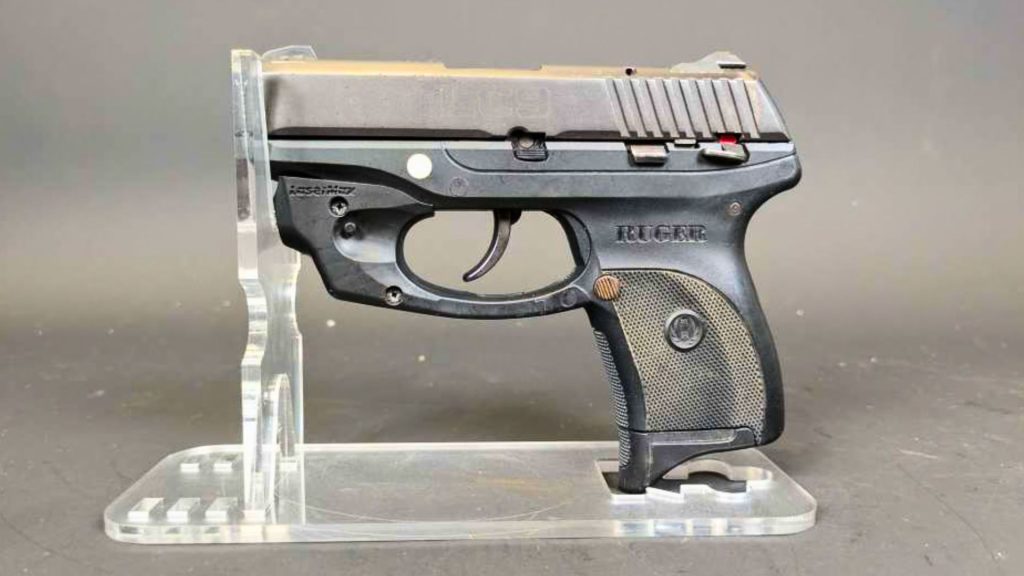
The Ruger LC9 is compact and lightweight, but reliability complaints aren’t uncommon. Long trigger travel and reset can interfere with consistent shooting, while feeding issues appear with certain ammunition types.
Some shooters report improved performance after extensive break-in, but that expectation is part of the problem. A carry pistol should run out of the box. When confidence only arrives after hundreds of rounds and careful ammo selection, reliability starts sounding conditional.
Beretta Nano
The Beretta Nano aimed to be a snag-free, striker-fired carry pistol. In reality, it earned criticism for failures to eject and inconsistent cycling. The lack of external controls didn’t offset the reliability concerns.
Shooters often blamed grip or limp-wristing, even when experienced hands had the same issues. When a gun demands perfect technique just to function, it stops being reassuring. A defensive pistol should tolerate less-than-ideal conditions without protest.
AMT Backup
The AMT Backup gained attention for its stainless construction and compact size, but reliability was always questionable. Feeding problems, heavy triggers, and inconsistent extraction plagued many examples.
Owners often excused malfunctions as part of the design or era, but that doesn’t help when rounds don’t chamber. Carry guns don’t get graded on historical context. When reliability becomes something you explain instead of expect, the trust simply isn’t there.
Kahr CM9
The Kahr CM9 is often praised for concealability, but reliability can be hit or miss. Break-in requirements are commonly cited, with failures to feed and return to battery appearing early on.
Even after break-in, some pistols remain finicky with hollow points. Shooters spend time testing, adjusting, and defending the gun rather than trusting it. A handgun that needs ongoing justification undermines the very reason you carry one in the first place.

Asher was raised in the woods and on the water, and it shows. He’s logged more hours behind a rifle and under a heavy pack than most men twice his age.