Why many concealed carriers rethink their setup after real training
Most people who start carrying a handgun think the hard part is picking the gun. Real training has a way of proving them wrong. Once you get off the couch and onto a range or into a force-on-force class, you find out fast which holsters collapse, which belts sag, which clothes snag, and which “good enough” habits fall apart when the clock and stress turn on.
I have watched confident new carriers walk into their first serious class and walk out ready to overhaul almost everything they thought they knew. That shift is not about gear snobbery, it is about discovering what actually works when you have to move, think, and shoot under pressure. The more realistic the training, the more brutally honest the feedback on your concealed carry setup.
Training exposes the gap between theory and reality
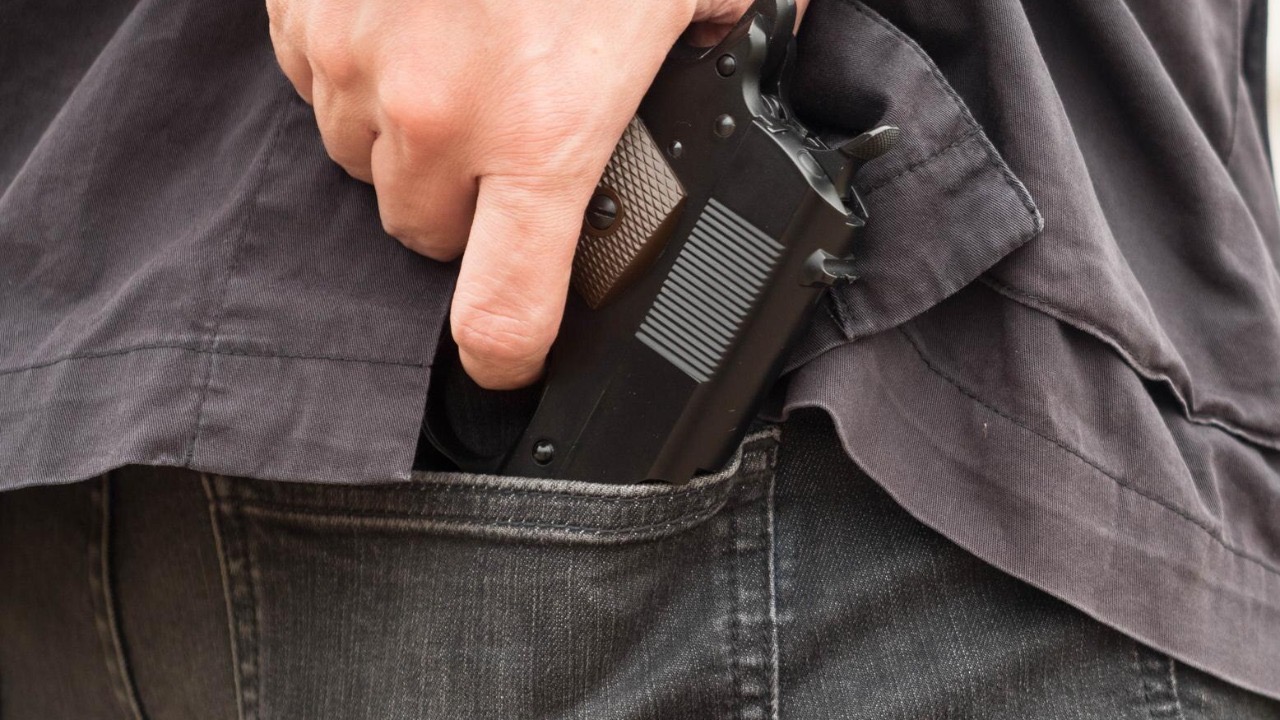
On paper, concealed carry looks straightforward: buy a pistol, grab a holster, get a permit, and you are set. The first time you run timed draws, shoot from awkward positions, or work around other people, you realize how much of that confidence was theoretical. In structured classes, many CWP holders admit they never really thought about how hard it would be to access a gun from under real clothing, in tight spaces, or while moving, until an instructor forced them to run those reps and they struggled to get the gun out at all, let alone safely, as described in one account of CWP carriers.
That same reality check shows up in video-based instruction aimed at new carriers, where trainers walk through the five mistakes most beginners make and explain that carrying a gun is a big deal, not a fashion accessory, in content like the widely shared breakdown of what every new concealed carrier gets wrong when they start carrying. Once you are forced to draw from concealment on demand, clear cover garments, and manage malfunctions under time pressure, you start to see your setup the way an attacker or a stopwatch would, not the way it looked in the mirror at home.
Cheap guns and “good enough” gear fail under pressure
One of the first things serious training exposes is the cost of cutting corners on hardware. In renewal classes, instructors routinely see Guns that were clearly chosen because they were the least expensive option available, and the biggest issue with these bargain-bin pistols is reliability when students actually have to shoot more than a few slow rounds, a pattern highlighted in reports on Guns in those classes. When a pistol chokes every other magazine or its sights walk loose halfway through the day, students stop caring what they saved at the gun counter.
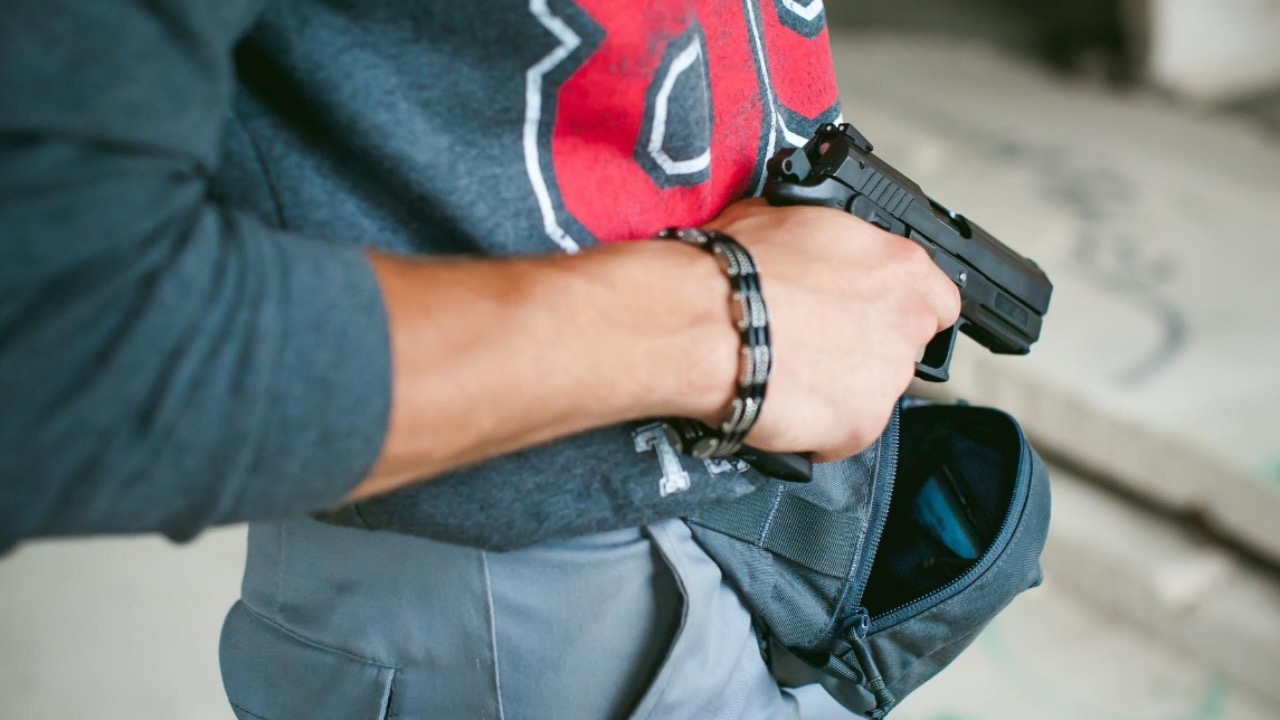
The same thing happens with holsters and belts. Many new carriers learn the hard way that a Bad Holster or Wrong Holster, especially when Choosing a flimsy design that collapses or does not cover the trigger, can lead to discomfort, printing, and even safety issues when they try to reholster under stress, as outlined in common concealed carry mistakes that show up once people start training under pressure. A high quality EDC Belt that keeps the holster from sagging or shifting becomes non negotiable once you spend a full day drawing and moving, which is why experienced carriers gravitate toward a purpose built EDC belt instead of a department store strap.
Holster position looks different once the timer starts
Plenty of people pick a carry position because it feels comfortable on the couch or hides well in the bathroom mirror. Training forces you to judge that choice by a harsher standard: how fast and safely you can get the gun into the fight. Appendix Carry, often shortened to AIWB, is Located in front of the hip around the 1 o’clock position for right handed shooters and 11 o’clock for left handed shooters, and many shooters discover in classes that this position offers faster access and better concealment for many body types when they are standing or moving, which is why so many instructors now teach dedicated AIWB techniques.
Other positions that seem comfortable at first can show their flaws when you are forced to draw on the move or from seated positions. Strong side hip carry is generally considered one of the most comfortable setups, but While this position is generally considered one of the most comfortable, it can also be a bit awkward to draw from since it sits right on the hip and can be blocked by seat belts or chair backs, a limitation that becomes obvious in vehicle or home defense drills that require you to access the gun while seated, as detailed in guides to positions. When students see classmates with better placed holsters beating them to the first shot by half a second, they start rethinking where they carry.
Drawing from concealment is harder than most expect
Ask a room full of permit holders to mime a draw and most will move smoothly, as if their cover garment is not even there. Put them on the line with real concealment and a shot timer and the story changes. Instructors who work with many CWP carriers report that They admit they never considered how difficult it would be to draw their weapon from under real clothing, especially when stress and movement are involved, until training forced them to confront that gap between imagination and execution, a point driven home in detailed write ups on the reality of that training.
Good classes hammer home that you cannot shoot well if you do not start with a proper grip, and You cannot get that grip without a clean draw that clears clothing, defeats retention, and lands your hand high on the backstrap every time, which is why many concealed carriers are urged to include weak side and support hand draws in their practice so they are not stuck fumbling for the gun with the wrong hand in a fight, as explained in training material that warns Yet many concealed carrier drills ignore those scenarios and cost students seconds you cannot afford when it counts, a lesson spelled out in detailed breakdowns of common mistakes. Once students see their draw times balloon and their first shots miss low because of a bad grip, they start changing holsters, belt height, and even shirt styles to clean up that first move.
Training reframes what “safety” really means
Plenty of carriers think safety starts and ends with keeping the gun pointed in a safe direction and the finger off the trigger. Training adds layers to that definition. Instructors who focus on Carrying Right Means Carrying Smart put Poor Trigger Discipline at the top of the list of dangerous habits, explaining that bad trigger discipline is the fastest way to hurt yourself or someone else, especially when you are reholstering under stress or trying to manage a malfunction with one hand, a point hammered home in classes that catalog the 10 biggest mistakes in carrying handguns and remind students that good habits keep you and everyone around you safe, as detailed in those warnings.
Serious instruction also broadens the idea of safety beyond the range. In executive protection circles, for example, trainers talk about Perception of intent and how Using a firearm commonly issued to law enforcement, like a Glock 9mm, may be perceived as a practical and responsible choice in some contexts but as an aggressive signal in others, which is why they stress that qualifications and scenario based training should be completed no less than quarterly to keep both skills and judgment sharp, as outlined in security focused discussions of how a Glock is viewed. That mindset trickles down to ordinary carriers who realize that safety also means understanding how your gear and behavior look to bystanders, responding officers, and juries after the fact.
Classes force you to fix the “little” mistakes you have been ignoring
Most concealed carriers accumulate bad habits quietly. They forget their permit, skip dry fire, or carry in a way that prints badly under certain clothes. Training packages those issues into a hard to ignore list. One detailed guide on How To Avoid 32 Of The Most Common Concealed Carry Mistakes starts with simple but critical errors like Forgetting Your CCW Permit At Home and goes on to cover everything from poor awareness to misunderstanding Concealed Carry State Reciprocity Laws, and when students see how many of those 32 pitfalls they are guilty of, they start tightening up their daily routine, as laid out in that long list of mistakes.
Other instructors hammer home that Choosing the Wrong Holster is not a fashion error but a functional one, and some even argue that Why Belt Clips Are a Better Alternative in certain setups because they can reduce bulk and improve concealment when used correctly, while also warning that Not Practicing Drawing Your Firearm and Wearing Inappropri clothing for concealment are among the fastest ways to sabotage your own carry plan, as spelled out in checklists of what to avoid when you carry every day with a clip. When a class forces you to draw from concealment a few hundred times in a weekend, those “little” issues stop being theoretical and start leaving bruises, missed times, and near misses that push you to change.
Good training changes how you think about belts, clothes, and comfort
Before training, most people treat belts and clothing as an afterthought. After a long day on the range, they move to the top of the priority list. In depth guides to concealed carry stress that an EDC Belt, especially a high quality model from companies like Blue Alpha, is the key to your setup because it keeps your holster from sagging, shifting, or rolling away from the body, which in turn stabilizes your draw and improves concealment for long hours of wear, a point that becomes obvious once you spend a full day moving and shooting with a purpose built Belt instead of a flimsy leather strip.
Clothing choices get the same scrutiny. One apparel focused breakdown notes that the biggest user error in concealed carry apparel is not the clothing itself, it is the lack of training with it, and that Dressing right means nothing if your cover garment, draw, and comfort have not been tested under stress, a lesson that hits home when students realize their favorite flannel or slim fit hoodie traps the gun during live drills, as explained in advice on how Dressing for carry really works. After a few snags and fumbled draws, many carriers start buying shirts a size larger, switching to zip hoodies, or choosing pants with deeper pockets and sturdier belt loops to support the weight of a full day’s carry.
Serious instruction pushes you toward a full EDC, not just a gun
Once you spend time in realistic scenarios, you realize a pistol is only one tool in a broader kit. Trainers who work with everyday carriers argue that CCW, short for Concealed Carry Weapon, training plays a major role in EDC preparedness, and While a CCW training course teaches you the legal side of carrying, good programs also push you to think about medical gear, flashlights, and communication tools so your everyday carry makes sure you are prepared for more than a single worst case scenario, as laid out in arguments that EDC training is not optional. One training focused gear guide even calls Training the upgrade that matters most, arguing that no accessory will Improve Your Confidence in Your Everyday Carry like structured reps that teach you how Carrying a concealed firearm is about more than simply owning a pistol, it is about making safe, lawful decisions under stress, as spelled out in advice on how to Improve Your Confidence.

Asher was raised in the woods and on the water, and it shows. He’s logged more hours behind a rifle and under a heavy pack than most men twice his age.