Lightweight, low-recoil handguns hikers actually shoot well
Hikers who carry handguns rarely want the biggest, loudest option. They want something light enough to forget on a belt or in a chest rig, soft enough in the hand that they actually practice with it, and accurate enough to matter when adrenaline spikes. The real benchmark is not raw power, it is whether a trail gun is so manageable that its owner shoots it well when the trail gets unfriendly.
In my experience, the sweet spot is a blend of modest recoil, practical calibers, and ergonomics that favor control over bravado. From .22 LR trail pistols to compact 9 mm and 380 Auto designs, the best lightweight sidearms for the backcountry are the ones that invite regular range time and reward it with consistent hits.
Why low recoil matters more than caliber on the trail
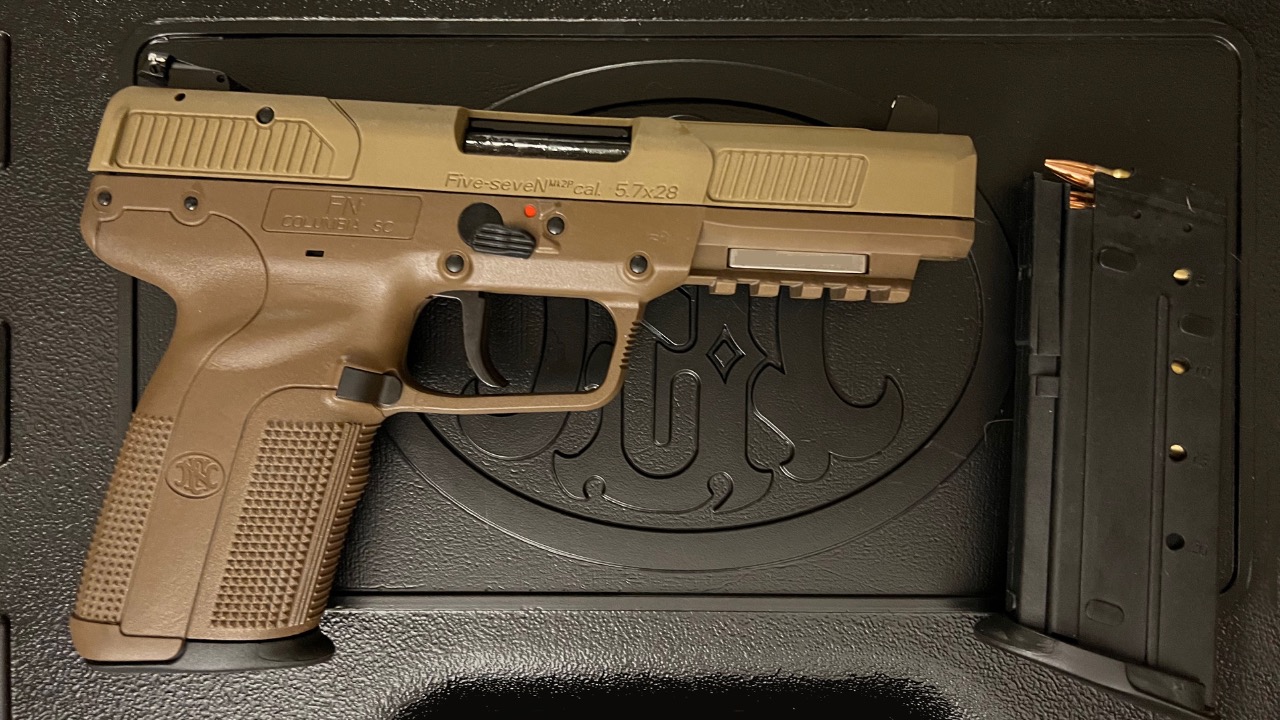
For hikers, a handgun is a compromise between weight, shootability, and realistic threats. A pistol that is technically powerful but painful to fire will not see much practice, and under stress that lack of familiarity shows up as missed shots and slow follow up. Low recoil lets you keep sights on target, run the trigger smoothly, and make multiple accurate hits, which matters more in most trail encounters than chasing maximum energy on paper.
Specialists who focus on easy shooting handguns point out that softer recoiling designs help newer or smaller framed shooters build confidence, and that benefit carries straight over to the backcountry. When a gun is tuned for comfort, with features like lighter springs, better grips, and milder cartridges, hikers are more likely to train with it and to carry it consistently, which is why many instructors highlight low recoil alternatives as smart choices for people who prioritize control over raw power.
Trail realities: what hikers actually need a handgun to do
On most hiking routes, the handgun is a last resort tool for close range defense, not a primary hunting weapon. The realistic jobs are scaring off aggressive dogs, deterring a human threat at conversational distance, or, in rare cases, stopping a medium sized animal that will not break contact. That kind of work favors a gun that comes out of the holster quickly, points naturally, and lets you place shots into a hand sized target zone without fighting the recoil.
Backcountry oriented shooters often pair a compact defensive pistol with a separate long gun for hunting or extended survival roles, treating the sidearm as a constant companion rather than a do everything firearm. In those setups, it is common to see a 9 mm concealed carry pistol on the belt and a lightweight .22 LR takedown rifle in the pack for small game and close defense, a pattern echoed by hikers who describe carrying “9mm ccw always, 22lr takedown for small game/close defense” when they are not planning to “be engaging in that kind of tomfoolery” at long range, as one survival discussion put it.
Caliber choices: .22 LR, 380 Auto, and 9 mm in the backcountry
Caliber debates can get abstract fast, but hikers benefit from a grounded look at what different rounds actually offer. For pure training and small game, .22 LR stands out because it has virtually no recoil and very low cost, which lets new shooters focus on the fundamentals of marksmanship instead of flinching. That same soft shooting character makes .22 LR an excellent way to ingrain safe gun handling and accurate trigger work before stepping up to stronger defensive cartridges, as many instructors note when they describe the 22 LR as an excellent round to train new shooters with.
For defensive use, 9 mm is often recommended as a balance between power and control, and that logic applies on the trail as well. Guides who walk first time buyers through caliber choices frequently suggest .22 LR for target shooting and 9 mm for self defense, framing 9 mm as a practical default for people who can manage its recoil, which is why one primer on first guns answers the question “What is the best caliber for a first gun?” by pointing to .22 LR for practice and 9 mm for protection. For hikers who want even softer recoil, 380 Auto sits in between, with 380 Auto ballistics described as “Known for its ( 380 Auto ballistics ) versatility and efficiency,” offering a unique balance of power and manageability that makes it an ideal choice for various shooting applications, according to one overview of how Known for Auto performance.
How much gun is enough: balancing power and control
Once hikers narrow down calibers, the next question is how much recoil they can realistically handle under stress. A pistol that feels manageable on a calm indoor range can become a handful when fired from an awkward stance on a steep trail. That is why many trainers emphasize a “Balance Between Power and Control” rather than chasing the largest possible cartridge, arguing that a shooter who can deliver fast, accurate hits with a moderate round is better off than one who flinches through a heavy recoiling magnum.
Analyses that compare .22 caliber pistols with 9 mm for defensive use often land on this same tradeoff, noting that for those seeking a balance between power and manageability, the 9mm is a strong contender, while .22 LR offers minimal recoil but less stopping potential. One detailed comparison explicitly frames the choice as a “Balance Between Power,” a phrase that captures the core decision hikers face when they weigh a softer shooting .22 against a more forceful but still manageable 9 mm.
Lightweight rimfire trail guns that punch above their size
Rimfire pistols and revolvers remain popular with hikers because they are light, cheap to feed, and easy to shoot well. Not every tiny .22 is a good trail companion, though. Very small “Tiny poppers” can be hard to shoot accurately, especially when they sacrifice sight radius and grip size for maximum concealment. Evaluations of rimfire trail guns warn that models such as Walther’s P22 do not make good trail guns when they do not offer sufficient accuracy, and instead recommend hand filling ergonomics and generous sight radiuses for serious backcountry use, a point underscored in one review that notes how Tiny Walther designs can fall short.
On the revolver side, some ultralight .22 LR wheelguns are purpose built for trail carry, combining minimal weight with enough capacity for small game or emergency defense. One example is a compact .22 revolver described as the lightest in its class, with eight rounds on tap and a design aimed squarely at hikers and campers who want a simple, snag free gun that disappears in a pack. That same discussion of rimfire options also highlights the Henry U.S. Survival Rifle, crediting Henry and its Survival Rifle to Eugene Sto as part of a broader ecosystem of lightweight .22 tools that work when you are counting on yourself and your gun to get back home.
Pocket friendly pistols: 380 and .22 LR that hikers actually carry
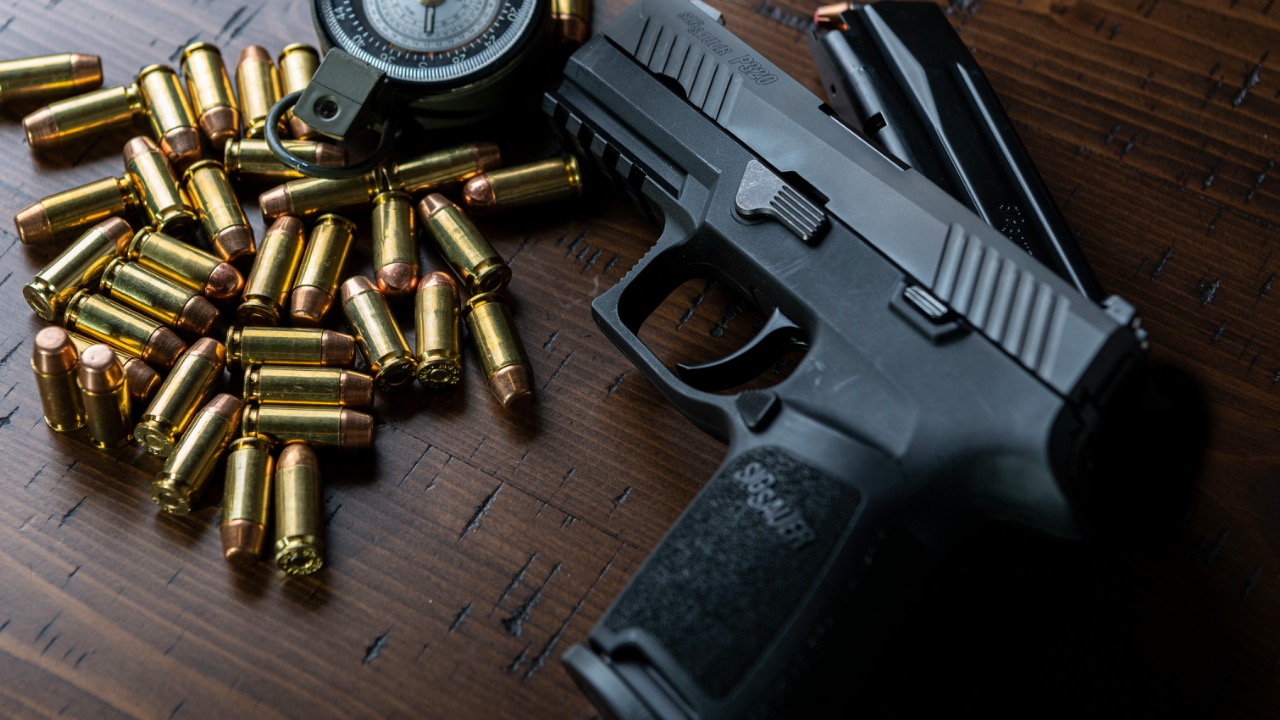
For hikers who prioritize minimal weight and deep concealment, pocket sized pistols in 380 or .22 LR are hard to ignore. These guns trade some shootability for extreme portability, but careful design can keep recoil manageable. Manufacturers have responded with lines specifically tuned for easier racking, softer springs, and milder recoil, such as S&W’s EZ series, Walther’s CCP and PD380, SIG’s lower recoil 380 variant of the P365, and several compact Ruger designs. One overview of low recoil pocket pistols notes that the Ruger LCP 2 in .22 LR weighs a mere 6.6 ounces, illustrating how far engineers have pushed the envelope on ultralight carry guns, and it credits Jul reports that Walther, CCP, SIG, and Ruger all offer softer shooting options in 380 and .22.
Dedicated .22 pocket pistols can be especially appealing to hikers who are recoil sensitive but still want a firearm on the trail. One example is a compact .22 LR model that uses a locked breech design and light slide to keep operation easy, with a thumb safety for added security in a pocket or pack. Holster makers describe how “This Ruger LCP II . 22LR model has a caliber of . 22LR,” emphasizing its role as a tiny, flat backup gun that still offers the training and small game benefits of rimfire, and they highlight that Ruger LCP II is purpose built for discreet carry with minimal bulk.
Compact 9 mm workhorses that stay controllable
Many experienced hikers settle on compact 9 mm pistols because they offer a strong mix of capacity, terminal performance, and manageable recoil in a package that is still light enough for all day carry. Among these, the Glock 19 has become a reference point, in part because it is described as “Accurate out of the box” and known for ease of shooting and nearly unbelievable durability in harsh environments. Commentators also note that the polymer frame and design choices help make this pistol relatively light recoiling, which is why so many hikers and outdoors professionals trust Accurate Glock pistols as do everything sidearms.
When choosing a compact 9 mm for trail use, hikers should look for features that support control, such as good grip texture, usable sights, and a trigger they can run cleanly under stress. Guides to concealed carry handguns stress that the best caliber can vary depending on personal preference and comfort with recoil, and they list 9 mm as a common choice for its balance of power and manageable kick, while also noting that some shooters prefer less recoil and a smaller handgun. One such guide explicitly calls out 9 mm as a “Common” pick, a reminder that hikers who can handle it gain a lot of capability without a huge weight penalty.
Gender, grip strength, and why “lady guns” are a myth
Marketing often treats women as a separate category of shooter, but on the trail the physics of recoil and ergonomics apply the same way regardless of gender. What changes is hand size, grip strength, and experience level, all of which can influence how a handgun feels under recoil. Some designs are specifically built for folks that have less strength, with easier to rack slides and lighter springs, and those can be especially helpful for hikers who struggle with traditional compact pistols. In one discussion about a good handgun for a lady hiker to carry, commenters point to options like a Smith and Wesson lightweight hammerless revolver and note that the . 380 version will be less “kick,” while also stressing that the shooter should go to a range and test guns personally, advice that appeared in a thread dated in Feb and even used the word “Specifically” to describe models built for lower strength users, as seen in a Feb exchange.
Broader guides on handguns for women echo that the most common type of ammunition is . 22 LR, and they acknowledge that while it provides decent stopping power in some contexts, it is still the caliber of a long rifle and not a magic solution. One such overview explicitly uses the word “However” to pivot from praising .22 LR’s low recoil to warning that it may not be ideal as a sole defensive round, reinforcing the idea that women, like men, should choose the most powerful handgun they can control comfortably and practice with regularly, rather than defaulting to the smallest option on the shelf, as highlighted in a However nuanced discussion.
Training, ammo selection, and building real confidence
No handgun, however light and soft shooting, will help a hiker who never trains with it. The path to real confidence starts with regular dry fire, structured live fire practice, and thoughtful ammunition choices that match the gun’s role. For many people, that means starting with .22 LR to ingrain fundamentals, then transitioning to 380 or 9 mm defensive loads once they can run the gun smoothly. Video breakdowns of low recoil handguns often highlight models like the Ruger LC380, ranking it among the best concealed carry ACP handguns and noting how its softer shooting character makes it easier for new shooters to control, as one list of top low recoil handguns from Jul put it when it spotlighted Ruger designs.

Leo’s been tracking game and tuning gear since he could stand upright. He’s sharp, driven, and knows how to keep things running when conditions turn.