A survivalist explains how many guns are actually practical to own
For survival-minded gun owners, the real question is not how many firearms you could collect, but how many you can actually run under stress, maintain in the field, and keep fed with ammunition. A survivalist mindset treats guns as tools in a system, not trophies on a wall, which means there is a practical ceiling on what most people can usefully own. I approach that ceiling by looking at roles, skills, and logistics rather than raw numbers.
From collections to systems: why “as many as possible” fails
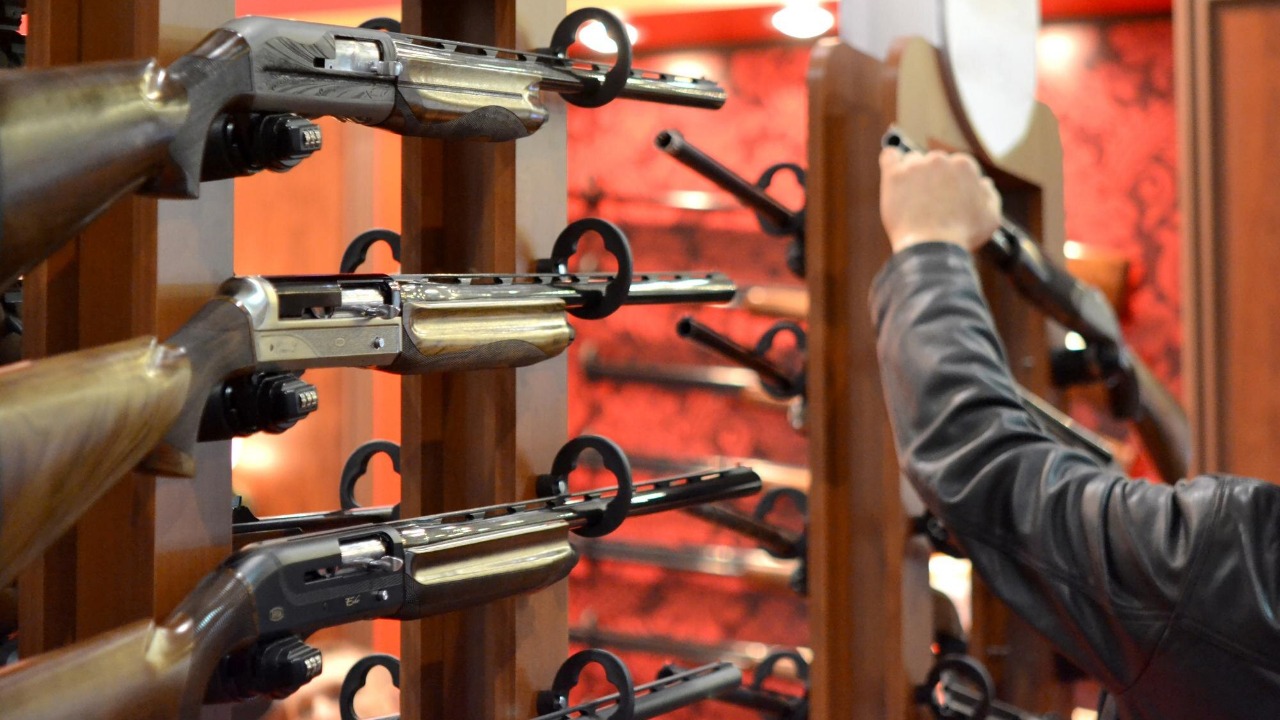
In preparedness circles, it is common to see people brag about owning dozens of guns in a rainbow of calibers, each with its own quirks and magazines. That kind of collection can be fun, but it quickly becomes a liability when you think in terms of evacuation, resupply, or defending a fixed location with limited time and energy. The more platforms and calibers you juggle, the more you dilute your training and complicate your logistics, which is the opposite of what a survivalist should want.
Even experienced preppers who enjoy variety eventually run into the same wall: there are only so many hours to clean, test, and practice with each firearm. In online discussions, some owners admit they “revel in how many, sizes, calibers and so on” they have, but then concede that this mindset is better suited to casual range days than to a disciplined inventory that can serve as a guideline in a crisis, a tension that surfaces when They compare notes. A survivalist approach treats firearms as a coherent battery, not a grab bag, and that shift in thinking is what ultimately drives the practical number down.
The core battery: three to four guns that cover real needs
When I strip the problem down to essentials, I keep coming back to a compact battery of three to four firearms that cover the most likely scenarios: a defensive handgun, a general-purpose rifle, a shotgun, and optionally a longer range rifle if your environment demands it. This mix gives you tools for close quarters, medium distance, and hunting or pest control without forcing you to manage a dozen different systems. Some survival instructors explicitly recommend owning “three to four guns” in compatible calibers, arguing that this balance lets you stock ammunition efficiently and still keep your bushcraft skills sharp, a point that aligns with the practical advice in Parting Shots.
Within that core, the handgun is the constant companion, the rifle is the workhorse for defense and hunting, and the shotgun fills a flexible niche for small game, birds, and close-range threats. The optional slot is where context matters: rural homesteaders might prioritize a dedicated long-range rifle, while urban dwellers might instead double up on a second identical handgun for redundancy. The key is that each slot has a clear job and shares as much ammunition and magazine commonality as possible, so your “three to four” guns function as a unified kit rather than four unrelated hobbies.
Skill beats quantity: why fewer guns can make you deadlier
Owning a firearm is not the same as being able to run it well when it counts, and that gap widens with every extra platform you add. To build real competence, you need structured training followed by consistent practice that reinforces those lessons. One training-focused analysis draws a sharp line between formal instruction and self-guided repetition, noting that Practice differs from training in that practice is self-guided and reinforces skills learned in training, and that most of your limited range time should be spent on your primary gun until you reach genuine proficiency before branching out to others, a philosophy laid out in detail in Practice.
From a survivalist perspective, that means every extra firearm you add to your stable comes with an opportunity cost. Time spent learning a new manual of arms, new sight picture, or new recoil impulse is time not spent deepening your reflexes on the gun you are most likely to have on you when trouble starts. A leaner collection lets you pour hundreds of repetitions into the same draw stroke, reload, and malfunction clearance, which is what turns a tool into an extension of your body. In a crisis, the shooter who has mastered one or two platforms will almost always outperform the collector who is “familiar” with ten.
What real preppers actually keep on hand
When you look past social media bravado and ask working preppers what they actually rely on, the answers tend to be modest. In one discussion labeled under Gear, a user lays out a simple loadout of 2 rifles, a pistol, and a break action shotgun, then adds, “I don’t think I’ll need much more,” a sentiment that resonated enough to draw an Upvote tally and a Downvote count that appears as 101 G in the thread, as seen in the Gear exchange. That kind of answer is not flashy, but it reflects a sober assessment of what one person can realistically carry, feed, and maintain.
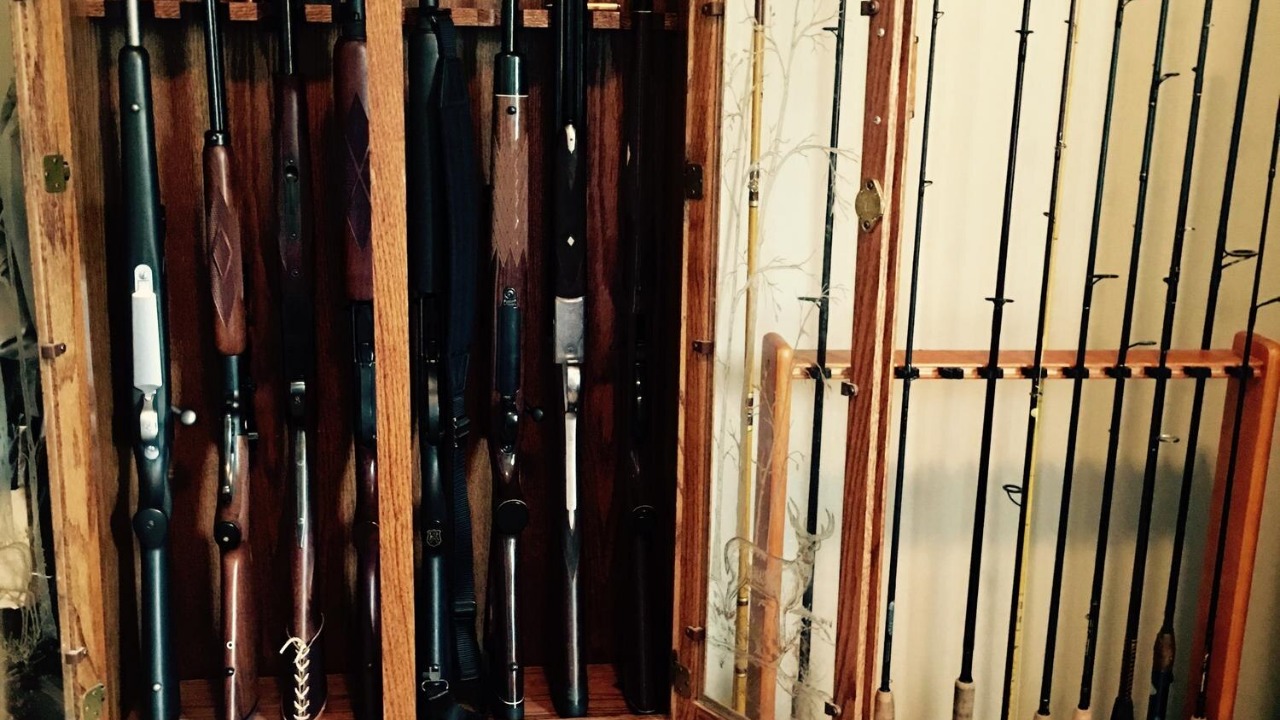
Across similar conversations, the pattern repeats: a compact rifle for defense and hunting, a handgun for daily carry, and a shotgun for versatility. Some add a .22 caliber rifle for small game and training, but very few argue that owning ten different centerfire rifles in overlapping roles makes them more prepared. The people who have actually thought through bug-out routes, weight limits, and ammunition stockpiles tend to converge on a small, overlapping set of tools rather than a sprawling armory that looks impressive on paper but collapses under real-world constraints.
Role-based planning: how many guns per job?
Instead of starting with a number, I start with roles and then assign firearms to each job, which naturally caps the total. For personal defense, one primary handgun and one backup of the same model or family is usually enough, since shared magazines and parts simplify everything from holsters to spare springs. For general-purpose defense and hunting, a single intermediate-caliber rifle with a durable optic covers most needs, with a second identical or very similar rifle only if you are planning for a two-adult household or a dedicated training gun.
Beyond that, a single shotgun can handle everything from breaching to bird hunting with a change of ammunition, and a single precision or “long gun” fills the extended-range niche. Even in historical contexts where firepower mattered, commanders thought in terms of batteries, not endless variety. One Civil War account describes how “Here our four gun battery stands planted on the bluff, with the pieces ready for their work, ball for long range, something other than cans of preserves for close entertainment,” a vivid reminder that a focused set of four well-sited guns can dominate a battlefield more effectively than a scattered assortment, as captured in the line beginning with Here. Translating that logic to personal preparedness, a handful of clearly defined roles, each filled by a reliable firearm, will serve you better than chasing every niche on the market.
Caliber consolidation and logistics in a long emergency
Once you know the roles you need to fill, the next limiter on how many guns are practical is ammunition and parts. Every new caliber you introduce into your system multiplies the storage, cost, and resupply challenges you face, especially in a prolonged disruption where shelves are bare and online orders are not an option. That is why many survival-focused guides warn against scattering your inventory across a dozen cartridges and instead urge owners to standardize on a small set that can be shared among multiple guns, a principle that sits behind recommendations to keep your calibers tight in resources like Parting Shots, which explicitly ties caliber discipline to long-term bushcraft and sustainment.
From a survivalist’s point of view, the most practical collections are those where a single caliber feeds multiple roles, such as a carbine and a full-size rifle sharing magazines, or a pair of handguns that both run the same defensive load. This not only simplifies storage and resupply, it also makes it easier to train, since your recoil impulse and ballistic performance remain consistent across platforms. The more you consolidate, the more each additional gun adds redundancy instead of complexity, and that is the point where adding a fifth or sixth firearm can still be justified as a backup rather than a distraction.
When a fifth gun makes sense, and when it is just clutter
There are scenarios where going beyond the three-to-four-gun core is rational, but they are narrower than many enthusiasts admit. A dedicated longer range rifle in a .30 caliber, for example, can be a legitimate addition if you live in open country or expect to hunt larger game at distance. Some instructors explicitly list a “number five” firearm as a longer range .30 caliber rifle and note that they personally lean toward a bolt action for that role, a preference that surfaces in a Jan segment of a popular survival video, which walks through a five-gun setup in detail at Jan. In that framework, the fifth gun is not a toy, it is a specialized tool for a clearly defined environment.
Beyond that point, however, most additions are either duplicates for other household members or luxuries. A second shotgun in a different configuration, a niche pistol caliber carbine, or a historical rifle might be enjoyable, but they do not materially change your survival odds if you already have a solid handgun, rifle, shotgun, and long-range option. At that stage, the limiting factor is almost always your time and attention, not your firepower. If you cannot articulate exactly what problem a new gun solves that your existing battery cannot handle, it is probably clutter rather than capability.
Putting a number on it: what is actually practical to own?
When I add up all of these constraints, the practical answer for most survival-minded civilians lands between four and six firearms, with three to four as the lean core and one or two extras for specialization or redundancy. That range lines up with the way serious preppers describe their own inventories, from the 2 rifles, pistol, and break action shotgun in the Gear discussion to the structured five-gun list that tops out with a .30 caliber bolt action. It also reflects the reality that every additional platform demands more training, more ammunition, and more maintenance, all of which are finite resources.
There will always be collectors who enjoy owning far more, and there is nothing inherently wrong with that as long as they recognize the difference between a hobby and a survival plan. For someone who wants a practical, defensible answer to how many guns are actually useful, the test is simple: if you can train with it regularly, keep it running without outside help, and feed it from a sensible stockpile, it earns its place. Once you pass that point, the smartest move is not to buy another firearm, but to invest in more ammunition, better training, and the non-gun skills that keep you alive when the shooting stops.

Leo’s been tracking game and tuning gear since he could stand upright. He’s sharp, driven, and knows how to keep things running when conditions turn.