How Hugh Thompson Jr. was punished for saving lives at My Lai
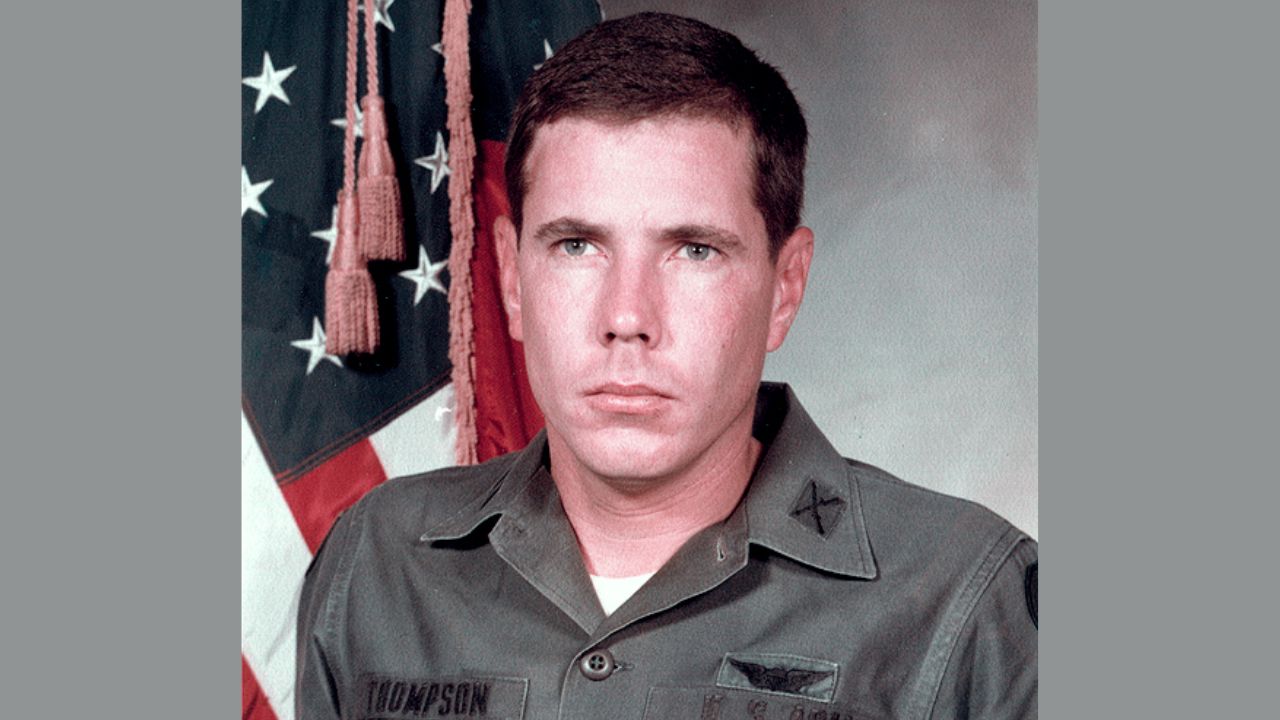
Hugh Thompson Jr. flew into Mỹ Lai expecting combat and instead found American troops killing unarmed villagers. He chose to intervene, saving civilians and later testifying about what he had seen, only to be treated as a traitor by parts of the military and political establishment. His story shows how, in the fog of war, the system often punishes those who insist on seeing civilians as human beings rather than collateral damage.
What happened to Thompson after he stopped the killing reveals as much about the United States in Vietnam as the massacre itself. He was officially decorated for bravery, yet vilified in public, targeted with death threats, and sidelined for years while most of the men who ordered or carried out the slaughter escaped serious punishment. I want to trace how that backlash unfolded, and why it took decades for the country to admit that the man in the helicopter was the one who upheld its stated values.
The pilot who arrived expecting a firefight
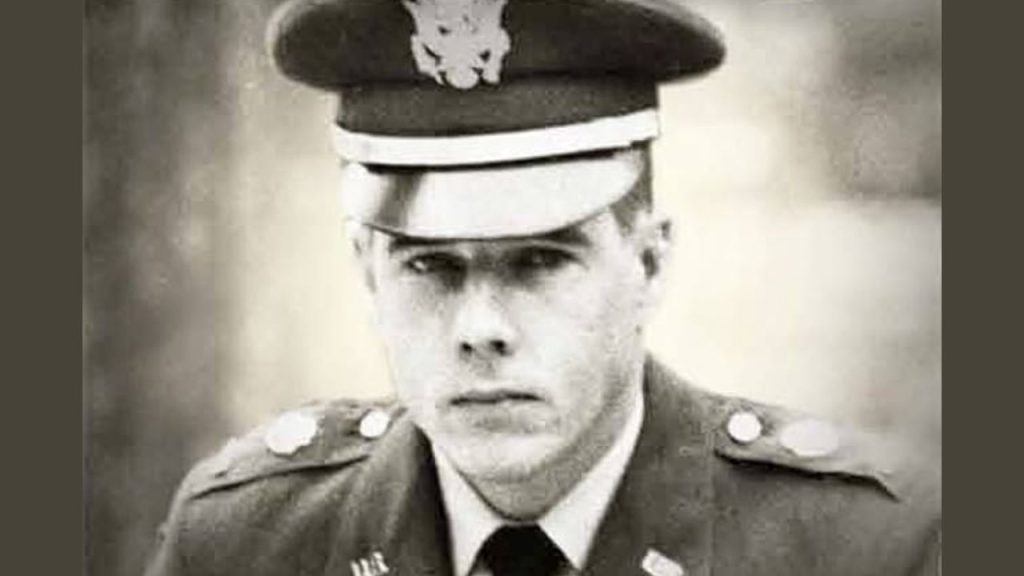
Hugh Thompson Jr. did not come to Vietnam as an outsider or a dissident. He was a career serviceman who had already served in the US Navy as a heavy equipment operator before becoming an Army warrant officer and helicopter pilot. By the time his OH-23 scout helicopter lifted off over Quảng Ngãi province, he was steeped in the culture of obedience and loyalty that defined the American war effort. He had every reason to assume that the infantry units below him were engaging enemy combatants, not families.
From the air, though, the scene in the hamlet of Mỹ Lai quickly defied that assumption. In archival footage revisited by 60 M years later, Thompson described seeing bodies in irrigation ditches and no sign of hostile fire directed at the Americans. The infantrymen were moving methodically through the village, and the people on the ground were not armed guerrillas but peasants in everyday clothes. That disconnect between the mission he thought he was supporting and the reality below is what set his next decisions apart from so many others in Vietnam.
What he saw at Mỹ Lai
The scale of the killing at Mỹ Lai is still staggering. On March 16, 1968, between 347 and 504 unarmed Vietnamese adults and children were killed, some of the women and children gang raped before they were shot. The victims were overwhelmingly villagers, not combatants, and they were killed at close range by American troops who had been told they were entering a hostile stronghold. From the air, the pattern of bodies and the absence of enemy fire made clear that this was not a firefight gone wrong but a massacre of Vietnamese civilians.
Later interviews and testimony describe Thompson circling low and watching soldiers shoot people who posed no threat, including women, old men and children. A later Minutes segment on the massacre summarized how American soldiers gunned down more than 500 unarmed villagers that day, a figure that aligns with the higher end of the casualty estimates. For a pilot trained to provide reconnaissance and cover, the sight of his own side methodically killing civilians forced a choice that the rules of engagement did not neatly anticipate.
The moment he turned his guns on his own side
Thompson’s response was not a single act but a series of escalating interventions. First, he landed to ask ground officers what they were doing, only to be brushed off with claims that they were following orders. When he saw more civilians fleeing, he brought his helicopter down between them and the advancing troops, using his aircraft as a physical barrier. According to one detailed account, Thompson, disgusted by the actions of his fellow troops, ordered his crew to train their guns on the Americans and to fire if the soldiers tried to shoot the civilians.
His crew, including gunner Lawrence Colburn and crew chief Glenn Andreotta, backed him up. As later reporting noted, Colburn and Andreotta provided cover for Thompson as he confronted the leader of the U.S. forces on the ground. In that confrontation, he made clear that he would protect the villagers, even if it meant opening fire on fellow Americans. It was an extraordinary assertion of individual conscience over chain of command, and it came from a man who had spent his adult life inside that chain.
How he saved the survivors
Stopping some of the killing was only part of what Thompson did that day. Once he had positioned his helicopter between the soldiers and the villagers, he began the work of getting people out alive. One account describes how Thompson radioed for help, called in helicopters to evacuate survivors, and physically pulled wounded villagers to safety. He coaxed terrified civilians out of bunkers and ditches, assuring them that the men in flight suits were there to help, not to kill.
His crew’s small OH-23 was not designed as a medevac platform, yet they crammed it with as many people as they could and directed other helicopters to land and take on more. Later recollections emphasize that Thompson personally pulled wounded children from piles of bodies and insisted that they be flown to medical care. In the middle of an operation that had turned into a slaughter, he repurposed his aircraft from a weapon system into an ambulance, and he did it in defiance of the officers who were supposed to be in charge.
The military’s first reaction: bury and deflect
In the immediate aftermath, the Army did not celebrate Thompson as a hero. Instead, the institution tried to contain the damage by framing Mỹ Lai as a successful engagement with enemy forces. Official reports initially described high enemy body counts and low civilian casualties, a narrative that erased the villagers and the helicopter crew who had tried to save them. Within that narrative, there was no room for a pilot who had threatened to fire on his own side to stop the killing.
When the story of Mỹ Lai began to surface publicly, the focus was on the infantry company and its officers, not on the man in the helicopter. According to one biographical account, Hugh Thompson Jr. continued to fly missions after Mỹ Lai but found himself increasingly isolated. The broader system’s instinct was to protect the chain of command and the war effort, not to highlight a case where a warrant officer had effectively declared that the rules of war mattered more than orders from above.
Testifying against Twenty officers and the price he paid
The real break with the institution came when Thompson agreed to testify about what he had seen. In 1970, he appeared in proceedings that examined the massacre and the subsequent cover up. According to official records, Twenty six officers and enlisted soldiers, including William Calley and, were charged with criminal offenses related to Mỹ Lai. Thompson’s testimony, which contradicted the official line and implicated senior officers, made him a key witness against his own chain of command.
The personal cost was immediate. One educational account notes that On March 16, 1968 is remembered for the massacre, but in the years that followed Thompson received death threats and was denounced as a traitor by some fellow veterans and members of Congress. Another summary of his life notes that Thompson found that parts of the military and political establishment treated his decision to speak out as a betrayal rather than an act of loyalty to the laws of war. The message to other soldiers was clear: obeying your conscience might leave you more exposed than those who pulled the triggers.
The lone conviction and a broader failure of justice
Despite the number of people charged, accountability for Mỹ Lai was strikingly thin. A detailed reconstruction of the legal aftermath notes that Only one U.S. soldier, platoon commander Lieutenant William Calley, was convicted. He was court martialed and sentenced to life in prison, but his sentence was later reduced and he spent only a few years under house arrest after presidential intervention. For the villagers of Mỹ Lai, and for the helicopter crew who had risked their lives to stop the killing, that outcome underscored how little the system was willing to punish those who ordered or carried out the massacre.
Other investigations recommended broader accountability. One historical summary notes that investigators urged charging 28 officers for the massacre and the cover up, a recommendation captured in a profile of Thompson that also reflects his own lingering sense that he could have saved more lives. Another military history account points out that in 1970, Hugh Thompson Jr watched as 26 officers and enlisted men were charged, only to see most of those cases collapse. The contrast between that leniency and the hostility directed at the man who tried to stop the crime is at the heart of how he was punished for saving lives.
A medal he threw away and a country that looked away
In a gesture that captured the ambivalence of the institution, the Army eventually awarded Thompson a decoration that was supposed to recognize his courage. He received the Distinguished Flying Cross for actions that were described in sanitized language as saving the lives of civilians “in the face of hostile enemy fire.” According to one biographical account, Thompson threw away the Distinguished Flying Cross he was awarded for saving the lives of Vietnamesecivilians, because the citation lied about what had really happened. The medal praised him for bravery under enemy fire, but the fire he had faced came from his own side’s moral collapse, not from the villagers.
For years, official Washington largely pretended that his defiance had not occurred. One account notes that by the time the Pentagon publicly acknowledged the full extent of his actions, decades had passed and the war was long over. A separate profile of Hugh Thompson Jr emphasizes that history tried not to notice him, echoing another reflection that Because he had exposed a crime rather than an enemy victory, his story did not fit the narratives that political leaders wanted to tell about the war.
Reckoning with his legacy
Only much later did the United States begin to treat Thompson as the kind of soldier it claimed to value. Retrospectives, including televised segments that revisited the massacre, have highlighted how Thompson was a helicopter pilot back in 1968 on a day when American soldiers gunned down more than 500 unarmed villagers, and how he chose to act differently. Obituaries and profiles have described him as “one of the good guys,” noting that Thompson later coaxed civilians to safety while his crew covered him with their weapons. Those later tributes sit uneasily beside the years when he was shunned and threatened for the same actions.
For me, the enduring lesson of his story is not just that one man showed courage, but that the system around him treated that courage as a problem to be managed rather than a standard to be emulated. The investigations that followed Mỹ Lai, including the recommendations to charge 28 officers and the eventual conviction of only one, show how limited the appetite for accountability really was. Profiles that pair archival images from Bettmann and Getty with testimony from Thompson himself underline how long it took for that reckoning to begin. His punishment for saving lives was social and institutional rather than legal, and it is precisely that kind of punishment that makes future whistleblowers think twice before acting.

Leo’s been tracking game and tuning gear since he could stand upright. He’s sharp, driven, and knows how to keep things running when conditions turn.