Five overlooked hunting cartridges worth another look
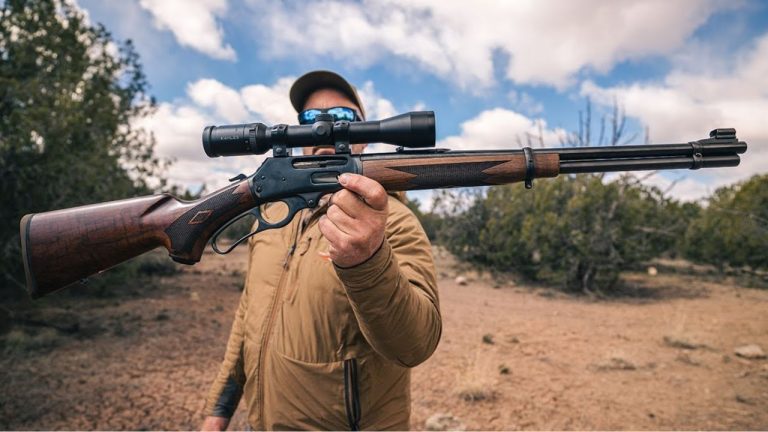
Modern hunters are spoiled for choice, yet a handful of capable cartridges sit in the shadows of trendier rounds. Many of these older or niche chamberings offer excellent field performance, manageable recoil, and real-world versatility that belies their modest popularity. I want to spotlight five such options that deserve far more time in the woods than they currently get.
Each of these cartridges has a clear role, from light-recoiling deer rounds to small-bore varmint specialists and classic all-around performers. By looking at how they behave in real hunting conditions, and how they compare with better-known rivals, it becomes clear that “overlooked” does not mean “outclassed.”
Why overlooked cartridges still matter
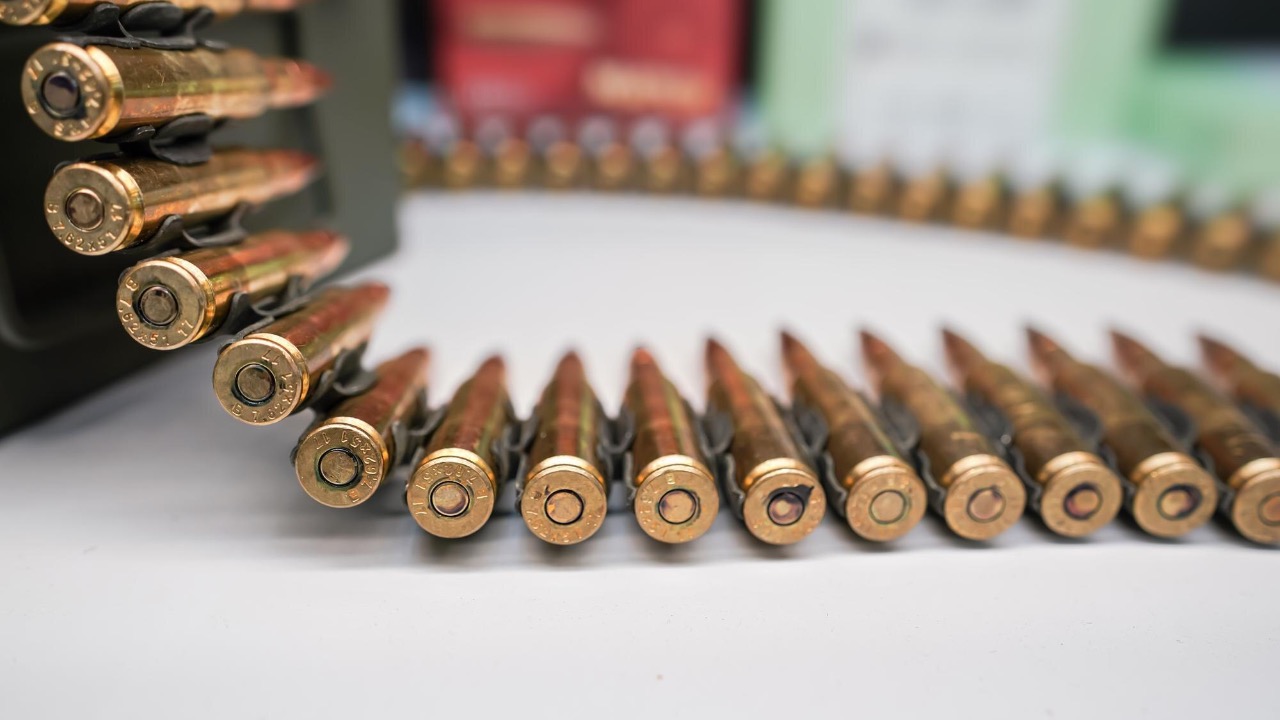
The hunting market tends to move in cycles, with new chamberings grabbing attention while older designs quietly keep filling freezers. Cartridges that lack marketing buzz can still offer excellent accuracy, humane terminal performance, and practical advantages like lower recoil or better barrel life. When I evaluate a round, I look less at its social media footprint and more at how reliably it anchors game, how easy it is to shoot well, and whether ammunition and components remain realistically obtainable.
Recent coverage of “underrated” and “classic” rounds shows that many hunters are rediscovering cartridges that never stopped working, they simply slipped off the front of the catalog. Lists of overlooked options highlight everything from small-bore varmint rounds to mid-caliber deer cartridges that have been overshadowed by newer designs, yet still “get it done” in the field. That pattern is a reminder that ballistic performance does not expire just because a fresh case design hits the shelves, and it is the reason I keep circling back to a handful of proven but underappreciated choices.
.22 Hornet: the quiet small‑game specialist
The .22 Hornet is one of the most underestimated small-game and varmint cartridges in circulation. Developed at Springfield Armory and based on the older .22 WCF blackpowder round, it bridges the gap between rimfire and high-velocity centerfire options. In practical terms, that means more reach and authority than a .22 LR, yet far less blast and meat damage than the big .22 centerfires that dominate prairie dog towns. For hunters who value pelt-friendly performance on foxes or who want a mild, accurate round for farm-country pest control, the Hornet still makes a compelling case.
Its modest powder charge keeps recoil and report low, which makes it easier to spot impacts through the scope and to train newer shooters without flinching. Modern loads and bullets have also tightened the Hornet’s accuracy reputation, turning what was once seen as a quirky relic into a genuinely useful tool for careful shooters. The fact that it traces its lineage to the .22 WCF and was refined at Springfield Armory underlines how long engineers have been trying to squeeze efficient performance from small cases, and how well this particular experiment has aged.
6mm Remington: a classic that never got its due
The 6mm Remington is a textbook example of a cartridge that should have been a runaway success but never quite caught the public imagination. Ballistically, it offers flat trajectories, efficient 6 mm bullets, and enough energy for deer-sized game, all while keeping recoil manageable for most shooters. In many ways it anticipated the current fascination with mid-caliber, high-BC projectiles, yet it has been overshadowed by newer designs that arrived with more aggressive marketing and a cleaner naming story.
Hunters who have stuck with the 6mm Remington often describe it as “criminally underrated,” and the numbers back that up. It delivers the kind of performance that modern shooters now chase with cartridges like the 6mm Creedmo, but it has been doing so quietly for decades. Analyses of classic deer cartridges routinely point out that the 6mm Remington never became as popular as it deserved, not because of any ballistic shortcoming, but because of early twists, naming confusion, and the simple inertia of the market. For hunters willing to look past the latest trend, it remains a superb dual-role round for varmints and deer.
6.5×55 Swedish: mild recoil, serious reach
The 6.5×55 Swedish, often called the 6.5 Swede, has quietly built a reputation as one of the most balanced hunting cartridges ever designed. It combines a relatively spacious case with long, high sectional density 6.5 mm bullets, which translates into deep penetration and stable flight at practical hunting distances. In the field, that balance shows up as reliable performance on deer and similar game, even when shots stretch across open country or cut through gusty crosswinds.
One of the Swede’s biggest advantages is how easy it is to shoot well. Reports on the 6.5×55 Swedish emphasize that it produces mild recoil and a relatively flat trajectory, which makes the 6.5 Swede a superb choice for whitetails and other medium game in variable conditions. That combination of comfort and effectiveness is why it appears both in lists of underrated deer rounds and in discussions of how weather affects rifles, where its forgiving ballistics and manageable recoil are highlighted as real-world advantages. In an era when newer 6.5s grab the spotlight, the Swedish original still offers everything most hunters actually need.
.257 Roberts: the forgotten all‑rounder
The .257 Roberts occupies a sweet spot that many modern hunters say they want, yet relatively few actually buy. It is more powerful and flexible than the smallest quarter-bore varmint rounds, but it recoils less and burns less powder than the big .25 magnums. In practice, that makes it an excellent choice for pronghorn, deer, and similar game, especially for shooters who value flat trajectories and mild manners over raw velocity. Loaded with modern bullets, it can also double as a long-range varmint round without punishing the shooter.
Despite those strengths, the .257 Roberts has largely slipped into the background, mentioned most often in conversations about “underrated” calibers. Discussions of overlooked rifle rounds often group the .257 Roberts with the .250 Savage, noting that both offer efficient performance that belies their age. One such analysis points out that alongside the .25-20 WCF, which once relied on a 60 g RNHP load from Winchester, the .257 Roberts and .250 Savage still have a loyal following among hunters who value practical field results over fashion. When I see the .257 Roberts listed with the .250 and the .25-20 WCF in a rundown that opens with the phrase Ask the Inuit, it reinforces the idea that this cartridge’s reputation is built on real-world use in tough conditions, not just on paper ballistics.
.25‑20 WCF: a small‑bore workhorse with history
The .25-20 WCF is another cartridge that modern shooters often overlook, yet it once filled a crucial niche for small game and farm-country pest control. Designed as a mild, efficient round for lever guns and light rifles, it offered more punch and range than rimfire options while keeping recoil and noise to a minimum. For hunters who needed to protect livestock, harvest small game for the pot, or dispatch varmints around buildings, that balance made the .25-20 WCF a trusted companion.
Its decline has more to do with changing tastes and factory support than with any failure in the field. Commentaries on underrated calibers note that Winchester no longer loads the 60 g RNHP that helped define the .25-20 WCF’s performance, a change that inevitably pushed some shooters toward more readily available rounds. Yet the cartridge still appears in the same breath as the .257 Roberts and .250 Savage in discussions of overlooked rifle calibers, a sign that experienced hunters and handloaders continue to see value in its efficient design. For those willing to track down components or work with older rifles, the .25-20 WCF remains a uniquely pleasant way to handle small game and close-range varmints.
6mm Creedmoor and the low‑recoil trend
While some overlooked cartridges are older designs, others are relatively new rounds that have not yet broken into the mainstream. The 6mm Creedmoor is a good example, a cartridge that delivers excellent external ballistics and light recoil but often lives in the shadow of its 6.5 mm sibling. For hunters who want a flat-shooting, wind-resistant round that is still comfortable to shoot from field positions, the 6mm Creedmoor checks many boxes, especially on deer-sized game and varmints at extended ranges.
Analyses of low-recoil hunting cartridges consistently highlight the 6mm Creedmoor as proof that shooters can have excellent field performance without added punishment. In lists of top light-recoiling rounds, it appears alongside other efficient designs that prioritize shootability and practical accuracy over sheer power. That context matters, because it shows that the 6mm Creedmoor is not just a niche target round, but a legitimate hunting option for those who value comfort and precision. When I see it singled out among low-recoil cartridges, it reinforces the idea that this is a modern design that deserves more attention from hunters who might otherwise default to heavier-kicking classics.
6.5×55 in the deer woods: underrated no more
The 6.5×55 Swedish deserves a second look not only as a general-purpose round, but specifically as a deer cartridge. Its combination of moderate recoil, efficient 6.5 mm bullets, and long track record on game has made it a quiet favorite among hunters who prioritize clean kills over marketing trends. In the deer woods, that translates into confidence on quartering shots, reliable penetration through bone and muscle, and trajectories that simplify holdover out to typical hunting distances.
When experts compile lists of underrated deer cartridges, the 6.5×55 Swedish often appears near the top, grouped with other classic rounds that have been overshadowed by newer offerings. These rundowns note that the recent surge of 6.5 mm cartridges follows a path that earlier designs like the 264 Winchester Magnum and 6.5mm Remington Magn helped lay, yet the Swede continues to stand out for its balance of power and shootability. Seeing the Swedish round mentioned alongside the 264 and the 6.5mm Remington Magn in discussions of underrated deer cartridges underscores how its reputation has quietly grown among those who judge a cartridge by decades of field results rather than by its age.
Why these five deserve another look
What ties the .22 Hornet, 6mm Remington, 6.5×55 Swedish, .257 Roberts, and .25-20 WCF together is not a shared era or case design, but a common pattern of being overshadowed by louder marketing and newer names. Each offers a specific blend of recoil, trajectory, and terminal performance that still lines up neatly with real hunting needs, from small game and varmints to deer and pronghorn. Hunters who are willing to look beyond the latest catalog cover can find in these rounds a mix of nostalgia and hard-nosed practicality that newer cartridges sometimes struggle to match.
Recent rundowns of “more underrated” hunting cartridges reinforce that there is a deep bench of capable rounds waiting in the wings. When analysts go back to highlight ten more centerfire options that can still get it done, they are effectively reminding hunters that ballistic performance is not a fashion contest. That perspective is echoed in pieces that revisit older designs like the Hornet and the Roberts, as well as in newer discussions that frame the 6mm Creedmoor and similar rounds as part of a broader low-recoil movement. Seeing these cartridges grouped together in a survey that notes Here are ten more underrated options, and that the authors were Listening to reader feedback, tells me that the appetite for rediscovering overlooked rounds is growing. For hunters willing to act on that curiosity, these five cartridges are an excellent place to start.

Leo’s been tracking game and tuning gear since he could stand upright. He’s sharp, driven, and knows how to keep things running when conditions turn.