The soldier who tried to stop My Lai — and paid the price
On a hot morning in Vietnam, a young American helicopter pilot looked down from his cockpit and saw his own side gunning down villagers. Instead of flying on, he put his aircraft between the shooters and the people they were hunting. That decision at My Lai would save lives, but it would also cost Hugh Thompson Jr. years of harassment, isolation, and a long wait for the recognition he had earned in a single terrible hour.
The story of the soldier who tried to stop My Lai is not a clean war movie arc. It is a knot of courage, denial, and slow, grudging accountability. Hugh Clowers Thompson Jr. acted when others froze or followed orders, then paid the price in nightmares, career damage, and public scorn before a handful of determined citizens finally forced the country to say his name with respect.
The man in the cockpit
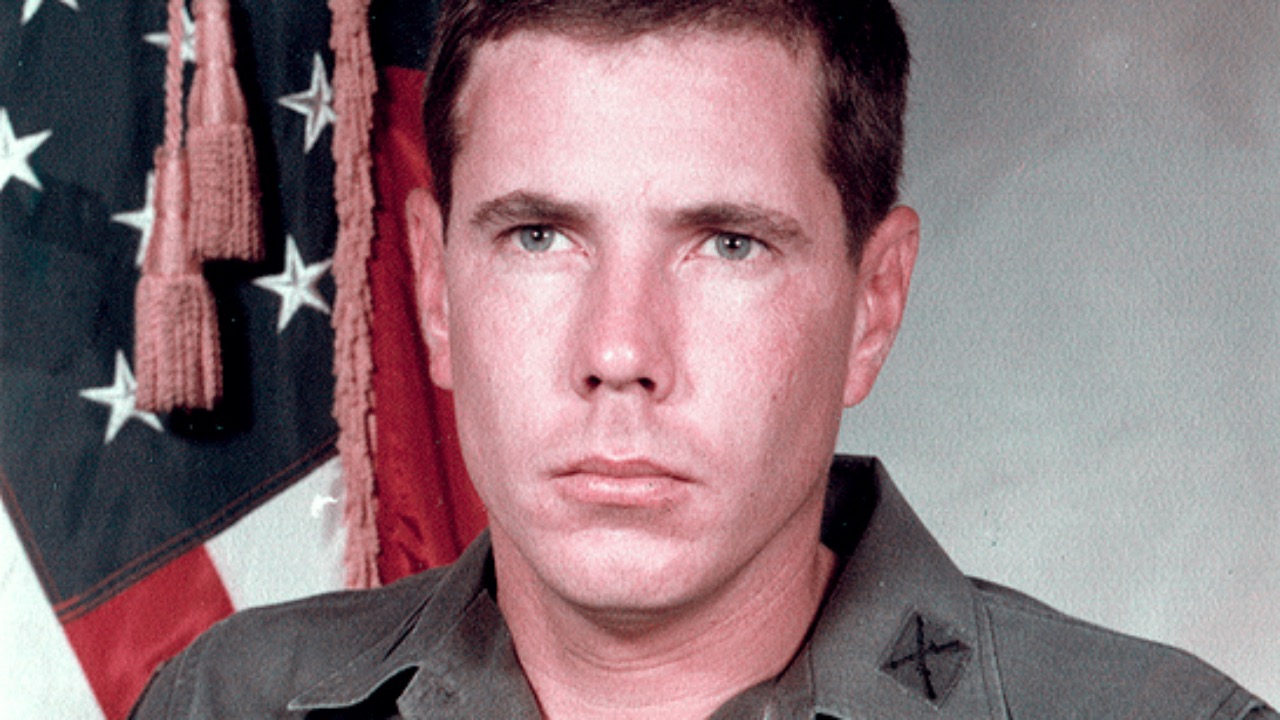
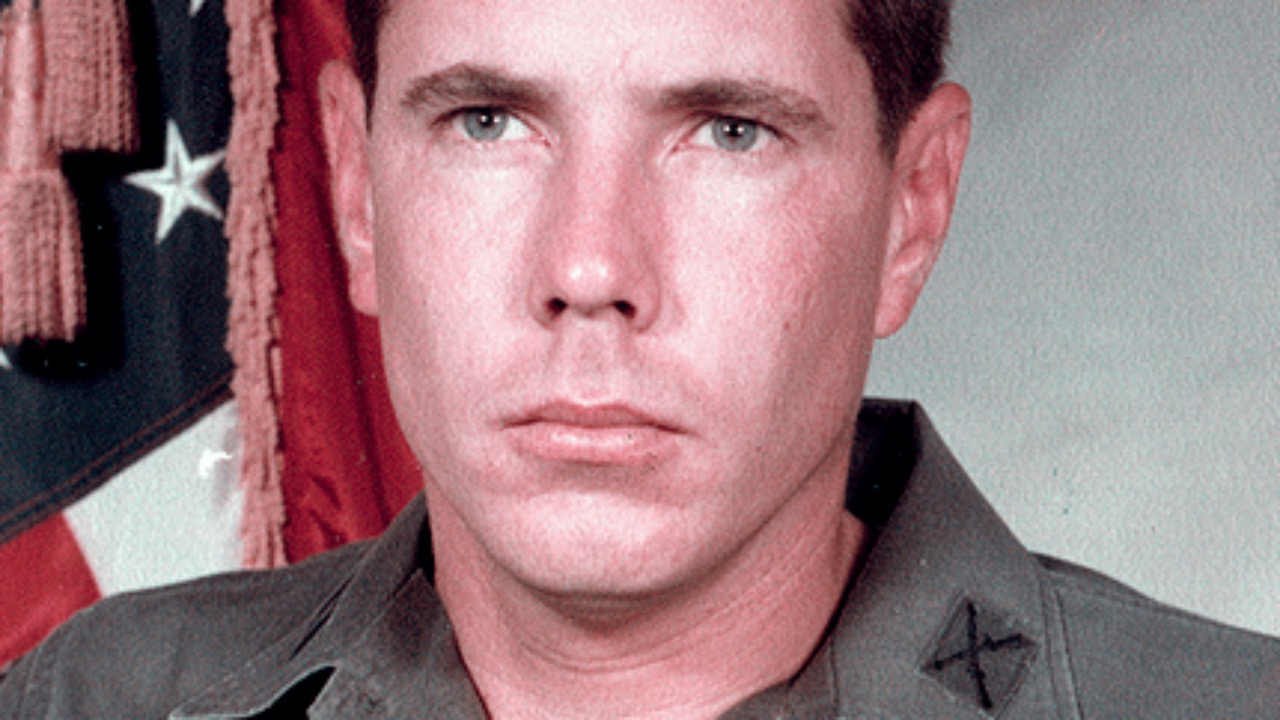
Hugh Clowers Thompson Jr. did not arrive in Vietnam as a whistleblower or a crusader. He was a working pilot, a warrant officer in the United States Army, trained to fly low and slow over rice paddies and tree lines, looking for enemy movement. Born in Georgia, Hugh Thompson Jr. carried the same mix of small town values and Cold War duty that sent a lot of young Americans into the Vietnam War. By the time his unit was operating around the village of Mỹ Lai, he had already logged combat hours and seen what war did to both sides.
On paper, Hugh Clowers Thompson Jr. was one more name in a roster, a helicopter pilot assigned to scout and support ground troops. In reality, the man in that cockpit had a stubborn streak and a clear sense of right and wrong that would not bend to the chaos below. Later accounts of Hugh Thompson Jr. describe a quiet professional, not a grandstander, which makes what he did at My Lai all the more striking. He was not looking for a moment in history. History found him anyway.
What he saw over Mỹ Lai
When his helicopter banked over the hamlet of My Lai during a search and destroy mission, Thompson expected to see a firefight with enemy forces. Instead, he and his crew watched American soldiers shooting unarmed villagers, bodies scattered in irrigation ditches and along paths. Reports from that day describe between 347 and 504 unarmed Vietnamese adults and children killed, some of the women and children gang raped before they were executed. From the air, the pattern was obvious. There was no incoming fire, no sign of a battle, only American troops moving methodically through a village of Vietnamese civilians.
For a pilot used to spotting enemy positions, the scene below was a gut punch. The people running through the paddies were not armed fighters, they were families. The men doing the shooting wore the same uniform as Hugh Thompson Jr. and carried the same flag on their shoulders. Accounts of that morning describe him circling low, trying to make sense of what he was seeing, then realizing there was nothing to misunderstand. The killing was deliberate, and it was being carried out by American soldiers against Vietnamese villagers who posed no threat.
Putting the helicopter in harm’s way
Most people, faced with that kind of horror, would freeze or look away. Warrant Officer Thompson did the opposite. He dropped his helicopter to the deck and landed in the line of fire between fleeing Vietnamese civilians and the American ground troops chasing them. In that moment, his aircraft stopped being a scout platform and became a shield. Accounts from that day describe Warrant Officer Thompson using his rotors and fuselage as a physical barrier, a bright green and brown warning that the killing had to stop.
It was not a symbolic gesture. He told his crew to train their guns on their fellow Americans if they had to, and he stepped out to confront the officers on the ground. Later retellings describe how he demanded they stop firing, then issued an order that could have ended his own life, telling his men to open fire on any American who tried to shoot the civilians he was trying to protect. That kind of stand in the middle of a killing field is not something you rehearse. It comes from a hard internal line that will not move, even when the people on the other side of it are your own countrymen in uniform.
Rescuing the survivors
Stopping the shooting was only half of what he did that day. Once the immediate killing in his sector was halted, Thompson went to work pulling people out of the slaughter. He radioed for help, called in additional helicopters to evacuate survivors, and physically dragged wounded villagers to safety. Eyewitness accounts describe Thompson and his crew loading terrified children into their aircraft, ferrying them away from the bodies of their parents.
Because of his actions, at least 11 civilians lived who almost certainly would have died. Later accounts note that Because of him, those survivors reached a U.S. Army hospital instead of a mass grave. One account describes how they stopped the massacre in their immediate area and took the few survivors they could find to a medical facility run by the Army. In the middle of a war zone, with bullets still being fired elsewhere in the village, Thompson turned his helicopter into an ambulance and his crew into rescuers.
Confronting his own chain of command
Once he had done what he could on the ground, Thompson did not simply fly back to base and keep quiet. By late morning his helicopter had returned, and he was still shaking with anger. Accounts describe how, by 11:15 that morning, Thompson stormed into his command post, enraged by what he had seen, and confronted his superiors about the massacre. He did not soften his words. He named officers, including Lieutenant Calley, and described exactly how American troops had been killing civilians.
That confrontation was as risky in its own way as landing between the guns and the villagers. In a combat zone, challenging your chain of command can end a career. Thompson did it anyway, filing reports and later testifying about what he had witnessed. In 1970, he would go on to testify in hearings about the killings, a step that brought the horror of My Lai into public view and put his own reputation on the line. The record shows that In 1970 he described the massacre under oath, and he received death threats for doing it.
The backlash at home
For a long time, the United States did not treat Hugh Thompson Jr. as a hero. It treated him as a problem. Only a handful of soldiers ever stood trial for the My Lai massacre, and Only four faced a courtroom. One of them, Calley, drew a wave of public sympathy that turned into anger at the man who had exposed the crime. Then came the backlash. Calley had many supporters, who condemned and harassed Then Thompson for speaking out.
For years Thompson suffered snubs and worse from those who considered him unpatriotic. One account recalls a congressman angrily saying that Thompson was a traitor for testifying about the massacre. He received death threats, was shunned by some fellow veterans, and found that the institution he had served wanted him to disappear quietly. Afterward, the war machine closed in. Afterward, Thompson was ignored, then attacked, called a traitor instead of a soldier who had tried to stop a crime.
The private cost of doing the right thing
The price he paid was not only public. It was personal and physical. Accounts note that Thompson later was shot down in another mission and recovered in a Japanese hospital. Still, the physical wounds were only part of it. He suffered from nightmares and long term trauma tied directly to what he had seen at My Lai and to the way his own country treated him afterward. The combination of combat stress and moral injury is something any veteran will recognize, and in his case it was sharpened by the knowledge that he had done the right thing and been punished for it.
Over the years, he built a life with his wife and children, but the shadow of that village never really left him. Some accounts describe him as a man who carried a quiet burden, not eager to talk about himself, but unable to forget the faces of the villagers he could not save. When he died, obituaries noted that Hugh Thompson Jr., sometimes listed as Hugh C. Thompson Jr., had been one of the good guys at My Lai, but that recognition came late and did not erase the years when he was treated as an outcast.
A long road to recognition
It took a civilian, Professor David Egan of Clemson University, to start turning the tide. After a long letter writing campaign begun by Professor David Egan, who thought Hugh Thompson was a true American hero, the Army finally moved to honor what he had done. After years of silence, the institution that had once looked away from My Lai began to acknowledge that the man who landed his helicopter in the line of fire had acted with extraordinary courage.
But I think there is no better way to describe Hugh Thompson Page 4 than the words of the citation accompanying the Soldier’s Meda, which praised his decision to put himself between armed Soldiers and unarmed civilians. That recognition, which eventually included the Soldier’s Medal and public ceremonies, did not erase the earlier years of harassment, but it did put his name where it belonged, alongside those who risked everything to protect the innocent. The same official record that once tried not to notice him now holds up his actions as an example for future officers and cadets, including at places like the Hugh Thompson Page used in ethics instruction.
How history finally caught up
As more details of the massacre became public, historians and veterans began to reframe what courage looked like at My Lai. Instead of focusing only on the men who followed orders, they started to highlight the pilot who refused to look away. One account calls him the forgotten hero of My Lai and notes that Hugh Clowers Thompson was a United States Army helicopter pilot during the Vietnam War who intervened to stop the killings. Another describes how he flew his helicopter over the village of Mỹ Lai in Vietnam during a search and destroy operation and witnessed American soldiers killing civilians, then acted in the face of overwhelming evil.
Over time, his story filtered into classrooms, documentaries, and veterans’ groups. Historical excerpts about Historical Excerpt Hugh Thompson Jr. began to circulate, and organizations dedicated to peace and veteran issues held up his name as an example of moral courage. They stopped the massacre and took the few survivors to a US Army hospital, one account notes, and that simple sentence has become a kind of shorthand for what it means to keep your humanity in a place designed to strip it away. What Hugh Thompson did was to refuse to be part of a crime, even when that meant standing alone.
Why his story still matters
Looking back now, decades after the Vietnam War, I see Hugh Thompson Jr. as a kind of field test for all the values we like to talk about when we send young people into combat. He was not a general or a politician. He was a warrant officer in a small helicopter, flying low over a village where everything had gone wrong. In that moment, he chose to protect unarmed Vietnamese civilians instead of looking the other way, and he kept choosing that path even when it brought him death threats and years of being shunned.

Asher was raised in the woods and on the water, and it shows. He’s logged more hours behind a rifle and under a heavy pack than most men twice his age.