9 wildlife species that scare Americans the most
Ask a room full of Americans what scares them most in the wild and you will hear the same creatures again and again. Polls on animal phobias, from snakes to sharks, line up neatly with what I have seen on trails, in duck blinds, and around campfires. Here are nine wildlife species that reliably raise heart rates in the United States, and what the research says about why they loom so large in our fears.
1. Snakes
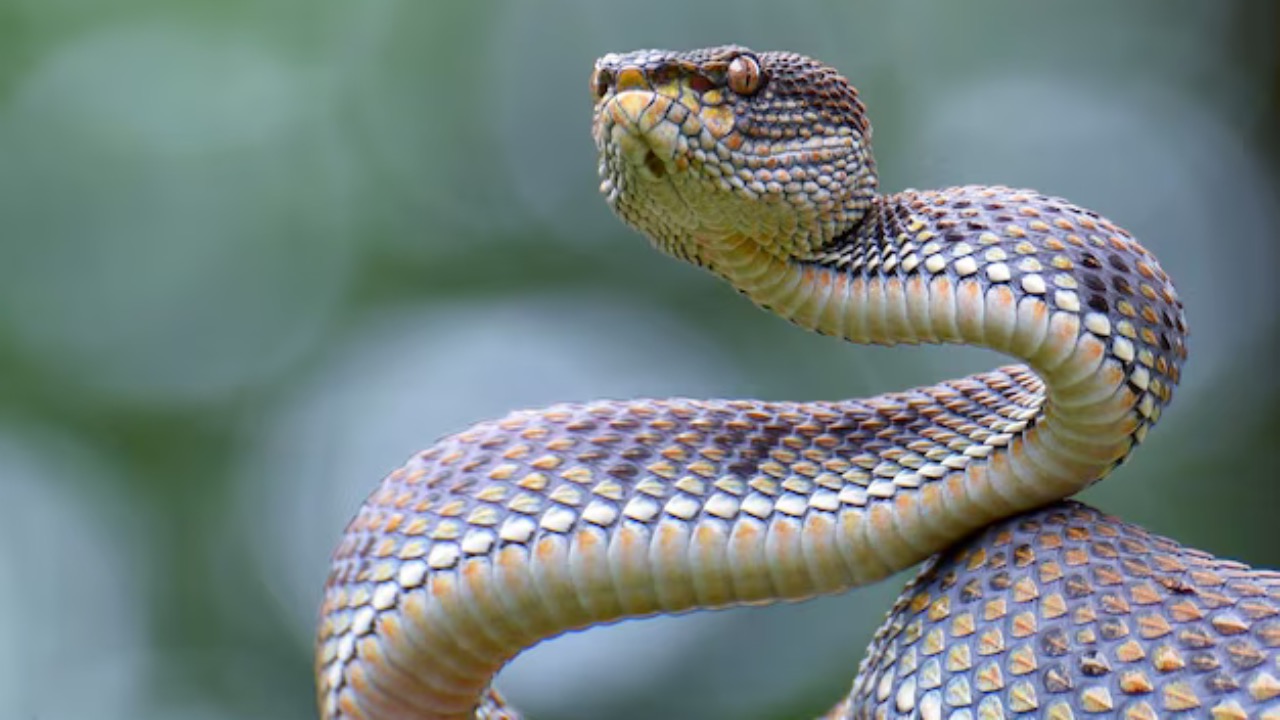
Snakes are the undisputed king of American animal fears. A national poll on common anxieties found that Among the options tested, snakes topped the list, beating out heights and public speaking. Another survey on animal phobias reported that many respondents answered “What Animal Are Most Americans Afraid Of” with snakes, and noted that Certain individuals may have a biological predisposition to snake phobias, rooted in how Their brains process threat.
That fear is not entirely irrational, given that venomous species like rattlesnakes and copperheads can cause serious injury. Yet most snakes would rather avoid humans, and ecologists stress that they are vital for controlling rodent populations. One analysis of phobias even pointed out that people are more likely to kill or harass snakes than the other way around, which has real consequences for ecosystems and for already stressed reptile populations.
2. Spiders
Spiders sit right behind snakes in many fear rankings, and arachnophobia is one of the Top entries in lists of the Most Common Animal Phobias. One breakdown of global phobias highlighted how often Spiders trigger intense Arachnophobia, asking bluntly, “Why are so many people scared of spiders?” Researchers studying negative emotions toward animals found that spiders reliably scored high for both fear and disgust, a combination that tends to harden into full-blown avoidance.
In the United States, that fear is fueled by notorious species like black widows and brown recluses, even though serious bites are rare. Online images of the scariest spiders and sensational stories about necrotic wounds keep arachnids in the public imagination. At the same time, biologists point out that common house spiders quietly eat flies and mosquitoes, and that most spiders cannot even pierce human skin.
3. Sharks
Sharks terrify Americans far out of proportion to the actual risk. A recent analysis of national fears reported that anxiety about shark attacks has grown so intense that, in some surveys, fear of sharks now edges out fear of public speaking. A separate Media Pitch on seasonal beach coverage noted that as Jun approached and shark stories filled newscasts, fear of sharks surpassed public speaking in some rankings, showing how tightly media coverage and public fear are linked.
In reality, the odds of a shark attack on any given beach day are vanishingly small, especially compared with rip currents or boating accidents. Yet the image of a dorsal fin slicing toward swimmers is powerful, and every high-profile bite reinforces it. For coastal communities that rely on tourism, that perception matters, because a cluster of shark headlines can empty hotel rooms even when lifeguards and biologists say conditions are safe.
4. Grizzly bears
Grizzly bears loom large in the American imagination, especially for anyone hiking in the Rockies or along the Continental Divide. A discussion thread asking “Animals from US you fear the most?” quickly filled with comments about Grizzly encounters, and one user, Rcmacc, shrugged that Grizzly bears are “eh” but still described playing dead as the go-to tactic. Guides who work in big bear country know that even seasoned hunters feel a jolt of adrenaline when they see that shoulder hump in the brush.
Risk is highly situational. In heavily used parks, rangers track bear behavior closely and post warnings when food conditioning becomes a problem. A separate breakdown of the most dangerous animals in national parks notes that ungulates and even small mammals injure more people overall, but a single surprise charge from a big bear can be catastrophic. That combination of low probability and high consequence keeps grizzlies near the top of many fear lists.
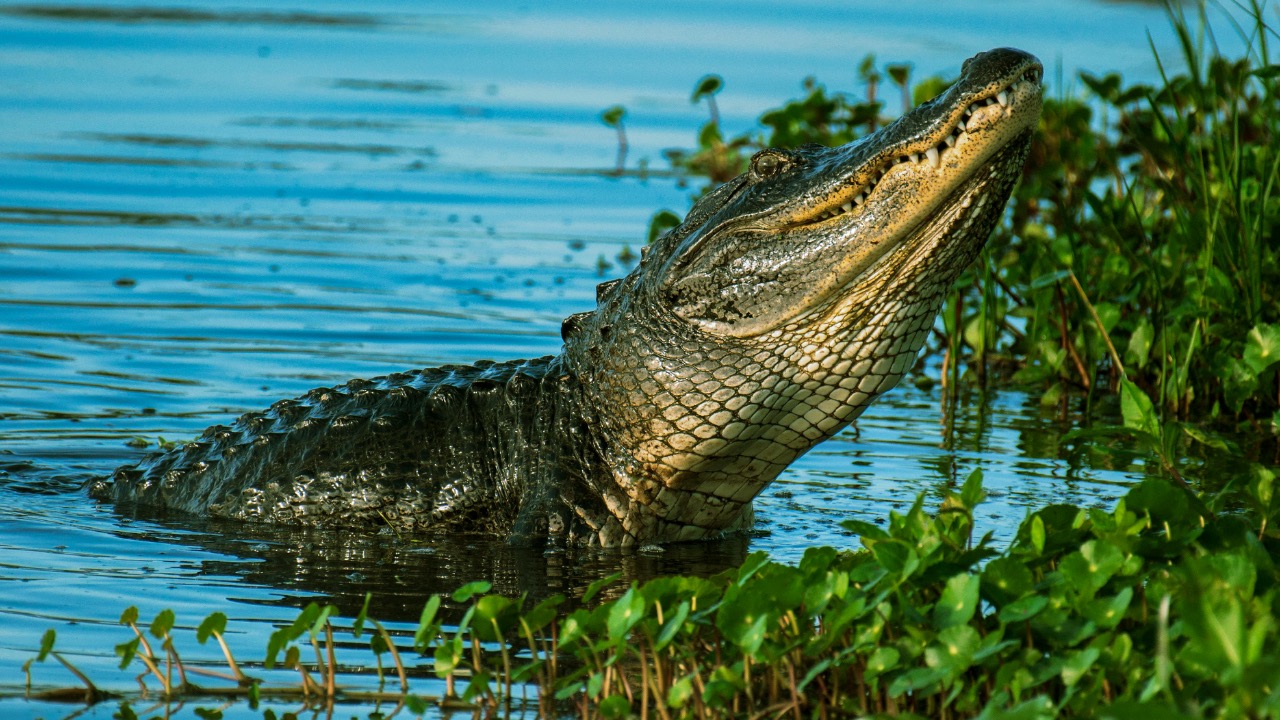
5. Alligators
Alligators are the reptile that keeps many Southerners out of certain lakes. A detailed look at herpetophobia, the general fear of reptiles, pointed out that alligators sit at the top of most people’s lists, and described how Aug warnings about gator activity spike around popular swimming holes. The same reporting emphasized that They are apex predators in their ecosystems, perfectly built to ambush prey at the water’s edge, which is exactly where people like to fish, wade, and launch kayaks.
Search interest around alligators tends to surge after any high-profile attack, and local agencies respond with closures and trapping operations. Biologists stress that most gator incidents involve people swimming at dusk, feeding animals, or letting pets roam the shoreline. For anglers, paddlers, and waterfront homeowners, the stakes are obvious, which is why gators command a level of respect that borders on fear.
6. Wasps and hornets
Wasps and hornets are tiny compared with bears or sharks, but they trigger a very different kind of dread. Medical case reviews and phobia surveys both highlight stinging insects as a major source of anxiety, especially for people with a history of allergic reactions. One overview of negative emotions toward animals found that stinging insects scored high on both fear and disgust, similar to spiders, and that people often overestimate the likelihood of a severe reaction.
Online interest in wasps and hornets spikes every summer as nests show up under decks and in eaves. For landowners and parents, the stakes are practical, not theoretical, because a hidden ground nest can turn a routine mowing job into a sprint for the truck. That mix of pain, unpredictability, and real medical risk keeps stinging insects high on the list of everyday wildlife fears.
7. Mountain lions
Mountain lions, or cougars, are another species that many Americans fear despite rarely seeing one. A Reddit user in the Feb discussion on feared U.S. animals mentioned getting repeated alerts about cougars in their area, a reminder that digital warnings can amplify anxiety. Wildlife agencies that track Mountain Lions note that confirmed attacks remain rare, but that sightings near suburbs and schoolyards generate intense local concern.
Part of the fear comes from the way cougars hunt, stalking quietly and striking from behind, which feels more unsettling than a noisy bear. Trail runners and mountain bikers in lion country often swap tips on how to appear larger, maintain eye contact, and fight back if grabbed. As development pushes farther into foothills, managing that fear while still protecting viable lion habitat is becoming a bigger policy challenge for Western states.
8. Rats
Rats do not have the size or teeth of a grizzly, but they trigger a deep, almost instinctive revulsion. A global review of animal-related fear and disgust found that rodents, especially rats, scored high on the “disgust” side of the ledger, largely because of their association with filth and disease. Urban health departments warn that dense rat populations can spread pathogens through droppings and contaminated food, which reinforces the idea that any rat in the alley is a direct threat.
Search data on rats spikes whenever a city reports a surge in infestations or a new disease cluster. For homeowners, restaurant owners, and municipal leaders, the stakes are economic as well as emotional, because visible rats can tank property values and tourism. That combination of health risk, property damage, and sheer creep factor keeps rats near the top of the “most hated wildlife” list in American cities.
9. Wolves
Wolves occupy a strange place in American fears, sitting somewhere between real predator and cultural symbol. Surveys of animal phobias list canids under the phobia term Cyno, and The World tables on the Biggest Animal Phobias rank dog-related fears near the top globally. In the United States, debates over Wolves often center on livestock losses and perceived danger to rural communities, even though verified attacks on people are extremely rare.
For ranchers and outfitters, the stakes are concrete: a single pack working a calving pasture can mean real financial loss. That risk, combined with generations of folklore about wolves stalking the edges of villages, keeps fear levels high in places where reintroduction or natural recolonization is underway. Wildlife managers are left trying to balance those fears with the ecological benefits of having a top predator back on the landscape.

Asher was raised in the woods and on the water, and it shows. He’s logged more hours behind a rifle and under a heavy pack than most men twice his age.