10 sacred Indigenous sites in North America
North America is full of places where the land itself is part of Indigenous ceremony, story, and law. I picked ten sacred Indigenous sites that are accessible to visitors yet still very much alive as spiritual homelands. If you go, go as a guest, remembering that these are not theme parks, they are living sanctuaries where communities still pray, gather, and fight to protect what remains.
1. Black Hills
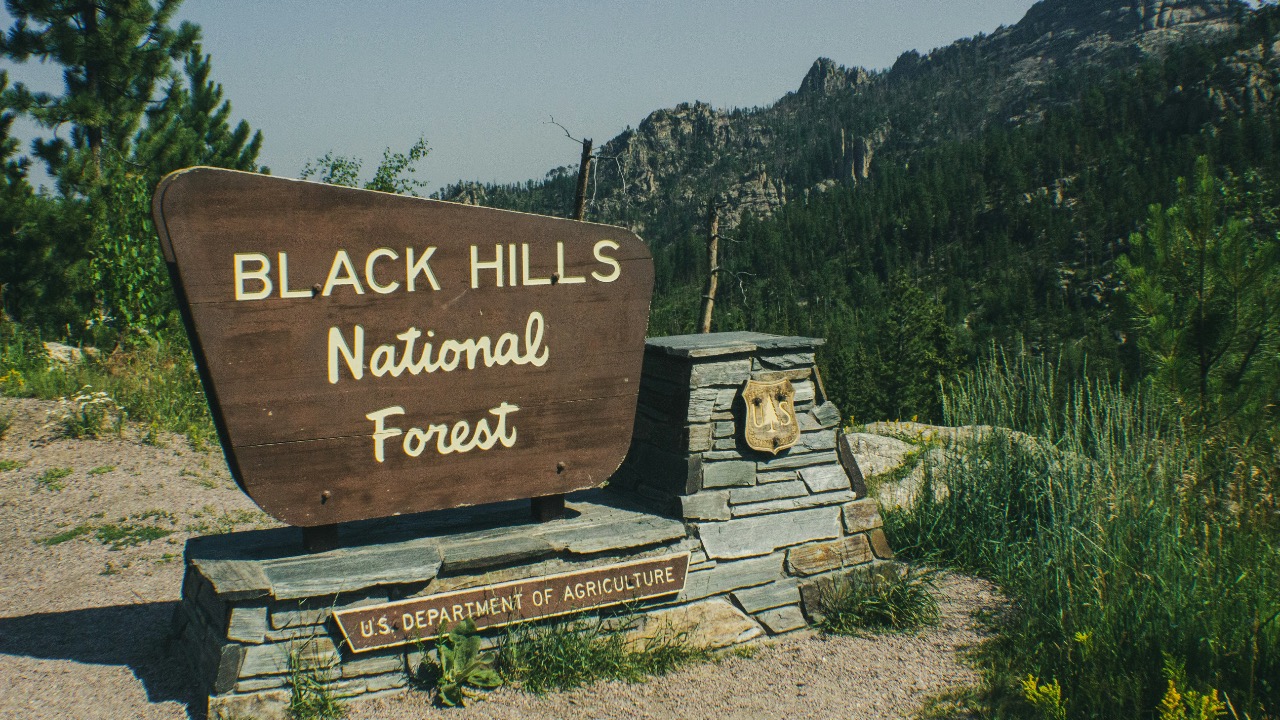
The Black Hills rise out of the plains as a spiritual center for Lakota and other Native nations, a status reflected in references to the region within religious places of the Indigenous peoples of North America. A recent gathering at Pactola Lake highlighted ongoing Native American use of the Black Hills, where tribes and the U.S. Forest Service discussed how to better share tribal history with visitors.
Those talks underscore what is at stake. The Black Hills hold origin stories, burial grounds, and some of the longest caves in the world, all tied to ceremony. When I walk there, I try to remember that every overlook and trail may cross a place where prayers are still offered, and that tourism, mining, and development all press against that spiritual landscape.
2. Devils Tower National Monument
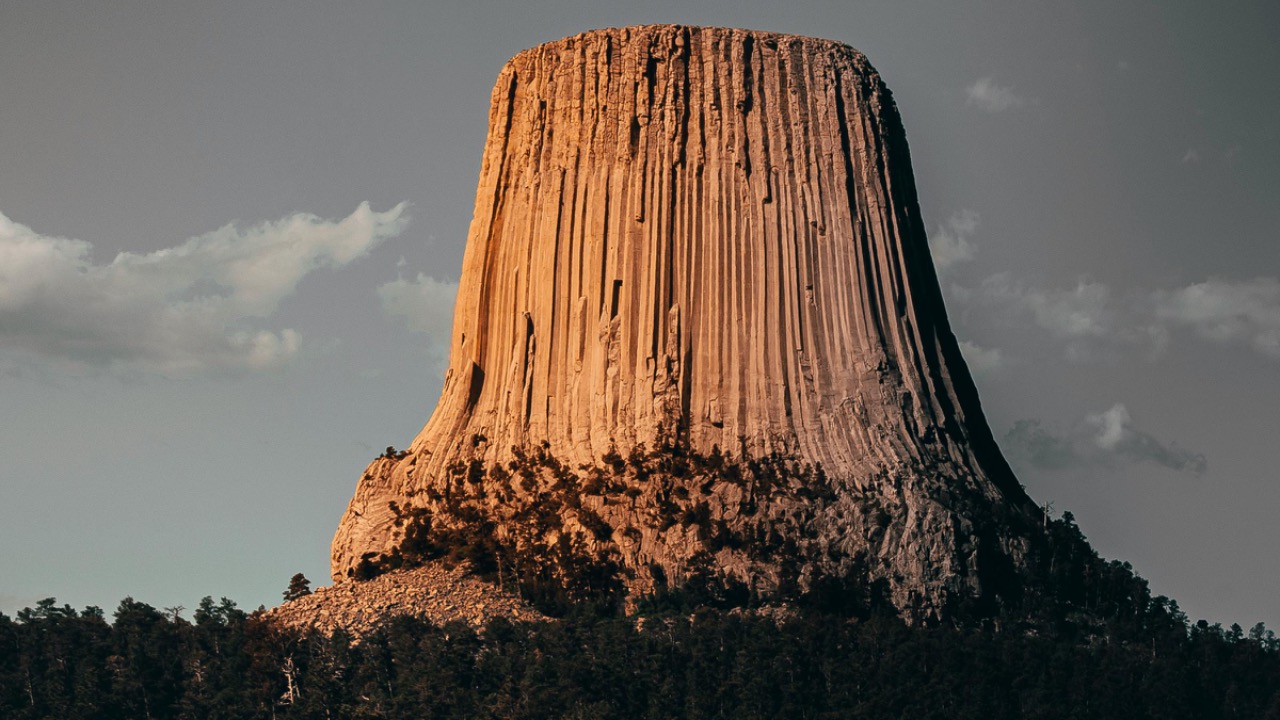
Devils Tower National Monument, known to many tribes as Bear’s Lodge, stands at the foot of the Black Hills and is one of the most recognizable sacred buttes in North America. One guide to sacred landscapes notes that Devil’s Tower is called Bear’s Lodge and tied to stories of children saved from a bear by the rising column of rock, with the children becoming stars.
Another account explains that it is considered a sacred place for over 20 Native American tribes, where ceremonies are still held. That living use is why climbers are asked to voluntarily avoid the Tower during June, when sun dances and other rites take place. If you visit, treating prayer bundles and cloths with the same respect you would give a church altar is the bare minimum.
3. Chaco Canyon (Chaco Culture National Historical Park)
Chaco Canyon, protected today as Chaco Culture National Historical Park, is described in federal briefing materials as one of the most important cultural and historical areas in the United St. Another summary notes that Chaco Culture National in New Mexico was the epicenter where The Chaco Canyon society flourished and then spread throughout the Southwest.
Members of New Mexico’s congressional delegation have stressed that Chaco Canyon contains the most sweeping collection of Native American cultural sites in the region and is central to the spiritual identity of numerous Tribal Nations. That is why they are pressing the Trump administration to respect tribal sovereignty and consult Tribal Nations before decisions on nearby drilling. For visitors, the dark skies and great houses are impressive, but the real story is that this is still a place of prayer and political struggle.
4. Mesa Verde National Park
Mesa Verde, protected as Mesa Verde National Park, is described as a sacred homeland to 26 different Native American tribes, preserving their heritage in stone villages and kivas. One family travel guide notes that among Mesa Verde National Park’s 5,000 archaeological sites, 600 are cliff dwellings, and Among Mesa Verde National Park’s highlights is Cliff Palace, with more than 20 kivas.
Those numbers hint at how dense the spiritual landscape is here. Every kiva is a ceremonial space, not a ruin to be climbed on. When I walk the rim trails, I try to picture families still returning for pilgrimages, and I pay attention to tribal voices in park exhibits that explain why some rooms and alcoves are off limits, even to cameras.
5. Cahokia Mounds State Historic Site
Cahokia Mounds State Historic Site, often shortened to Cahokia, was once a pre-Columbian city whose scale rivals any early metropolis in North America. One travel writer points out that it is One of only 26 UNESCO World Heritage Sites in the United States and would have housed anywhere from 10,000 to 20,000 people at its peak.
Modern accounts emphasize that Many people still consider the Cahokia site to be a sacred place and that Native Americans and others see it as a source of powerful energy. That sense of presence is easy to feel when you climb Monks Mound at sunrise. The challenge now is balancing neighborhood development, highway corridors, and respectful access so the mounds do not become isolated islands in a sea of concrete.
6. Effigy Mounds National Monument
Effigy Mounds National Monument in Iowa protects a landscape of burial and ceremonial earthworks shaped like animals. The National Park Service notes that Effigy Mounds National protects over 200 mounds built by Native peoples, dating between approximately 650 and 1200 C.E., and that many are shaped as bird and bear figures.
Those forms are not random art, they are part of a spiritual map that ties the living to ancestors and to the animals themselves. Tribal partners have pushed the park to restore viewsheds and forest conditions so the mounds sit in something closer to their original setting. When I hike there, I stay on the trail and keep my voice low, the same way I would in a cemetery.
7. Baboquivari Peak Wilderness
Baboquivari Peak Wilderness in southern Arizona centers on a sheer summit that the Tohono O’odham regard as the home of their creator figure, I’itoi. The peak appears in compilations of Sacred Sites of the United States and in lists of religious places tied to Indigenous nations, underscoring its role as more than a climbing objective.
For the Tohono O’odham, this mountain is a living being and a point of origin, not a backdrop. Access routes cross tribal lands, and hikers are expected to follow local guidance on permits, photography, and behavior. The stakes are high here because border enforcement, migration routes, and sacred geography all collide on the same ridges and canyons.
8. Bear Butte
Bear Butte rises near Sturgis, South Dakota, and is another site listed among religious places of the Indigenous peoples of North America. For Lakota, Cheyenne, and other Plains nations, it is a place of vision quests and treaty councils, where leaders have fasted and prayed before making major decisions.
Today, prayer flags and tobacco ties still line the trails, even as motorcycle rallies and nearby development press in. Tribal leaders have repeatedly asked visitors not to touch or photograph offerings. When I climb Bear Butte, I move slowly, step around prayer bundles, and remember that for many families this is as sacred as any cathedral.
9. Mesa Verde’s Cliff Palace
Cliff Palace, tucked into a sandstone alcove at Mesa Verde, is one of the most photographed ancestral Puebloan communities in North America. A family travel guide notes that Among Mesa Verde National Park’s 600 cliff dwellings, Cliff Palace stands out for its size and more than 20 kivas, which are ceremonial spaces.
Those kivas are the heart of why this place matters spiritually. Modern Pueblo and other descendant communities still see Cliff Palace as part of a living homeland, not an abandoned ruin. Rangers now work closely with tribes to shape tour scripts and limit physical impacts. When I step into view of the alcove, I try to keep my voice down and remember that I am looking into someone else’s sanctuary.
10. Indian Pueblo Cultural Center, Albuquerque
The Indian Pueblo Cultural Center in Albuquerque, New Mexico, is described as the gateway to the living cultures of New Mexic and the broader Southwest Region. A tourism guide to Indigenous experiences highlights that Indian Pueblo Cultural anchors Albuquerque as a hub where Pueblo people present their own history, art, and ceremony on their terms.
While it sits in a city, the center’s dances, feast days, and exhibits are rooted in the same spiritual geographies as places like Chaco and Mesa Verde. For travelers who may never reach remote mesas or canyons, this is a way to encounter living Pueblo traditions directly. I see it as a reminder that sacred sites are not only remote peaks and ruins, they are also community grounds where culture is carried forward every day.

Asher was raised in the woods and on the water, and it shows. He’s logged more hours behind a rifle and under a heavy pack than most men twice his age.