Frontier myths Hollywood never got right
The frontier on screen has always been more about American wishful thinking than field notes from the prairie. Six-shooter showdowns, endless tumbleweed, and lone white gunmen riding into the sunset make for good theater, but they flatten a far stranger, more diverse, and more regulated West than Hollywood ever bothered to show. If you care about real landscapes and real people, the gap between the movie set and the actual frontier is where things get interesting.
I grew up loving Westerns and still watch them, but the more I read the history, the more those old stories look like campfire tales that got out of hand. The myths are familiar, yet the facts undercut them at almost every turn, from who the cowboys were to how often guns came out of their holsters. Let us walk through some of the biggest places where the reel West and the real West part ways.
The frontier was never as white as the movies

On screen, the frontier usually looks like a casting call that forgot most of the country. The classic Western town is packed with white ranchers and sheriffs, with maybe one token sidekick who is not. In reality, the cattle trails and railheads were crowded with people whose faces and names rarely made it into the credits. Historians estimate that as many as one in four working cowboys in the late nineteenth century were Black, and Many of them were formerly enslaved men who turned hard-earned stock skills into a paycheck once bondage ended.
Those Black hands were not alone. When you look at who actually rode herd, you find Black cowboys, Mexican vaqueros, and Native riders working the same outfits and trails, exactly the kind of crew you see described in breakdowns of Who the cowboys really were. Yet for generations, studios leaned into a whitewashed version of the West that erased those workers from the frame and, as later critics have pointed out, helped cement the idea that the frontier belonged to white men alone.
Gunfights were rare, gun rules were common
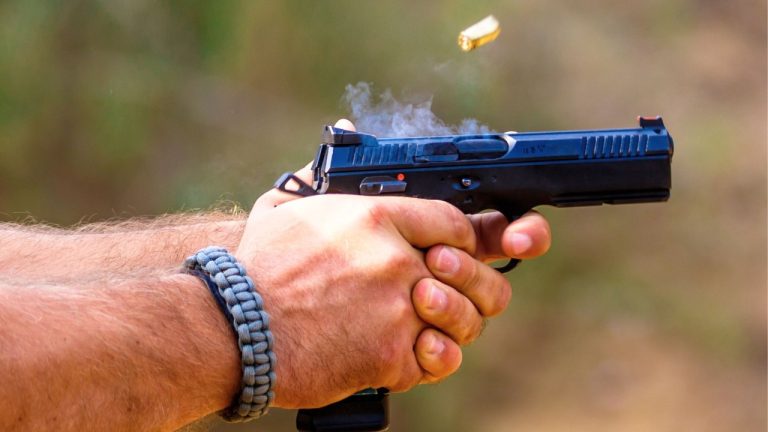
Hollywood loves a main street showdown, two men squaring off at high noon while the town holds its breath. The problem is that the record does not back up a world where every argument ended with a draw. One detailed look at frontier life labels the idea that MYTH, and notes that while some Transient mining and railroad camps were rough, the broader picture of The West is far calmer than the movies suggest, with many towns adopting strict gun ordinances to keep the peace, a point backed up in a closer look at REALITY.
Walk into Dodge City or Tombstone in their prime and you were more likely to be told to check your revolver than to be invited to use it. Many frontier towns required visitors to hand over their weapons at the edge of town or leave them with the sheriff, the same kind of Gun rules that modern explainers like to highlight. The famous shootouts that did happen, like the one near the O.K. Corral, stand out precisely because they were unusual, not because they were a daily ritual.
The “lawless West” was more regulated than you think
Another favorite story is that the frontier was pure chaos until a lone marshal rode in. That sells tickets, but it does not square with the crime numbers we have. When historians dig into arrest records and court dockets, they find that homicide rates in many cattle towns were lower than in some eastern cities, a pattern that detailed crime statistics for the period help spell out. The worst violence often flared in short-lived boom camps, not in the settled communities that Westerns love to portray as permanently on the brink.
Plenty of those communities wrote their own rules and enforced them. Local councils passed ordinances on everything from gambling to livestock, and sheriffs and marshals were backed by juries, not just their own six-shooters. When you look at the broader pattern, the so-called lawless frontier looks a lot like any fast-growing region where regulation is racing to catch up, which is why careful breakdowns of MYTH and REALITY in The West stress that the most dangerous places were specific Transient hubs, not every town with a hitching rail, a point that is reinforced in the more general overview of Six things Hollywood gets wrong.
Saloons were social hubs, not nonstop war zones
If you believed the movies, every saloon was one broken bottle away from a full scale brawl. In truth, most of those rooms were closer to small town community centers with whiskey. After a long day in the saddle or on a shovel, people went to talk, play cards, line up business, and hear the latest news, a pattern that historians of frontier life describe when they note that After work, miners, cowboys, and settlers gathered at the bar to socialize more than to fight, a point laid out clearly in research on how the saloon really worked.
Sure, there were rough joints, and some barkeeps kept a shotgun under the counter for a reason. But the idea that every piano tune ended with a chair flying across the room is a screenwriter’s invention. In many towns, saloons doubled as polling places, meeting halls, or even makeshift churches when a traveling preacher came through. The gap between that reality and the movie version is one more reminder that the frontier was a functioning society, not a permanent bar fight.
Tumbleweed, landscapes, and the look of the “Old West”
Even the scenery in Westerns is more myth than map. Directors love a rolling tumbleweed, but the plant that most of us picture as the symbol of the Old West did not blanket every trail the way the cameras suggest. Careful explainers of what Hollywood gets wrong about the Old West point out that Tumbleweed did not blow all over the place in the way we see on screen, and that the image of a lone Tumbleweed rolling through every deserted street is more visual shorthand than field report, a detail that shows up in breakdowns of Hollywood habits.
The same goes for the terrain itself. A lot of Westerns were shot in the same handful of valleys and deserts, so the on-screen West looks like one big sandstone backlot. In reality, the frontier ran from tallgrass prairie to high timber to canyon country, a range that modern roundups of American Frontier Best Western Movies The American like to highlight when they talk about the stark beauty of untamed landscapes across the region, a point that comes through clearly in that survey of the American frontier on film. When you spend real time out West, the variety of country you move through in a single day makes the standard movie backdrop feel pretty thin.
Travel, technology, and the pace of frontier life
Another thing the movies rarely get right is how people actually moved. On screen, everyone seems to be on horseback, covering impossible distances between breakfast and supper. Folks who have dug into the nuts and bolts of frontier life, including voices like Howard Galt, an Editor and Author who has written about these questions, point out that the main thing Hollywood misses is transportation, and that the real West relied heavily on walking, wagons, and railroads, a point that comes through in detailed answers to what Hollywood got wrong about the Wild West on Jul.
By the time many famous cattle towns were booming, telegraphs were clicking, trains were hauling freight, and stage lines ran on tight schedules. People still got stranded and still died on the trail, but they were not living in a timeless void. The frontier was plugged into national markets and politics, and its residents read newspapers and rode railcars. When Westerns strip out that infrastructure, they turn a real historical period into a kind of floating legend, which might be good drama but does not help anyone understand how the country actually grew.
How Hollywood built the Western myth machine
None of this is an accident. From the start, the Western film was built to sell a particular story about who owned the land and who counted as a hero. Traditionally, the Western ( Western film ) genre has always and only told the stories of the West from a purely white perspective, with nonwhite characters either erased or painted in brown, red, or yellow face, a pattern that later critics have called out in detail when they unpack how the Western myth was built.
That habit of sanding off rough edges and uncomfortable truths is not limited to cowboy stories. It is often claimed that most Hollywood films in the early 1930s served up escapism, but close looks at movies like Wild Boys of the Road argue that even then, studios were choosing when to face reality and when to look away, especially from Warner and especially from Wellman, a tension that shows up in deeper readings of how Hollywood handled hard times. Westerns slotted neatly into that pattern, turning a messy, diverse frontier into a clean parable about rugged individualism that fit the country’s self image.
Who gets left out when the frontier is miscast
When you erase whole groups from a story, you are not just making a casting choice, you are shaping who feels like they belong in the present. In modern America, a lack of representation should be considered a travesty, and critics who look at how Movies handle race and gender argue that the importance of such diversity cannot be underestimated, a point driven home in essays that spell out why representation on screen matters in everyday America.
The Western myth has long told audiences that the frontier was settled by a narrow slice of the population, and that everyone else was either a sidekick or an obstacle. That story still echoes in politics, in land debates, and in who feels welcome in hunting camps and small towns. When newer projects start to center Black cowboys, Mexican vaqueros, and Native riders, or when they show frontier women as more than schoolmarms and saloon girls, they are not being trendy. They are finally catching up to the record that Historians and Black scholars have been laying out for years, including the reminder that as many as one in four cowboys were Black and that Many of those men rode and roped alongside white hands on the same frontier.
Why getting the West right still matters
Some folks shrug and say Westerns are only entertainment, but stories shape how we see the land and each other. When a genre spends a century repeating the same narrow script, it is worth asking who benefits. Analysts who pick apart favorite Western movies like to remind viewers that Hollywood has been pretty loose with the facts, and that if you prepare to have your favorite Western illusions shattered, you will find plenty of places where the screen version of the frontier does not match where they said it did, a point that is hammered home in breakdowns of how Western films bend history.
At the same time, there is room for better stories. Some modern filmmakers are starting to treat the frontier less like a cardboard backdrop and more like a real place full of complicated people. They are taking cues from historians who label the old tales MYTH and lay out the REALITY of The West, from explainers who show that most Transient boomtown violence was the exception, and from critics who argue that Hollywood has to move beyond the old white centered West if it wants to stay honest. When I head into big country with a rifle or a fly rod, I am walking through the same landscapes those people knew, and the more accurately we tell their stories, the more respect we end up showing the land under our boots.

Asher was raised in the woods and on the water, and it shows. He’s logged more hours behind a rifle and under a heavy pack than most men twice his age.