
Concealed-carry reciprocity rules that confuse even experienced gun owners
Concealed-carry reciprocity sounds straightforward: get legal in one place, stay legal everywhere you travel. In reality, the patchwork of state laws, exceptions, and federal proposals is tangled enough to trip up people who have carried for decades. Even instructors who live and breathe this stuff admit they are constantly relearning the rules as legislatures and courts keep moving the goalposts.
What confuses experienced gun owners most is not the mechanics of carrying a pistol, but the invisible line where one state’s permission ends and another state’s criminal code begins. The result is a landscape where a permit holder can be perfectly legal on one side of a river and a felon on the other, all without changing guns, holsters, or behavior.
Why reciprocity is so confusing, even for veterans of the gun counter
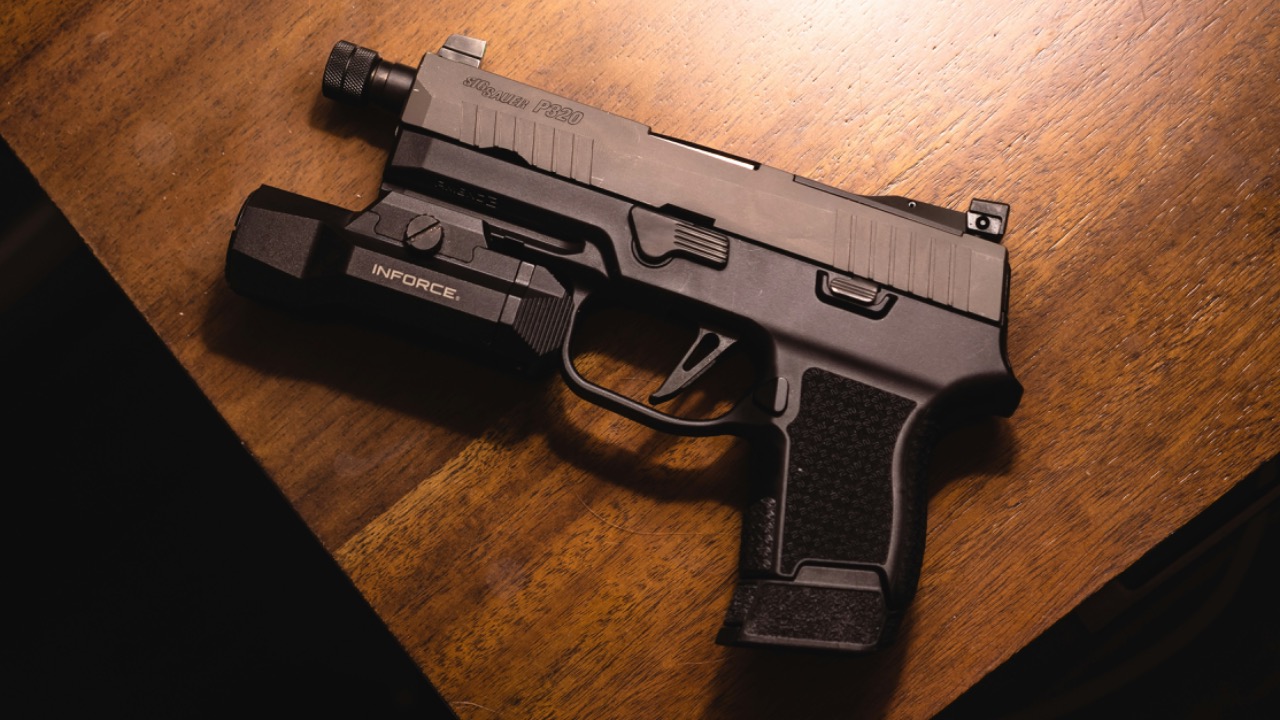
Most people who carry every day are used to thinking in terms of safety rules, marksmanship, and maybe their home state’s permit class. The trouble starts the moment they cross a border and discover that the definition of “lawful carry” has changed under their boots. Attorneys who work firearm cases warn that when someone is Traveling or moving between States, the rules around a Gun can change dramatically, especially in places like California that treat out-of-state permits with deep skepticism. That kind of variability means even a well-intentioned carrier can be wrong the second they roll past a “Welcome” sign.
On top of that, the legal landscape is not static. Legislatures add permitless carry, tweak training standards, or rewrite transport rules almost every session, and court decisions can flip long-standing assumptions overnight. It is no surprise that Even experienced NRA and state-certified instructors are described as continually seeking out updated information on common carry mistakes. If the pros are still studying, the average permit holder who glances at a map once a year is playing catch-up from the start.
What reciprocity actually means in a permitless-carry era
When people talk about reciprocity, they often picture a world where every state honors every other state’s permit, like a driver’s license. Reality is messier, especially now that a large share of the country has moved to permitless carry. In the In the 29 states that have adopted permitless carry, residents and nonresidents can carry a concealed firearm without a permit, but that freedom does not automatically follow them when they travel to another state that relies on formal reciprocity agreements. The moment they cross into a permit-only jurisdiction, the question becomes whether their home state’s paperwork is recognized at all.
That is where the classic definition of reciprocity still matters. At its core, What reciprocity means is that one state agrees to honor a permit issued by another, allowing the holder to carry concealed under the host state’s rules. That sounds simple until you realize that each state sets its own conditions for who qualifies, what training is required, and how those rules apply to visitors. The same laminated card that opens doors in one region can be meaningless in the next.
Why “treat it like a driver’s license” has not solved the problem
Gun-rights advocates have pushed for years to make carry permits work more like a driver’s license, valid nationwide once issued. One prominent pitch, described as The Fix, came from Congressman Hudson, who argued that the answer was to Treat the concealed carry permit the same way States treat driver’s licenses. The idea is that if you are vetted once at home, you should not have to reapply in every jurisdiction you visit, especially when millions of Americans already carry under state-issued permits.
Supporters say that kind of national standard would clear up confusion and protect travelers from honest mistakes. Critics counter that it would override stricter states’ choices about training, background checks, and who should be allowed to carry in crowded cities. Advocacy groups warn that such legislation But would force each state to recognize the concealed carry standards of every other state, including those with weaker standards or no standards at all. That clash between uniformity and local control is why the driver’s-license analogy has stayed a talking point instead of becoming settled law.
President Trump’s national reciprocity push and the politics behind it
The debate has sharpened under President Donald Trump, who has backed a National concealed carry reciprocity proposal that would require states to honor out-of-state permits. Supporters frame the plan’s Key Takeaways as common sense: a permit holder who is legal at home should not become a criminal by crossing a state line, and a national rule would reduce the risk of accidental violations for people who carry while traveling. The pitch resonates with those who see the right to bear arms as a national guarantee that should not depend on a ZIP code.
Opponents, including gun-control advocates and officials from stricter states, see the same proposal as a direct threat to their ability to set higher standards. They argue that a national mandate would import the loosest rules into every jurisdiction, effectively gutting local training and vetting requirements. Some of that concern shows up in coverage of how Several bills in Congress, including the Constitutional Concealed Carry, would affect states with tighter gun laws. For the average carrier, the political fight matters less than the practical bottom line: until something passes, they are still navigating a maze of state-by-state rules.
Patchwork reciprocity agreements and why your “good” permit may not be enough
Even without a national law, states have stitched together their own web of agreements, and that patchwork is one of the biggest sources of confusion. Industry groups point out that Reciprocity agreements exist, but not between all states, and they are constantly changing. That means a permit that used to be honored in a neighboring jurisdiction can lose its status after a legislative session or an attorney general’s policy shift, leaving travelers exposed if they rely on an outdated map or memory.
Some states are known for issuing permits that travel well. One analysis of Top Contenders for highlights Utah, noting that its permit is widely recognized across the country. At the same time, States reserve the right to offer reciprocity only if out-of-state permit holders meet certain qualifications, such as similar training or background checks. That is why a “good” nonresident permit can still leave gaps, and why serious carriers keep a current reciprocity map bookmarked instead of trusting old gun-counter wisdom.
Constitutional carry, Reddit debates, and the Utah example
The rise of permitless or “constitutional” carry has added another layer of confusion, especially online. In forums like CCW, threads titled More or focused on the Concealed Carry Reciprocity are full of people trying to sort out how permitless carry interacts with traditional reciprocity. You will see side discussions about Unorthodox Carry of a .45, or how Texas handles visitors, which shows how even seasoned carriers are still comparing notes and trying to avoid missteps. The common thread is uncertainty about when a permit is still worth having in a permitless world.
States like Utah illustrate the tension. Utah allows adults to carry guns openly or conceal them without a permit, with some restrictions for people ages 18 to 20, yet it still issues permits that are recognized by other states that require them. That dual system means a local can carry at home with no card in their wallet, but if they want to travel armed into stricter jurisdictions, they still need the old-fashioned permit. For anyone who moves between regions like that, the only safe assumption is that constitutional carry stops at the state line unless you have paperwork that the next state agrees to honor.
Age limits, ammo rules, and other hidden traps across state lines
Reciprocity maps usually focus on whether a permit is honored, but age limits and equipment rules can be just as treacherous. University guidance on carry policies notes that the majority of states restrict the age at which a person can acquire a permit to 21, while some set the permitting age at 18 or 19 and a few carve out exceptions for 18 to 20 year olds with military service, according to FAQs on concealed carry. A 19 year old who is legal to carry in one state can be flatly prohibited in the next, even if both states appear “green” on a reciprocity chart.
Gear can be another minefield. Defense lawyers warn that Certain ammunition, clips, and magazines are illegal to possess in some jurisdictions, especially those with high capacities or automatic feeds in a semiautomatic firearm. That means a traveler can be legal to carry the pistol itself but in trouble over the magazine in it. Add in state-specific bans on features, transport methods, or storage in vehicles, and you start to see why even experienced carriers keep a checklist when they plan a long road trip.
Signs, special states like California, and why “legal back home” does not matter
One of the most common misconceptions I hear is that a permit from a tough home state buys you slack everywhere else. In reality, some jurisdictions barely recognize outsiders at all. In California, for example, You should have a California issued CCW permit to carry concealed legally, and although some visitors assume their home permit is enough, that is Although not true in the eyes of California CCW law. That kind of hard line is exactly what catches people who assume reciprocity is broader than it really is.
Even inside states that honor your permit, private property rules can trip you up. Holster makers point out that “no guns allowed” signs may not always have the force of law by themselves, but if you ignore them and refuse to leave when asked, that can turn into Apr style trespassing charges. In practice, that means your legal status under state carry law is only half the equation; the other half is whether the place you are standing has its own rules, from shopping malls to church parking lots.
Training, “common mistakes,” and why homework matters more than ever
With all these moving parts, the only real defense against an accidental felony is doing the homework before you travel. I have watched plenty of seasoned shooters shrug off legal research as something for lawyers, but the people who teach for a living know better. Training resources emphasize that Why reciprocity matters is that Reciprocity So Important to Gun Owners is that Every year, thousands of responsible carriers run into trouble while traveling across state lines. Those are not cartel cases, they are regular people who assumed their permit or their home-state habits would carry over.
Good instructors hammer home that legal awareness is as much a part of carrying as a solid draw stroke. Guides on Risks and Challenges stress that While reciprocity offers convenience, it also brings serious risks if you assume the rules are uniform from one state to another. The carriers who stay out of trouble are the ones who treat legal research like cleaning their gun: routine, unglamorous, and absolutely nonnegotiable.
Even cops get tangled: what that means for the rest of us
If you need proof that this maze is not intuitive, look at the rules for off-duty and retired law enforcement. Under federal law, qualified officers can carry nationwide, but even they are warned that they must know the specific requirements of the state or locale where they are located at the time of an incident, and if they fail to follow those rules, officer must know that they might find themselves criminally charged. When even people who carry a badge for a living need legal briefings before they travel, it tells you something about how unforgiving the system can be.
For ordinary permit holders, that should be a wake-up call. If reciprocity rules can trip up a detective with a department lawyer on speed dial, they can certainly trip up a hunter driving to a neighboring state for a weekend match. The safest mindset is to assume nothing, verify everything, and remember that the responsibility to understand the law rests on the person carrying the gun, not on the cop, the judge, or the legislature that wrote the statute.

Asher was raised in the woods and on the water, and it shows. He’s logged more hours behind a rifle and under a heavy pack than most men twice his age.