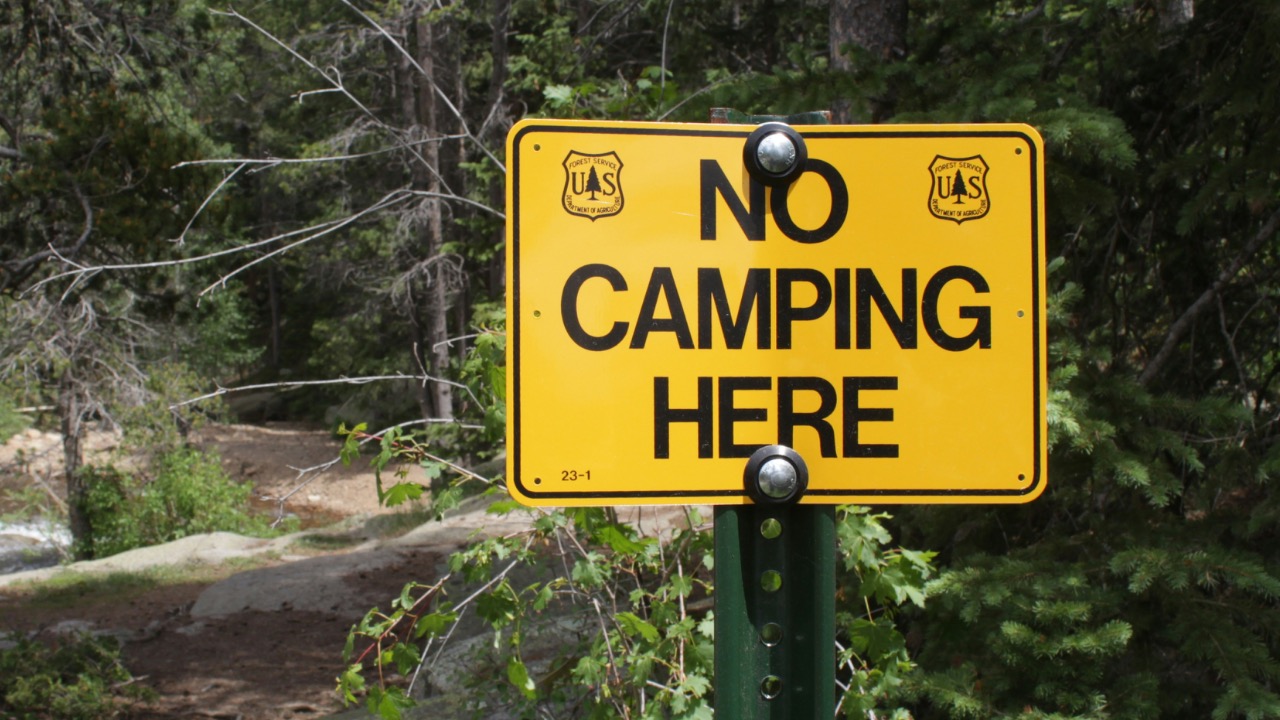
Why campground access is becoming more restricted nationwide
Across the country, campers are running into locked gates, “no overnight parking” signs, and reservation systems that feel more like concert ticket drops than public land access. The outdoors has never been more popular, but the places where people can legally pitch a tent or park an RV are getting harder to use. I see a pattern that goes well beyond a few crowded weekends, with policy shifts, new rules, and quiet closures all tightening the screws on where Americans can sleep outside.
Some of this is about sheer numbers, some about politics, and some about who land managers and private operators actually want as customers. Put together, it explains why campground access is becoming more restricted nationwide, and why the squeeze is hitting low income campers, full time RVers, and unhoused people first.
More people, same number of campsites
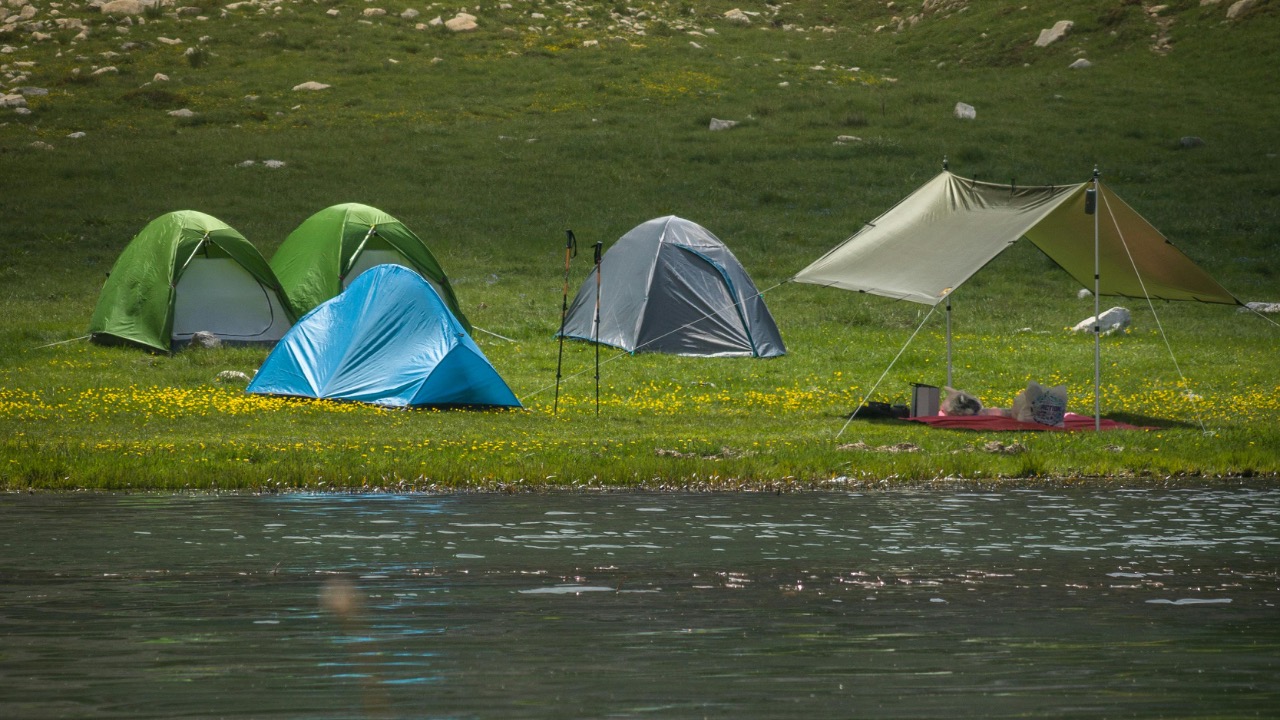
Recreation on public land has surged, but the supply of places to camp has not kept pace. Federal data show that national park visitation grew 20 percent in the years leading up to the pandemic, from roughly 273 m visits to 327 m. At the same time, piecemeal reports and agency briefings indicate that the number of designated camping areas on public lands has stayed fairly stagnant, even as more people buy tents, trailers, and vans and head for the hills.
Interior officials acknowledge that Overall visitation is increasing throughout much of the national park system, with half of all recreation visits packed into the 25 most visited sites and concentrated within a mile of a parking lot. Outdoor advocates point out that, as a record number of Americans head outside, campground attendance has skyrocketed while the inventory of sites has not. That mismatch is the backdrop for almost every other restriction that follows.
Reservation systems and the digital gate
To manage the crush, agencies have leaned hard on online booking. The federal portal at Recreation.gov now controls access to thousands of public campsites, trailhead permits, and river launches. Researchers who studied this system describe how it lets users search by location, filter by amenities, and book sites months in advance, but they also found that the platform regularly fails to meet demand and that its design advantages people with fast internet, flexible schedules, and the know how to work the system.
One academic review of campsite allocation notes that this online reservation platform can be booked out in seconds for marquee campgrounds, and that, because of demographic discrepancies in who has high speed access and free time, the system can have exclusionary effects. Opinion writers have pointed out that, for example, lower income groups are less likely to have the high speed connection that is now a must for the most sought after sites, and that the scramble for reservations rewards people who can sit at a computer the moment bookings open, not families juggling shift work. That critique lines up with what I hear from readers who say the digital gate feels as real as a locked one.
Closures, “triage,” and the loss of dispersed camping
On the ground, land managers are closing some of the very spots that used to absorb overflow. In Colorado, officials describe Closing heavily used campsites as a kind of public lands “triage,” a last resort to protect hammered river corridors and forests from trash, human waste, and illegal fire rings. The Forest Service and local governments have paired those closures with new reservation requirements and education campaigns, but they are blunt that some areas simply cannot handle the volume of campers showing up each weekend.
The same pattern is playing out in Utah’s canyon country, where All of the controversy around the San Rafael Swell centers on dispersed sites that used to be open to anyone who could navigate a dirt road. In one Recreation Area, advocates say the BLM has already removed massive amounts of motorized access and is now proposing to close the Wedge Overlook dispersed camping area outright or formalize it into a smaller, designated campground. That kind of shift, from open dispersed use to limited numbered sites, instantly cuts the number of rigs that can legally stay there on a busy weekend.
Local camping bans and the homelessness collision
At the same time that recreation sites are tightening up, cities are using camping bans to push unhoused people out of public spaces. After a key Supreme Court decision on public camping, local governments across the West began expanding ordinances that prohibit sleeping in parks, on sidewalks, and under bridges. Advocates warn that these Camping bans do not create shelter beds or treatment slots, they simply make it illegal to sleep outside in more places, and they worry that criminalizing tents will worsen homelessness rather than reduce it.
One report notes that a city in West Virginia expanded its ban to prohibit camping and storing personal property in public spaces, a move that West Virgini advocates say effectively pushes people into the woods or out of town altogether. In Oregon, the two sanctioned sites in one city are now the only spots where officials allow homeless camping after they successfully defended their local ordinance before the U.S. Supreme Court, and advocates argue that the new rules are an overreach that leaves people with nowhere legal to go. When outreach workers talk to cities about building housing or funding services, they say leaders often respond that they cannot move quickly enough, yet penalties for outdoor sleeping are rising anyway, a trend documented in When advocates describe the fallout.
State residency rules, higher fees, and who gets priority
States are also rewriting the rules on who gets to use public campgrounds, and at what price. Industry analysts describe Different approaches to non resident campers, from higher nightly fees for out of state plates to shorter booking windows or outright reservation caps. While some states have chosen to limit campground reservations or restrict out of state bookings during peak seasons, others have written laws that give residents first crack at state park sites before opening the calendar to everyone else.
One example that has drawn attention is a law signed by Governor Brad Little in Idaho, which raised prices and tightened access for non residents at certain state facilities. Supporters argue that residents pay the taxes that support these parks and should get priority, while critics say the trend chips away at the idea that public lands are a national resource. The same analysis notes that While these policies vary, they share a common thread, they turn what used to be first come, first served public campgrounds into tiered systems where your ZIP code and budget matter more.
Private parks, the 10 Year Rule, and the RV squeeze
On the private side, RV parks are layering on their own filters. A growing number of parks use what they call the Year Rule, a policy that limits access to rigs older than 10 years. Operators say this helps maintain a certain appearance and reduces the risk of breakdowns or leaks, and Many RV park owners argue that aging units can be more likely to have maintenance issues that affect neighbors. For full time RVers living in older fifth wheels or motorhomes, it can feel like a quiet way of saying “not your kind.”
Travel companies now publish lists of top RV parks without the 10 Year Rule, which tells you how widespread the practice has become. At the same time, campground owners are talking openly about shifting their workforce from permanent full time hosts to more seasonal worker arrangements, a trend highlighted in a Mar discussion of nationwide campground closures and staffing changes. In that conversation, one of the biggest problems raised is how these shifts affect maintenance and customer service, which in turn influences who feels welcome and who gets turned away when sites are scarce.
Cost, equity, and who the system really serves
Even when a campsite is technically available, the price tag and process can push people out. One longtime park observer notes that it can come as a shock to realize that a national park where the entrance fee is 25 dollars and the camping fee is another chunk on top is out of reach for many families, especially when you add gas and gear. In some gateway communities, the only campgrounds left are private resorts that cater to higher income visitors and a higher proportion of white residents, a pattern described in detail in Feb commentary on who is actually using these sites.
Equity advocates argue that the current system bakes in advantages for people with money, time, and technology. They point out that, for example, lower income groups are less likely to have access to high speed internet, which is now a must for snagging the most sought after campsites the moment they open, and that lotteries and reservation drops tend to favor those who can sit and refresh a browser. One Jun analysis argues that everyone deserves an equal chance at a campsite, but that the current mix of fees, booking rules, and limited supply tilts the odds toward a narrow slice of the public.
Management fixes, data gaps, and what comes next
Agencies are not blind to the crunch. The National Park Service has created a national campground office and new tools aimed at improving campground management, modernization, and availability, a move framed as a response to record use by Americans. Outdoor writers argue that the country simply needs more campsites, not only better managed ones, and that piecemeal reports and anecdotal evidence suggest the number of camping areas on public lands has remained fairly stagnant even as demand spikes. They also note that the process to get reservations is not intuitive, especially for newcomers, a point underscored in But the broader call for expansion.
There is another problem lurking in the background, the lack of solid, real time data on how many sites exist, who is using them, and where the pinch points are. Public health experts have warned that What makes this situation particularly alarming in their own field is the deterioration of surveillance systems at the very moment new threats are emerging, and they link that to declining vaccination rates and growing vaccine hesitancy. The same critique applies in a softer way to recreation, without good data, it is hard to know whether closures, bans, and reservation tweaks are actually solving problems or simply shifting them. Right now, the clearest signals are the ones campers see with their own eyes, “no vacancy” signs, full trailhead lots, and more rules about where you can and cannot sleep.
How everyday campers can adapt to the new reality
For those of us who still want to spend nights under the stars, the new landscape demands more planning and a sharper eye on local rules. I tell readers to treat popular campgrounds the way they would a big concert, learn the reservation window on this online system, set reminders, and have backup dates ready. It also means paying attention to local ordinances, especially in towns that have passed strict camping bans, so you do not end up on the wrong side of a “no overnight parking” rule in a trailhead lot or city park.
At the same time, I think campers have a role to play in pushing for better access, not only for themselves but for people who do not have the same resources. That can mean supporting groups that fight to keep dispersed areas open in places like the San Rafael Swell, weighing in when states debate higher non resident fees, or backing proposals that add new campsites instead of only tightening rules. It also means recognizing that the person in the next tent or RV might be there because they have nowhere else to go, and that the line between recreation and survival camping is thinner than many people like to admit. If we want the outdoors to stay open, we have to pay attention to how all these policies, from Forest Service and triage to city camping bans, are reshaping who gets to sleep outside and who is pushed out of sight.

Asher was raised in the woods and on the water, and it shows. He’s logged more hours behind a rifle and under a heavy pack than most men twice his age.