How to Build Trust in Your Hunting Setup
Every hunter knows the feeling of second‑guessing a stand, a shot, or a partner right when it matters most. Building real trust in your hunting setup means removing as many of those doubts as you can before you ever leave the truck, so your brain is free to focus on reading sign and making a clean shot. I look at trust as a system, not a single piece of gear: it runs from your treestand bolts to your landowner relationships and the people you share a ridge with.
When that system is solid, you move quieter, shoot cleaner, and make better decisions under pressure. When it is shaky, you fidget in the stand, rush shots, and burn spots before daylight. The good news is that confidence is something you can build on purpose, with a mix of smart practice, honest communication, and a few hard rules about safety and respect.
Know What “Trust” Really Means In The Deer Woods

Trust in a hunting setup starts with knowing that your system fits your style and conditions, not somebody else’s pie chart or marketing copy. On one saddle forum, Jan cut through a long debate about gear percentages by pointing out that the most important thing is having a setup you can depend on in any weather that actually matches how you like to hunt, instead of chasing what everyone else is using, and that simple point is dead on for treestands, saddles, blinds, and rifles alike. If you are a mobile bowhunter who likes to slip into fresh sign at midday, your “trusted” rig will look very different from a gun hunter who sits the same box blind over a bean field all season.
That definition of trust also has to include how your gear behaves when things go wrong. A stand that feels fine on a calm October evening might feel sketchy in a sleet storm, and a rifle that groups well off sandbags might fall apart when you are twisted around a tree. When I talk about trusting a setup, I mean you have already tested it in the kind of wind, cold, and awkward body positions you are likely to see, and you have tuned it until it feels automatic. That mindset, which Jan was hinting at, is the foundation for everything else in the field.
Dial In Safe, Repeatable Tree Stand And Saddle Systems
Once you define what trust means for you, the next step is building a tree system that is safe and repeatable. A hang‑and‑hunt rig only works if you can put it up the same way every time without cutting corners, which is why experienced mobile hunters put so much emphasis on having a setup they can depend on and, even more importantly, knowing how to use it efficiently in the dark. One public‑land bowhunter described refining his hang‑and‑hunt routine on southern Iowa ground until he could climb, hang, and hunt without fumbling, because he had already worked through the kinks at home and in low‑pressure sits, a level of preparation that turns a pile of metal into a trusted system.
Little details matter here. On another saddle thread, Jan walked through how he would Adjust the length of a tether or bridge so it stayed slightly loose and did not bind or restrict movement, then add a small backup like a Nite Ize gear tie for extra peace of mind without creating new tangles, a good example of how small tweaks can make a system feel rock solid. I build the same kind of redundancy into my own setups, from lineman’s belts to backup knots, because once you have climbed enough trees you learn that trust is not a feeling you invent at the base, it is something you earn by solving problems ahead of time.
Practice Like You Hunt So Your Gear Fades Into The Background
Even the best hardware will not feel trustworthy if you only touch it a few days a year. Confidence comes from repetition, and that starts with shooting the way you actually hunt. One treestand practice session showed how frustrating it can be to figure out bow clearances and platform angles on opening morning in the dark, compared with working through those issues in daylight ahead of time so that by the time the season opens you are already comfortable drawing and pivoting in that exact stand. The same logic applies to saddles, climbing sticks, and even pack straps; if you only strap in when there is a buck in range, you are going to feel clumsy.
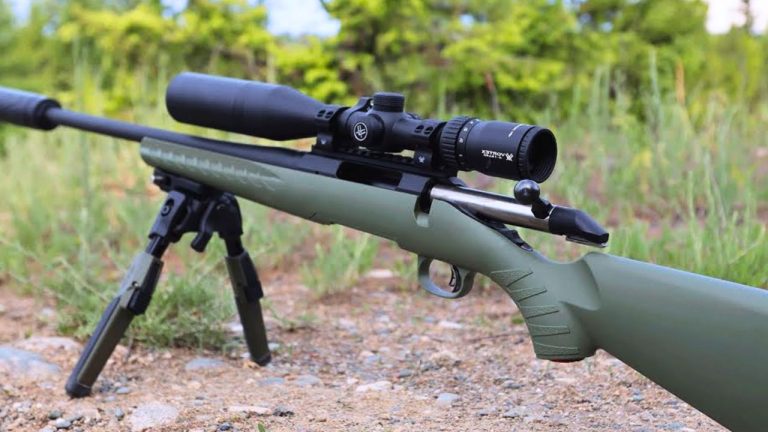
Good practice also means mimicking real shot angles and distances. Early‑season stand prep advice urges bowhunters not to Don all their shooting from the ground, but instead to Practice Realistic Shooting Scenarios from the actual saddle or treestand they plan to hunt, so they are confident when it counts and not surprised by steep angles or tight lanes. On the rifle side, long‑range instructors hammer the idea that fundamentals should be learned, practiced, and repeated every time you get behind a rifle, a routine that one video described as guaranteed to tighten groups if you stick with it. That kind of Building Confidence Through Repetition The routine lets you walk into the woods without second‑guessing your abilities, because you have already proven the system to yourself.
Make Safety Non‑Negotiable So You Can Focus On The Hunt
Nothing destroys trust in a setup faster than a near miss or a preventable fall. I treat safety as the baseline that lets everything else work, the same way workplace experts talk about how leaders who Maintain Safe Environments and follow through on inspections and protocols create the basic trust that keeps people around. In the woods, that means wearing a harness every time, checking straps and bolts before the season, and having a plan for getting down if something fails, not assuming you will “be careful” when you are tired and cold.
Tree stand safety instructors, including those in a Bass Pro Shops segment, walk through practical steps like using a lifeline from the ground to the platform, keeping three points of contact on the ladder, and inspecting every strap and buckle before you climb, all aimed at keeping you from becoming a statistic. When you know you have done that work, you stop worrying about whether the stand will hold and start paying attention to wind shifts and deer movement. That mental shift is a big part of trusting your setup, and it only happens when safety is baked into your routine instead of tacked on at the end.
Choose Gear That Solves Real Problems, Not Imaginary Ones
Trust also depends on picking gear that actually makes your hunt smoother instead of adding clutter. I look for pieces that solve specific problems I have run into in the field, like managing clutter at the tree or keeping calls and rangefinders where I can reach them quietly. One example is The Insights Carry All Tree Strap, which was highlighted as not being the flashiest item in the pack but one of the most practical, because it lets you hang multiple accessories in a consistent layout and turns any tree into a familiar workstation. When you know exactly where your grunt tube and binoculars will be in the dark, you stop fumbling and start moving with purpose.
That same thinking applies to how you organize your pack, your bow hanger, and even your clothing system. A hang‑and‑hunt veteran from Oct described how Having a setup you can trust is essential, but stressed that it is even more critical to know how to use it efficiently when you are slipping into pressured public land in southern Iowa, where extra noise or movement can blow the whole hunt. I try to keep my own kit trimmed down to what I can deploy quietly and consistently, because every extra gadget is one more thing that can rattle, squeak, or snag at the worst possible time.
Earn Access And Respect With Landowners And Neighbors
Trust in your hunting setup does not stop at the treeline, it starts at the property line. If you hunt private ground, your relationship with the landowner is as important as your stand location, and it needs the same kind of deliberate work. One access guide laid out Step 2: Contacting Landowners for Hunting Access as part of a broader plan that includes approaching people at the right time of week, being clear about your intentions, and following through on every promise you make, from closing gates to sharing meat. That kind of consistency is what convinces a landowner to let you come back year after year.
Building that relationship often starts long before you ask for permission. Another set of tips on how to Get Involved Locally and Build Connections suggested joining local conservation groups, helping with habitat projects, and staying polite even if you are turned down, because every interaction shapes how hunters are viewed in that community. Whitetail managers have warned that When you focus too much on hunting, the most important thing gets overlooked, which is relationships with the people who actually control access to the ground you want to hunt. I have seen more than one Boone & Crockett‑class buck slip through a hunter’s fingers because he burned a bridge with a neighbor, and no amount of gear can fix that.
Pick Hunting Partners You Can Rely On Under Pressure
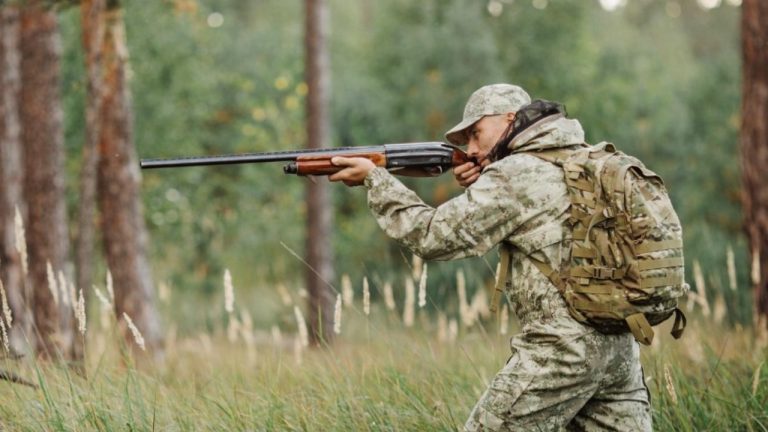
Even a bulletproof gear setup will not feel trustworthy if you are hunting with someone you do not fully trust. A backcountry pack maker put it bluntly when they said The biggest thing is safety, and warned that if you get in a dicey situation without any way to communicate with the outside world, a bad partner choice can cost you years of anguish and even your life. I look for partners who are steady when things go sideways, who keep their muzzle where it belongs, and who are willing to speak up if something feels off instead of trying to be cool.
Those traits line up with what business writers describe as the core of a reliable partner: shared objectives, clear communication, and mutual respect, which one analysis said are the foundation of partnerships built on trust and mutual respect. In the hunting world, that might mean agreeing ahead of time on shot opportunities, tracking decisions, and how you will handle wounded game, so nobody is guessing in the heat of the moment. When issues do come up, like a buddy who cuts corners on safety, one hunter on Reddit advised sitting them down and having a direct conversation if they are truly your friends and you enjoy each other’s company, instead of letting resentment build. I have had those hard talks myself, and while they are uncomfortable, they are the only way to keep both the friendship and the hunt intact.
Use Communication To Build Trust With Your Spouse Or Crew
Hunting with a spouse or close partner adds another layer to the trust equation, because the relationship matters as much as the tag. One couples’ field guide laid out a Step Trust Builder that encouraged partners to Switch Roles Like Pros, taking turns in the field so that In the woods one person might Take the lead as Tracker following blood trails while the other calls shots, then swapping roles on the next hunt. That kind of role‑sharing builds empathy and keeps one person from always being the “guide” and the other the “tag‑along,” which can quietly erode trust over time.
Good communication does not stop when the hunt gets tense. The same guide suggested updating a shared map after each outing and using “we” language in heated moments, instead of blaming, so both people feel like they are on the same team. Elk hunters have told similar stories, including one Nov account where a hunter admitted he lied to his buddy about not seeing anything because he was embarrassed, then later realized how much damage that small lie could have on their hunts together. I have learned to be brutally honest with my own crew about missed shots, bad calls, and blown stalks, because once you start hiding the truth, trust in the whole setup starts to crack.
Hunt Like A Pro: Quiet Access, Smart Neighbors, And Honest Debriefs
When all the pieces are in place, the way you actually move through the woods either reinforces that trust or tears it down. Mature deer live and die by their ears and noses, and one whitetail strategist has said that includes during the walk in, the set up and the climb, warning that a single metallic ting or out‑of‑place sound can end your hunt before it even becomes daylight. I build my own access routes with that in mind, padding metal, taping buckles, and rehearsing how I will climb so I am not learning on the fly with a buck bedded a hundred yards away.
Trust also grows when you work with, not against, the people around you. A whitetail manager in a video on neighbors talked about how many more people are working with their neighbors today to improve deer management, instead of treating every fence line like a war zone, and how that cooperation can boost everyone’s odds. Another section of that same whitetail analysis, labeled Step 2: Build the Right Thing When, circled back to the idea that if you obsess over your own stand and food plot while ignoring relationships, you can sabotage your chances of shooting that Boone & Crockett buck you have been watching. After the hunt, I like to debrief honestly with my partners about what worked and what did not, the same way a long‑range coach in a 5 Tips To Shoot Better Long Range session would break down fundamentals, because those conversations are where trust either deepens or dies.

Asher was raised in the woods and on the water, and it shows. He’s logged more hours behind a rifle and under a heavy pack than most men twice his age.