The firearms designs collectors wish were still in production
Some firearms leave production lines yet never really leave the market’s imagination. Collectors talk about them in the same breath as classic cars or vintage watches, not just as tools but as benchmarks of design that modern models rarely match. The firearms designs enthusiasts most want back in production tend to combine mechanical originality, historical weight, and a kind of shootability that feels difficult to replicate with contemporary cost cutting.
Looking at the guns that inspire this kind of nostalgia reveals a pattern. These are rifles, pistols, and shotguns that solved problems in distinctive ways, anchored key eras in firearms history, and now trade at a premium because demand has outlived supply. They are also a reminder that the market’s most interesting opportunities often sit just outside the spotlight, in discontinued designs that collectors quietly chase.
Why discontinued designs become collector magnets
When a manufacturer stops making a successful firearm, scarcity collides with sentiment. Production ends, but the installed base of owners, hunters, and competitors keeps talking about how the gun handled, how it balanced, and what it represented in its era. Over time, that word of mouth hardens into a consensus that certain discontinued models are not just good, they are benchmarks, and the gap between that reputation and the fixed supply is what turns them into collector magnets.
From an investment perspective, discontinued models that were well regarded in their day often hold value better than current catalog items. Guides to which guns retain price over time point out that buyers who understand how scarcity, brand reputation, and historical importance interact can make smarter choices about where to put their money, especially when they focus on firearms that already have a track record of strong resale performance and collector demand over time.
The Savage Model 99 and the golden age of lever rifles
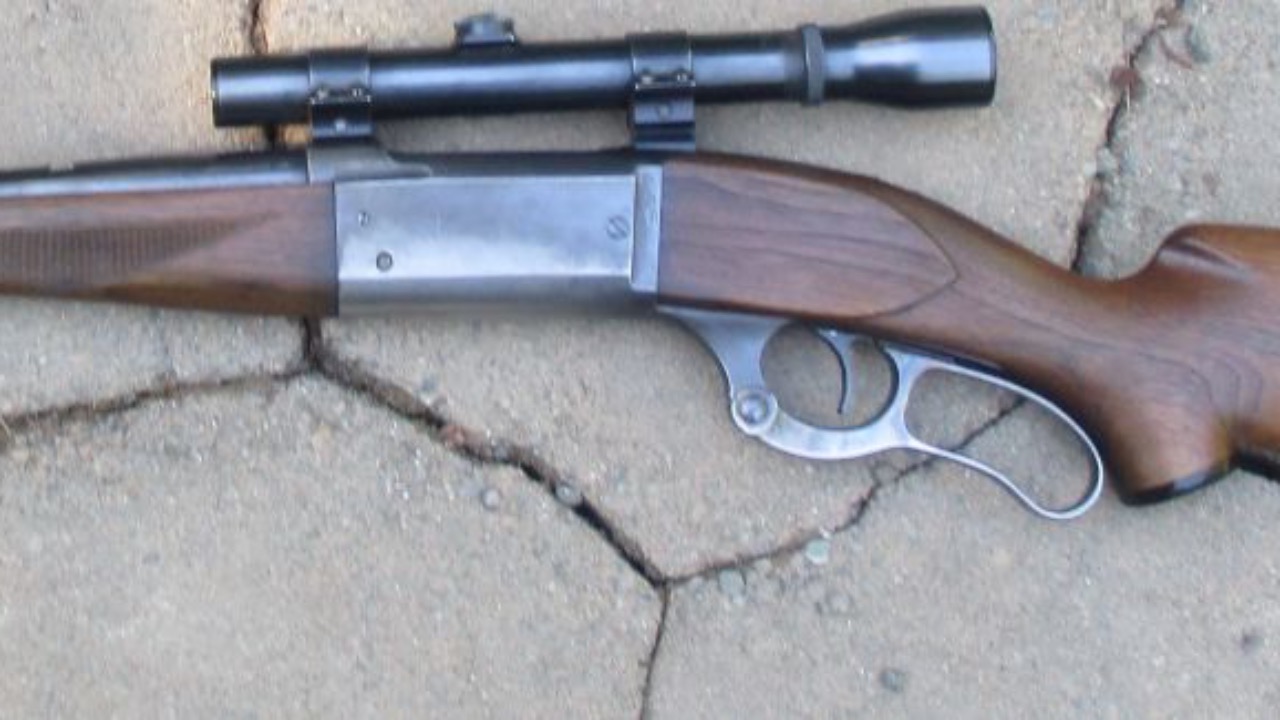
Few discontinued rifles generate as much wistful commentary as the Savage Model 99. Lever actions were already iconic in North America when this rifle appeared, but its internal rotary magazine and ability to handle pointed bullets made it feel like a leap into the modern era. Many hunters still regard The Savage 99 as one of the most forward looking lever designs of the twentieth century, a rifle that bridged the gap between traditional handling and contemporary ballistics in a way that later designs never fully replaced for them.
Part of the appeal is how the Savage Model combined innovation with familiarity. It kept the fast follow up shots and slim profile that made lever guns popular in the first place, but its engineering let hunters use higher performance cartridges without the safety compromises of tubular magazines. That mix of old and new is exactly what many collectors say they miss in current production rifles, which often chase modularity or extreme precision at the expense of character.
Modern classics that slipped under the radar
Not every coveted discontinued gun is a century old icon. Some of the most interesting opportunities sit in what I would call modern classics, designs from the late twentieth and early twenty first century that never became mainstream darlings but quietly built loyal followings. Analysts who track this segment argue that the obvious blue chip names, the Colts and Smith & Wessons everyone recognizes, are already priced accordingly, while the real upside lies in models that serious shooters love but the broader market has not fully discovered yet.
These under the radar designs often share a few traits. They tend to be mechanically distinctive, produced in relatively modest numbers, and associated with a specific role such as precision competition, compact carry, or specialized hunting. Because they are not household names, they can trade at more accessible prices than the most famous revolvers or early semi automatics, even as their production status and reputation set them up for long term appreciation.
Precision nostalgia: SIG Sauer SSG 3000 and the end of an era
Precision rifles are a good example of how discontinued designs can become touchstones for a particular discipline. The SIG Sauer SSG 3000, built in the Country of Germany, emerged in the Cold War period as a purpose built sniper and police marksman rifle. Chambered in 7.62×51mm NATO, often shortened to 7.62 in enthusiast shorthand, it earned a reputation for ruggedness and out of the box accuracy that still shapes how collectors talk about European tactical bolt guns today.
What owners miss is not just the performance, but the particular blend of industrial design and overbuilt construction that defined that era of SIG engineering. Later precision rifles may offer more modular stocks or lighter chassis systems, yet many shooters feel the SSG 3000 represents a high water mark for no nonsense, duty grade bolt actions. With production halted and import channels closed, examples in good condition have shifted from working tools to prized fixtures in serious collections.
Ambidextrous innovation: Beretta ARX and the modular rifle wave
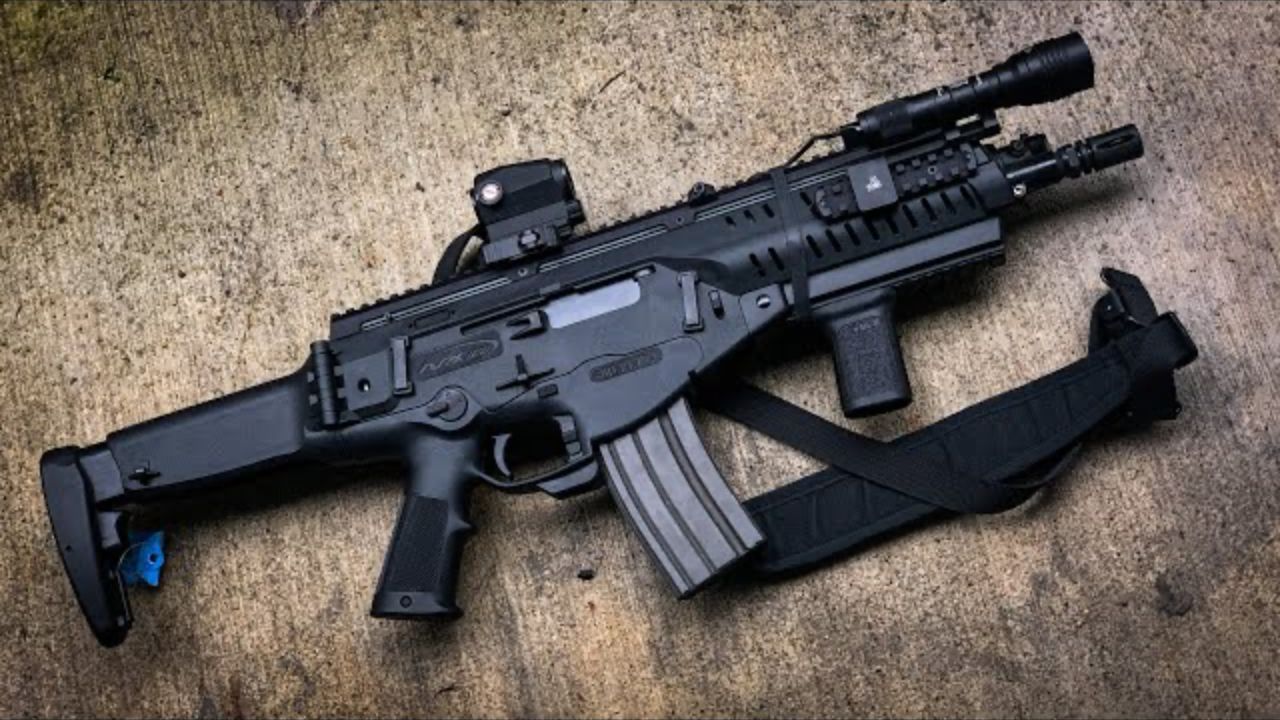
On the semi automatic side, the Beretta ARX family shows how quickly a forward looking design can move from cutting edge to discontinued cult favorite. The civilian ARX100 variant was marketed as a highly adaptable rifle with extensive ambidextrous controls, to the point that its layout was described as nearly 100% ambidextrous. For left handed shooters and anyone who valued fast configuration changes without tools, that level of flexibility made the Beretta ARX stand out in a crowded field of black rifles at the time.
Once production stopped, the ARX100 shifted from being one more modular option to a distinct chapter in the evolution of modern service style rifles. Collectors who focus on the story of how military and civilian carbines moved from fixed configurations to fully user configurable platforms now look for clean examples of this model as a way to document that transition. Its discontinuation also underlines a recurring theme in the market, that technical innovation alone does not guarantee commercial longevity, and that some of the most advanced designs end up as short run curiosities.
What “collector grade” really means in design terms
When enthusiasts say they wish a gun were still in production, they are often responding to specific design choices that feel rare today. Serious collectors talk about mechanical systems that broke new ground, such as toggle lock actions or early double stack magazines, as hallmarks of firearms that matter beyond their scarcity. Classic examples include The Luger with its distinctive locking geometry and the Browning Hi Power with its pioneering high capacity layout, both cited as cases where engineering innovation helped define what “collector grade” means for pistols today.
In practice, that standard extends across categories. Rifles that introduced new feeding systems, shotguns that refined sidelock layouts, and early semi automatics that made self loading sidearms practical all earn extra attention when they leave production. The key is that their design features changed how later guns were built, so owning one is not just about nostalgia, it is about holding a piece of the technical lineage that shaped the modern market.
Classic shotguns: L.C. Smith and the sidelock mystique
Side by side shotguns illustrate how brand history and mechanical elegance combine to keep discontinued designs in demand. The L.C. Smith name, often shortened in catalogs to Smith, is a case study. Despite the company’s closure in 1950, L.C. Smith sidelock doubles remain highly valued by collectors who see them as high points of American shotgun craft, with engraved actions and hand fitted barrels that are difficult to replicate at scale today in modern factories.
What many enthusiasts wish they could buy new is not just the name on the sideplate, but the entire package of long, tapered barrels, crisp double triggers, and slim forends that carry easily in the field. Contemporary shotguns often favor interchangeable choke systems, synthetic stocks, and mass production methods, which makes original L.C. Smith guns feel like artifacts from a different philosophy of manufacturing. That contrast is exactly what drives collectors to pay a premium for clean, mechanically sound examples.
Rimfire perfection: the Colt Woodsman and the lost .22 ideal
Among rimfire pistols, the Colt Woodsman occupies a special place in the wish lists of target shooters and plinkers. According to production records, Colt Woodsman Production ended 1977, closing the book on a long running line of .22s that many owners still describe as some of the best handling pistols of their type. The basic specification, a Weapon classified as a Semi automatic pistol with a Caliber .22 Long Rifle Action Blowback Length 9.0in (229mm), reads modestly on paper, yet in the hand the Woodsman’s balance and trigger continue to impress decades later.
What collectors miss is the combination of refined machining, slim proportions, and understated styling that defined the Woodsman line. Modern .22 pistols often prioritize accessory rails, polymer frames, or tactical aesthetics, while the Colt design reflects an era when a rimfire sidearm was expected to look and feel like a scaled down target pistol. That difference in priorities helps explain why clean examples command strong prices and why so many shooters say they would line up if a faithful version ever returned to regular production.
Value, prestige, and the guns that set the benchmark
At the very top of the market, the firearms that command the highest prices show how prestige and scarcity reinforce each other. Lists of the Most Valuable Collector Firearms routinely feature icons such as the Colt Single Action Army Revolver, often referred to as The Iconic Peacemaker, and classic lever rifles like the Winchester Model 1873. These guns are not just old, they are deeply woven into cultural history, which helps explain why their values have climbed so far beyond their original working gun roles over time.
For collectors who cannot or do not want to chase six figure pieces, discontinued designs from later eras offer a more accessible way to participate in the same dynamic. They may never rival the Peacemaker in auction results, but they share the core ingredients of strong provenance, finite supply, and enduring user appeal. That is why so many enthusiasts focus their wish lists on out of production models that still feel practical to shoot, from classic lever actions to precision bolt guns and finely made .22 pistols.

Leo’s been tracking game and tuning gear since he could stand upright. He’s sharp, driven, and knows how to keep things running when conditions turn.