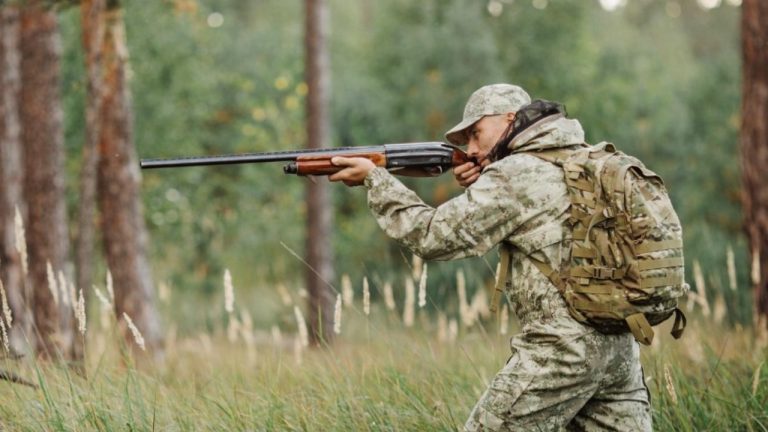
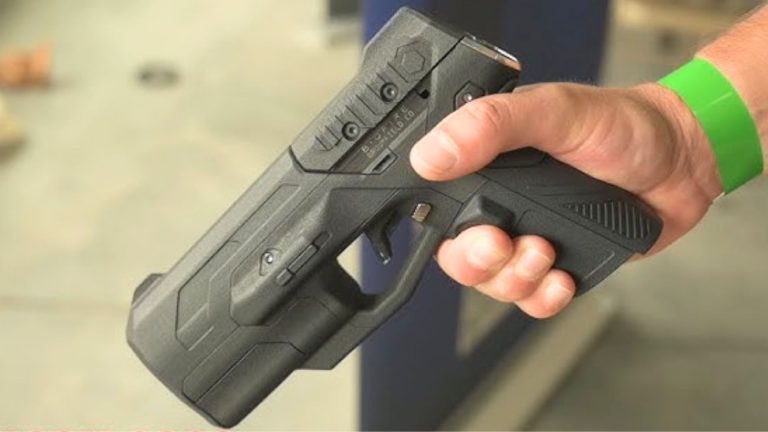
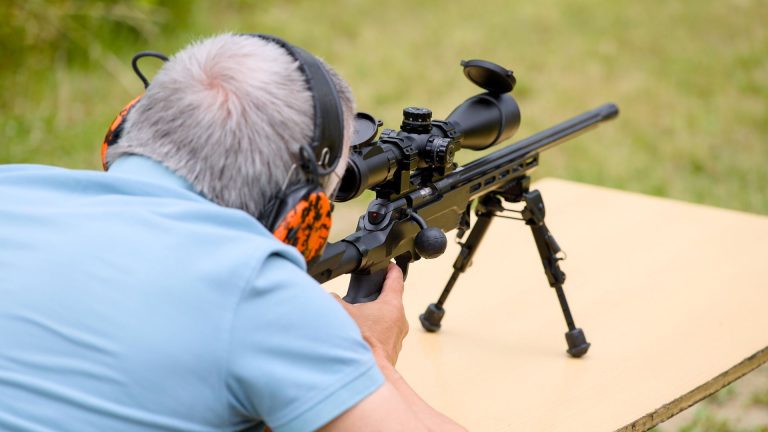
Is hunting deer for meat still ethical?
Across deer country, the ethics of killing a wild animal for meat has turned into one of the sharpest arguments between hunters and critics. On one side are people who see venison as a clean, local protein that can even help the land, on the other are those who say any deliberate killing is unnecessary when grocery stores and plant‑based options are everywhere. The real answer sits in the details of how we hunt, why we pull the trigger, and what happens to deer and landscapes if we do nothing at all.
Why deer hunting is under the microscope now
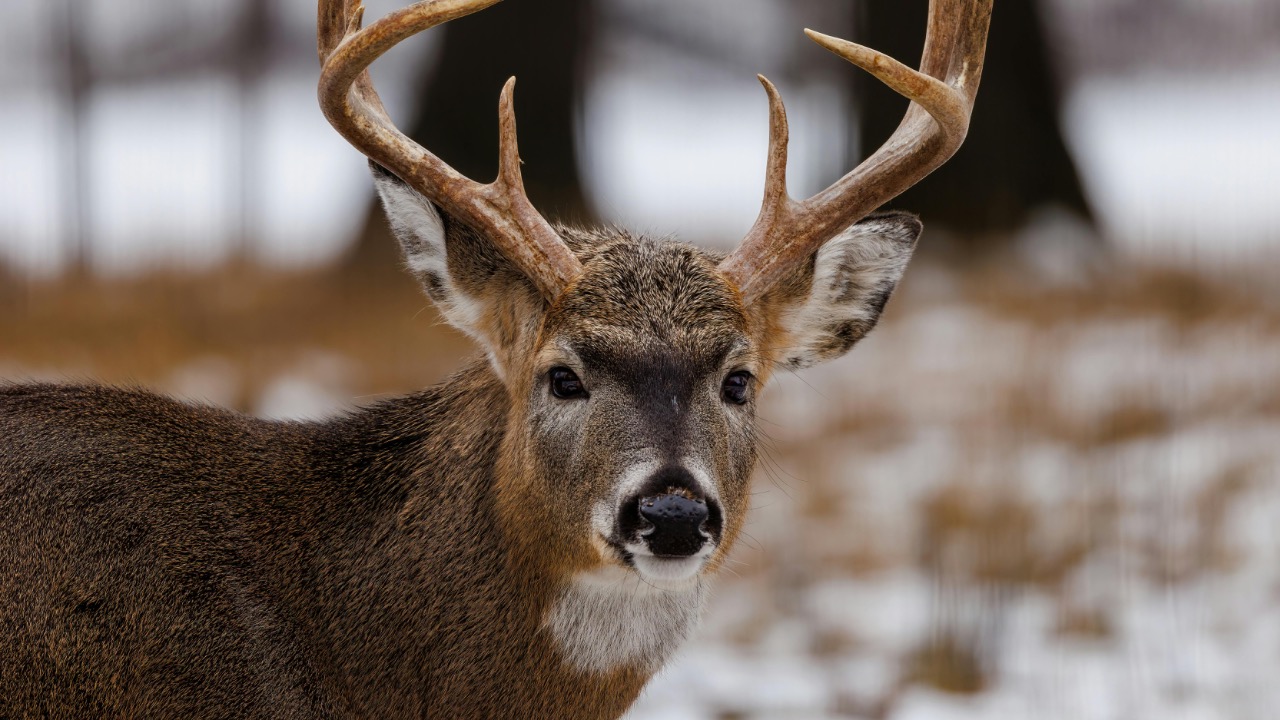
The old story about a family filling the freezer with a buck every fall does not settle the question anymore. Modern audiences are watching graphic slaughterhouse footage, reading about climate change, and asking whether taking a deer’s life for food can still be squared with animal welfare and environmental responsibility. Even hunters are wrestling with that, which is why you now see longform debates and videos asking if it is okay to hunt animals for their meat, including one sponsored by Squarespace that treats the question as a serious moral problem rather than a punch line.
At the same time, critics are pushing hard on the idea that hunting is not morally superior to buying meat at the store, arguing that if we can meet our needs without killing, we have no right to keep doing it. One detailed challenge frames the issue bluntly, asking whether hunting animals is really better than supporting industrial agriculture when both involve harm, and suggesting that if we can avoid the need to harm at all, we should, a line of reasoning laid out in depth by animal advocates who question moral superiority.
The core ethical split: necessity versus choice
When I strip the arguments down, they hinge on one word: necessity. If you believe humans can live healthy lives without animal products, then killing a deer for meat looks like elective violence, not survival. That is the stance you see in vegan debates where people insist that it is unnecessary killing and that Crops can be harvested with very few animal deaths compared with the direct killing that happens when a hunter squeezes the trigger.
On the other side are meat eaters who accept that something has to die for them to eat animal protein and argue that a wild deer living free until a quick shot is better off than a steer in a feedlot. One hunter laid it out plainly, asking whether an animal living its life in nature with plenty of land to roam is not better off than one confined in a factory system, and saying that perspective is why he treats hunted meat more as a luxury, a view echoed in a long changemyview discussion.
Deer, overpopulation, and what happens if we stop hunting
Ethics do not play out in a vacuum, they play out on real landscapes with real animals. Across the United States and parts of Europe, deer numbers have climbed far beyond what the land and remaining predators can handle, especially where we have cleared forests, planted crops, and removed wolves and cougars. In the continental United States alone, there are some 30 million white‑tailed deer, and in many areas their numbers are growing too rapidly, a problem highlighted in a discussion of how the United States handles venison.
When deer overshoot the carrying capacity of their habitat, the result is not a peaceful old age for most animals. Overpopulation leads to mass starvation, heavy browsing that wipes out forest undergrowth and plant biodiversity, and more vehicle collisions, a chain of damage that hunters and nonhunters alike have flagged in debates about why eating wild venison might actually help prevent those outcomes, as one discussion spells out.
Hunting as wildlife management and food source
Once you accept that deer numbers have to be controlled somehow, the question becomes who does it and what happens to the carcasses. Wildlife managers point out that without hunting, many species of animals graze too much and deplete the food in an area, while regulated seasons keep the population at a healthier size, a point laid out in a detailed explanation of how, Without hunting, herds can crash.
In places like Pennsylvania, agencies and conservation districts stress that Hunting not only provides a sustainable source of meat but also serves as a crucial tool for wildlife management, helping to maintain healthy white‑tailed deer numbers even as the species faces modern challenges, a role described in detail in a profile of the Hunting tradition there.
Is venison really the “most ethical” meat?
Supporters of deer hunting often go further and argue that venison is not just acceptable, it is the best possible meat a conscientious carnivore can eat. In Britain, one ethical butcher goes so far as to say that Venison is perhaps the most ethical meat we can eat in Britain today, even calling it the most ethical native protein available all year, because the animals are wild, unmanaged in the farm sense, and already need to be culled to protect habitats, a case laid out in detail for Venison in Britain.
That same logic shows up in social media posts from UK hunters who point out that their country imports huge amounts of beef and lamb while wild deer herds go underused. One hunter‑cook framed it as a matter of balance, responsibility, and food on the table, reminding readers that Every steak, chicken breast or fillet of fish means something died, and arguing that a local deer, managed properly, is a cleaner choice than anonymous supermarket meat, a sentiment shared in a widely circulated Every post.
Animal welfare: quick kill versus prolonged suffering
Even if you accept that some deer must die, how they die matters. Ethical hunters argue that a well‑placed shot that drops a deer in seconds is kinder than the slow starvation, disease, or vehicle impacts that come with unmanaged herds. Wildlife advocates who support hunting for food stress the responsibility to practice until you can make a quick and humane kill, a standard spelled out in a discussion of animal welfare and the environment that notes how overabundant deer create a requirement for removing excess animals through wildlife management practices focused on a quick kill.
Critics counter that in the real world, not every shot is perfect and not every hunter is as skilled as they think. Animal rights groups point to research under the heading Pain and Suffering, including a study of 80 radio‑collared white‑tailed deer that found 22 had been shot with traditional weapons but not recovered by hunters, and similar wounding rates in foxes and ducks, to argue that hunting causes a lot of unseen suffering and disrupts migration and hibernation patterns, a case laid out in detail under the banner of Pain and Suffering.
Fair chase and what “ethical hunting” actually requires
Among hunters, the phrase “ethical shot” gets thrown around a lot, but ethics start long before the trigger pull. Agencies that regulate deer seasons spell out that One of the key components of ethical hunting is the concept of fair chase, which means giving the game a reasonable chance to evade the hunter and not using technology or tactics that remove that chance, a standard laid out in guidance on One of the core principles of deer hunting.
Fair chase also means respecting seasons, bag limits, and property boundaries, and not taking marginal shots that are likely to wound. Philosophers who study hunting ethics point out that in a modern world where we have other food options, the old subsistence defense does not automatically apply, and that today it is hard to defend hunting that is purely for sport or trophy without a serious food or management component, a point unpacked in a detailed analysis that notes how Every fall brings the same moral questions back around.
Environmental footprint: wild meat versus industrial meat
Beyond the deer themselves, there is the question of what kind of meat system does the least damage to the planet. Industrial livestock is a major driver of deforestation, water use, and greenhouse gas emissions, which is why some meat eaters are looking for alternatives that shrink their footprint. Analysts who study food systems note that for many people, hunting is more than a hobby, it is a way to put food on the table and a solution for meat eaters seeking a lower impact option, with one estimate suggesting that replacing some industrial meat with wild game could cut emissions equivalent to taking 400,000 cars off the road, a comparison laid out in a review of the environmental benefits and limitations of hunting as a food source.
That does not mean hunting is impact‑free, especially when you factor in travel, gear, and potential lead contamination. Studies have shown that lead fragments can be deposited in venison harvested with lead ammunition, and that those fragments can be too small to see or remove, which is why health agencies warn that people who eat a lot of wild deer meat harvested with lead bullets may have higher lead exposure than those who do not, a risk spelled out in official Studies on deer meat safety.
Who pays for conservation, and does that matter ethically?
One argument that comes up around every campfire is that hunters pay the bills for wildlife. License fees, tags, and excise taxes on guns and ammo funnel money into habitat work and research that benefit far more than deer. A point to remember, as one overview of hunting’s pros and cons notes, is that hunters are the primary force behind the revenue that goes into conservation and wildlife management programs, including big nonprofits like Ducks Unlimited, a reminder that the hunting community funds a lot of the revenue that keeps wild places intact.
Critics respond that paying for conservation does not automatically make killing ethical, and that nonhunters also support wildlife through general taxes, land trusts, and donations. Some vegans argue that if we shifted away from hunting, we would still have a moral obligation to fund habitat work, and that tying conservation to killing creates a perverse incentive to keep game numbers artificially high, a concern that surfaces in debates where people ask whether hunting is more ethical than not hunting at all, and where one commenter notes that Human hunters do not behave like natural predators and that an account named Unlucky‑Community‑38 admits he does not only eat hunted meat, in a thread that questions whether Community norms around hunting are consistent.
Factory meat versus wild meat: which is worse?
For a lot of hunters, the ethical comparison is not between killing and not killing, it is between how the animal lives and dies. They look at feedlots, confinement barns, and long‑distance trucking and decide they would rather take responsibility for one clean shot on a wild deer. That is the logic behind arguments that hunting meat is more ethical than buying it from a grocery store, where one hunter asks whether an animal living free with land to roam is not better off than one in a factory system, a view laid out in detail in a changemyview thread.
Opponents push back that this is a false choice, because you can opt out of both factory meat and hunting by eating plant‑based or small‑scale farmed options. Animal advocates argue that hunting is not automatically the most ethical source of food, pointing out that But there are issues with hunting, including the claim that it is unnecessary killing and that plant agriculture can be designed to minimize harm, a case spelled out in a debate where one commenter insists that But hunting is not the ethical high ground some claim.

Asher was raised in the woods and on the water, and it shows. He’s logged more hours behind a rifle and under a heavy pack than most men twice his age.