The animal species that sparked America’s most heated wildlife debates
Across the United States, a handful of animals have become lightning rods for arguments about what, and whom, conservation is really for. From predators that unsettle ranchers to invasive species that thrive in our suburbs, these creatures have forced Americans to decide how much wildness they are willing to live with, and at what cost. I see the same pattern repeating across species: once an animal becomes a symbol, the debate stops being about biology and starts being about identity, power and place.
Those symbolic battles have shaped laws, livelihoods and landscapes. The Endangered Species Act, state hunting regulations and even neighborhood social media fights have all been rewritten around a few controversial species. By tracing the animals that have sparked the fiercest disputes, I can show how wildlife policy in the United States has become a proxy war over safety, property, culture and the future of the land itself.
Gray wolves and the fight over federal protection
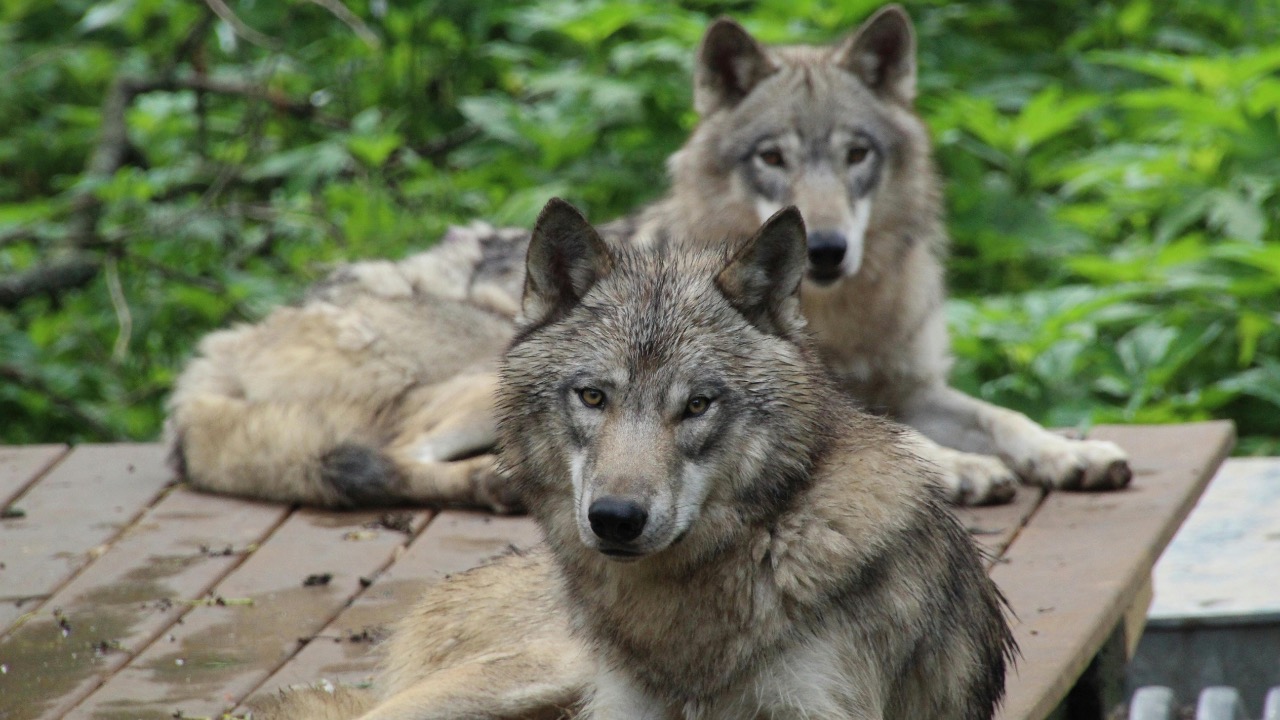
No animal better captures the intensity of modern wildlife politics than the gray wolf. For ranchers and some rural lawmakers, wolves are a threat to livestock, pets and even people, and they argue that federal protection ties local hands. In a recent congressional push, supporters of a delisting bill framed it as a public safety measure, with one member warning that the current listing meant that “Because of the gray wolf’s listing status, nothing could be done to protect the lives of the students there,” a claim that surfaced as Because of the gray wolf’s legal status was debated.
On the other side, environmental advocates argue that the species still needs strong safeguards after being driven to near extinction in the lower 48. Groups such as Earthjustice have framed the legal fight as a test of whether science or politics will decide when a predator is recovered. The resulting standoff has turned gray wolves into a national referendum on how far federal power should reach into state wildlife decisions, and whether human fear should outweigh ecological function.
Congress, committees and a predator bill that lit a fuse
The gray wolf fight has not stayed in the realm of abstract principle, it has become a concrete legislative brawl. In the House of Representatives, members on the natural resources committee have used their final conservation bills of the session to push changes that would “have a debate on that re resolves” the status of wolves, as captured in a House debateover removing gray wolves from the endangered list. That floor fight mirrored a broader push by some lawmakers to loosen protections on predators they see as incompatible with ranching and rural life.
Outside the chamber, advocacy groups have warned that such bills are part of a coordinated effort to weaken the Endangered Species Act itself. One controversial proposal aimed at predators was criticized by conservationists who argued it would “spark debate” while putting ecosystems at risk, a concern echoed in coverage of predator legislation. I see these clashes as less about any single species and more about whether Congress will keep using one-off bills to carve exceptions into a law that was designed to be comprehensive.
Yellowstone’s wolves and the ethics of hunting
Nowhere are the emotional stakes of wolf policy clearer than around Yellowstone National Park. When a “rising star” from a prominent pack was illegally killed just outside park boundaries, it triggered a poaching investigation and reignited arguments over whether wolves that draw tourists inside the park should be fair game once they cross an invisible line. Supporters of hunting argue that regulated seasons are a legitimate tool to manage numbers and reduce conflicts, a view that has been voiced by those who say They see wolves as one game species among many.
Conservation biologists counter that as apex predators, wolves play a vital ecological role by keeping elk and other prey populations in check, which in turn shapes vegetation and river systems. That argument has been central to the defense of Yellowstone’s reintroduction program, and it underpins the insistence that park wolves should not be lost to nearby state hunts. The illegal killing near the park boundary has become a case study in how a single animal can embody a much larger dispute over whether wildlife is primarily a public trust, a private resource or a target of opportunity.
The Endangered Species Act at 40 and the spotted owl legacy
Long before wolves returned to the headlines, the Endangered Species Act had already turned obscure creatures into national flashpoints. When the law reached a milestone and the phrase “Endangered Species Act Turns 40” was invoked, commentators pointed to the northern spotted owl as the bird that once pitted loggers against conservationists across the Pacific Northwest. That fight, chronicled in a “Look At 3 Interesting Debates” feature By Amelia Templeton, OPB, showed how one species could halt logging plans and force a new Northwest Forest Plan.
For many rural communities, the owl symbolized federal overreach and lost timber jobs, while for environmental advocates it represented the last chance to save old growth forests from clearcutting. I see that legacy in today’s arguments over predators and habitat, where the same law is alternately praised as a lifeline and condemned as a blunt instrument. The fact that the Endangered Species Act Turns 40 was treated as a moment to reassess its most controversial cases shows how deeply those early battles still shape public expectations of what the statute should do.
Grizzly bears, national parks and the limits of tolerance
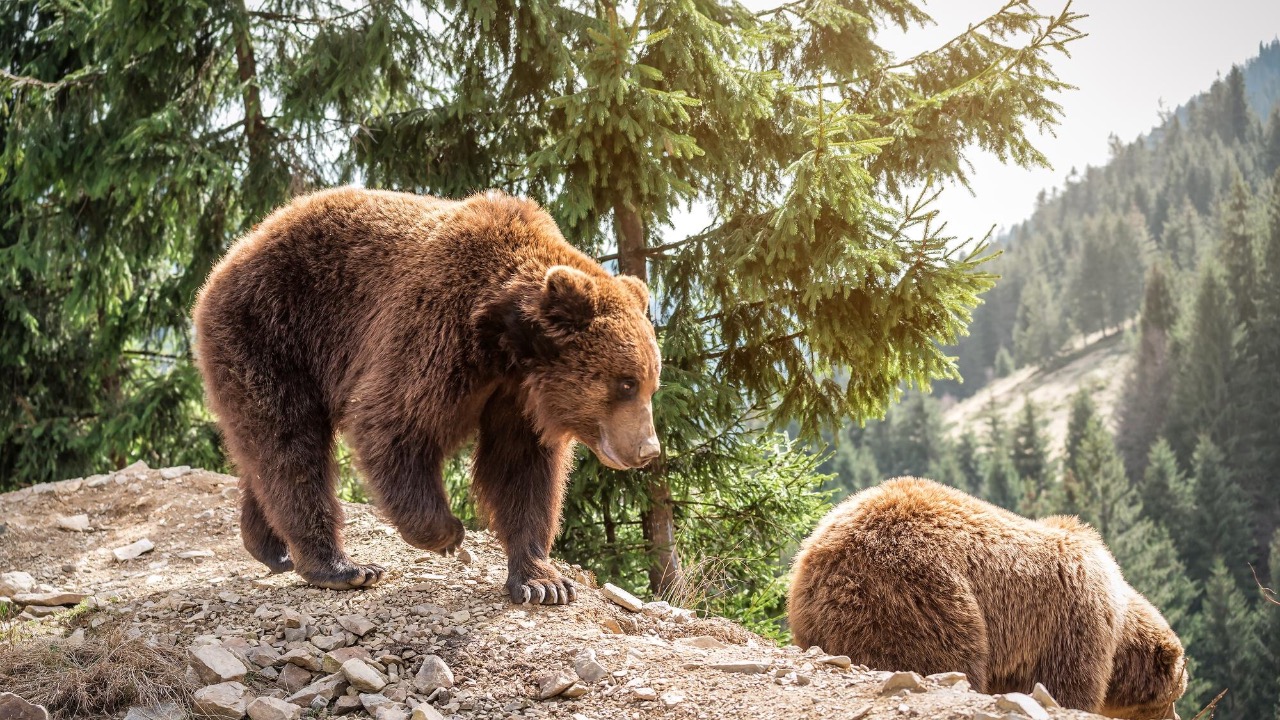
Grizzly bears occupy a different, but equally charged, place in the American imagination. Historically, Grizzly bears once roamed much of the western United States and may have numbered as many as 50,000 two centuries ago. But habitat loss, persecution and development pushed them into a handful of strongholds, turning every remaining population into a focal point for debates over delisting, hunting and human safety in and around national parks.
In places like the Greater Yellowstone Ecosystem, proposals to remove federal protections and allow limited Grizzly hunts have drawn fierce opposition from conservation groups that see the bears as still vulnerable. At the same time, some local residents argue that growing bear numbers increase the risk of encounters and livestock losses, and they want more flexibility to kill problem animals. But the tension between those positions illustrates a recurring theme in wildlife politics: how much risk people are willing to accept in exchange for living alongside a large carnivore that once defined the wildness of the West.
Feral Swine, raccoons and the suburban invasion
Not all contentious species are native icons. Some of the fiercest modern arguments revolve around invasive animals that thrive in human-dominated landscapes. In the Southeast and parts of the Midwest, Feral Swine (Sus scrofa) have become notorious for tearing up crops, wetlands and even suburban lawns. Here, the same animals are also known by Sus and by Other names such as Wild or feral hogs, and they have prompted aggressive control programs that some animal welfare advocates view as cruel.
Closer to city centers, smaller mammals have become flashpoints on neighborhood message boards and in local politics. The Raptor Center of Tampa Bay noted that “The conversation regarding the Raccoons has sparked considerable discussion about the feral cat population,” highlighting how one nuisance species can open a broader argument about outdoor cats, songbird declines and humane control. I see these suburban disputes as a sign that the front lines of wildlife management have moved from remote forests into backyards and alleys, where every trap, feeding station or relocation order is instantly politicized.
Invasive pets, coyotes and the backyard battleground
As more Americans keep exotic pets and feed wildlife, the line between domestic and wild has blurred, creating new controversies. Conservation writers have described being “used to a lot of wildlife-generated anxiety on neighborhood apps,” where posts about strange animals are constant. Sometimes that anxiety focuses on predators, with one account noting that “Sometimes it’s worry about coyotes eating their pets,” while “Lately” the focus has shifted to invasive reptiles and other escapees from the pet trade.
Some of the most problematic species in that discussion are animals that were once sold in local shops and then released, from large constrictor snakes in Florida to smaller mammals that establish feral populations. As these creatures spread, they raise hard questions about responsibility: should the burden fall on individual pet owners, on local governments or on federal agencies that regulate imports. I find that the backyard scale of these conflicts makes them especially heated, because people are no longer debating abstract habitat maps but the safety of their own children, dogs and gardens.
Horses, cows, pigs and the livestock that reshaped a continent
While predators and invaders dominate many modern headlines, some of the most consequential wildlife debates have centered on familiar domestic species. In one widely shared ecology discussion, commenters argued that “Horses andcows” have left the greatest mark on U.S. landscapes, noting that “If either had not existed, the us would be fundamentally different in truly unimaginable ways.” That same thread pointed out that Pigs “get their own” category because of their outsized ecological footprint.
Those observations echo a long running policy debate over grazing on public lands, feral horse roundups and the spread of feral hogs. Livestock have been central to arguments about who gets to use rangelands and how much native vegetation and wildlife should be sacrificed to support meat and dairy production. I see the tension in the way wild horses are celebrated in popular culture yet targeted for removal when their numbers grow, and in the way cattle are treated as economic necessities even when their grazing conflicts with endangered species protections.
Trophy hunting, tradition and the new culture war over wildlife
Layered on top of these species specific fights is a broader argument over the role of hunting in conservation. Supporters of trophy hunting insist that pursuing large, mature animals is a legitimate test of skill and a source of funding for wildlife agencies. In Wyoming, outdoorsman Guy Eastman has argued that hunting trophy-sized animals puts the hunters’ skills and abilities to the test, and that the terms of any hunt should be set by wildlife agencies, not by hunters alone.
Critics counter that killing charismatic animals for display is ethically indefensible, especially when those animals are members of species that have only recently recovered. Their outrage has been amplified by viral images of hunters posing with lions, bears and other large mammals, turning individual kills into international scandals. I view this clash as part of a larger culture war over what counts as respect for wildlife: for some, it is measured in tags and seasons, for others in the decision never to pull the trigger at all.
Why these animals keep igniting America’s biggest wildlife arguments
Across all of these cases, from wolves and Grizzly bears to Feral Swine and backyard Raccoons, the same underlying questions keep resurfacing. Who gets to decide how much risk is acceptable, whose livelihoods deserve priority and how much space should be reserved for nonhuman lives. When lawmakers introduce predator bills that “spark debate” over constituents’ safety, as seen in coverage of US lawmakers, they are tapping into those deeper anxieties rather than just adjusting a species list.
At the same time, the legal scaffolding around these debates, from the Endangered Species Act Turns 40 retrospectives to ongoing House debates and public opinion polls that invite readers to Click and weigh in, shows how participatory and polarized wildlife policy has become. I believe the animals at the center of these fights will keep changing, but the core conflict, between a vision of the United States as a tightly managed landscape and one that still makes room for unpredictable, sometimes dangerous creatures, is here to stay.

Leo’s been tracking game and tuning gear since he could stand upright. He’s sharp, driven, and knows how to keep things running when conditions turn.