How predator recovery is reshaping hunting seasons nationwide
Across the United States, animals that once hovered on the brink of disappearance are padding, swimming and soaring back into landscapes that had learned to live without them. As wolves, mountain lions, bears, alligators and other top carnivores recover, wildlife agencies are quietly rewriting the rules that govern when, where and how people can hunt. I see a new era taking shape in which predator management, big game tags and even spring turkey openers are all being recalibrated around the return of teeth and claws to the food chain.
The result is a national experiment in coexistence that is playing out through hunting regulations as much as in courtrooms or ballot boxes. Seasons are being shortened or expanded, bag limits tightened or relaxed, and special predator hunts layered on top of long standing deer and elk traditions. The stakes are ecological and cultural at once, as managers try to keep prey herds healthy, protect livestock and maintain public trust in both hunting and conservation.
From near extinction to crowded calendars
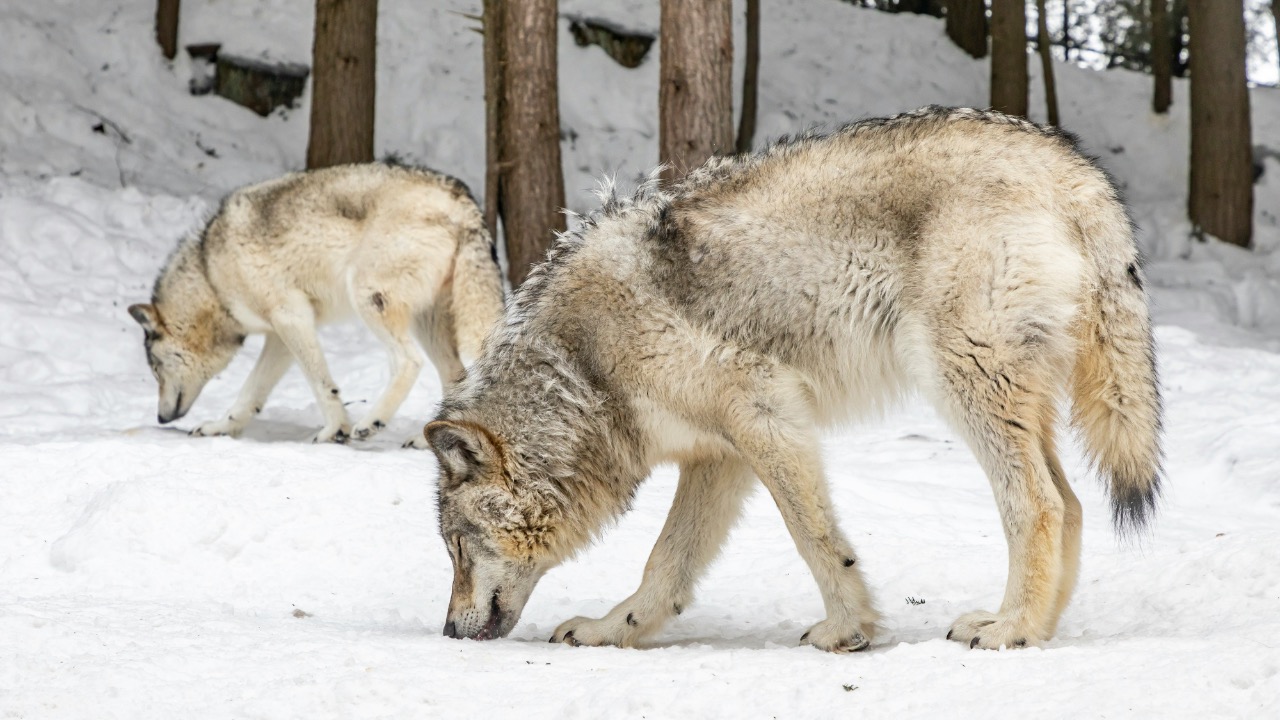
For most of the twentieth century, wildlife agencies were in the business of killing predators and rebuilding prey. Bounties and poisons cleared wolves and mountain lions from much of the country, while deer and elk seasons were designed around maximizing herd growth. That picture is changing as large carnivores rebound and as scientists argue that recovering predators create complex, multi species management challenges that cannot be solved with single species quotas, a point underscored by Recovering Predators Create.
Now, after they were pushed to near extinction, a suite of Large predators including alligators, mountain lions and sharks is on the rebound, recolonizing habitats that are now crowded with people. Western states that once paid bounties on cougars, for example, eliminated those programs and changed the status of the mountain lion from vermin to game animal, and as Western states did so, lion populations began to grow again. In coastal waters and southern swamps, similar rebounds are forcing agencies to juggle safety, tourism and hunting opportunity as calendars fill with overlapping seasons for predators and prey.
Wolves, elk and the new politics of the tag
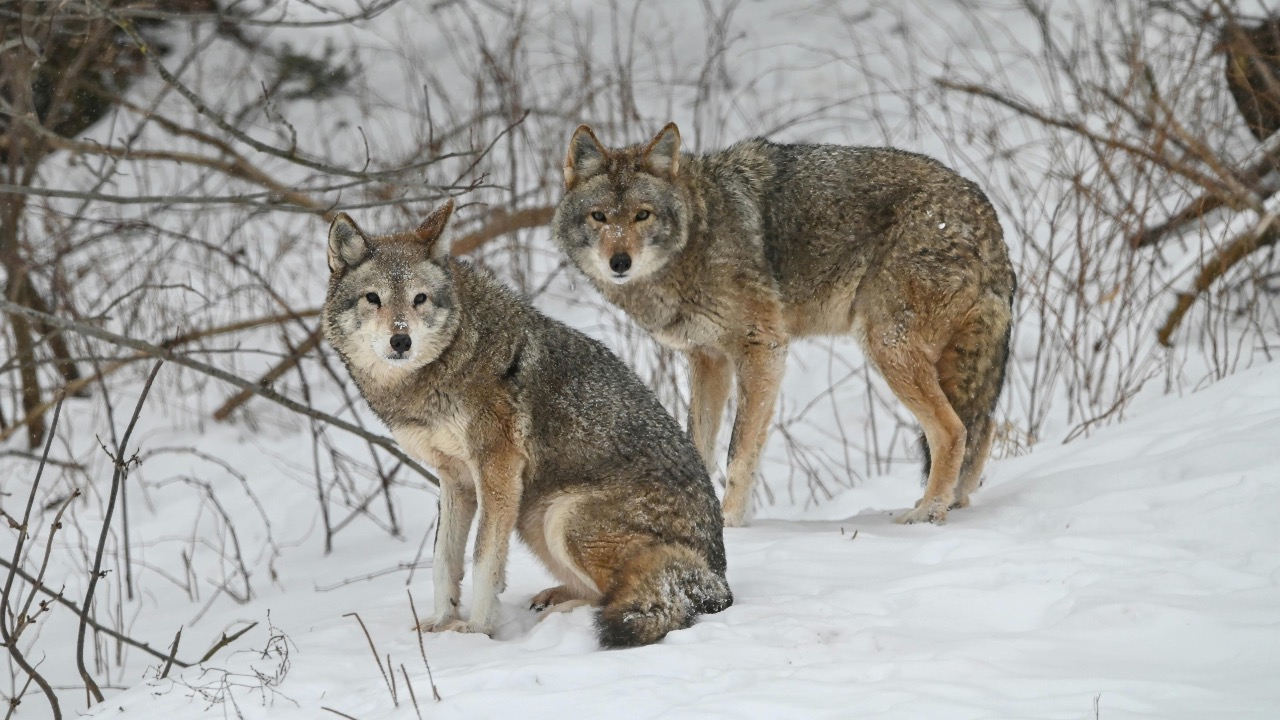
No predator has reshaped hunting debates more than the gray wolf. In light of their recovery, wolves were stripped of federal protections in parts of the northern Rockies and Great Lakes, and state wildlife management agencies responded by establishing wolf hunting seasons. That shift has rippled through elk and deer regulations, as managers in places like Idaho, Wyoming and Montana try to account for both human and canine hunters on the same herds.
Research using hunter observation data has found that the return of large carnivores can alter calf to cow ratios in ungulate populations, with one Nov analysis reporting significant interactive effects of wolf and bear densities on those ratios. That kind of data is feeding directly into quota decisions, as agencies weigh whether to trim antlerless tags, extend seasons or add targeted predator hunts to keep elk and deer numbers within social and ecological bounds.
When predator seasons become year round
In some states, predator recovery has prompted not just new seasons but calls for almost continuous hunting. In Montana, a 2021 law directed the agency often referred to as Montana Fish and to reduce wolf numbers, and critics now argue that, Despite the statute, the agency has yet to implement a harvest structure that meets legislative expectations. Some advocates have gone further, pushing for a 500 statewide quota and a year round wolf hunting season, a level of pressure that would have been unthinkable when wolves were still federally protected.
Elsewhere, opponents warn that aggressive seasons risk undoing decades of recovery work. One campaign framed its alarm starkly, declaring that Thousands of wolves will die and that more than four decades of effort to save these animals could come to a screeching, bloody halt if states open seasons that can wipe out entire packs. Wildlife and predator control experts caution that eliminating the so called problem animal often causes deeper problems for the broader population, a warning echoed in a Wildlife and advocacy post that criticizes an all out war on wildlife approach.
Federal delisting, state control and a patchwork of rules
As predator numbers climb, federal agencies are steadily handing the reins to states. BREAKING alerts have highlighted how, on one Nov day, the U.S. Fish and Wildlife Service signaled a long awaited proposal to remove End protections for certain wolf populations. That move, flagged as BREAKING Today by supporters of delisting, would shift more authority to state commissions and legislatures, which are often more responsive to ranchers and local hunters than to national conservation groups.
In the Great Lakes, the politics are just as charged. A legislative victory for American Hunters came with passage of The Pet and Livestock protection act of 2025, which supporters say will help manage Great Lakes wolf populations in ways that prioritize pets and livestock. Critics counter that such laws can lock in high mortality targets and make it harder to adjust seasons if new science, or new conflicts, emerge. The result is a patchwork of rules in which a wolf that crosses a state line can move from fully protected to subject to a trapping season overnight.
Washington’s advisory model and the search for balance
Some states are trying to cool the temperature by bringing more voices into the room before seasons are set. In Washington, a court recently lifted a block on the state’s wolf management plan amid ongoing livestock conflicts, and the ThroughCongressional Sportsmen Foundation or CSF, holds a seat to advocate for policies that safeguard both predator and prey populations.
That collaborative model extends into the Washington Department of Fish and Wildlife’s broader wolf work. The The Congressional Sportsmen Foundation notes that CSF holds a seat on the Washington Department of Fish and Wildlife, or WDFW, Wolf Adviso group, where it pushes for strategies that keep healthy prey populations compatible with livestock protection. In practice, that has meant pairing lethal control in specific conflict zones with broader efforts to keep hunting seasons conservative enough to allow wolves to expand into new territories.
Alaska’s predator control and the climate wildcard
Nowhere are the tensions between predator recovery, hunting opportunity and ecological change more visible than in Alaska. With conditions rapidly changing as the planet warms, wildlife managers there face biodiversity crises that go beyond any single species, and one analysis notes that, Rather than focusing solely on predators, some biologists argue that climate driven habitat shifts at Alaska Fish and Game should be central to management decisions, even as the state continues to authorize intensive predator control to boost caribou and moose, a conflict captured in a Rather detailed report.
At the same time, Alaska’s open seasons on predators are sometimes approved behind closed doors, prompting criticism from residents who want more transparency. One hunter and biologist quoted in a public radio story said She thinks officials should focus more on climate change but believes culling remains a useful tool, arguing that it gives a vital chance for rural residents to keep hunting and fishing. That split view, skeptical of both unchecked predator control and of ignoring climate, is increasingly common among Alaskans who rely on wild meat and see both wolves and warming as forces reshaping their seasons.
Turkeys, gobblers and the ripple effects of mesopredators
Predator recovery is not just about wolves and bears. Across the Southeast, turkey hunters are confronting a long running gobbler decline that biologists link to habitat loss, weather and rising nest predation by mesopredators like raccoons and coyotes. To address this, many states have responded by reducing bag limits or delaying season openers, and in Alabamaofficials cut the spring season from four gobblers to three and pushed the opener back by ten days to give hens more time to nest successfully.
Those adjustments show how predator dynamics can ripple into seemingly unrelated seasons. When raccoons and coyotes thrive on landscapes where apex predators have returned only patchily, managers may feel pressure to liberalize trapping or night hunting for smaller carnivores even as they tighten rules for wolves or bears. The The Gobbler Decline debate has become a case study in how agencies juggle competing demands from turkey hunters who want more birds, deer hunters who value coyotes as scavengers, and landowners who see predators as both pest and asset.
Science, safety and the case for living with predators
As seasons shift, scientists are documenting ways that predators can provide benefits that traditional hunting alone cannot. One peer reviewed study found that wolf presence reduces deer vehicle collisions primarily through a behavioral effect, with the preferred model showing that DVCs fall by 17 percent where wolves are established, a result detailed in an Abstract and reinforced in a second analysis that emphasizes the size of the behavioral effect on deer, as summarized in a The results report. Those findings suggest that predators can make roadways safer and generate large economic returns by changing how deer move, something human deer hunters cannot easily replicate.
At the ecosystem scale, researchers caution that cause and effect connections between large carnivores and ecosystem recovery are often difficult to prove, due to confounding factors like habitat change and human activity. A Key set of takeaways from one project notes that Cause and effect links between restoring iconic top predators and broader ecosystem recovery are more complicated than popular narratives suggest, especially when reintroduction programs, hunting limits and climate change all interact. A companion piece from the same research group argues that managers need to integrate these complexities into policy, a point echoed in a second Cause and discussion that urges caution about oversimplified trophic cascade stories.
Hunters, public opinion and the future of seasons
Inside hunting circles, predators have become a litmus test for what modern conservation should look like. One columnist put it bluntly, writing that There is no more polarizing element of wildlife conservation than how we consider predators, and that There is a risk that extreme rhetoric could erode the public’s support for all hunting. Nonhunters, that same analysis notes, often embrace predators as the face of wild nature, while some hunters see them primarily as competitors for deer and elk, a divide that shapes how far agencies feel they can go in liberalizing predator seasons.
On the ground, that tension shows up in meeting rooms and training sessions. In one account, a conservation group reported that We had hunters walk out on our bear session, adding that organizers thought participants were hoping to use the four sessions to get a bear hunting certification but that 90 percent of the curriculum focused instead on coexistence and non lethal tools, a statistic highlighted in a 90 percent post. At the same time, traditional institutions like the Boone and Crockett Club remind members that the basic pieces of any hunt are still the same, even as wildlife occupy more varied settings and our means of approach are geared increasingly toward fair chase and ethical restraint, a philosophy laid out in a Defining Modern essay and reiterated in a second The basic reflection.
That evolving ethic is also visible in predator specific advocacy. Some groups celebrate laws like The Pet and Livestock protection act of 2025 as responsible predator management that keeps Great Lakes wolves in check while preserving hunting heritage, a case made on Pet and Livestock campaign page and echoed in a second Great Lakes reference. Others, including national defenders of wildlife, warn that states are opening hunting seasons that could wipe out entire packs and that politicians are ignoring science, a charge repeated in a States are social media thread and in a separate Dec appeal that again warns that Thousands of wolves will die if current proposals move forward.

Leo’s been tracking game and tuning gear since he could stand upright. He’s sharp, driven, and knows how to keep things running when conditions turn.