The quiet ways collectors spot knives before prices explode
Knife prices rarely explode in full view. By the time a limited run folder or custom hunter is trading for several times its original sticker, the quiet work of research, relationships, and pattern spotting has already been done. The collectors who consistently get in early are not guessing, they are reading subtle signals in design, demand, and maker reputation long before the rest of the market catches on.
I have watched that process up close, and the same habits keep surfacing. The savviest buyers treat knives as a mix of history, craftsmanship, and asset class, tracking how certain makers, materials, and models behave over time. They know that some rare knives have climbed by more than 200% in only a few years, and they build systems to notice the next one before the spike arrives.
Why knives quietly turn into investments
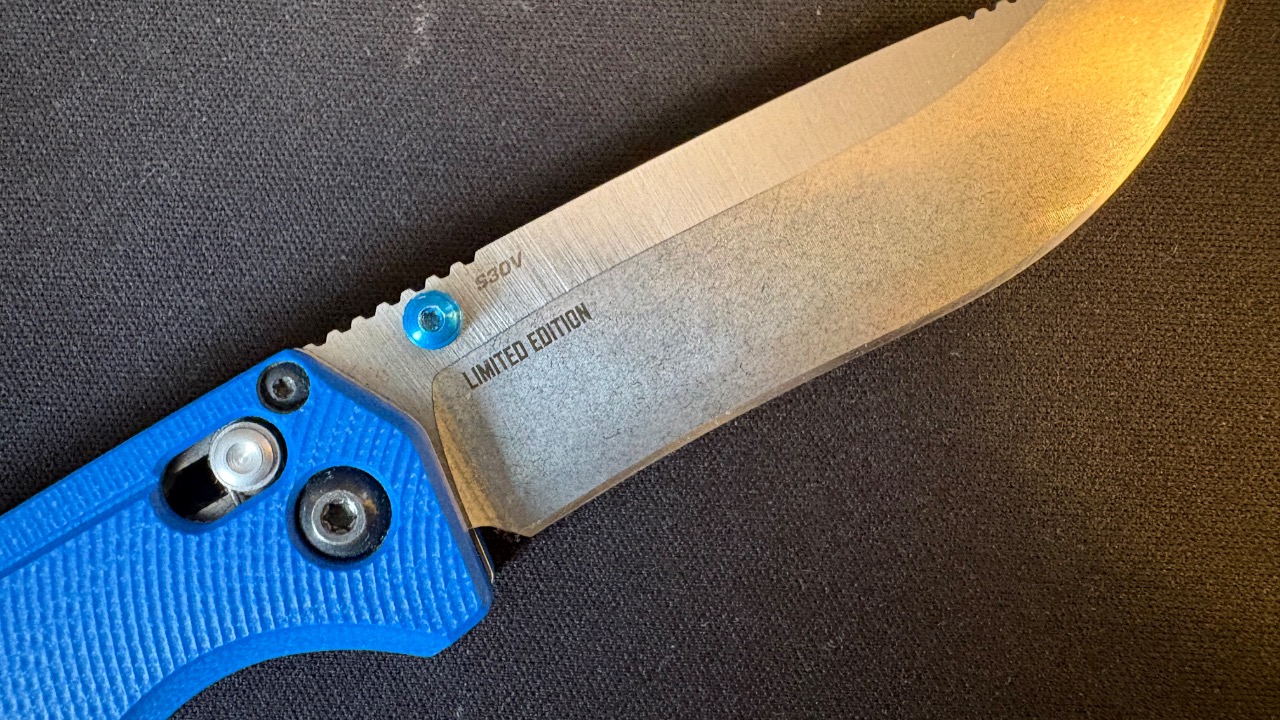
For serious collectors, the starting point is accepting that a knife can be both a tool and a financial instrument. High end pieces sit at the intersection of art and utility, which is why some rare examples have appreciated by over 200% in a relatively short window. I see experienced buyers talk less about quick flips and more about how design, scarcity, and cultural relevance compound over time, a mindset that mirrors how they might think about a painting or a vintage watch.
That perspective is reinforced by detailed breakdowns of Investment Potential of, which explain that not all knives are created equal and that several factors drive appreciation. When I listen to seasoned collectors, I hear those same themes: they talk about Why Do Knives Appreciate, they debate Value, and they are quick to say Not every hyped release will matter in ten years. Instead, they focus on Several recurring traits, from limited production to distinctive craftsmanship, that quietly separate future blue chips from the rest of the catalog.
The subtle traits that predict faster appreciation
Once you accept that some knives behave like assets, the next question is which ones move fastest. Collectors who consistently get ahead of the market pay close attention to how design, materials, and scarcity interact. They know that the most obvious factor in long term value is that a knife is, in some way, rare, whether through a small production run, a discontinued pattern, or a one off custom. I see them study how a maker’s early work, a unique grind, or an unusual handle material can turn a seemingly ordinary release into a future benchmark.
Analyses of why some knives appreciate more quickly highlight how aesthetics and scarcity combine, and they echo what I hear at shows and in private chats. When I read about how a beautiful knife is more than a tool and how collectors ask why certain pieces outpace others, I see the same logic applied to specific models. Reports on Jul market behaviorunderline that rarity is not just about low numbers, it is about distinctive character that cannot be replicated once a run ends, which is exactly what quiet buyers are hunting for while prices are still flat.
How “boring” production knives suddenly spike
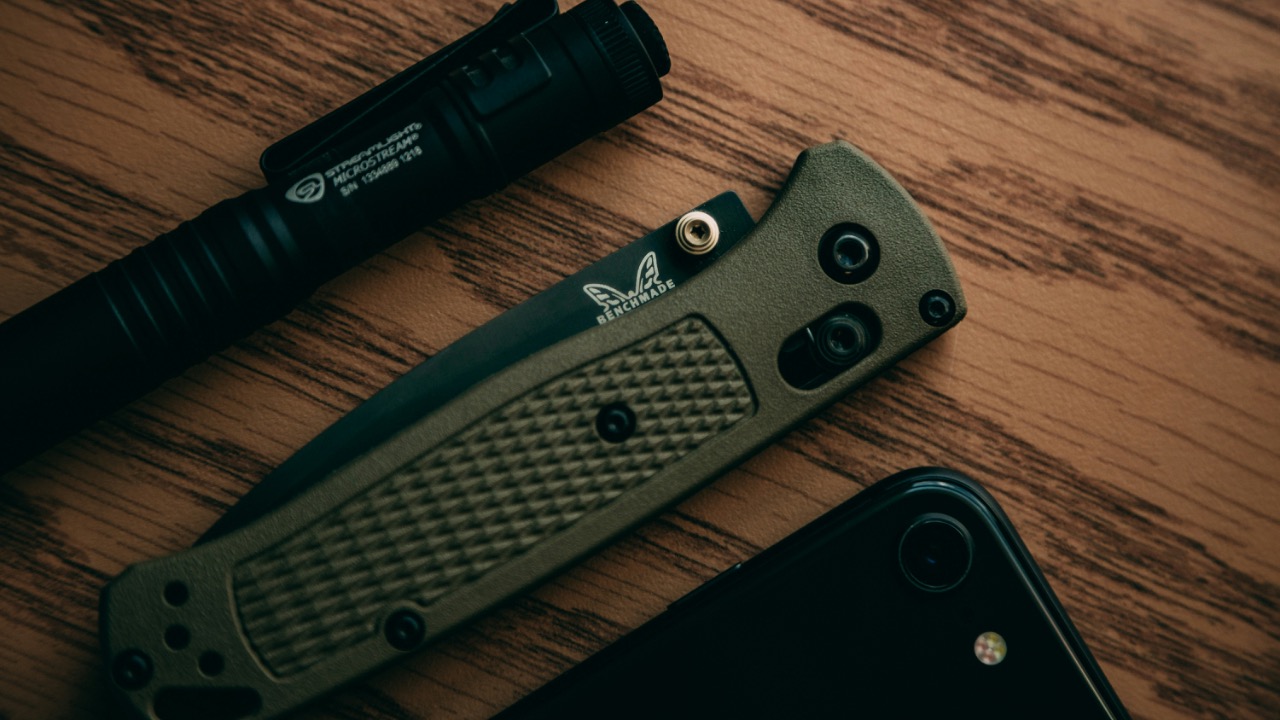
Some of the sharpest collectors I know spend more time on catalog models than on headline grabbing customs. They understand that Most value jumps in the knife world do not start with a press release or a celebrity endorsement. Instead, They tend to happen when a production pocket knife quietly goes out of stock, a steel upgrade slips into a short run, or a design earns a cult following in user forums before the broader market notices.
Coverage of pocket knives that quietly exploded in value shows how this pattern plays out. A model might sit on shelves for years, then a steel change, a design tweak, or a discontinuation notice triggers a slow burn of demand that only becomes obvious once secondary prices have already doubled. The collectors who win here are the ones tracking production rumors, reading user feedback closely, and buying backups when everyone else assumes the knife is just another SKU.
Reading history, function, and age like a roadmap
Beyond hype cycles, the most reliable signals are often historical. I see advanced collectors treat each piece as a small archive of its era, weighing how design, intended use, and age intersect. They know that a knife can embody history, function, and Value at the same time, and that this combination is what turns a tool into a reference point for future generations of makers and buyers.
Guides to The Collector Knife explain that Age, condition, and provenance all feed into grading systems or steel grading, and I see collectors internalize those criteria. When they evaluate a knife, they are asking whether it represents a turning point in manufacturing, a notable military contract, or a shift in steel technology. If the answer is yes, they are willing to buy early and hold, confident that the market will eventually recognize the same story they already see in the blade.
Why maker names and provenance matter so much
In the quiet corners of the market, names carry enormous weight. Collectors who consistently spot future climbers are almost obsessive about identifying the maker, confirming authenticity, and documenting ownership history. They know that a knife from a respected artisan or a historic factory can command a premium, but only if the story is backed by clear evidence rather than hearsay.
Practical appraisal advice stresses that the first step is to Identify the Maker and verify marks, logos, and signatures, which is why I see collectors keep detailed notes and photographs that help establish provenance. Resources on Expert Knife Appraisal underline how documentation can turn a good knife into a great asset. When a piece can be tied to a specific maker, era, or even a notable previous owner, the value curve tends to steepen, and the collectors who did the paperwork early are the ones who benefit when prices move.
Materials, construction, and what “collectible” really means
Another quiet tell is how a knife is built. Collectors who think in decades, not months, pay close attention to materials and construction details that signal long term desirability. They look for blades and handles that go beyond basic steels and plastics, because they know that a collectible knife is more than just a tool, it is a piece of history, craftsmanship, and sometimes even art. Whether the appeal is driven by nostalgia, performance, or aesthetics, the underlying build quality has to justify the story.
Detailed breakdowns of collectable knives point out that pieces from renowned makers are particularly valuable when they combine strong design with premium materials. At the same time, overviews of high end production note that Most collectible knives are made with very fine, exacting detail and rare materials such as Damascus, pearl, rare woods, or even mammoth tooth, often presented in display boxes. When I see a knife that checks those boxes, I know I am looking at something built for a long life in collections, not just in pockets, and that is exactly the kind of foundation that can support a future price surge.
How collectors quietly map the secondary market
Spotting the next breakout model is not just about the knives themselves, it is about where and how they trade. The most effective collectors I meet treat the secondary market as a living data feed, watching how prices move across shows, auctions, and online communities. They are not only hunting for bargains, they are tracking which patterns, makers, and eras are starting to attract new money.
Practical guides urge buyers to Explore Secondary Markets and to Visit knife shows, auctions, and antique shops to find unique pieces, while also using Forums and social media marketplaces to monitor demand. I see that advice reflected in how serious collectors operate: they maintain quiet relationships with dealers, they watch which listings disappear fastest, and they pay attention when a once sleepy pattern suddenly draws multiple offers. Resources from Oct market adviceemphasize that these venues are also where information flows most freely, and that information is often the earliest sign that a price curve is about to bend upward.
The role of community, shows, and “inside” information
Information advantage in knife collecting is rarely about secret spreadsheets, it is about being present where knowledge is shared first. Collectors who consistently buy ahead of the curve invest time in community, not just money in blades. They attend regional shows, small maker meetups, and even local club gatherings, because that is where they hear which makers are about to close their books, which steels are becoming harder to source, and which collaborations are quietly in the works.
Beginner focused guidance encourages people to Attend hammer ins and conferences, Listen to enthusiast podcasts like The Razor Edge Podcast and Knife Banter, and Hear in depth interviews with makers. I see advanced collectors follow the same playbook at a higher level, using those channels to sense shifts in taste and supply before they show up in price guides. Advice from Aug community tips is framed for newcomers, but the underlying principle is universal: the more conversations you are part of, the earlier you will hear about the knives that matter.
Building a focused strategy instead of chasing every spike
Behind all these quiet habits is one more pattern, the best collectors are surprisingly narrow in what they chase. Rather than trying to predict every hot release, they build a focused strategy around specific makers, eras, or patterns. Pocket knife specialists, for example, might zero in on slipjoints from particular decades or on Japanese influenced folders, because they know that depth of knowledge in a niche lets them recognize underpriced pieces faster than generalists.
Guides to Collecting Pocket Knives note that Pocket knife collectors always look for models from different eras and by different makers, which is exactly how I see serious investors structure their hunts. They combine that focus with a broader understanding of global demand, including how growing interest from regions such as China and the Middle East can make certain categories more sought after. Analyses that highlight how Additionally rising international demand shapes prices give collectors one more quiet signal to watch, helping them collect with confidence instead of chasing the last spike.

Leo’s been tracking game and tuning gear since he could stand upright. He’s sharp, driven, and knows how to keep things running when conditions turn.