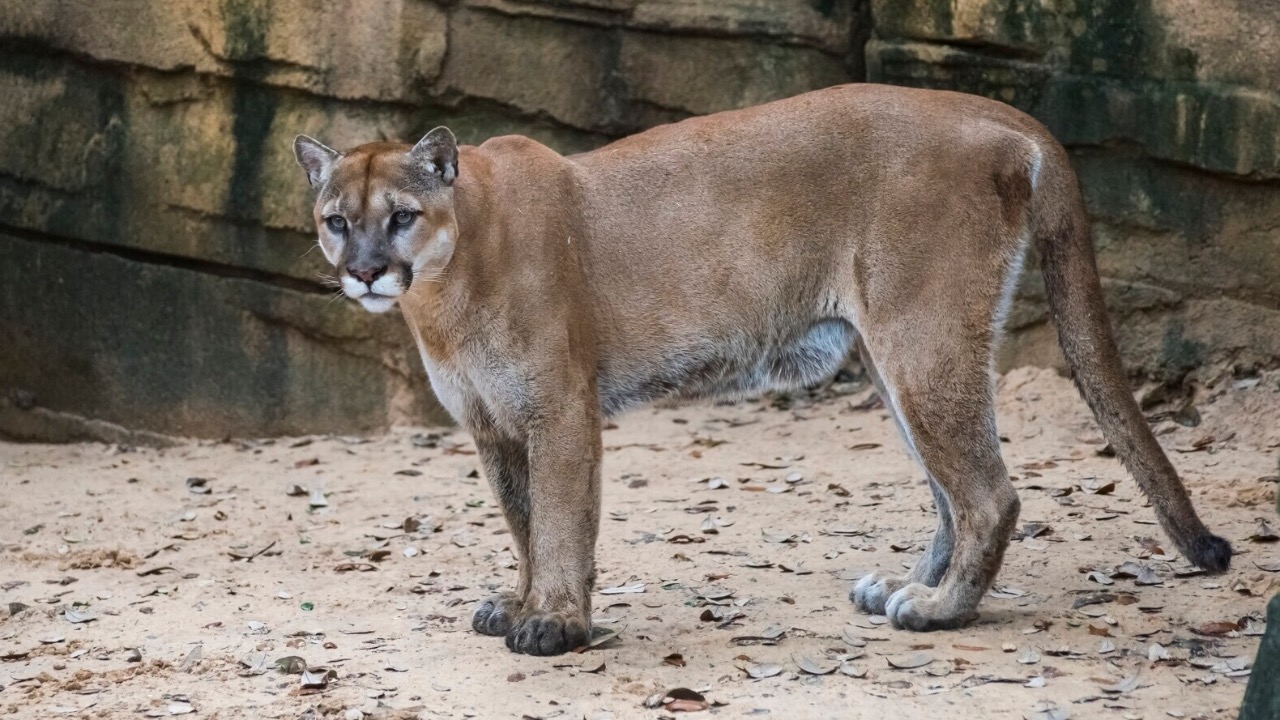
The biggest mountain lion ever tracked in Colorado
Colorado has a long history of outsized mountain lions, from early trophy hunts to modern GPS collars that trace cats across entire states. The story of the biggest mountain lion ever tracked in Colorado sits at the crossroads of that history, mixing record body size, record distance, and a changing sense of what it means to share ground with such a powerful predator. This piece looks at how hunters, scientists, and everyday hikers each define “biggest,” and what those giant cats reveal about the wild country that still exists along the Front Range and beyond.
What “biggest” really means for a Colorado mountain lion
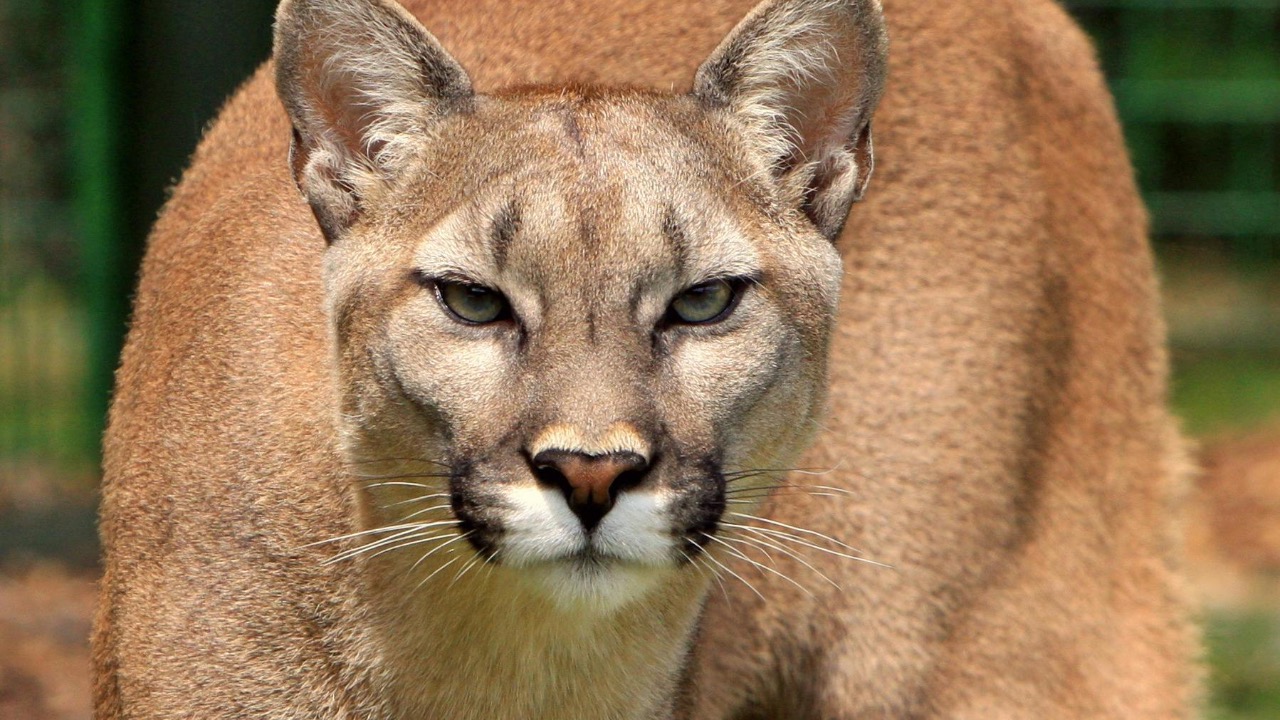
When people talk about the biggest mountain lion in Colorado, they often mean the heaviest cat that anyone has put on a scale. Trophy records focus on body weight and length, and recent attention has zeroed in on a lion that reportedly weighed 210lbs and stretched 7.5 feet from nose to tail, a size that hunters describe as a monstrous animal. Size can also refer to how far a lion travels, how much territory it controls, or how deeply it shapes human stories, so any claim about the “biggest” cat needs a clear yardstick.
Biologists tend to start with averages. According to More Information from Colorado Parks and Wildlife, Adult mountain lions are more than six feet long, with a black tipped tail and a body built for stealth. Federal wildlife guidance notes that an Adult male may be more than 8 feet long and can weigh between 130 and 150 pounds, which sets a baseline for what counts as a large but typical tom in the Rockies. When a Colorado lion pushes far beyond that range, either in mass or in miles traveled, it stands out not just as a curiosity but as a clue to how these cats live on the edge of human settlement.
Derek Wolfe’s “super cat” and the modern record chase
The most talked about giant in recent Colorado history is the lion killed by former Denver Bronco defensive lineman Derek Wolfe during a winter hunt. In a local TV segment, anchors described how the Jan outing drew huge attention after he posted a photograph of the huge mountain lion, and the focus quickly shifted to just how big the animal might be. Wolfe has said he relied on his professional sports conditioning to grind through deep snow and steep terrain before he took the shot, and he later admitted that he does not remember many details of the moment itself because he was so exhausted from the climb.
Hunters who specialize in scoring trophies have since highlighted Wolfe’s lion as a possible state benchmark. A post shared on When searching for Colorado’s state record lion describes Derek Wolfe’s super cat as the biggest one in recent history and flatly calls it a monstrous animal. A related record discussion notes that when searching for Colorado bragging rights, Derek Wolfe’s super cat measured 210lbs and 7.5 feet long, suggesting it may be the heaviest lion taken in the state in decades. That claim has not yet been matched to an official record book entry, which means it lives in the gray zone between social media legend and formal state statistic.
From Eagle County to viral fame, how big cats shaped Colorado lore
Long before Derek Wolfe’s photo went viral, giant lions were part of Colorado campfire talk. In Eagle County, a retrospective on local history recalls a 160 pound mountain lion killed roughly 70 years ago that locals described as one of the biggest lions ever taken in Colorado. The same historical feature notes how people looked back another 40 years to compare that cat with earlier kills, which shows that arguments over “biggest ever” have been running in the state for at least 70 years and probably longer.
These older stories matter because they show how the bar for a giant lion has crept upward as biologists and hunters collect more data. A 160 pound tom from Time Machine in Eagle County once sounded enormous, but it now sits below the reported 210lbs of Derek Wolfe’s super cat. At the same time, Colorado’s human footprint has grown, so each big lion is more likely to cross a highway, wander near a subdivision, or end up on a game camera. That shift has turned what used to be private hunting tales into public debates that play out on television, on Jan social feeds, and in town meetings.
Theodore Roosevelt, John Lesowski and the old record-book giants
Colorado’s obsession with giant cougars also sits in a national tradition that runs back to Theodore Roosevelt and the trophy hunters who followed him. As cougar hunter John Lesowski wrote in a profile of early 1900s hunts, Teddy Roosevelt spent time in Colorado in 1901 chasing lions and other big game, and those trips helped shape his later role in the Boone and Crockett Club record book. The culture around those hunts treated each massive cat as a personal achievement and a data point, a way to measure both the animal and the hunter who trailed it.
Roosevelt’s own cougar stories fed into a wider fascination with outsized predators. In one archived account, As the dogs cornered an older female cougar that weighed just 47 pounds, the contrast with a later tom recorded at 227 pounds showed how much size could vary across the species. That 227 pound animal entered the record books as a world class specimen, and the same archival piece notes how Roosevelt agreed to a shopkeeper’s request to call a toy Teddy’s Bear, a small side story that later exploded into a global craze for teddy bears. When I compare those early giants with modern Colorado lions, I see a line that runs from John Lesowski and Outdoor Life era tales to every current debate about how to rank one huge tom against another.
How Colorado’s terrain grows heavy, wide ranging lions
Size does not come from genetics alone. Colorado’s mix of deep canyons, oak brush, and mule deer winter range gives mountain lions a rich pantry and plenty of cover, which helps some males grow into heavyweights. State biologists describe how Adult lions in these habitats often reach more than six feet in length, and federal guidance adds that an Adult male can top 8 feet and weigh up to 150 pounds in areas where deer are common. Those figures match the idea that Colorado, with its mix of foothills and high country, is prime ground for large predators.
Conservation history also plays a role. Shortly after he became president, Theodore Roosevelt moved to protect huge blocks of Western forest, including a reserve that encompassed 1,198,080 acres of land in the Flat Tops region of Colorado. That decision, described in a look at Roosevelt’s enduring legacy, helped keep a core of rugged habitat intact for elk, deer, and the lions that hunt them. When I think about a modern giant tom slipping through dark timber in the Flat Tops, I am really seeing the long shadow of those early conservation moves and the way they still shape which lions can grow old and heavy enough to flirt with record size.
The Utah lion that walked 1,000 miles to Colorado
Body weight is one way to define “biggest,” but range can be just as impressive. Earlier this year, wildlife biologists finished tracking a female cougar known as F66 that made a 1,000-Mile trek from Utah to Colorado, Where It was Killed by another cougar soon after arriving. GPS data showed that she left a study area in Utah, crossed Wyoming, and then dropped into northern Colorado, all while avoiding major roads and human settlements as much as possible. Her story ended in a fight with another lion, a reminder that even the most epic journey can be cut short by the simple fact that another cat already claimed the ground.
The Utah team that followed F66 likened her journey to the old song lyric about walking 500 miles and then walking 500 m more, a playful nod to the sheer distance she covered. Their blog notes that a little over 220 miles into her journey she faced a choice, either turn back toward familiar ground or keep pushing east toward unknown country, and she chose to keep going. For me, that decision makes F66 one of the biggest lions Colorado has ever seen in terms of ambition, even if her body size stayed within the normal range for a female. Her path, captured in Feb field notes, shows that “biggest” can also mean the most determined to cross a continent of fences and highways.
Tracking F66 across the Rocky Mountains
F66’s route into Colorado also highlights how far a lion can roam in a short window when conditions line up. A detailed breakdown of her GPS collar data explains that F66 averaged six miles a day but sometimes traveled more than 20 miles in a single push. After she crossed the Rocky Mountains, she threaded her way through a patchwork of ranches and public land, often moving at night to avoid people and dogs. Each long leg of the trip chipped away at the 1,000 miles between her natal range in Utah and the point where another cougar finally stopped her.
Researchers who studied F66 see her journey as part of a larger pattern. Their analysis of the Rocky Mountains corridor suggests that long distance dispersal helps lions find new prey, avoid inbreeding, and adapt to shifting habitat. When I set her story next to Derek Wolfe’s super cat, I see two very different versions of “biggest” in Colorado: one measured on a scale, the other drawn as a thin red line that runs across three states on a computer screen.
Living with Colorado’s largest wild cat
For most Coloradans, the biggest mountain lion is the one that might be watching from the shadows near a favorite trail. A popular backcountry safety post aimed at hikers spells out some basic facts, starting with the reminder that Mountain lions are Colorado’s largest wild cat and can weigh up to 200 pounds. The same guide notes that these cats are normally calm, quiet, and elusive, that they are most active at dawn and dusk, and that they are usually solitary except during mating season or when a female is raising young. Those habits explain why even people who spend years on local trails may never actually see a lion, even if one hears them chirping in the dark timber.
The hiking advice in that post is simple and direct. Make noise if you hear odd chirps so you do not surprise a cat, carry bear spray, and consider a Garmin InReach or similar device when you head into remote country. The author, who hikes primarily solo, says she avoids hiking at dawn or dusk out of personal comfort, even though attacks remain rare. Her short list of Mountain lion basics also notes that these cats can leap up to 40 feet, jump 15 feet high, and run as fast as 40 mph, physical skills that help explain how a big tom can vanish into scrub oak even when it weighs close to 200 pounds.
Why the “biggest” lion still matters for conservation
In the end, I see the hunt for the biggest mountain lion in Colorado as a mirror that reflects our changing relationship with wild predators. Trophy hunters, from John Lesowski in the early 1900s to Derek Wolfe in the social media age, have long chased record size and entered their kills in formal books that trace body length and skull measurements. At the same time, biologists and land managers have used those same animals to argue for more protected habitat, pointing back to Roosevelt era decisions that set aside places like the Flat Tops and the 1,198,080 acre reserve that helped keep lions on the landscape.

Leo’s been tracking game and tuning gear since he could stand upright. He’s sharp, driven, and knows how to keep things running when conditions turn.