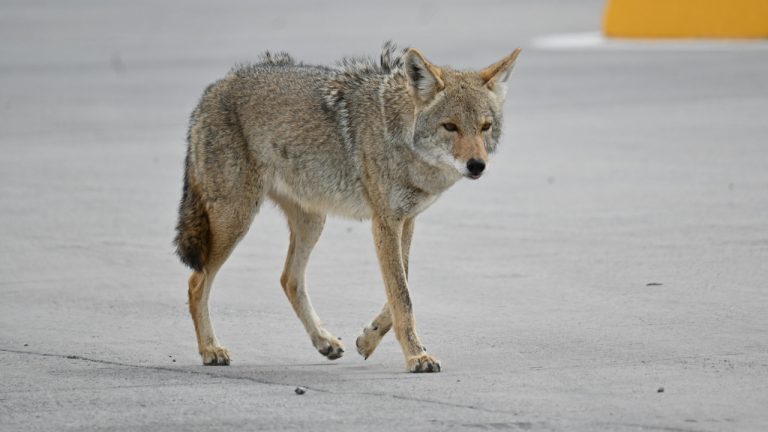
12 dog breeds capable of surviving a coyote encounter
If you live where coyotes run fence lines, the dog you pick can mean the difference between a close call and a disaster. Some breeds have the size, grit, and instincts to walk away from a coyote encounter, and in the right hands they can tip the odds hard in your favor. I will walk through 12 breeds that have the tools to survive, and often end, a run‑in with a coyote.
1) Great Pyrenees

The Great Pyrenees is the classic coyote stopper, and the real world has proved it. In Dec, a Georgia farmer’s Pyrenees Casper reportedly faced down 11 coyotes and left eight of them dead, a story that turned into a viral example of what a committed livestock guardian can do when pushed. That kind of outcome is rare, but it shows how a big, confident guardian can survive when a pack tests the fence line.
Guarding is baked into this breed’s history. The Pyrenean Mountain Dog, also called Chien de Montagne and Great Pyrenees, was developed to protect flocks from predators in rough country. Modern Pyrenees still patrol, bark, and body block threats instead of chasing every shadow. For ranchers and acreage owners, that steady temperament means a dog that can survive a coyote encounter and keep working the next day.
2) Anatolian Shepherd
The Anatolian Shepherd is another heavyweight that coyotes learn to respect. Bred in Turkey to guard stock against serious predators, these dogs are large, weather tough, and territorial. In groups focused on Livestock guardian work, people list Anatolian Shepherds alongside other proven flock dogs, which tells me they are trusted where predation pressure is real, not theoretical.
On the ground, an Anatolian tends to post up between the threat and the animals instead of charging blindly. That defensive style, backed by serious size and a crushing bite, lets them absorb a rush and stay on their feet. For landowners dealing with repeat coyote pressure, an adult Anatolian that knows its pasture is a strong bet to walk away from a confrontation.
3) Kangle (Kangal-type guardian)
The Kangle, a Kangal-type guardian from Turkey, is often described as a breed that is “legendary for its ability to dispatch a wolves in Turkey.” In one widely shared clip, a commentator flatly says the Kangle is probably the dog best equipped to live alongside Coyotes. If a dog can handle wolves, a single coyote is not a tall order.
These dogs are big, fast, and serious about territory. They are not pets first, they are working guardians that expect a job and room to patrol. In coyote country, that means a dog that will meet an intruder head on, use its weight to bowl the animal over, and stay engaged until the threat leaves or is neutralized. For experienced handlers, that is exactly the kind of presence you want on a remote pasture.
4) Komondor
The Komondor looks like a walking mop, but under those cords is a powerful livestock guardian that can survive a coyote hit. In one Dec discussion about coyote protection, a commenter simply answered “Komondor. Looks like …” and went on to back the breed as a serious option. That kind of offhand confidence usually comes from people who have watched these dogs work.
Komondors are large, independent, and naturally suspicious of unfamiliar animals. The cords help with weather and offer some protection from bites, which matters when a coyote goes for the neck. They are not for first time owners, but on a spread with sheep or goats, a mature Komondor that knows its boundaries can make a coyote think twice about crossing a fence again.
5) Karackachan
The Karackachan is less known in North America, but it shows up in Livestock guardian circles for a reason. When someone asked, “Anyone interested in livestock guardian dogs?” the list of proven breeds included Karackachan alongside heavy hitters like Great Pyrenees and Anatolian Shepherds. That tells me people who actually run stock trust them against predators, coyotes included.
Karackachans are big, serious dogs with a strong guarding instinct and a low tolerance for strange canines near their herd. They tend to patrol and confront, not chase for fun. In a coyote encounter, that means a dog that squares up, uses its mass, and keeps pressure on the intruder until it breaks off. For mixed-species farms, they can be a tough, adaptable line of defense.
6) Sarplaninac
The Sarplaninac, often shortened to Sarpla in working circles, is another mountain guardian built for predator country. In the same Livestock guardian discussions that mention Karackachan, people list Sarpla as a go to option for multi species protection. That kind of peer recommendation matters more to me than show ring hype when we are talking about surviving real coyote pressure.
Sarplaninacs are powerful, with a calm, almost stoic presence until something crosses the line. Then they switch on fast. Their thick coats help against bites and weather, and their guarding style is to stand ground rather than chase long distances. In a pasture, that creates a hard point a coyote has to get through, and most will decide the risk is not worth it.
7) Rhodesian Ridgeback
The Rhodesian Ridgeback is not a classic livestock guardian, but it has the athleticism and toughness to survive a coyote encounter. In one Jan analysis of coyote capable breeds, a table labeled Rhodesian Ridgeback listed the Breed alongside an Ability to Repel Coyotes rated as moderate. That is still a serious endorsement for a dog originally bred to track large game.
Ridgebacks are fast, durable, and used to working in heat, which helps in open, arid coyote country. They are not as massive as some guardians, but they can hit hard, avoid a straight on rush, and counterattack. For rural homeowners who want a family dog that can also stand its ground on a trail, a well trained Ridgeback is a realistic compromise.
8) Belgian Malinois
The Belgian Malinois brings speed and fight drive to the table, which can carry it through a coyote clash. In a Jan thread’s Comments Section, one handler said they were “Glad you held on. The Malinois could probably take the coyote and maybe without …” finishing the thought, but the point was clear, this breed has the tools to win that fight.
Malinois are high energy, high drive workers that excel in protection roles. They are not as heavy as some guardians, but they are agile, with a punishing bite and the nerve to stay engaged under pressure. For handlers who put in the training time, a Malinois can not only survive a coyote encounter, it can push the animal off property fast.
9) Rottweiler
The Rottweiler is built like a battering ram, and that matters when a coyote decides to stand and fight. One Jan breakdown of a hypothetical clash between a Rottweiler and a coyote noted that the Rottweiler has the size, power, and strength to easily take down a coyote. That size gap alone tilts survival odds heavily toward the big working dog.
Rottweilers are territorial and naturally suspicious of strange animals near home. With proper training and boundaries, they can patrol a yard or small acreage and confront coyotes that slip in looking for chickens or small dogs. Their broad chest and thick neck help them absorb impact, and their bite can end a fight quickly, which reduces the risk of serious injury.
10) Great Pyrenees (farm and acreage role)
The Great Pyrenees shows up again when you look at farm specific advice. One Dec feature on acreage dogs highlighted Great Pyrenees and noted that Pyrenees are likely to form strong bonds with family and herd while guarding against predators, human intruders, and more. That mix of loyalty and suspicion is exactly what you want when coyotes cruise the fence at dusk.
On acreages, Pyrenees often work closer to the house, watching kids and stock at the same time. Their size and booming bark can stop a coyote before it ever crosses the yard. For families who need a dog that can be gentle with children yet serious with predators, the Pyrenees’ track record on farms makes it one of the safest bets for surviving and ending coyote encounters.
11) Livestock guardian teams
Sometimes, surviving coyotes is a numbers game, and experienced handlers know it. In one Jan discussion, Tarma Shena flatly said that the number of dogs you need “Depends on your predator pressure,” and advised people to Stagger guardians, with at minimum two dogs working together in hot or freezing temps. That approach recognizes the difference between predator pressure and predator load.
Running a pair or trio of guardians, whether they are Great Pyrenees, Anatolian Shepherds, or Karackachans, changes the math for a coyote pack. Instead of one dog getting surrounded, you have multiple defenders that can cover flanks and rotate in and out of contact. For ranchers with heavy coyote activity, that team strategy dramatically improves each dog’s odds of walking away from a fight.
12) High energy working dogs
Not every coyote capable dog is a giant. Some high energy working breeds can survive encounters through speed, agility, and attitude. One overview of active breeds promised to introduce readers to 12 of the most energetic dog breeds and share tips for living with these energetic pups, and many of those same traits, stamina and drive, help in predator country.
Border collies, heelers, and similar workers are not ideal coyote fighters, but a confident, fit dog that will not panic can still survive a close call, especially when backed by fencing and human presence. For small acreage owners who cannot manage a 120 pound guardian, choosing a tough, high drive working dog and managing encounters smartly can still keep coyotes from dictating the terms on your land.

Asher was raised in the woods and on the water, and it shows. He’s logged more hours behind a rifle and under a heavy pack than most men twice his age.